

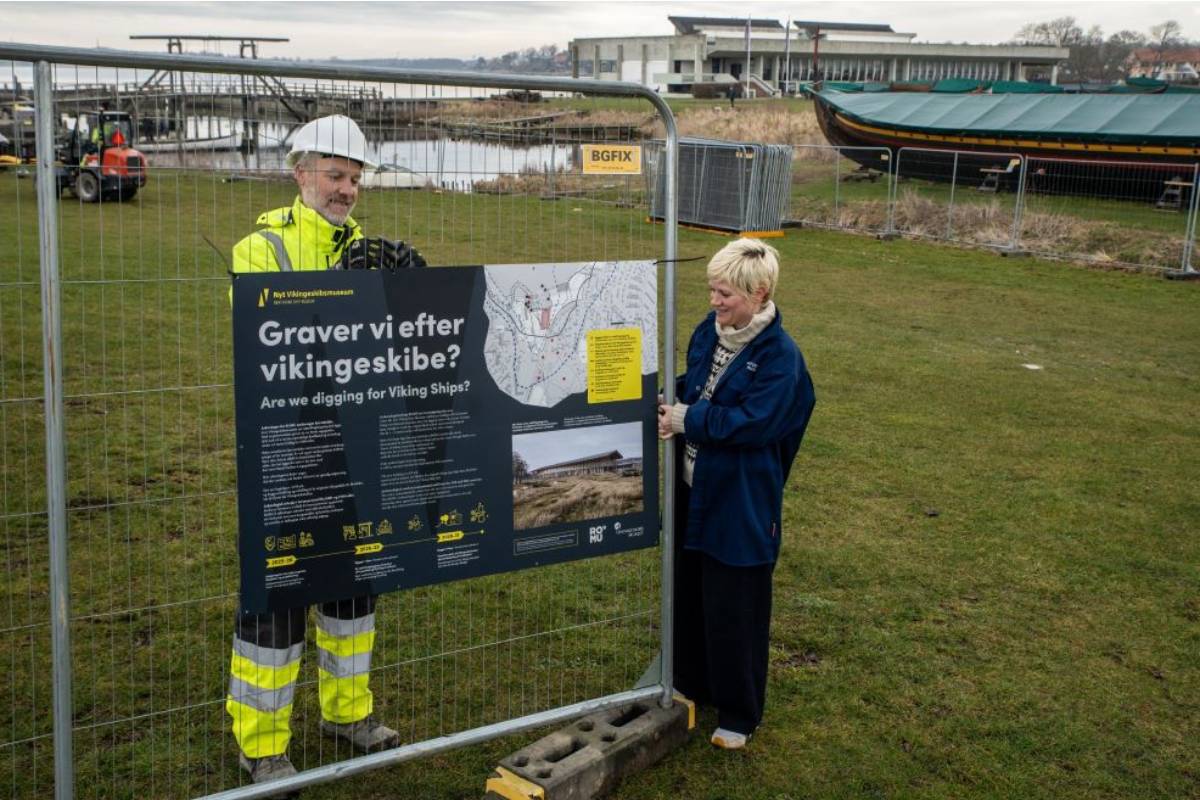
The Roskilde Viking Ship Museum in Denmark has begun a series of archeological investigations prior to the construction of a new exhibition building.
The digs could reveal more unique artifacts at a site that is rich with history from the Viking Age and beyond.
A promising location
The Viking Ship Museum is home to the majestic Skuldelev ships found in the Peberrenden waterway just 12 miles north of Roskilde in the 1960s and have been dated to the 11th century.
The museum has started the initial work on constructing a new building for the ships that will be capable of hosting the growing number of visitors.
It is also hoped the new home will provide greater protection from potential storm damage, with the number and severity of storms expected to increase due to climate change.
To provide this protection, the museum will place the building at the highest location on its grounds.
Before construction begins, however, archeologists from the ROMU museums association are conducting preliminary investigations of the site.
The work began on March 17. According to a report by the museum, it could uncover a wealth of new artifacts, given the area's rich historical background.
READ MORE: New Viking Ship Hall project in Roskilde takes a major step forward

The excavation focuses on an area of Roskilde Fjord known for its rich archeological layers. Photo: nektofadeev / Shutterstock
"Plenty of life"
The archeologists believe there is an excellent chance of finding Stone Age artifacts, Viking ships, and possible waste from Viking Age residents of the harbor area.
Indeed, a similar investigation in 1996 eventually led to the discovery of nine shipwrecks, including Roskilde 6, one of the largest Viking ships ever found.
Other previous finds in the vicinity include food remains and tools from the Stone Age, as well as evidence of activity by the Wends, a Slavic people who lived near the Baltic Sea.
"Since ancient times, there has been plenty of life and activity on the salt marsh down towards Roskilde Fjord," commented museum department head Jesper Stub Johnsen on the museum's website.
The site was the shallowest part of the fjord in the Viking Age and part of the coastline during the Paleolithic Age.
The team will dig three wide trenches down below the layers where the earth was filled in during the 19th century.
"When we get down to the original fjord bed and salt meadow, there may be shipwrecks or wreckage from the Viking Age and the Middle Ages, just as was the case when the canal around the museum island was dug in 1996," explained project leader Jesper Langkilde in a statement on the museum's website.
"We expect good preservation conditions for organic material due to the moist deposition conditions."
"Farther south in the area we are excavating, we may come close to the beach and could find the remains of various facilities for harbor or coastal defense."
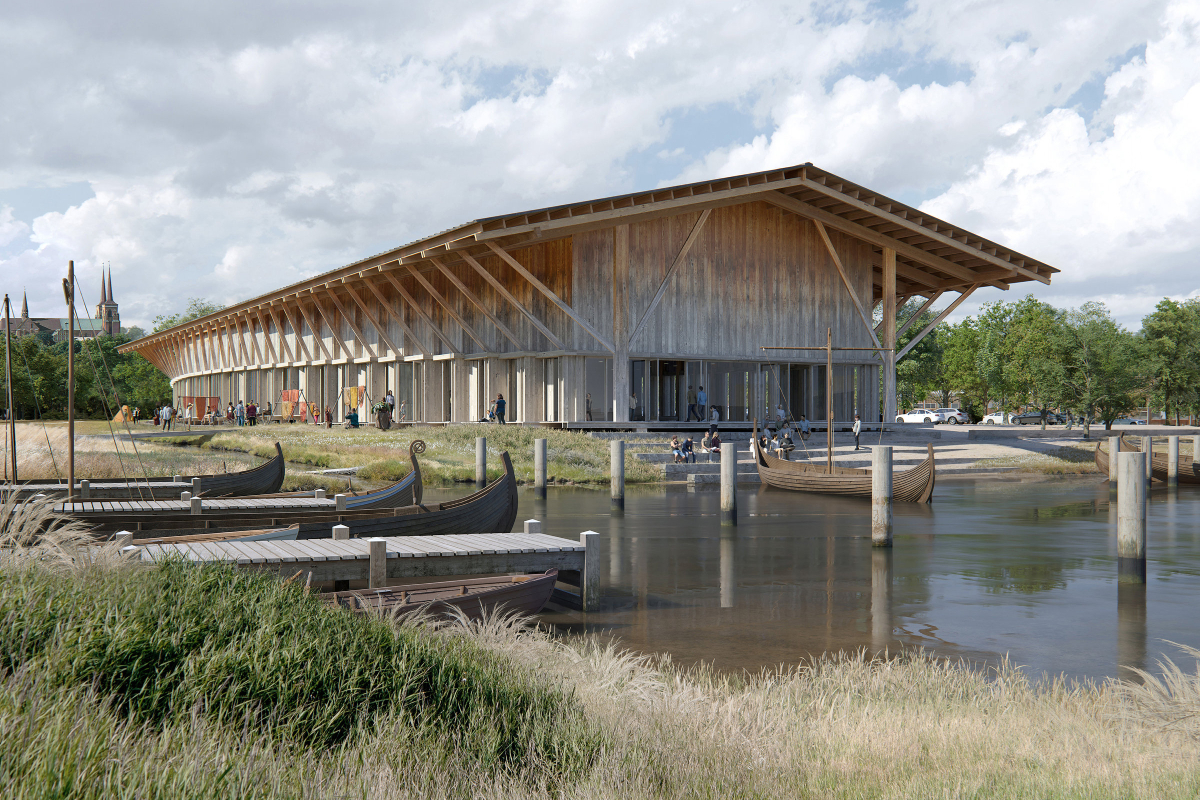
The new hall for the Viking ships will be built after excavations conclude, with completion expected in 2030. Photo: KVANT-1 + Lundgaard & Tranberg Arkitekter
Double danger
The investigations are not without risk, however. The shallow part of Roskilde Fjord, where the museum is located, was filled with waste soil in the 19th and 20th centuries.
Much of this soil may be contaminated, and the archeologists will have to carefully remove it using special equipment to protect against possible heavy metals and harmful chemicals.
The second risk? The discovery of an important archeological find will delay the construction of the new home for the ships.
"The finds do pose a risk to the project with a new exhibition building for the five Viking ships," Jesper Stub Johnsen commented in the press release.
"But we are very excited to see what will emerge. Each new find can enrich our understanding of the area, and it will contribute to creating an even more interesting and informative Viking Ship Museum for future generations."
Once the archeological investigations have been completed, construction can start on the new hall to house the ships.
Work has already begun on the difficult process of moving the delicate, ancient ships to the new location. The construction project, however, is not expected to be completed until 2030.
We get to provide readers with original coverage thanks to our loyal supporters. Do you enjoy our work? You can become a PATRON here or via our Patreon page. You'll get access to exclusive content and early access.
Feel free to reach out to discuss potential stories that may be in the public interest. You can reach us via email at hello@thevikingherald.com with the understanding that the information you provide might be used in our reporting and stories.