

The ambitious plans for a complete overhaul of the Roskilde Viking Ship Museum in Denmark will soon undergo an in-depth analysis that will scrutinize every aspect of the project.
The assessment, which will be carried out by the philanthropic association Realdania, is a crucial stage in the new project, which will see the relocation of the Viking ships to their new home.
A Viking jewel of Denmark
The Roskilde Viking Ship Museum is one of the most important Viking-themed attractions in all of Denmark.
It is home to the Skuldelev ships, Viking vessels found in the Peberrenden waterway next to the village of Skuldelev, just 12 miles from the city of Roskilde.
Beautifully preserved, the ships have offered tremendous insight into the seafaring techniques of the Viking Age.
They have also provided plenty of pleasure for visitors to the museum, who can view the ships in a hall located directly adjacent to the waters of Roskilde Fjord.
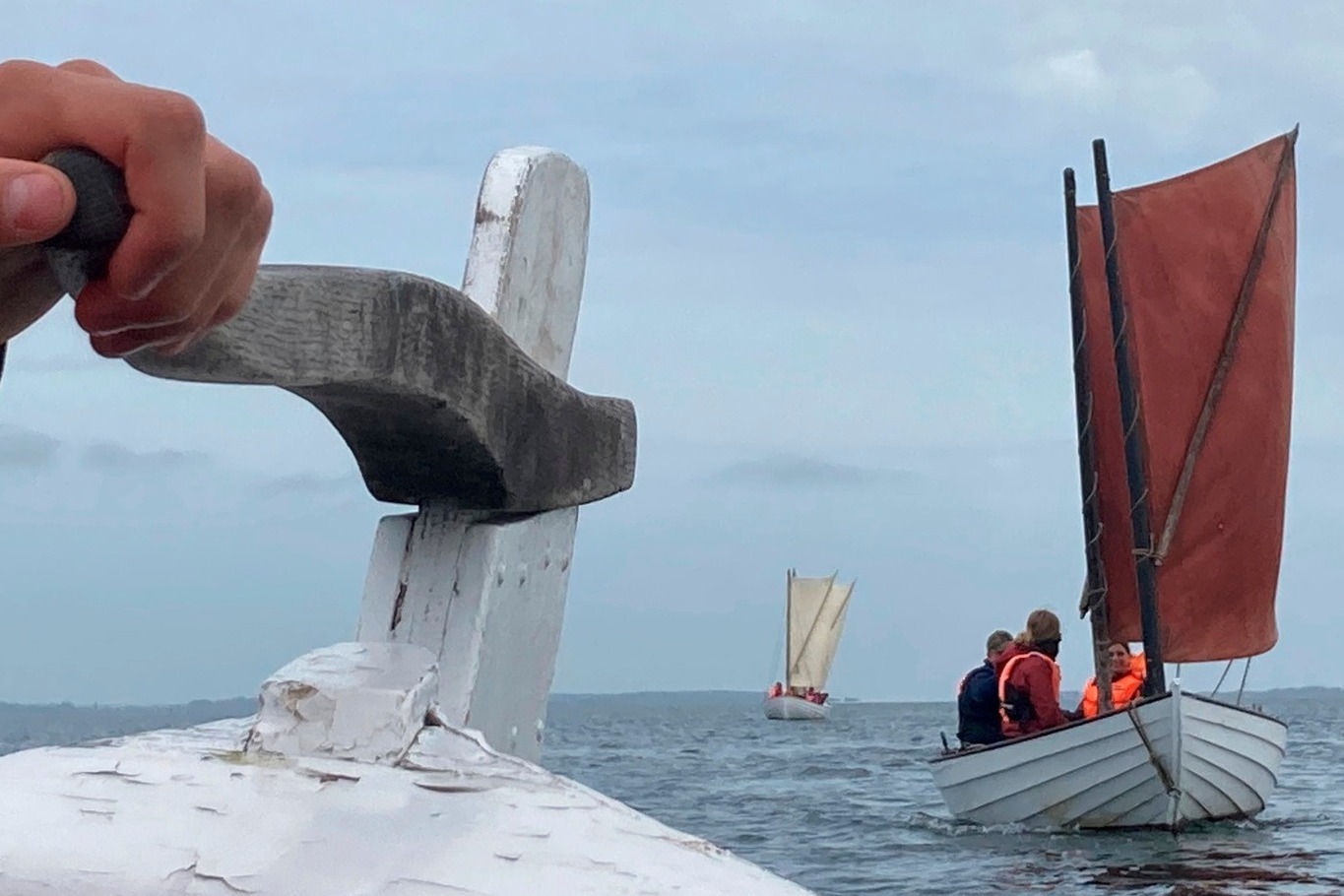
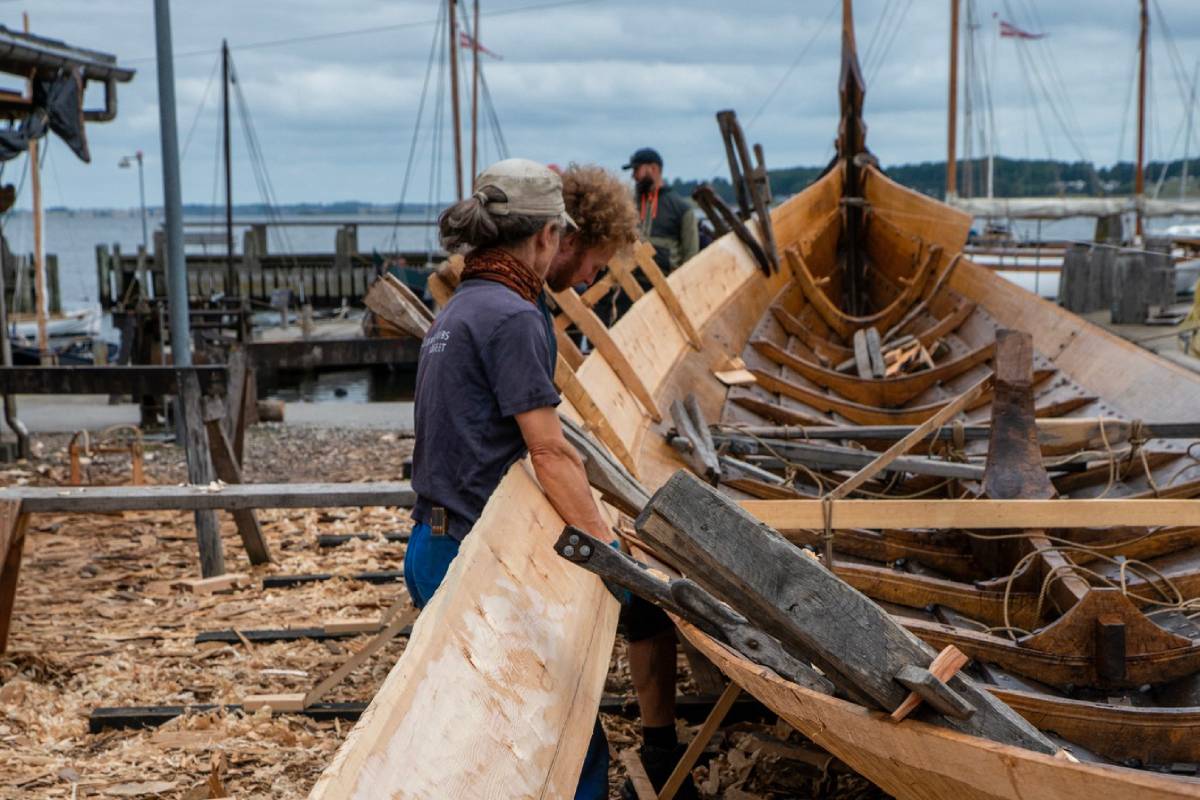
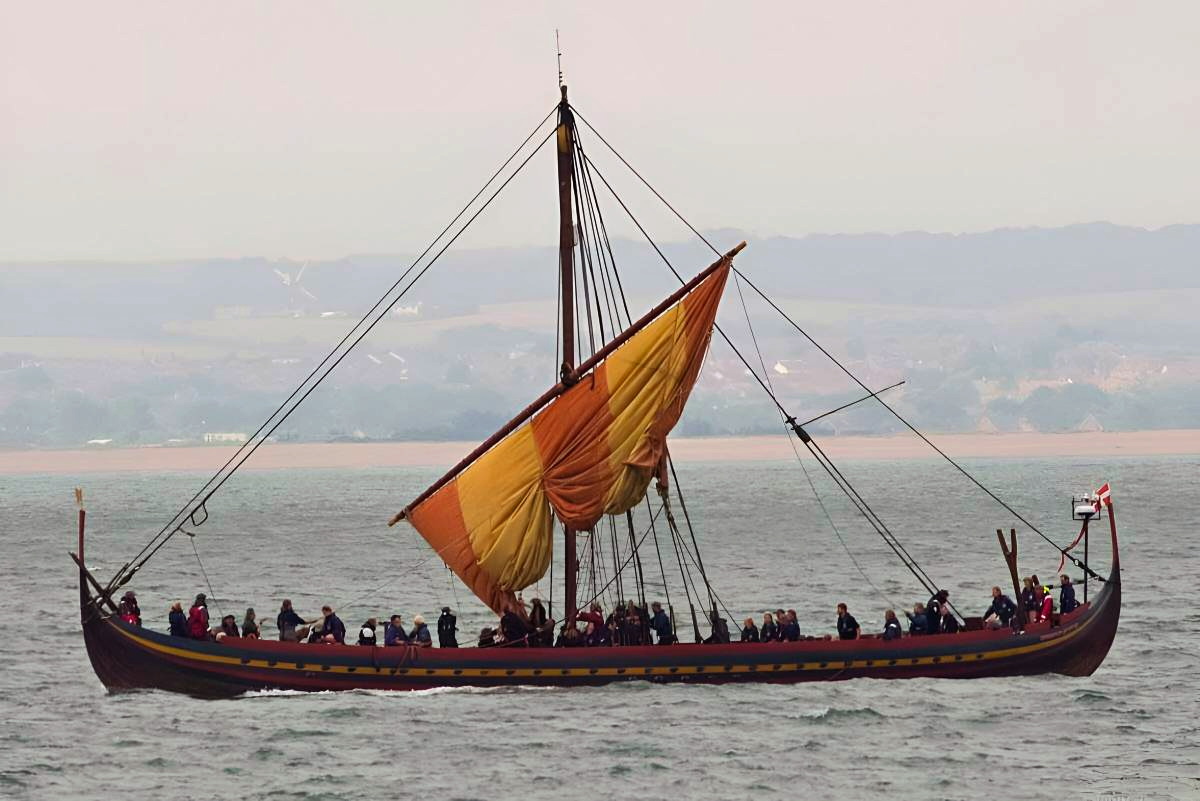
The proximity of the water also provides ample opportunity to go sailing in replica Viking ships and smaller boats, many of which have been made by the expert craftspeople working in the on-site shipyard.
- READ MORE: All you need to know about Viking ships
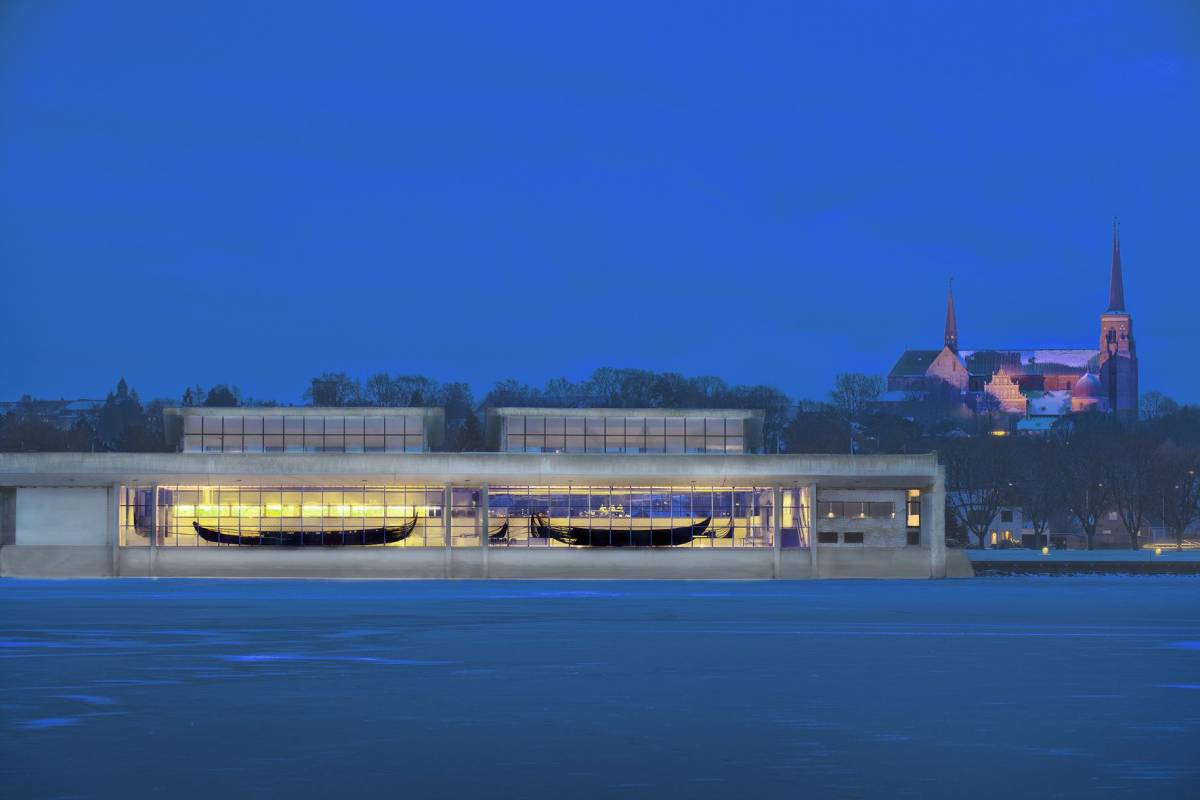
The museum’s location by Roskilde Fjord enhances its appeal but also exposes it to storm-related risks. Source: Roskilde Viking Ship Museum
A chance of renewal
Yet, while the museum's location next to the fjord is an integral part of the visiting experience, it also brings a certain degree of danger.
Museum officials have long been aware that storm surges have the potential to reach and overwhelm the museum's aging buildings.
With these surges expected to worsen over time due to climate change, the staff at the Roskilde Ship Museum has devised a plan of action to move the ships to a new, more secure location.
Though plans to transform the Roskilde Ship Museum have long been in the pipeline, there is still a long way to go before they can be realized.
One of the first major steps in this long process was completed earlier this year, as architectural plans from the firm Lundgaard and Tranberg Architects were published by the museum.
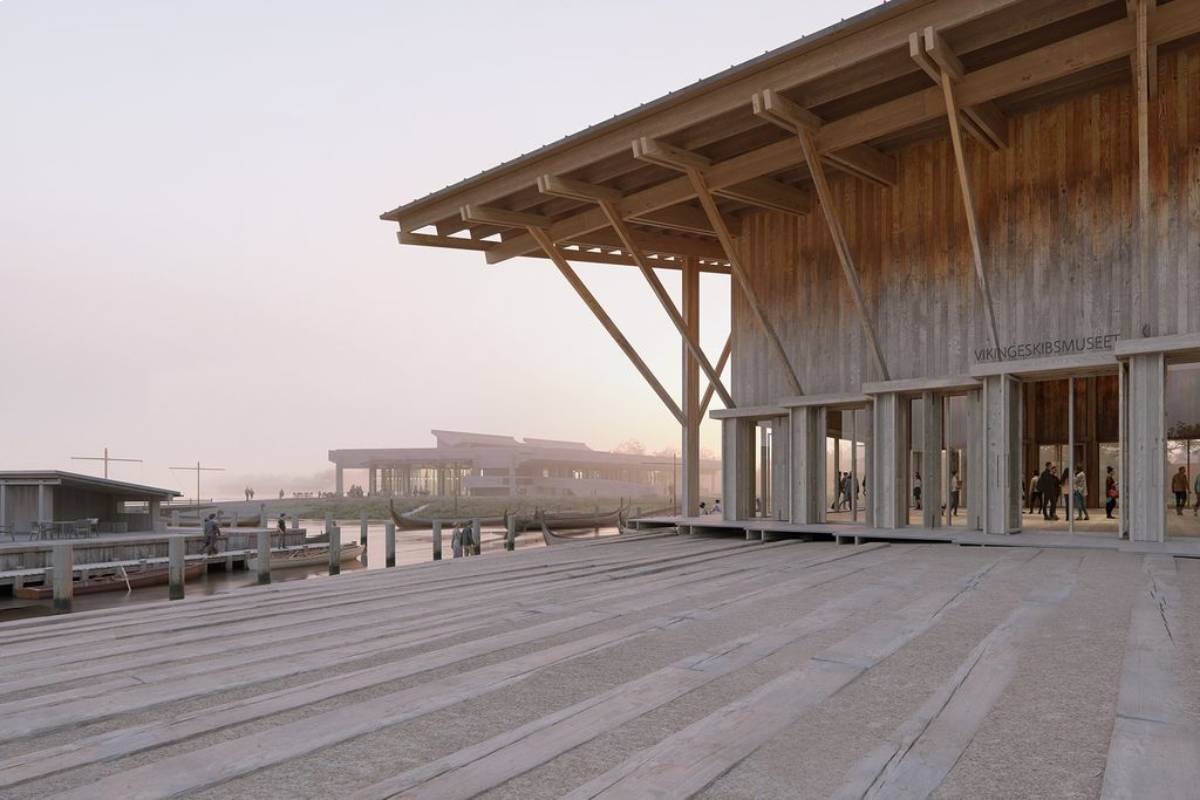
The new plans envision a large wooden hall to house the ships, with the design inspired by Viking Age architecture.
Other features include an extensive information center that will present important aspects of marine archeology and is capable of hosting special exhibitions, festivals, conferences, and events.
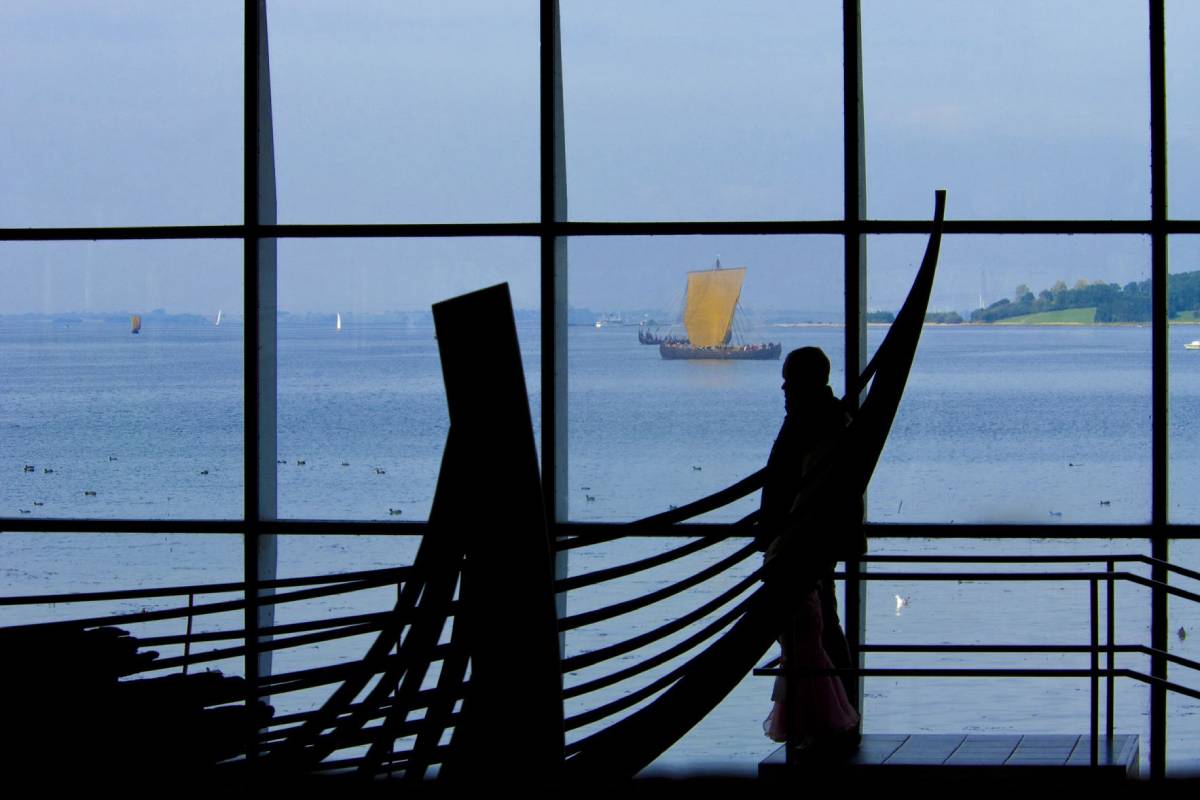
Realdania’s grant will fund an in-depth review of the architectural plans and their potential for success. Source: Roskilde Viking Ship Museum
A reality check
Now, Realdania will conduct a feasibility study that the museum has described as a "reality check."
Realdania, a philanthropic association, has allocated a grant of 2 million Danish kroner (USD 280,000) for the study.
The study will examine every aspect of the project, including the physical condition and protective measures for the building, museum content, financial aspects, and the organizational and operating models.
Museum officials hope the analysis will help the organizers learn more about which steps to take next.
"In close collaboration with external advisors and the architects, we will now clarify how the plans for the Viking Ship Hall best harmonize with the basic architectural ideas of the iconic building," commented Tinna Damgård-Sørensen, director of the Viking Ship Museum, on the museum's website.
"In terms of exactly how we can design the experiences in the hall and how we organize an economically sustainable operation of our activities, Realdania's grant will help us to get these answers," Damgård-Sørensen added.
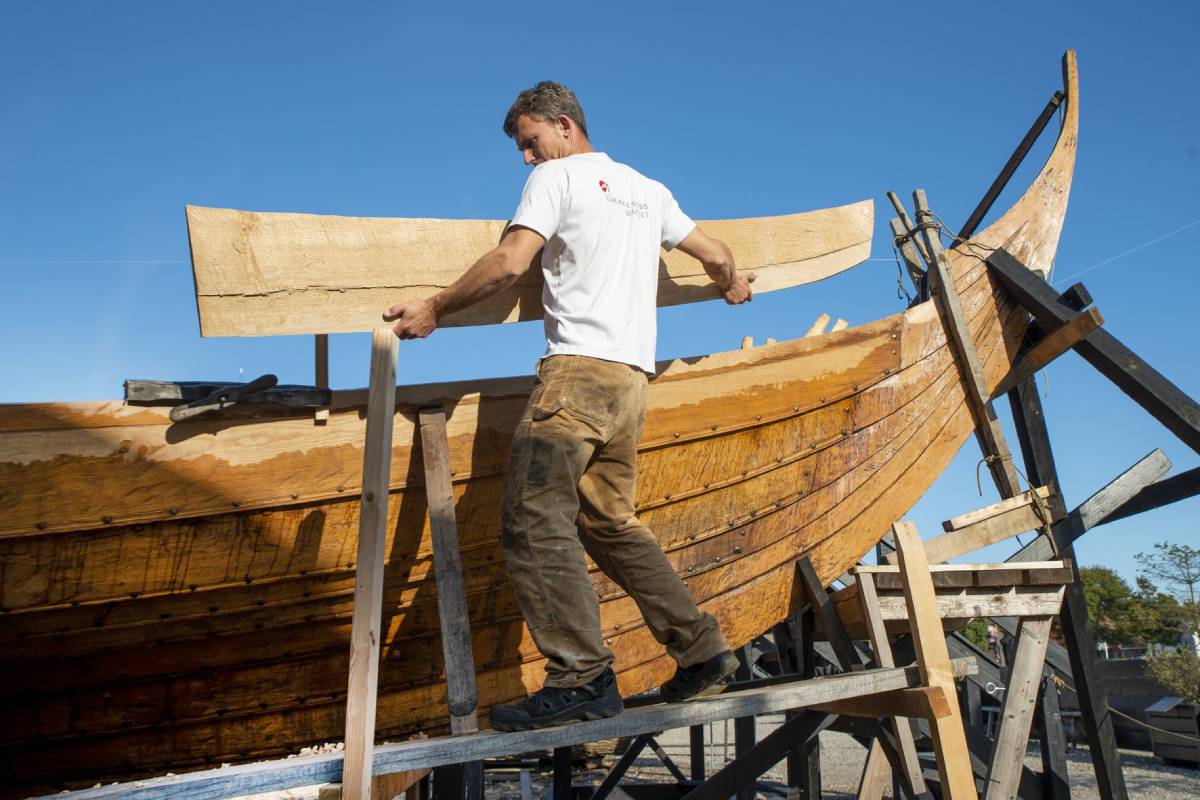
Construction on the new hall is scheduled to begin next year, with completion expected by 2030. Source: Roskilde Viking Ship Museum
Only the start
Construction of the new hall is scheduled to begin next year, with the work expected to last until 2030.
Although grants are already in place to construct a new exhibition building for the Skuldelev ships, additional funds are needed for the full transformation of the Viking Ship Hall.
The hope is that the project will help secure the legacy of the museum for future generations.
"Our main priority for the hall is to future-proof it against rising water levels, storms, and climate change," commented Kristoffer Kejser, head of the New Viking Ship Museum, on the museum's website.
"This is the prerequisite for the hall's fantastic space to be used for many years to come. The grant from Realdania means that we can fine-tune our plans for the hall's future without the Viking ships and become far more concrete."
We get to provide readers with original coverage thanks to our loyal supporters. Do you enjoy our work? You can become a PATRON here or via our Patreon page. You'll get access to exclusive content and early access.
Feel free to reach out to discuss potential stories that may be in the public interest. You can reach us via email at hello@thevikingherald.com with the understanding that the information you provide might be used in our reporting and stories.