

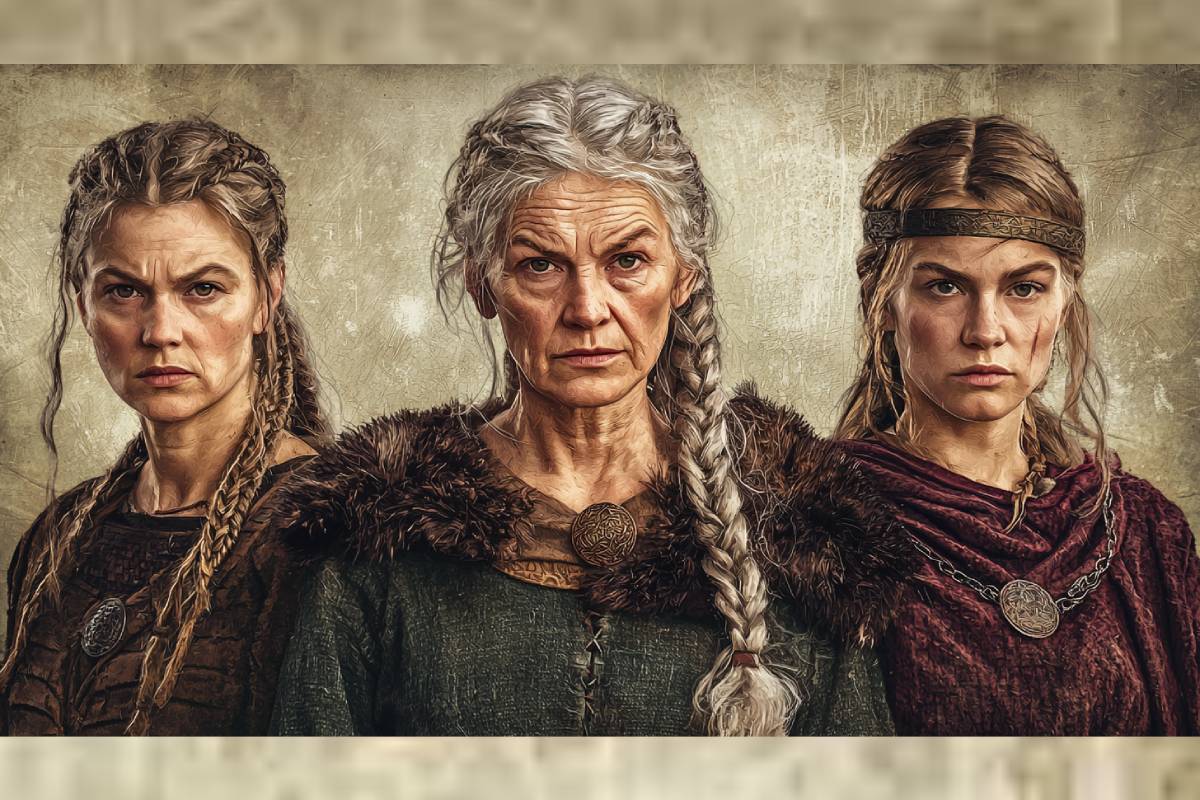
Though often overshadowed by their male counterparts, these women ruled, influenced, and fought in a world that rarely granted them power.
Their stories, woven from legend and history, reveal the remarkable ways they shaped the Viking Age and beyond.
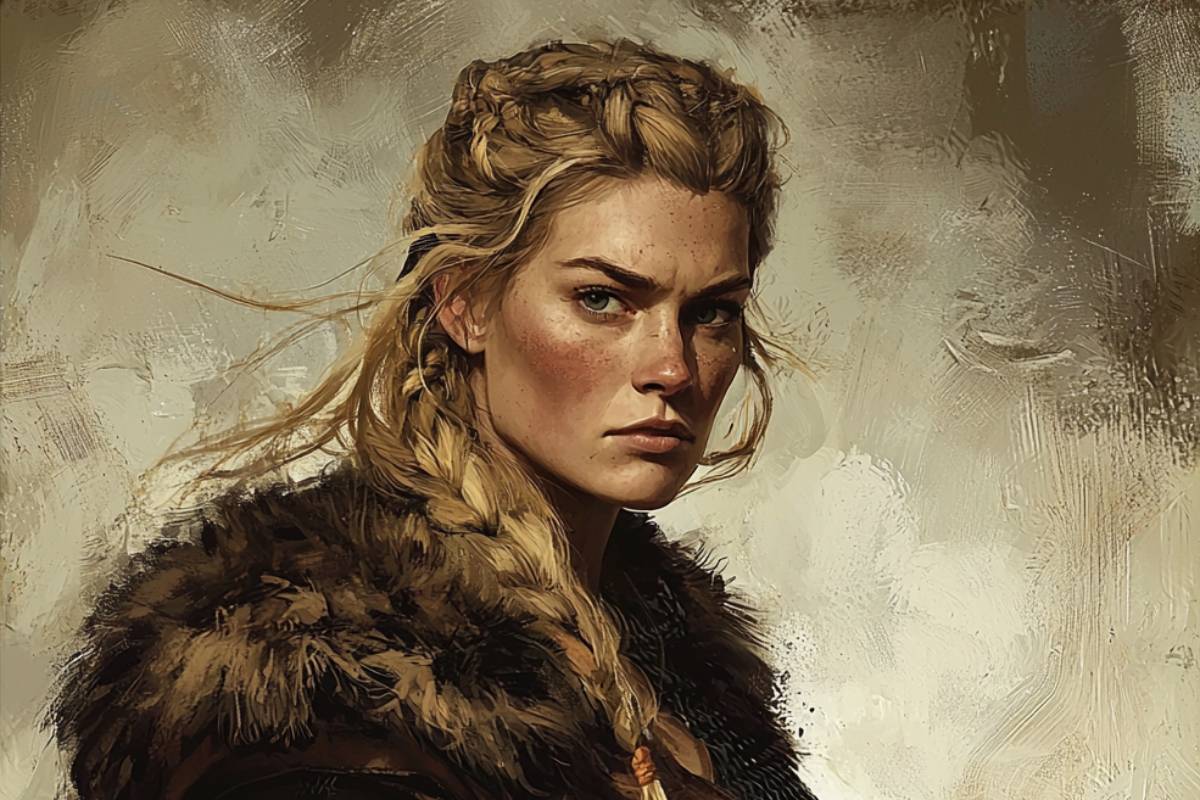
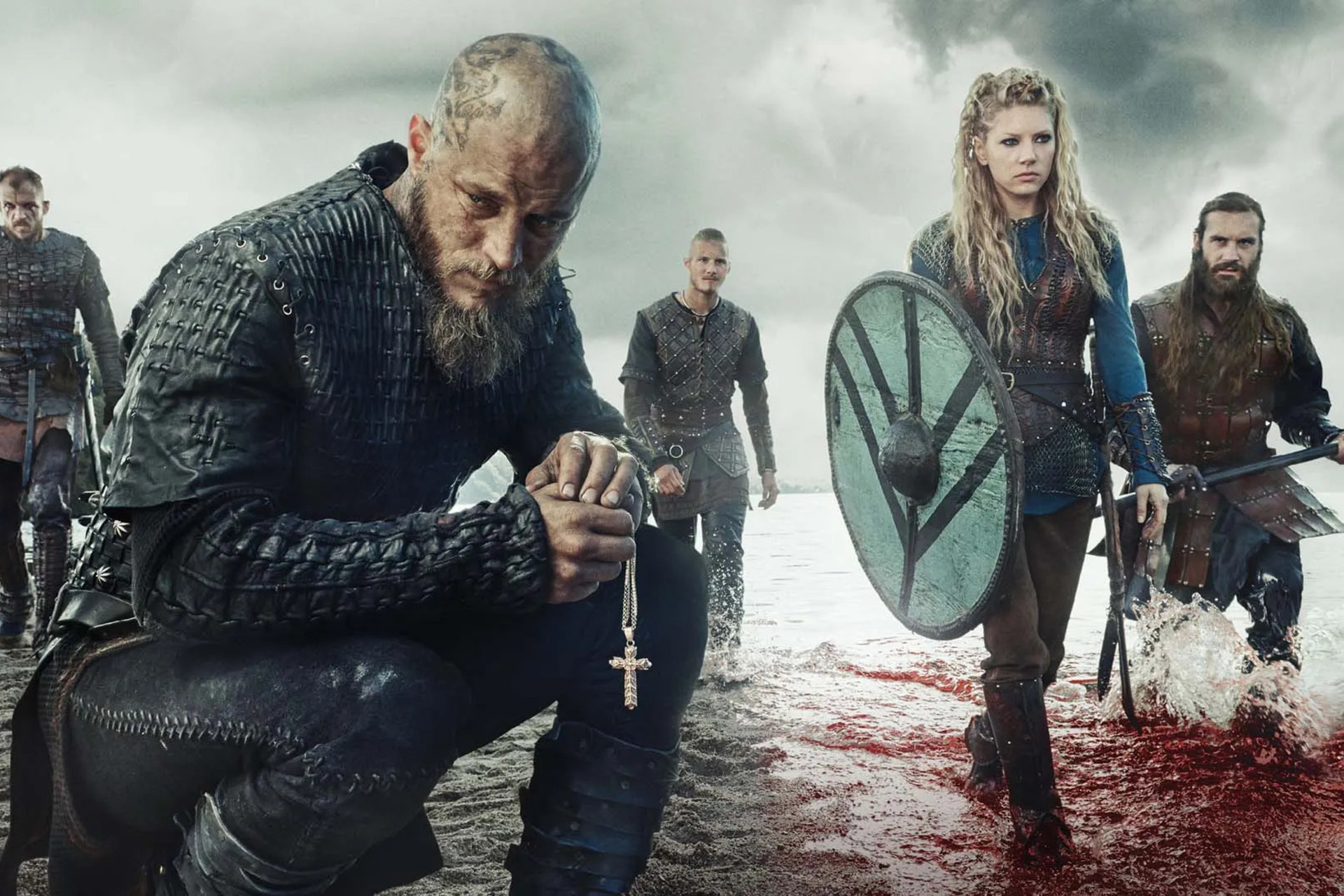
Whether real or mythical, Lagertha remains one of the most famous female warriors of the Viking Age. Illustration: The Viking Herald
Lagertha: Defiantly and deadly independent (mythical but c. 9th century CE)
Open any of the rich tapestry of the Norse sagas, and you'll find a whole host (or should that be "horde" – if you'll pardon the Viking pun) of crazy, colorful, and memorable characters.
Surely, one of the most memorable is Lagertha, who is said to be a mighty shieldmaiden.
The historian Saxo Grammaticus recorded her story in the 12th-century chronicle Gesta Danorum. The best description of her comes from Book IX, where Grammaticus describes her as:
"...a skilled amazon, who, though a maiden, had the courage of a man, and fought in front among the bravest with her hair loose over her shoulders. All marvelled at her matchless deeds, for her locks flying down her back betrayed that she was a woman..."
It was her skills as a warrior that impressed the legendary warrior (and even more legendary king of Denmark) Ragnar Lothbrok.
Academics believe he is a slightly more historical figure than Lagertha but still steeped in myth and legend.
Part of this legend revolves around their courtship, which involves Lothbrok murdering a pet bear and dog (not exactly chocolate and flowers, but hey, whatever floats your medieval boat).
The two marry, but a settled life is not for Lagertha, although they have three children together.
Ultimately, Lothbrok is drawn back to his Danish kingdom, but Lagertha decides she will go her own way and the two separate.
Her defiant, feisty, and warlike attitude is very atypical of literary depictions of women throughout the medieval period.
Her legend lives on thanks to a modern depiction of her in the series Vikings, which has seen a whole new generation fall in love with her badass attitude and independent nature.
As Terri Barnes writes in her 2019 article in the journal Medieval Warfare, whether she truly existed or not, "the fact she was likely a Scandinavian folk heroine and not a real person doesn't seem to matter." Long may her popularity continue.
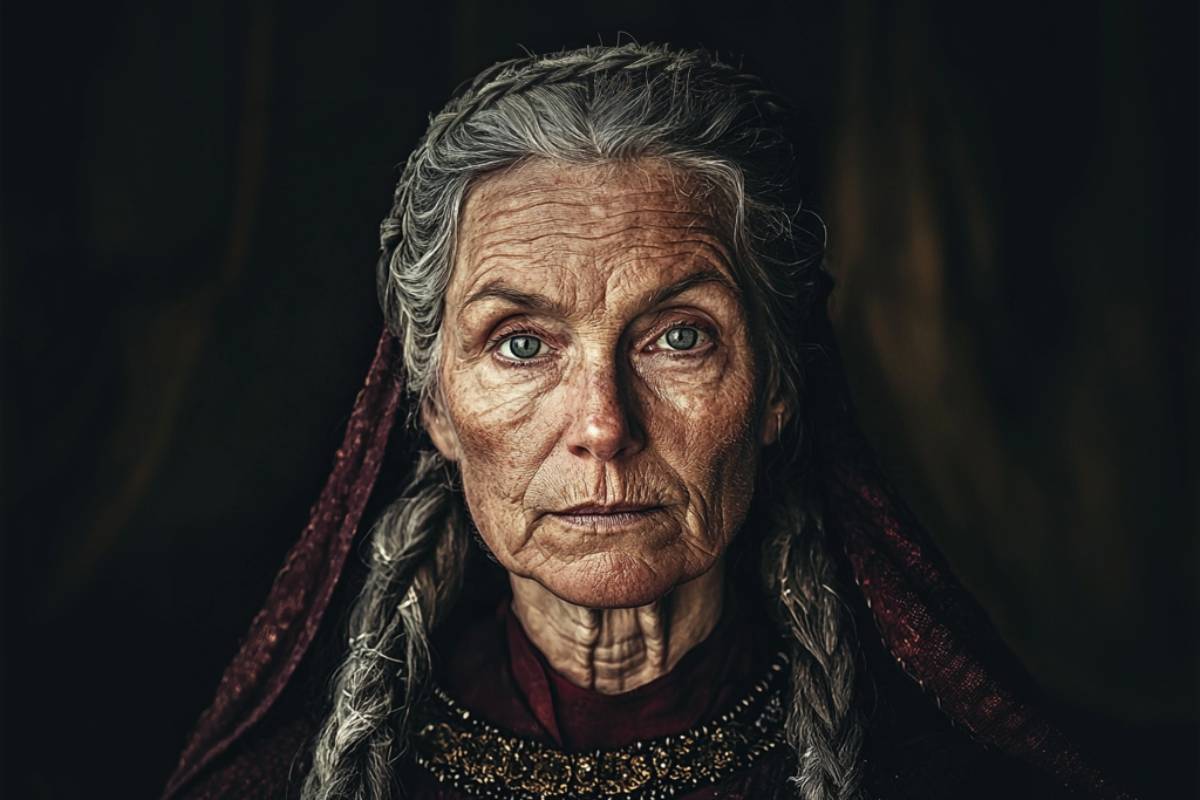
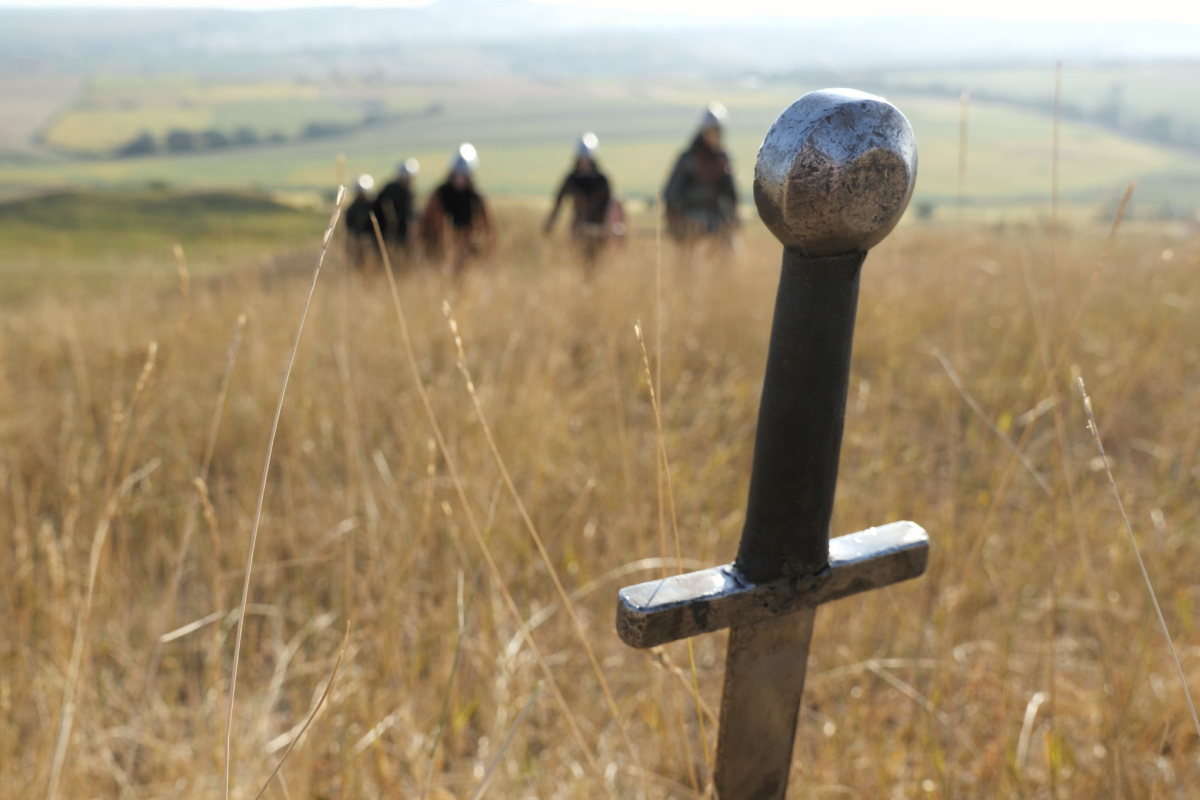
Danish medieval sources praise Thyra for her wisdom and military foresight, though details of her life remain uncertain. Illustration: The Viking Herald
Thyra: Queen of a nation (early 10th century CE)
It was only last year that Danish Queen Margrethe II shuffled off into a well-deserved retirement after over 52 years of throne-sitting, handshaking, and being a national icon of the small Scandinavian country.
Margrethe is just the latest Danish queen in a monarchy that stretches deep into the early medieval period and is a 20th-century successor to one of the first known Danish queens, Thyra.
Sometimes called the "Mother of the Danish Nation," Thyra was – according to later Danish medieval chroniclers – said to have been the daughter of Æthelred I, king of Wessex, though this claim remains debated.
As is sadly always the case when it comes to the lives and times of women in the pre-modern era, we know frustratingly little of her early life.
What we do know comes through her relationship with her husband and son.
The first king of a unified Danish nation was Gorm, who ascended to the throne around 936 and married Thyra. Their union produced a son – Harald (he of Bluetooth fame).
Gorm commemorated Thyra by raising the Jelling 1 stone in her memory, while Harald later erected the larger Jelling 2 stone, honoring both his parents and proclaiming his own achievements.
She must have left some impression on the young Harald, as it is not exactly common to have a runestone raised in honor of your parenting skills.
As Else Roesdahl writes in her 2013 article in the journal Early Medieval Art and Archaeology in the Northern World, the runestones read:
"King Harald commanded these monuments made in memory of Gorm, his father, and in memory of Thyra, his mother; that Harald who won for himself all of Denmark... and Norway... and made the Danes Christian."
We know little of her queenship or rule other than that she was said to have been responsible for strengthening the Dannevirke, a series of fortifications that solidified the southern flank of the burgeoning Danish kingdom.
That she would oversee such a militarily strategic operation is fascinating in an era where queen consorts were often thought of as little more than "arm candy."
The exact date of Thyra's death remains uncertain. She is generally believed to have died before Gorm, as suggested by the Jelling 1 stone, which he raised in her memory.
However, dendrochronological dating of wooden artifacts from the northern Jelling mound – traditionally associated with Thyra – suggests that if this was indeed her grave, she could have died as late as 959–960.
Some scholars have even proposed that Thyra may have been more powerful than Gorm, given her burial in the larger of the two mounds at Jelling.
Whatever the case, she remains a powerful and mythic maternal figure for Danes down through the ages.
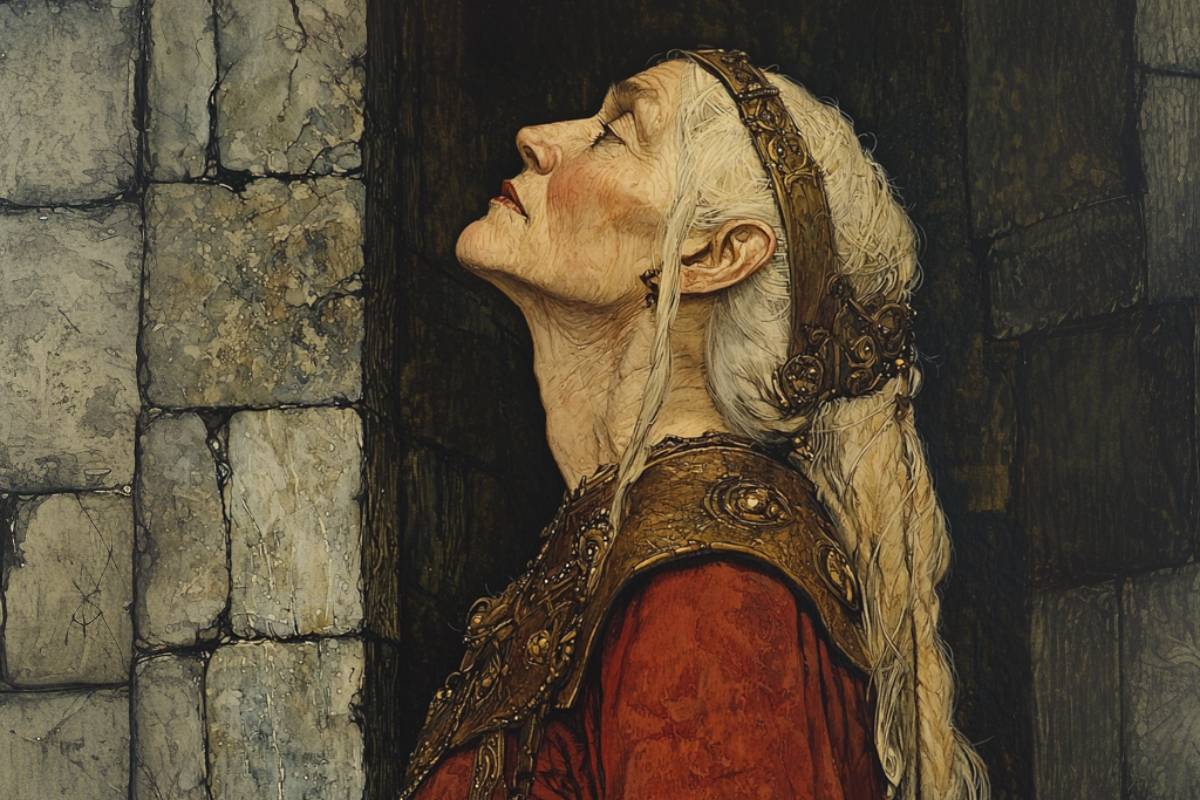
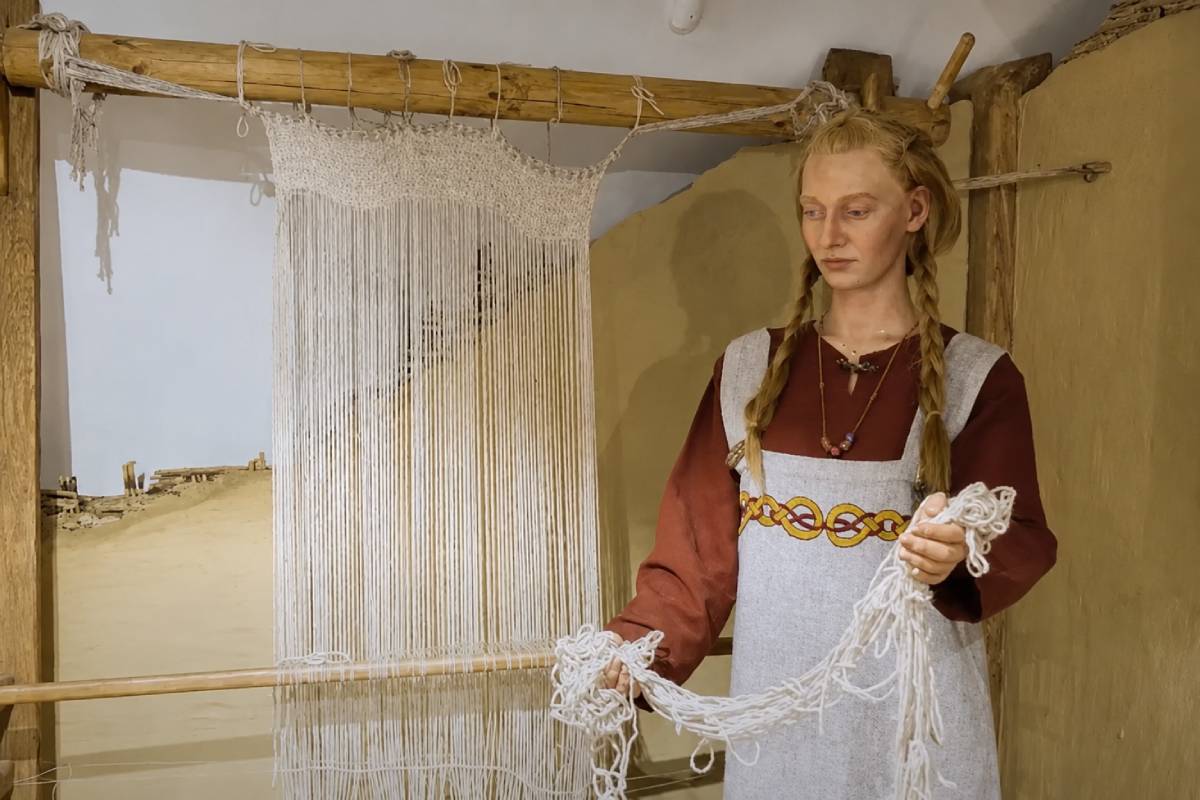
Remembered as both a queen and a sorceress, Gunnhild was a key player in Viking politics. Illustration: The Viking Herald
Gunnhild: Dabbling in the dark arts of power (10th century CE)
According to the sagas, in addition to Gorm and Thyra producing a son (Harald Bluetooth), their union also produced a daughter who would become known as the "Mother of Kings."
Gunnhild Gormsdóttir – to give her proper name – was said to have been born around 910 and possibly lived into her 70s – an ancient age in the pre-modern period when life expectancy was a few decades at best.
We first hear of her being married off to Eric (later dubbed Bloodaxe), who was of royal lineage further north in Norway.
Their union was supposed to cement the ties between the two families and burgeoning kingdoms and produced seven children, one of whom, Harald Greycloak, would follow in his father's footsteps and rule Norway.
Eric's rule in Norway did not quite work out, as he was said to be a tyrannical ruler who ruled with a heavy, iron, and very bloody fist.
The royal family was forced to flee to the Orkney Islands, with Gunnhild accused of using dark arts to manufacture somehow the death of Eric's rival and half-brother, Halfdan Haraldsson the Black.
Due to this reputation for being dangerous and dabbling in the dark arts, she became a nemesis of Egill Skallagrímsson, who would go on to paint a very negative picture of her in his poetry.
How accurate this was, we will never know – was this a hatchet job or a truthful representation? – but it has influenced how she is remembered centuries after her death.
However, they were not far from the center of power as Eric sailed southward to become the king of Jorvik. This Viking kingdom had superseded the old Anglo-Saxon Kingdom of Northumbria and was a major player in the early medieval British Isles.
Following Eric Bloodaxe's usurpation and death, she fled with her family again to the court of Harald Bluetooth.
She would spend her later years dominating her son's court, Harald Greycloak, in Norway before being exiled to Denmark and dying around 980 CE.
There was some speculation that the skeletal remains of a lady uncovered in a bog in Denmark may have been Gunnhild, but recent scientific testing has poured cold water on this theory.
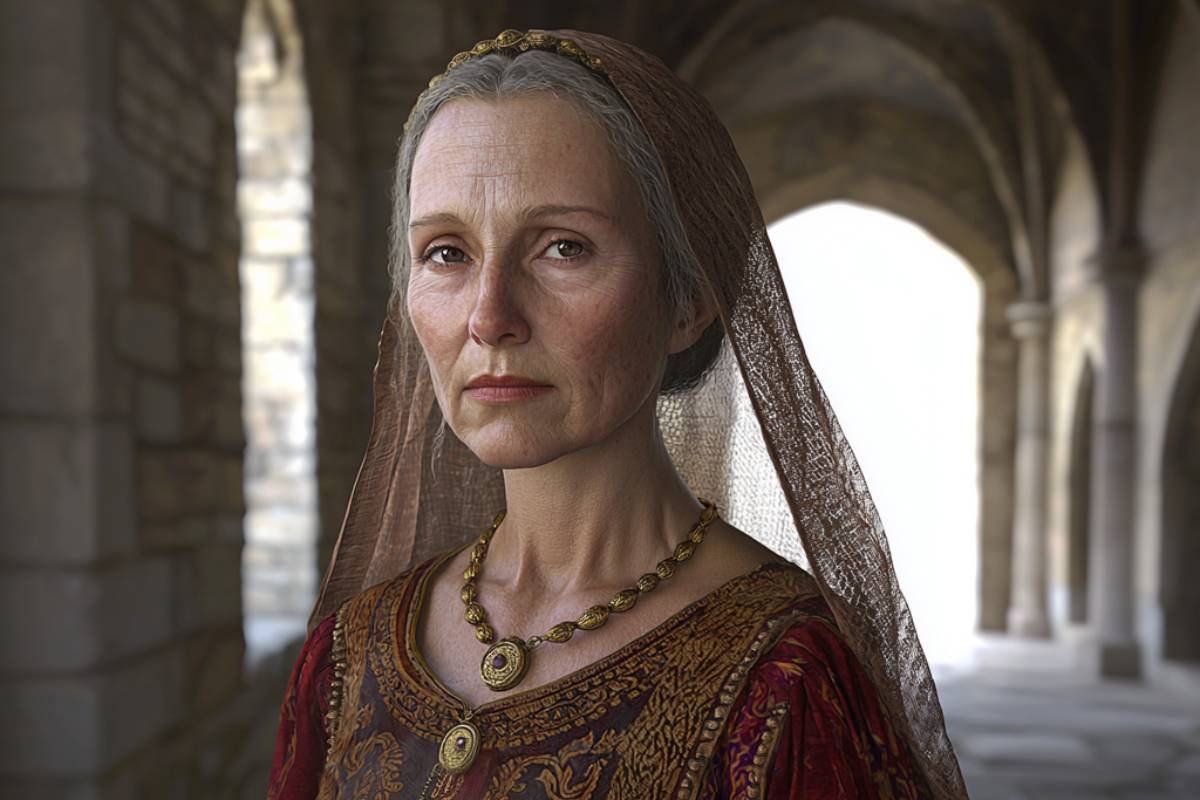
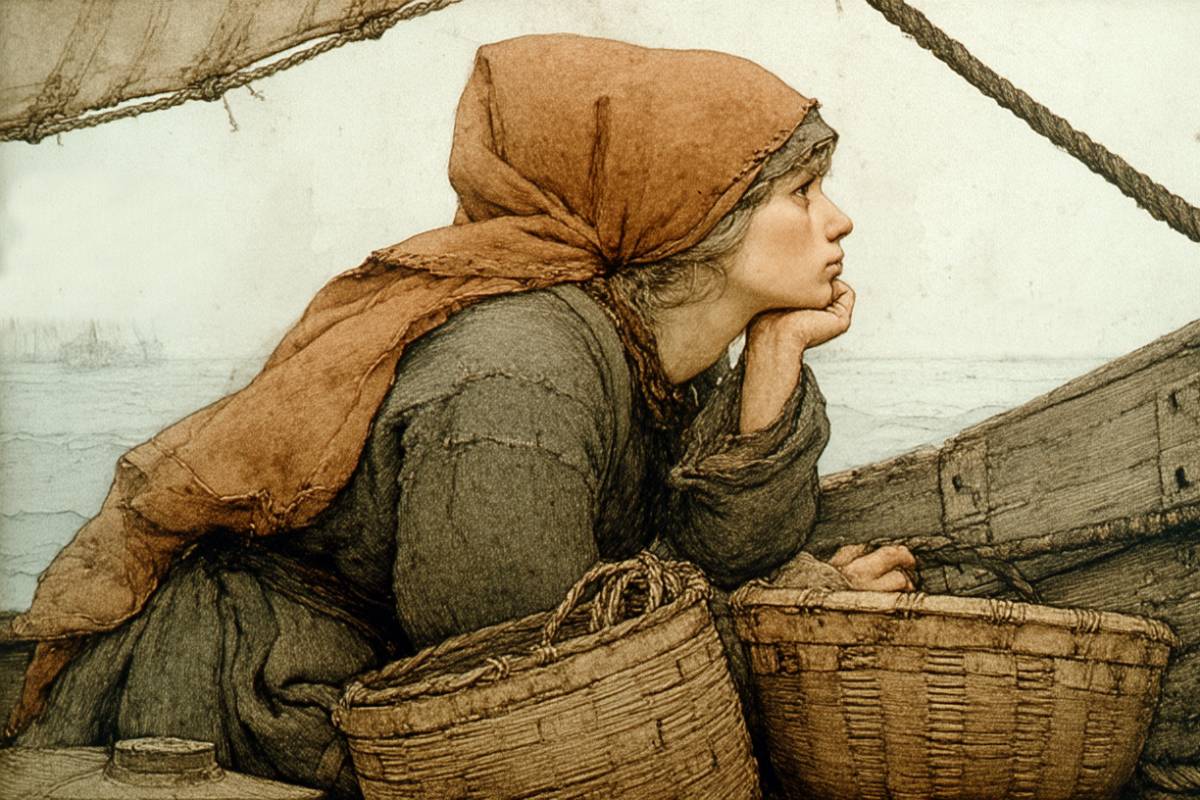
A political survivor, Emma navigated wars, invasions, and shifting alliances to secure power for her children. Illustration: The Viking Herald
Emma of Normandy: Linking the Anglo-Saxons, Normans, and Vikings (c. 985 – 1052 CE)
Unlike others in this list, Emma of Normandy was not born into a Viking society, but her life was deeply intertwined with Viking rulers and their legacy.
She links three different cultures – those of the Anglo-Saxons, the Normans, and Viking societies. It is through Emma that these three cultures could be connected.
Born around 985 (an exact date is unclear), she was brought up in the Norman court, as her parents were the rulers of the recently established Duchy of Normandy.
Though she grew up in an independent political entity near the Frankish realms, there is no doubt that the flavor and spirit of the Norman court were still very much Viking.
It was only seven decades before that the duchy had been established and ceded to the Viking warrior Rollo.
Since its inception, Normandy became a thorn in the side of the English (and remained so long after the last Viking ship ever sailed).
To pacify these Normans, a marriage was proposed between the English king Æthelred (later dubbed "the Unready") and Emma.
Marrying in 1002 CE, their union resulted in three children, including a future king of England and saint, Edward (given the moniker in his later life, "the Confessor").
Yet poor old Emma was in the right place at the wrong time. Despite having ascended to the throne of England, this was always going to be a jealously sought-after prize.
The invasion led by the Danish Viking king Sweyn Forkbeard saw Æthelred up sticks and flee, along with Emma and their young family, to the safety of Normandy.
Æthelred then died a few years after the invasion, and Emma was forced to champion one of her sons for the throne despite Edmund Ironside winning it.
Despite Forkbeard's sudden death – having forged the North Sea Empire – it was his son Cnut who sailed over, killed Ironside, and won Emma's hand in marriage.
Whether there was any love between the two is up for debate, but academics tend to think the marriage was an attempt to secure a link between the recent Viking arrival and the ancient Anglo-Saxon past.
She would also give birth to Cnut's son and successor, Harthacnut, one of five children she bore in her lifetime.
Her later life saw two of her sons – Harthacnut and later Edward – reign in England. She remained a vital link between the Anglo-Saxon, Norman, and Viking spheres of influence.
Her death in 1052 CE came in the dying embers of the Viking Age, and her unique role as a queen, mother, counselor, and cultural bridge remains unparalleled in early medieval history.
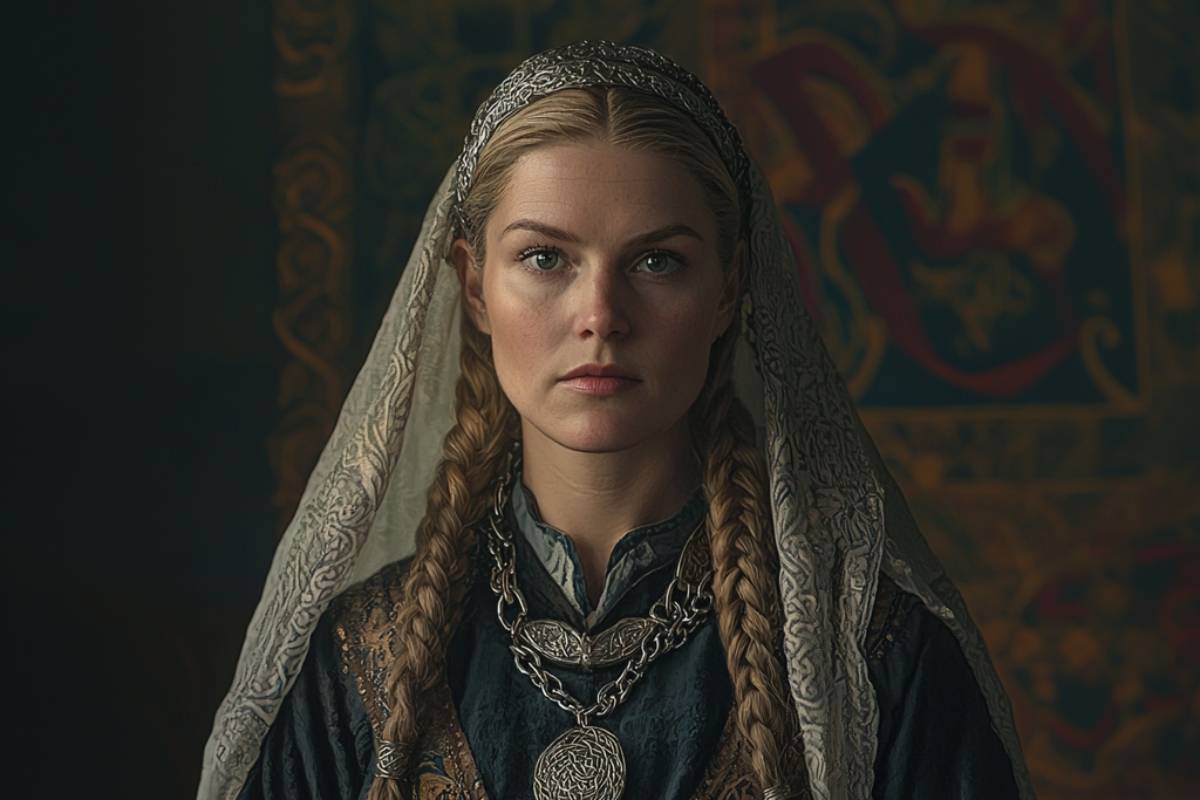
Ellisiv’s life connected the powerful Viking, Kievan Rus, and Byzantine worlds of the early medieval period. Illustration: The Viking Herald
Ellisiv of Kiev: East meets west (c. 1025–1067 CE)
Nowadays, we think of Eastern Europe as its own unique cultural, linguistic, and societal bloc.
However, during the early medieval period, it had more in common with Northern Europe, particularly the Viking homeland of Scandinavia, than with regions further east.
The Kievan Rus, the second-largest polity for much of the early medieval period, had been traditionally founded by Vikings and saw a small Viking elite rule over a multiethnic and multireligious population.
By the late 1020s, all power in the Kievan Rus was vested in a Grand Prince of Kiev, Yaroslav. His daughter, Ellisiv, would go on to be a bridge between the Kievan and Viking worlds as she was married off at the early age of 15 to the man who would become Harald Hardrada.
Ellisiv's husband had been forced into exile in the Kievan Rus after fighting on the losing side at the Battle of Stiklestad, where his brother, Olaf II (later Saint Olaf), had died.
In exile, Hardrada amassed great wealth, power, and prestige and was employed as a leader in the Byzantine emperor's Varangian Guard further south.
It was his wallet and warrior skills that proved to be popular with the Kievan Rus elite.
He was intent on journeying back to his homeland to secure the throne, and his marriage to Ellisiv secured Kievan backing for his quest.
By 1048, Harald had secured the Norwegian throne and would then, within two decades, launch an even more ambitious conquest of England.
He would fall at the first hurdle, beaten by Harold Godwinson at Stamford Bridge in 1066 CE in one of the biggest upsets in medieval history.
Following her husband's death, we know little of Ellisiv's later life other than that one of her daughters became the queen of Denmark and Sweden through marriage.
Despite Ellisiv being a rather obscure figure, she remains important as a symbol of the cultural and political links that connected Scandinavia and Eastern Europe during the Viking Age (c. 750–1100 CE).
Whilst the early medieval period is – if we read the chronicles or the sagas – very much a man's world, it is worth remembering that these five Viking queens operated in an era of – by today's standards – widespread misogyny and sexism.
Each forged her own path and should be remembered as a powerful figure whose story helped pave the way for later medieval women... and queens.
For more information on women in the Viking Age, visit Denmark's National Museum here.
We get to provide readers with original coverage thanks to our loyal supporters. Do you enjoy our work? You can become a PATRON here or via our Patreon page. You'll get access to exclusive content and early access.
Feel free to reach out to discuss potential stories that may be in the public interest. You can reach us via email at hello@thevikingherald.com with the understanding that the information you provide might be used in our reporting and stories.