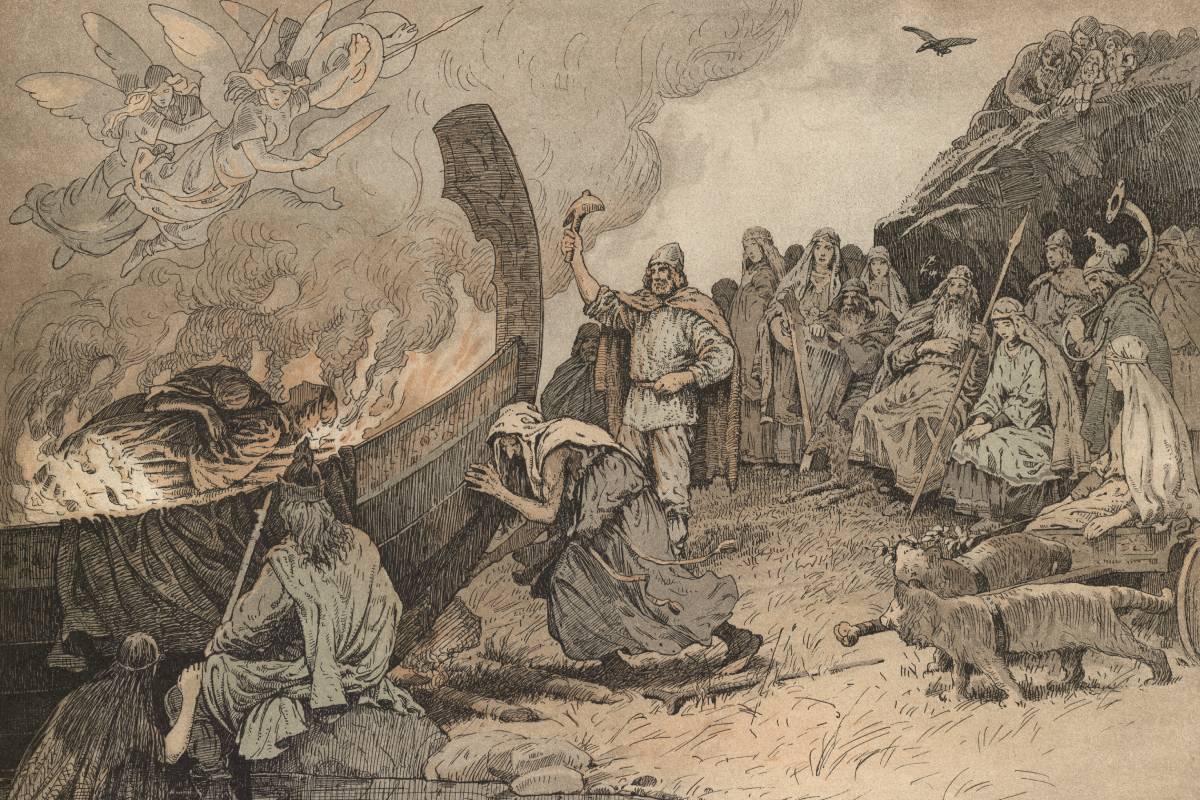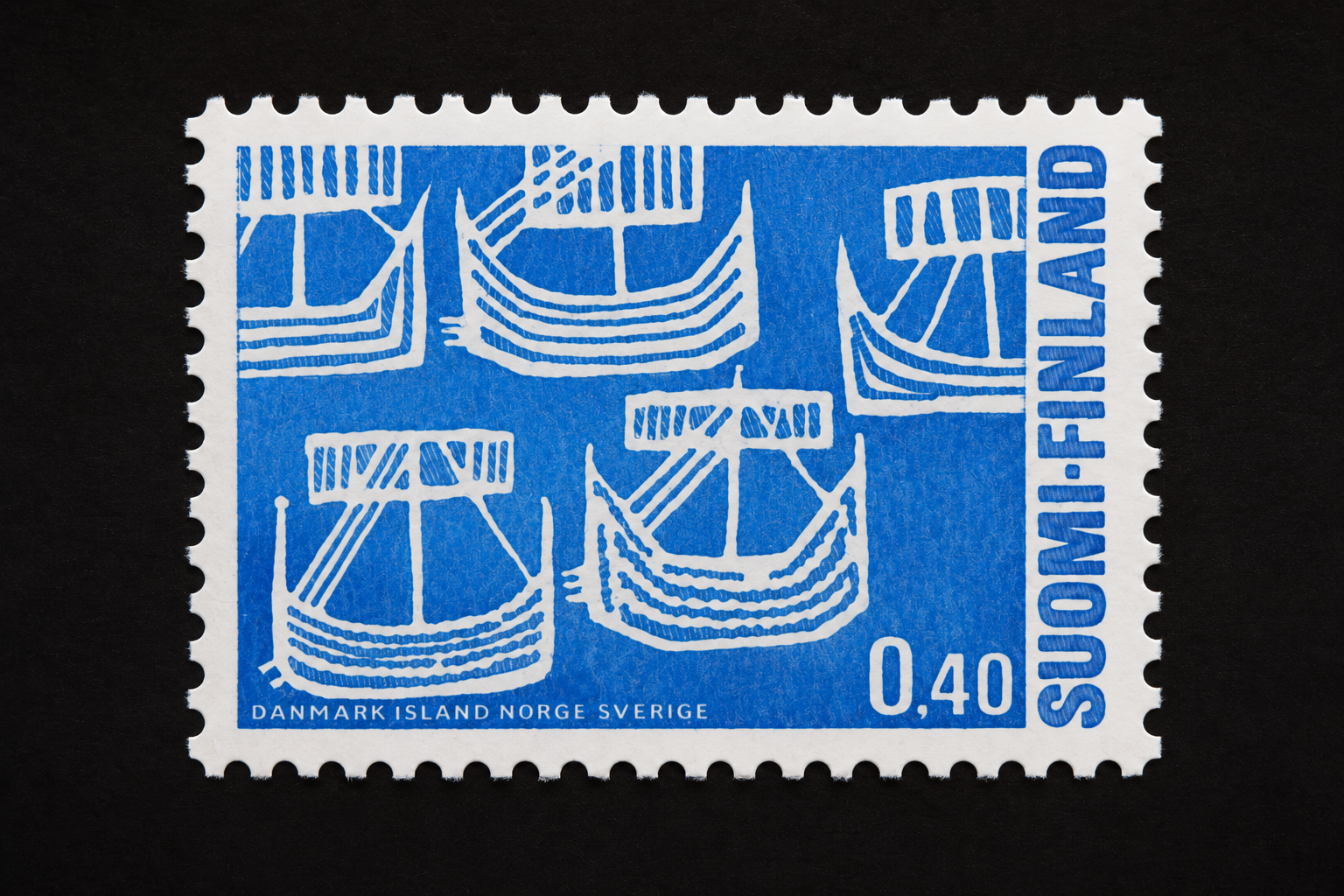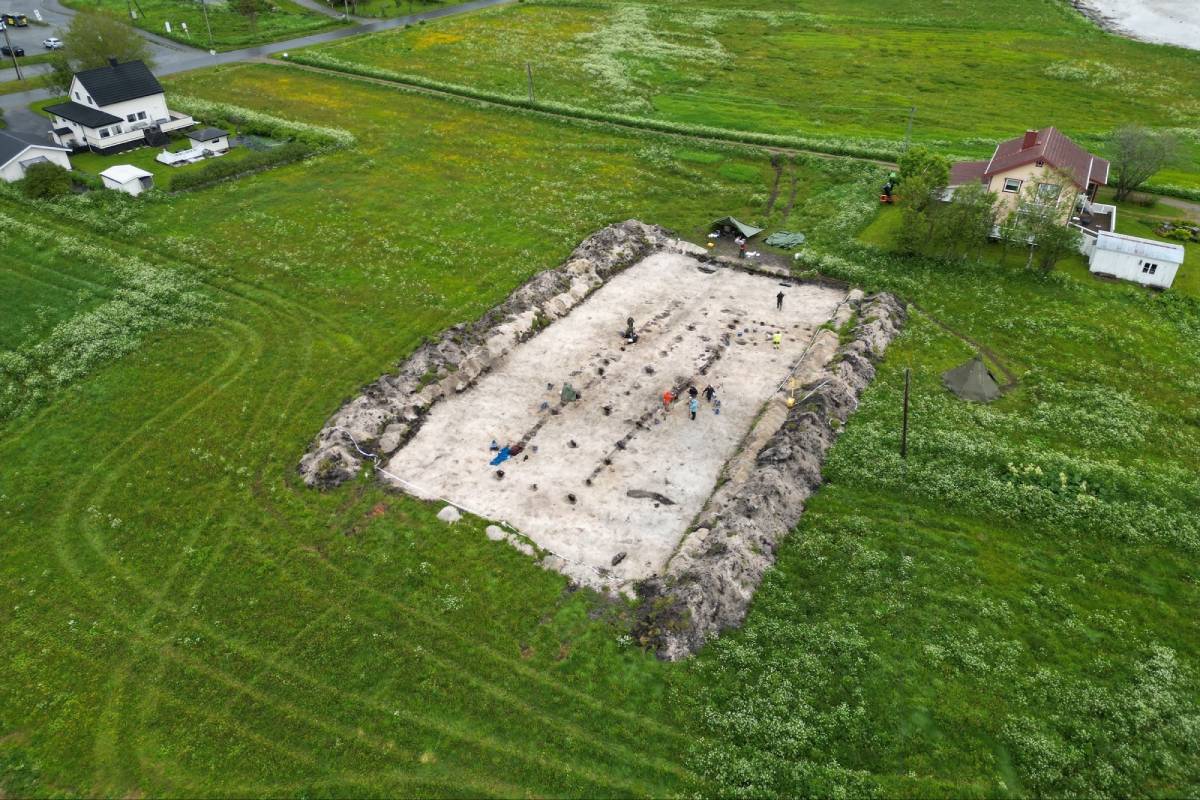



Some of the most spectacular artifacts and pieces of archeological gold have been uncovered in Scandinavia over the course of the past few centuries by a mixture of professionals and amateurs.
As Scandinavia now enjoys the (fleeting) warm embrace of the sun, it is a great time to head outdoors, get some fresh air, and try to uncover your own slice of Viking history.
Thanks to recent technological advances, from drones to metal detectors, there has never been a better time to become a weekend Indiana Jones and try your hand at some amateur archeology.
Whilst Hollywood movies would lead us to believe that most archeology occurs somewhere hot and dangerous (with a few snakes thrown in), the truth is that Scandinavia is a great place to undertake some amateur archeology.
The warmer months, from April to around October, are cool and pleasant, making them the perfect temperature for spending a whole day outdoors.
Even in summer (June to August), temperatures rarely go beyond 30 degrees Celsius, and if they do, it's the perfect excuse for a wander in the forest or a dip in the lake or fjord.
Unlike other regions of Europe, Scandinavia is relatively underpopulated yet possesses an impressive history spanning thousands of years.
The narrative of modern Scandinavia begins in the early medieval period, specifically during the Viking Age (c. 750 – 1100).
This era provides a rich backdrop for the countries of Denmark, Norway, and Sweden, making them ideal locations to search for Viking artifacts. Even better, you won't have to contend with large crowds of tourists or locals!
Before you embark on your quest to find Viking treasure, let's explore the essential information you should know about amateur archeology in Scandinavia.
- READ MORE: Top Viking discoveries of 2023

Many areas that could contain Viking artifacts, such as Birka in Sweden, are protected by local authorities and may require permits for exploration. Photo: Aastels / Shutterstock
Prior preparation and planning prevent p!ss poor performance
Whilst the above title was once barked at the author in high school by a teacher who used to be in the army, the sentiment (though a little rough) remains true.
As Brian Taylor wrote in his 1995 article in the British Journal of Sociology, "Preparation is key." Taylor writes that, first and foremost, one should delve into the pages of a book before delving into the earthy soil.
Familiarize yourself with all aspects of the Viking history of Scandinavia, including cultural, political, and social events.
Visiting museums and seeing firsthand some of the artifacts already uncovered in the region will help you better understand what you might uncover.
Having familiarized yourself with Viking history and culture, the next step is to find out where to search.
Whilst early medieval Scandinavia established the foundations of Viking societies, some areas may be worth focusing your energies on.
Former hubs of political power, such as Jelling in Denmark or Trondheim in Norway, offer promising starting points. Similarly, locations near historical centers of Viking commerce and trade – for example, Birka in Sweden – could also be great places to start digging.
Having identified where you want to start searching, you'll next need to think about equipment.
As the old Scandinavian saying goes, "There is no such thing as bad weather, only bad clothes." Whilst Scandinavian summers may be balmy, they are also famously temperamental.
Make sure you wear sturdy and comfortable boots, gloves, and weather-appropriate clothing. Also, bring adequate water and sustenance (archeology can be a hungry venture, or so I'm told).
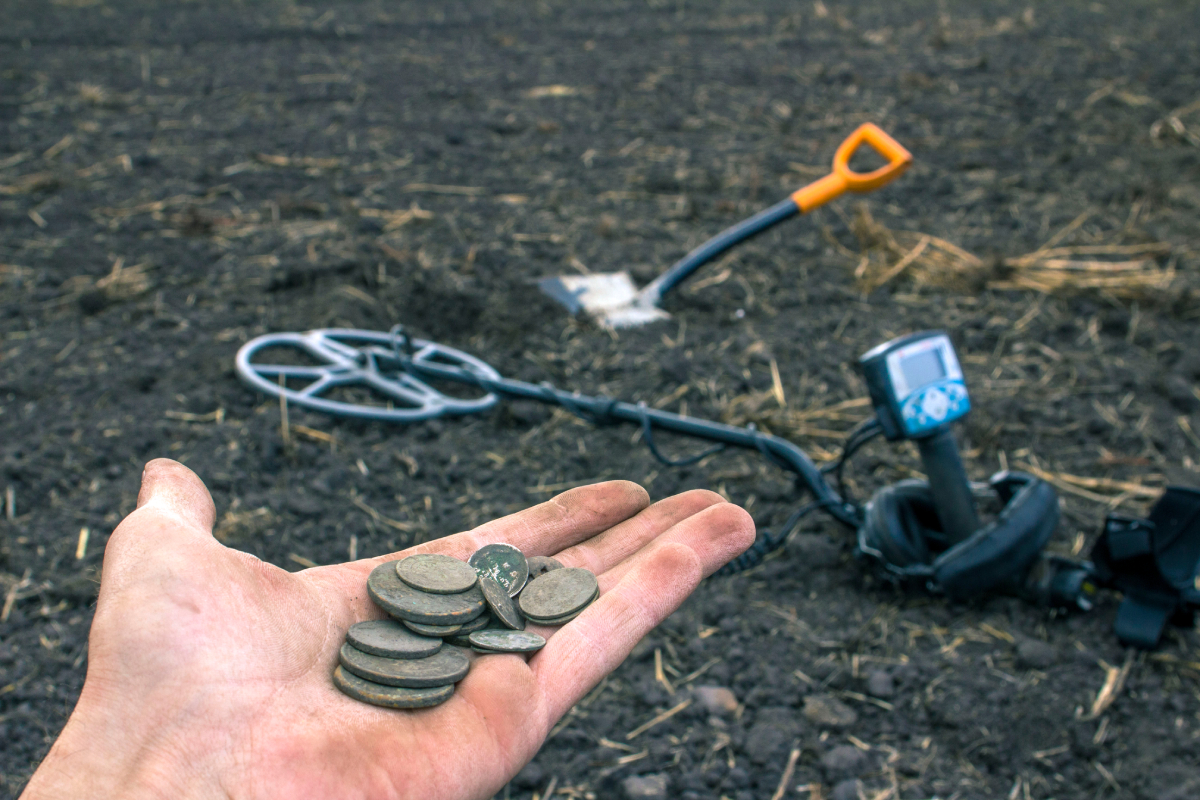
Each Scandinavian country has specific regulations regarding soil disturbance and the use of metal detectors by amateur archeologists. Photo: Denis Torkhov / Shutterstock
Following the rules and being ethical
The next step, and in many ways the most important, is to familiarize yourself with local rules, regulations, and laws.
Scandinavia comprises three different countries – Denmark, Norway, and Sweden – each with its own legal code.
Furthermore, each of these countries has varying levels of local or communal laws, guidelines, rules, and regulations for anyone wanting to try their hand at amateur archeology.
Many of the areas that may house Viking artifacts, like Birka in Sweden, are protected by local authorities. You may need to apply for a permit to use a metal detector or to travel through certain areas that may be private property.
For those wanting to conduct amateur archeological searches that may involve disturbing the earth, each Scandinavian country has different rules and regulations.
Though much information about local laws and rules can be found online, it is also worth collaborating with local experts or guides.
Remember that wherever you decide to search for Viking artifacts, you are exploring society and culture that has long since passed.
As Julie Lund and Søren M. Sindbæk wrote in their 2022 article in the Journal of Archeological Research, archeology must be conducted ethically.
What seems to be a bucolic field may have been the former site of a battle, so be careful and treat the area with caution and respect. The artifacts uncovered once belonged to human beings, and their remains may be close by.
Scandinavia is famous worldwide for its respect for the environment. Avoid digging around protected areas, such as national parks or reserves, and be responsible and respectful when using your metal detector or trowel.
Do not damage the environment and try to leave it as undisturbed as possible.

A metal detectorist in Norway found a treasure of nine gold pendants, ten pearls, and three rings in 2023, totaling over 100 grams, dating back 1,500 years. Photo: Anniken Celine Berger / NTB / Arkeologisk museum
Record and have fun
Should you be lucky enough to strike archeological (or literal) gold, record every detail.
Notes should be made of the approximate location, and photos of the artifact and area should be taken as well. Documentation is key. Local authorities should then be contacted.
In some cases, you may be able to keep your artifact or be financially rewarded for it.
Be warned that any artifact is seen as an intrinsic part of the culture and history of the Scandinavian country in which it was found.
Do not assume that you'll be able to keep it, as it may, more than probably, end up on display in a museum for all to see.
Denmark, Norway, and Sweden all have export bans on historical and cultural artifacts, with some exceptions. Breaking these bans can involve heavy fines, prosecution, and jail time.
Finally, remember that despite the amount of time spent planning and preparing for your search, this is supposed to be fun. Relax, have a great time, and get your hands dirty trying to reconnect with Viking societies, centuries after the last Viking ship ever sailed.
For more information on a recent Viking discovery by an amateur archeologist, visit Art News here.
We get to provide readers with original coverage thanks to our loyal supporters. Do you enjoy our work? You can become a PATRON here or via our Patreon page. You'll get access to exclusive content and early access.
Feel free to reach out to discuss potential stories that may be in the public interest. You can reach us via email at hello@thevikingherald.com with the understanding that the information you provide might be used in our reporting and stories.