

Nordic design, known for its soft palette and minimalist aesthetic, is celebrated and embraced the world over as the epitome of chic coolness.
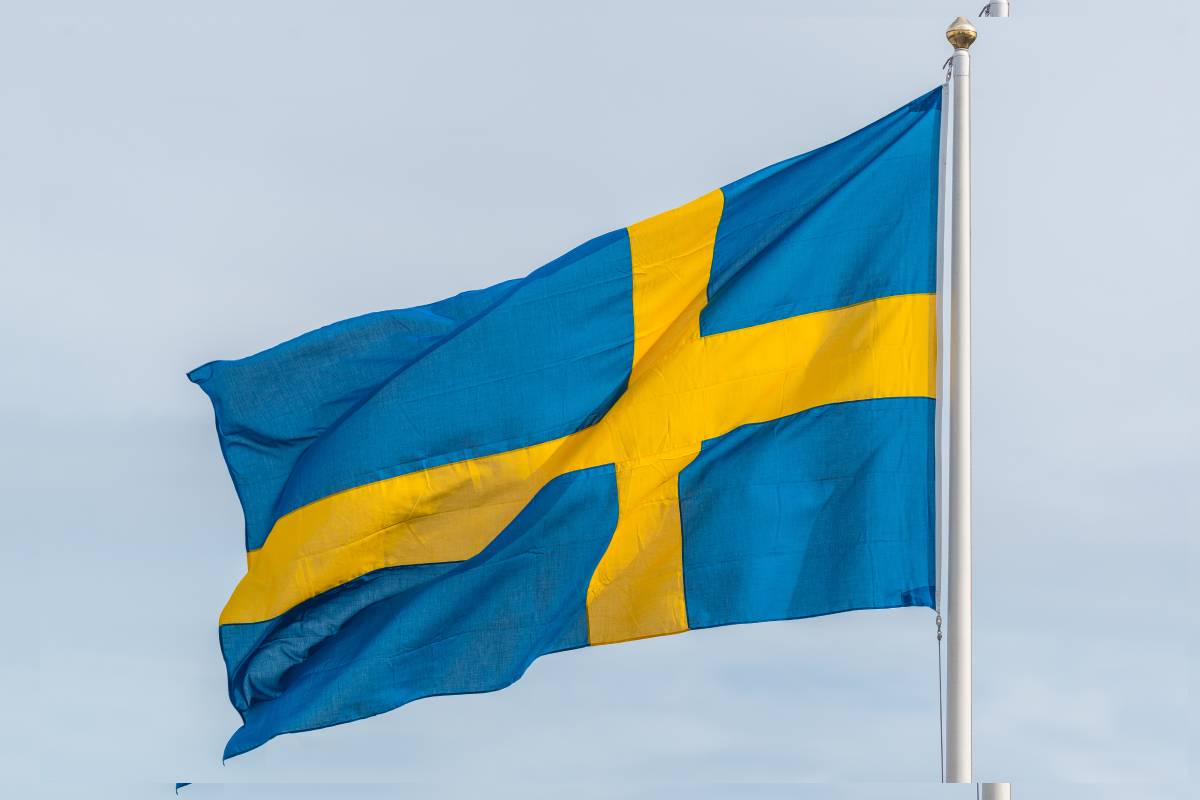
However, a glance at any of the Nordic nations' flags will show that they are brimming with bright primary colors, from the red of Denmark to the blue and yellow of Sweden to the navy blue that is emblazoned on a part of Norway’s flag.
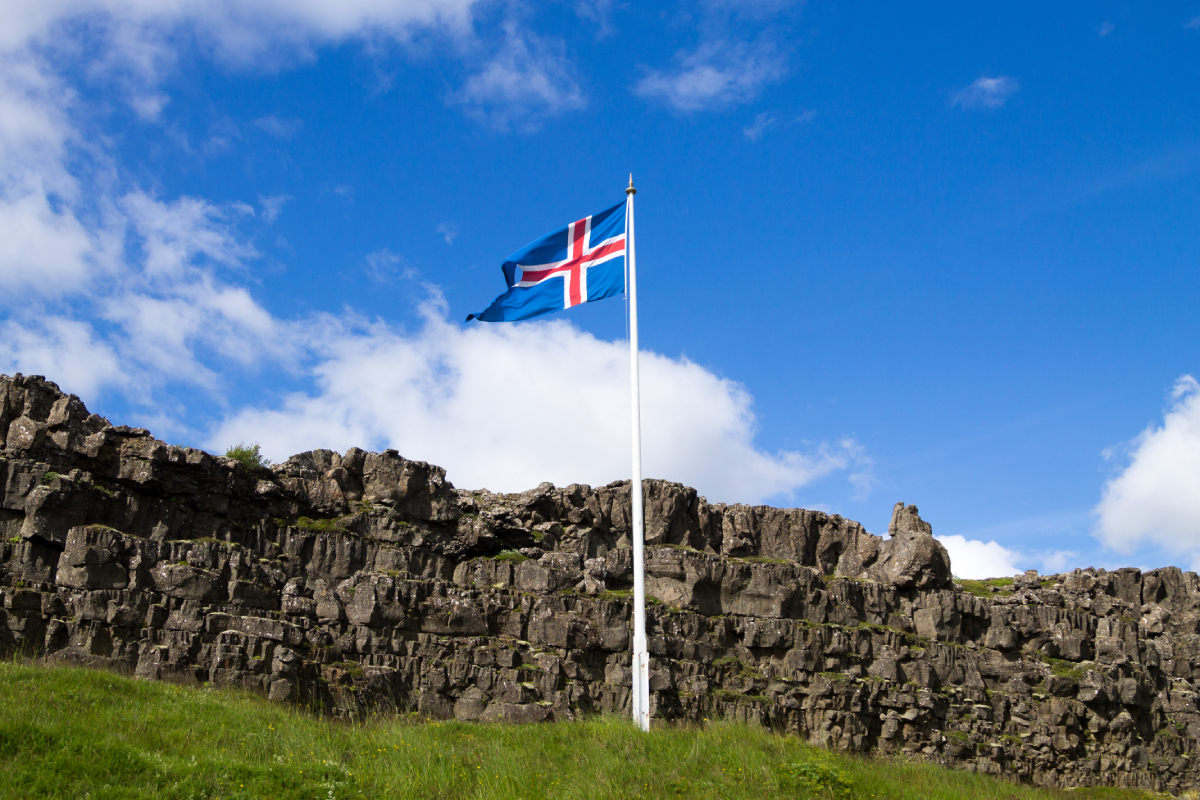
The tiny nation of Iceland, a rocky outcrop cast adrift from the European mainland, is another case in point. A glance at its unique flag reveals a brilliant shade of blue and red mixed with white.
Despite the national flag of Iceland bearing some similarities to other Nordic nations—it features the same Nordic cross found on all Nordic nations' flags—the choice of colors is said to be unique.
Since Iceland became a republic on June 17, 1944, the nation has adopted a flag that features a blue field with a white-edged red Nordic cross emblazoned on it.
The design is credited to Icelandic artist Matthías Þórðarson and has been embraced by all Icelanders as a proud symbol of their island nation.
A history that is intertwined with other Nordic nations
The national flag of Iceland, in its current form, was not the first flag to symbolize the nation.
The history of the Icelandic flag dates to a 13th-century legend that tells of the Dannebrog (a red cloth with a white cross) miraculously falling from the sky, giving the Danes the impetus they needed for victory at the Battle of Lyndanisse in 1219.
Since then, wherever Danes raided, traded, colonized, or settled, the use of this cross—dubbed the "Nordic cross" (a symbol of Christianity)—spread throughout the Nordic territories as a symbol of divine right, favoritism, and Christian faith.
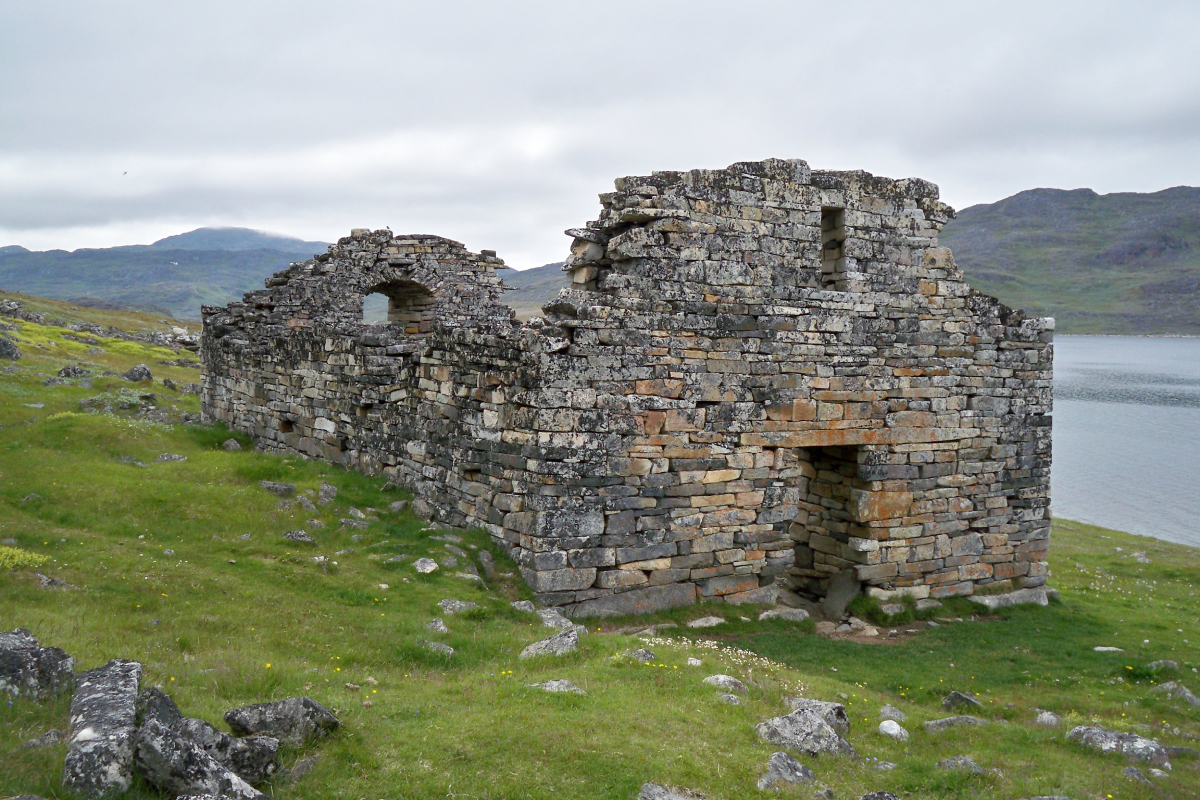
Iceland was first settled by people from Viking societies during the late 9th and early 10th century CE.
It would be an independent nation, the so-called "Icelandic Commonwealth," for much of the early medieval period, before eventually being absorbed by the Kingdom of Norway during the 13th century.
After the creation of the Kalmar Union—a personal union of the kingdoms of Denmark, Norway, and Sweden, including their territories and possessions—Iceland fell under direct Danish rule.
Confusingly, it remained a Norwegian "possession" in name. This arrangement lasted until "home rule" was granted in 1874.
For the next half-century, Icelanders paraded with a national flag that featured a white cross emblazoned on a blue background. It was not until 1915 that a red cross was inserted into the design.
There is no official explanation for the choice of colors. However, unofficially, the blue is said to represent the many mountains of Iceland, the white the snow that blankets the nation every winter, and the fiery red the volcanic fire produced by the rocky country’s multitude of volcanoes.
- READ MORE: The Viking history of Iceland – A primer
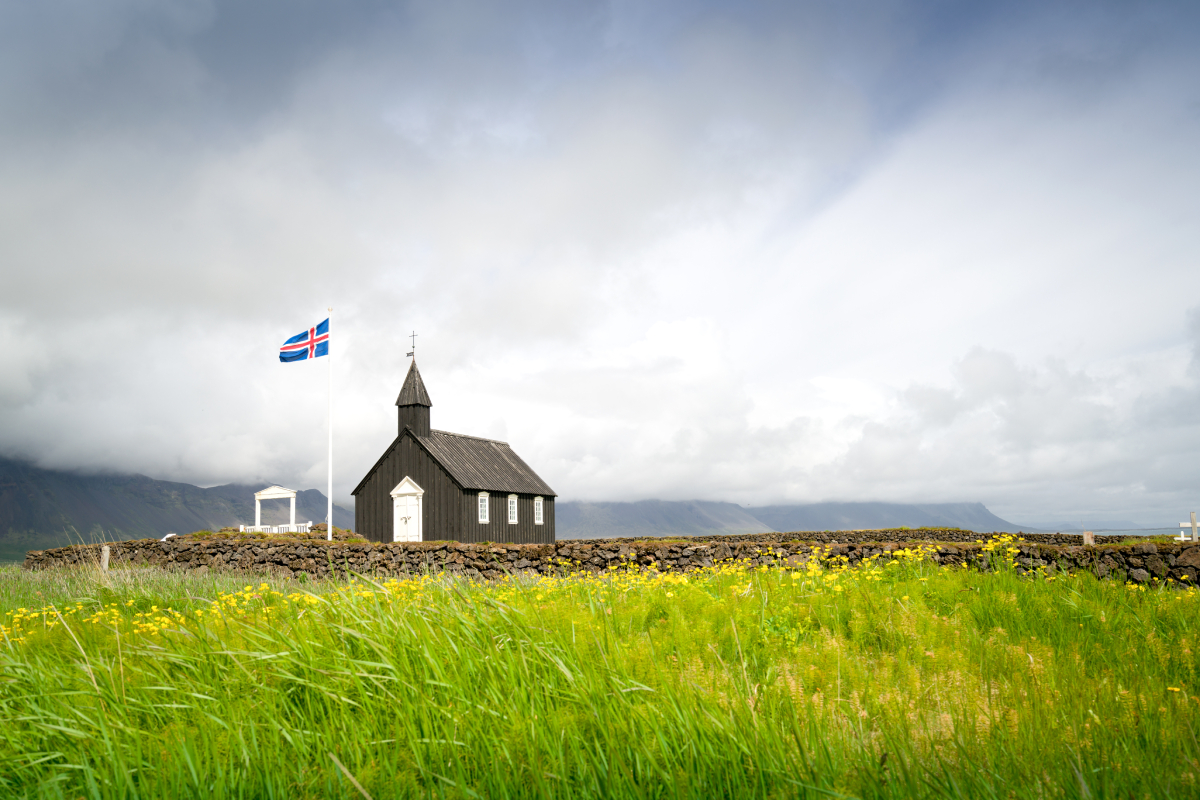
Under Icelandic law, even private citizens must ensure the national flag is in perfect condition and flown only during approved hours. Photo: salomon10 (CC BY-SA 2.0)
Strict rules and regulations
Like the flags of countries the world over, there is a strict set of codified rules and regulations regarding the national flag of Iceland.
With the advent of the German occupation of Denmark during the Second World War, Iceland—separated by the vast North Atlantic Ocean—soon began to assume control over its own affairs.
The union with the Danish crown was abolished following the Nazi occupation of Denmark, by a vote in which 98 percent supported the end of a union that stretched back to the medieval period.
Following the dissolution of the union, members of the Icelandic Althing (a parliament with its origins stretching back to the Viking settlement of the nation) declared unilaterally that it would henceforth be a republic.
On June 17, 1944, a law was introduced specifically concerning the new national flag of the republic, describing its dimensions as well as its use by government officials in Iceland and abroad.
What is also specified in this law is that the use of the national flag is a privilege and not a right.
This means that the owner of the flag, whether a public institution or a private person, must ensure that the flag is flawless in regard to its state, coloring, and general wear and tear.
A new addition to this law, passed in 1991, stipulates that the Icelandic flag shall not be flown until 7 a.m. Given that Iceland is renowned, in summer, for its midnight sun, the flag is preferably not to be flown after "sunset" and must be taken down before midnight.
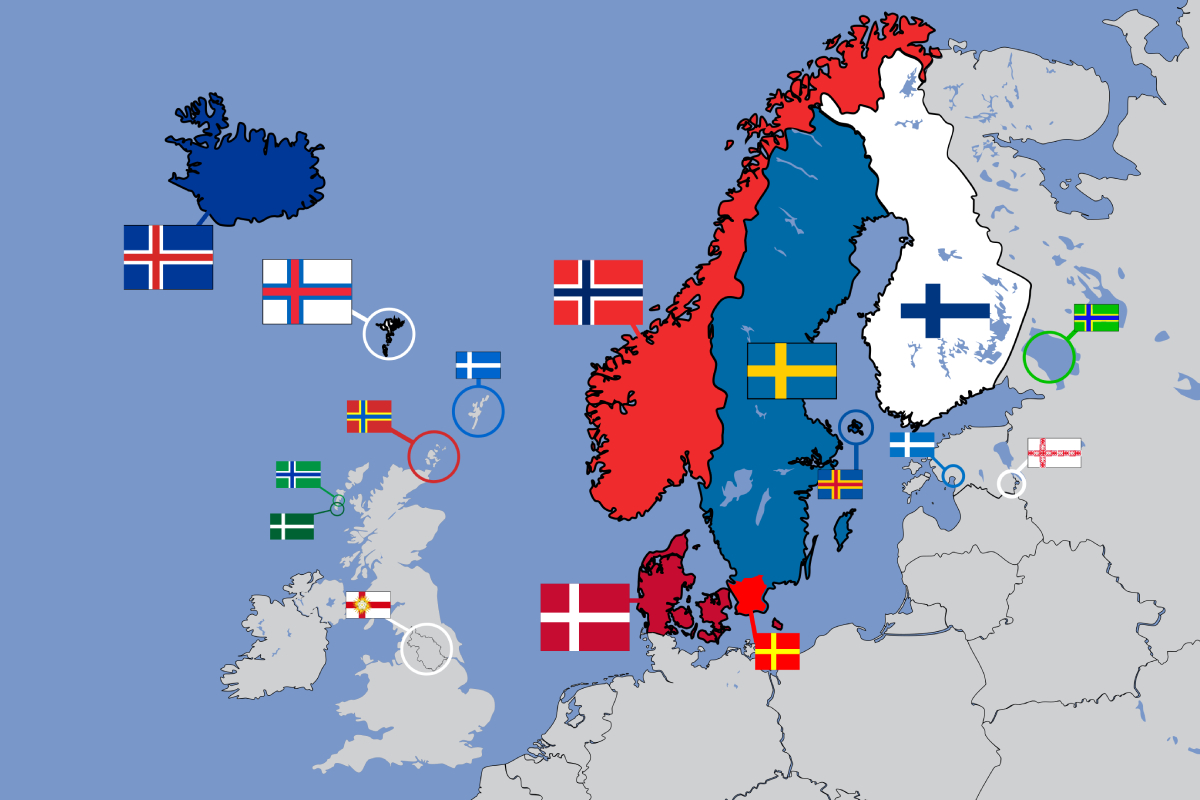
From Iceland to Finland, the Nordic cross connects a wide range of flags with shared cultural and historical roots. Source: Alphathon (CC BY-SA 4.0)
Flown as part of Iceland’s rich culture
There are over 12 days designated as "Flag Days" on which the Icelandic flag must be raised at official buildings in Iceland and abroad (e.g., foreign embassies). The Prime Minister’s Office is also allowed to add to this list.
Some of these days have a religious tone, such as Christmas, Good Friday, and Pentecost. Others have their origins in pagan times, like the first day of summer.
Some are secular, including the birthday of the President of Iceland and Sailor’s Day. A few celebrate Iceland’s cultural heritage, such as the National Day on June 17 and Icelandic Language Day on November 16.
The national flag of Iceland features striking colors that carry deep meaning. The white of the Nordic cross, the blue that mirrors the ocean surrounding the island, and the red—a nod to Iceland’s historical ties with both Denmark and Norway—all come together in a powerful design.
The flag aims to unify Icelanders, fostering a sense of national and cultural pride.
It is a tangible expression of the resilience and determination of this small but confident island nation with a rich historical and cultural heritage that reaches back into the age of the Vikings.
For more information on medieval Icelandic culture, visit History Today here.
We get to provide readers with original coverage thanks to our loyal supporters. Do you enjoy our work? You can become a PATRON here or via our Patreon page. You'll get access to exclusive content and early access.
Feel free to reach out to discuss potential stories that may be in the public interest. You can reach us via email at hello@thevikingherald.com with the understanding that the information you provide might be used in our reporting and stories.