

For many in the West and those of a certain vintage, the 1960s were a time of enormous cultural, social, and political change.
For some, it seemed that the entire world as they knew it was in flames. For others, the world was indeed in flames, but this was a necessary burn-off to shape a new world so it could rise like a phoenix from the ashes of the old.
Take, for instance, the study of people in Viking societies. Up until the 1960s, many scholars poured cold water on the idea that the Norse sagas could contain more than a kernel of historical truth.
The tales about Vikings sailing across the North Atlantic Ocean to as far away as the North American continent were mostly met with academic eye-rolling.
That was until a Norwegian husband and wife, both budding archeologists, Helge and Anne Stine Ingstad, uncovered the remains of a Norse settlement at L'Anse aux Meadows on the northern tip of the Canadian island of Newfoundland in 1960.
Like the miniskirts and rock music that were raising the older generation's eyebrows (who deemed these a sign that civilizational standards were lowering), this archeological find proved that not only had people from Viking societies sailed as far as modern-day Canada, but they had also settled there.
Only in recent years has further analysis and carbon dating given a rough time span of 50 years, spanning the late 10th and early 11th centuries CE.
This was an era when London and Paris were but small towns with, at most, a few score thousand inhabitants, yet their northern contemporaries had navigated the treacherous waters of the Atlantic Ocean and settled in North America.
This revolutionary discovery in 1960 answered one question – yes, much of what was written in the Norse sagas about far-off western lands seemed to be true.
But it also raised another – if the Vikings had journeyed to North America and established a bridgehead, why didn't they expand and secure a more permanent presence on the continent?
Why didn't the Vikings more thoroughly colonize North America?
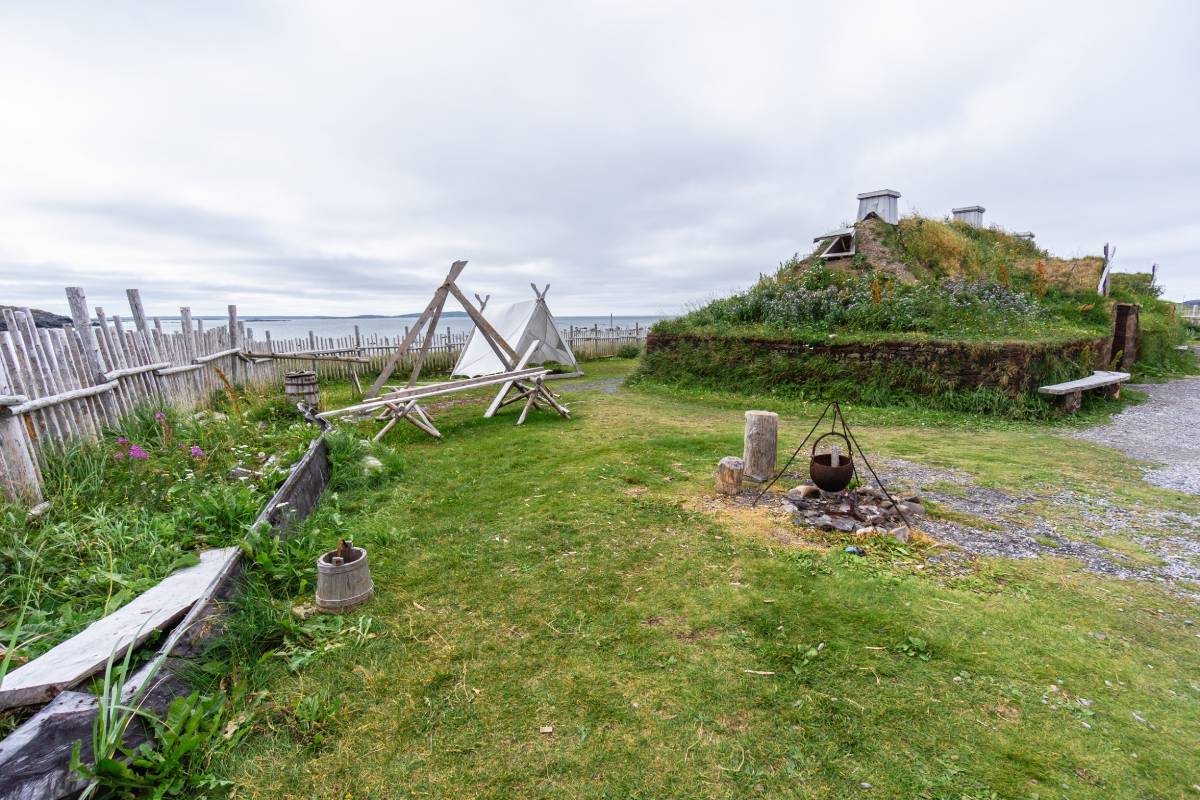
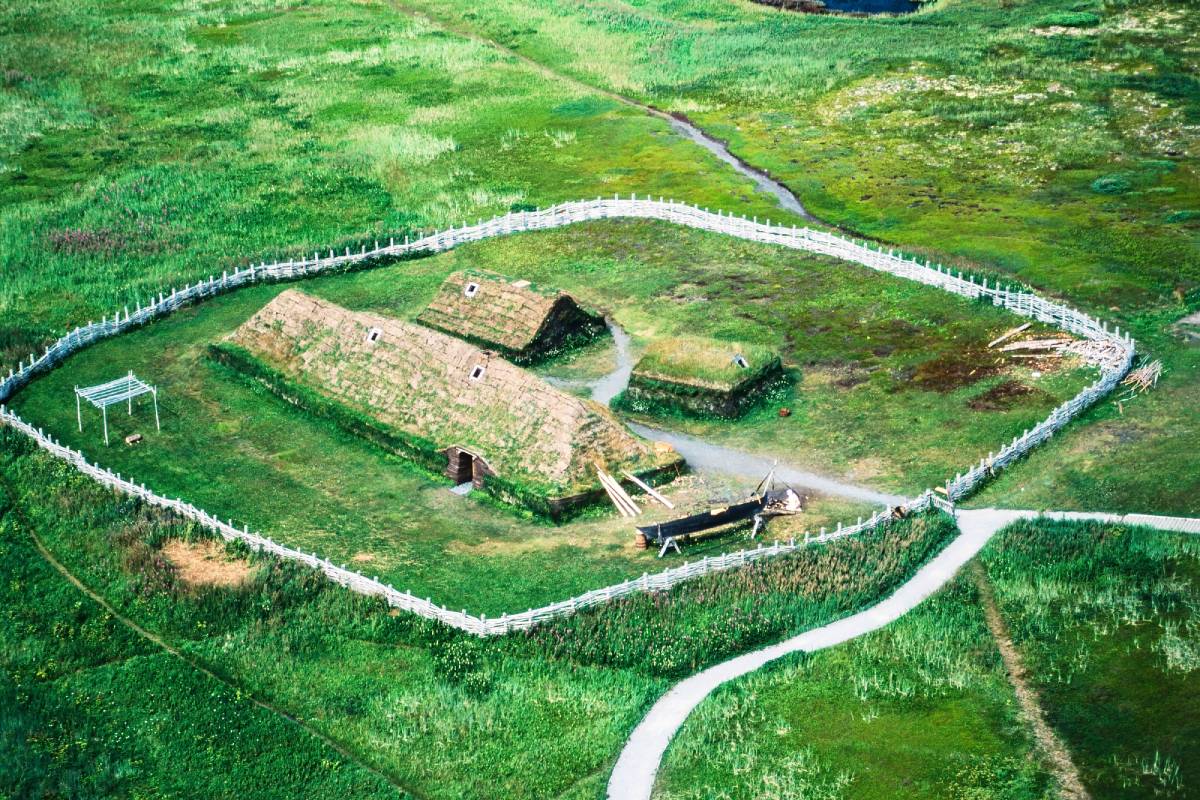
The Norse settlement at L’Anse aux Meadows, built in the early 11th century, contained eight buildings and housed up to 160 people. Source: Approved Photography
Stretched supply lines
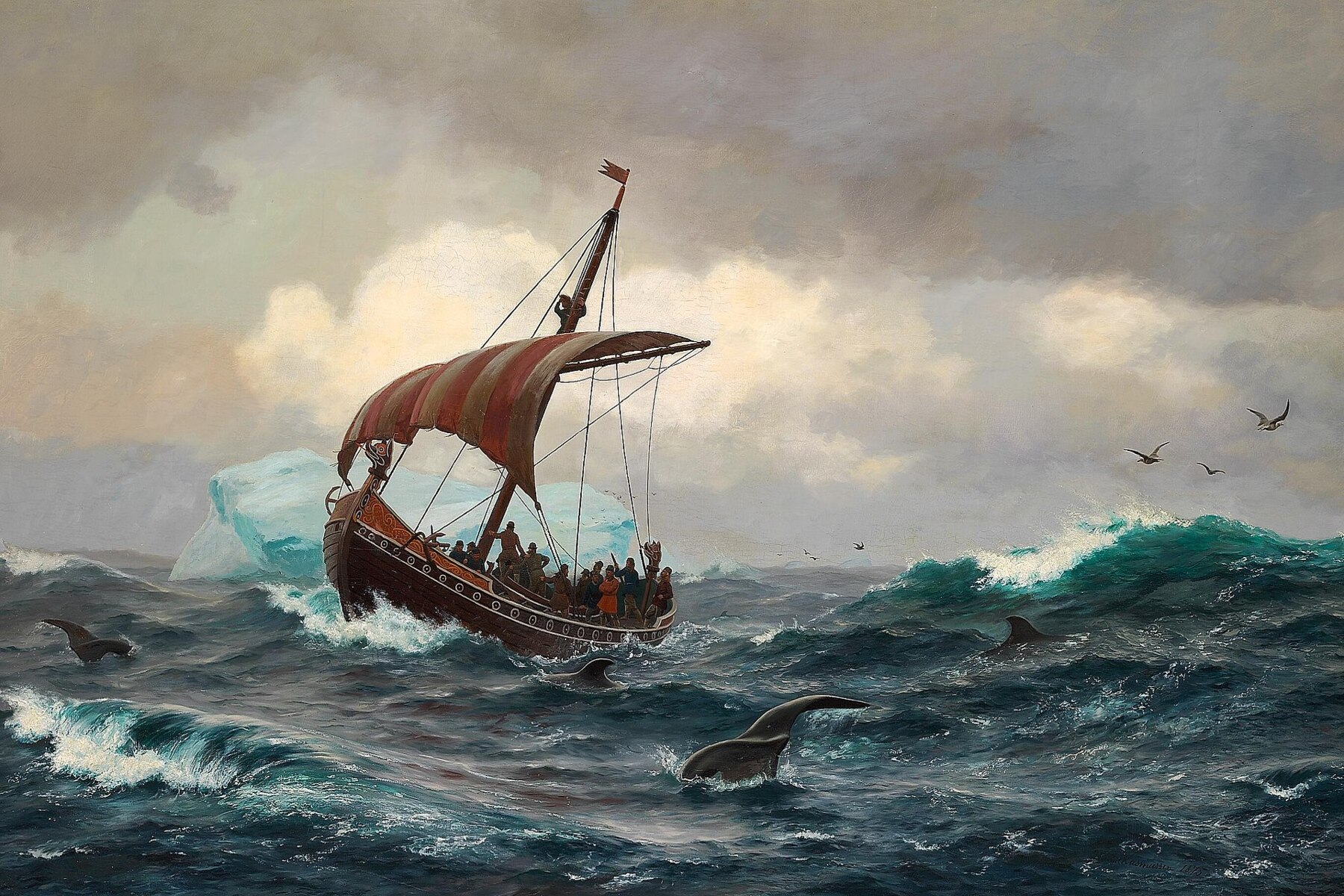
We know that people from Viking societies managed to cross the Atlantic Ocean from the early 9th century CE.
According to the sagas, after Harald Fairhair secured all of Norway under his iron grip, those unhappy with their new king sailed westward. After establishing a new life in Iceland, they soon turned it into an important base for further Viking exploration.
From Iceland, settlements were soon established in Greenland, which, according to historians, may have had a peak population of 20,000.
From here, it was only a short sail (relatively speaking – no sail is short, really, when you're battling the waves of the North Atlantic Ocean with early medieval maritime skills and technology) to the North American continent.
Dendrochronological dating from the site at L'Anse aux Meadows has given a median date range of about 1020 CE, meaning that in little more than a century, people from Viking societies had established settlements in Iceland, Greenland, and what is now modern-day Canada.
Despite this success, the fact remained that the Norse settlement at L'Anse aux Meadows – which had as many as eight buildings housing maybe as many as 160 people – was established in the early 11th century.
Sailing from the Norse settlements on Greenland would have taken weeks, meaning supply lines were not only stretched but also slow and laborious.
Despite being able to establish a small community in Newfoundland, the distance between L'Anse aux Meadows and Greenland (which itself relied on regular supplies from Iceland and Scandinavia) prevented further expansion and settlement.
With such a small population housed at L'Anse aux Meadows, there was a pressing need for food security and housing rather than further exploration and expansion.
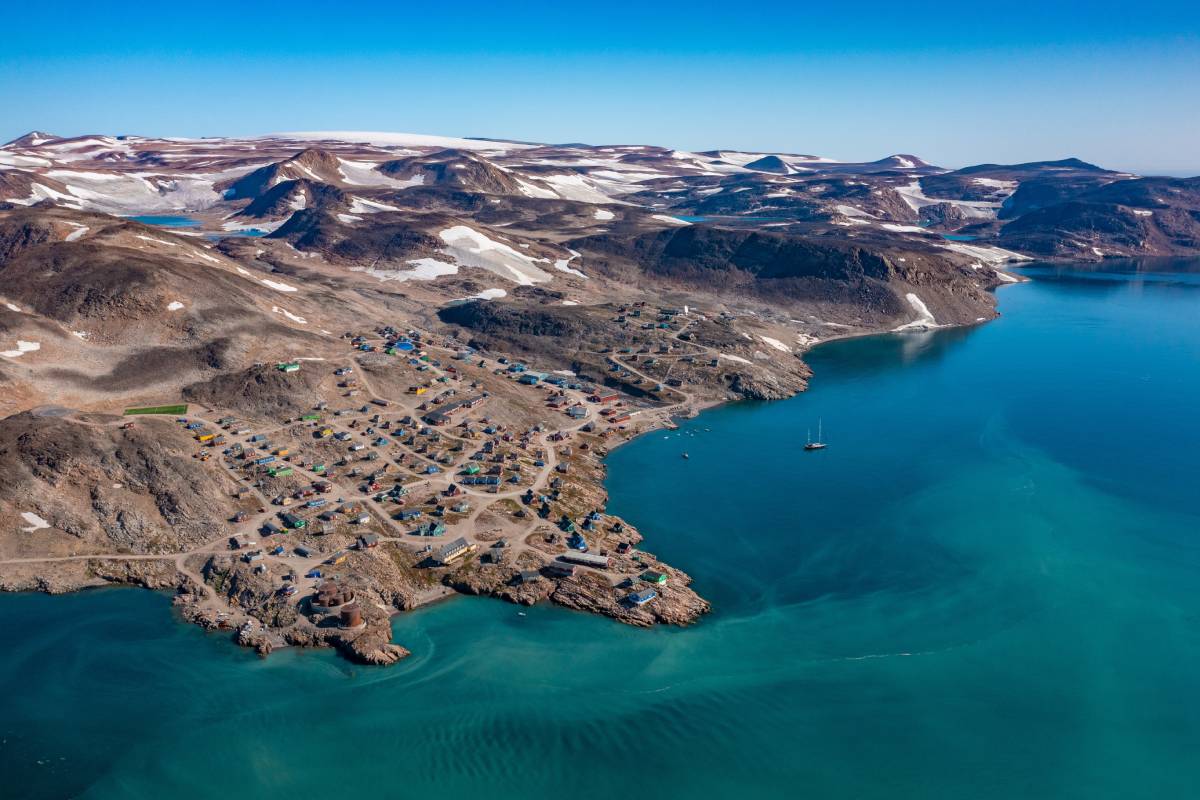
With Greenland struggling for resources, Norse settlers in Newfoundland had no reliable support. Source: jyrgen / Shutterstock
Climate change and population
Even if more people from Viking societies had flocked to L'Anse aux Meadows, their major supply hub – the Norse settlements in Greenland – was doomed to fail.
There is much speculation on why the settlements in Greenland eventually failed, but climate change has been touted as a major reason.
The settlements spanned what has been dubbed the "Medieval Warm Period," which lasted until the mid-13th century. After this, temperatures dropped, making it even harder to scratch out an existence in Greenland.
This meant that even if the settlement at L'Anse aux Meadows had expanded, its supply route to the Norse settlements in Greenland would have vanished by the early 15th century.
A longer supply route to Iceland or the Viking homeland in Scandinavia would have made precious supplies an even rarer commodity.
Adding to climate change was the fact that the Norse settlements in Greenland could never sustain a large enough population to then overflow westward.
Whilst people from Viking societies expanded outward into Europe and surrounding areas throughout the early medieval period, they tended to establish large colonies in Scandinavia's surrounding region – think parts of England, France, or Ireland.
Scandinavia was a relatively sparsely populated region when compared to other parts of Europe and West Asia, and thus, there simply wasn't a large enough population to sustain and support further settlements in North America.
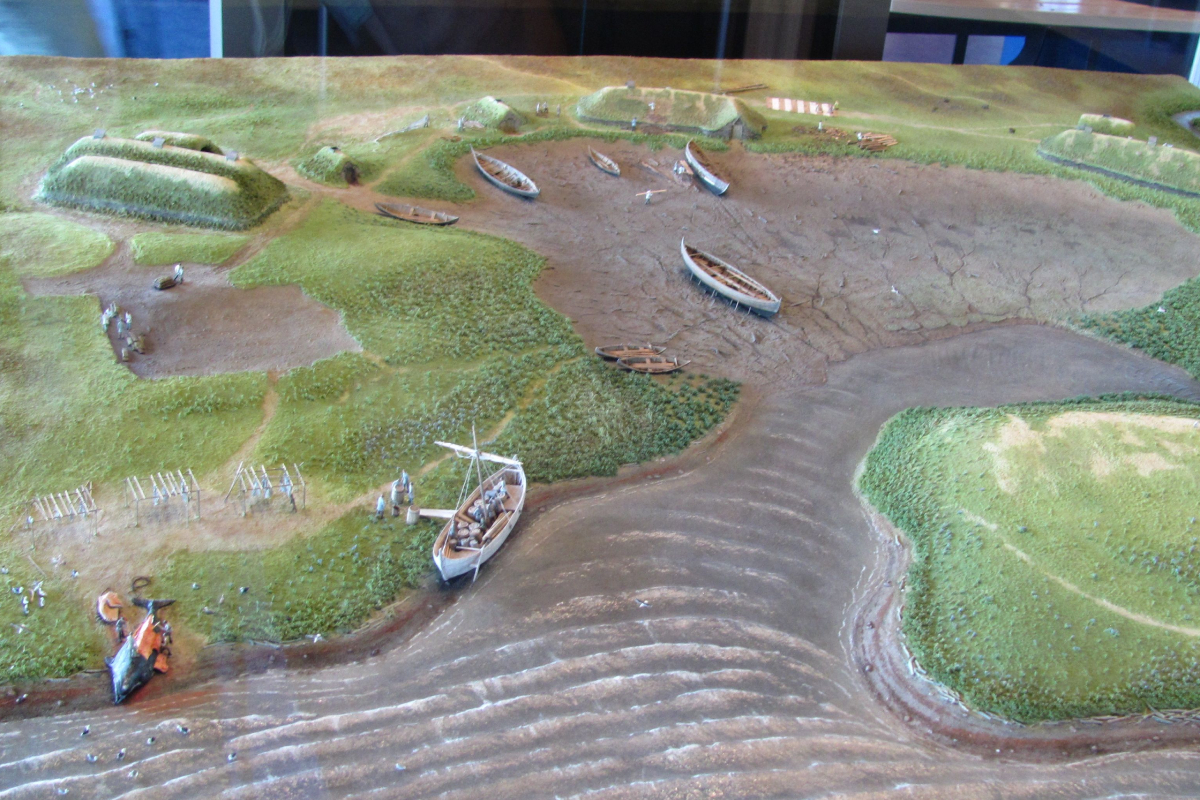
A model showing the layout of the Norse settlement at L'Anse aux Meadows. Source: Torbenbrinker (CC BY-SA 3.0)
Unfriendly relations
Much has been made of what the Norse sagas called, rather derisively, the skrælings.
These have been assumed to have been the local Indigenous population of Newfoundland, the ancestors of some of the First Nations people of Canada.
One of the major reasons that blocked further settlement – the main reason if we are to believe The Saga of Erik the Red – was hostile relations with these people.
In the 2003 version, published by the Wisconsin Historical Society, we find a reference to a battle between the Norse settlers and these skrælings:
"Thereupon Karlsefni and his men took up red shields and displayed them. The Skraelings sprang from their boats, and they met then, and fought together. There was a fierce shower of missiles, for the Skraelings had war-slings... this was Thorbrand, Snorri's son, his skull cleft by a flat stone..." (p. 40)
Despite the fierce reputation that their warriors had earned throughout early medieval Europe and surrounding areas, the Norse settlers in North America were simply outnumbered.
No matter where they explored, they would always be a small minority.
Given the obvious cultural and language barriers, friendly relations would have been hard to establish – something that later European settlers realized too.
For the local Indigenous population, despite the bizarre appearance of the Norse, these were unknown trespassers who posed a threat to their security.
Resistance from local populations, even if the Norse made it as far as the North American mainland, would have made more permanent settlement difficult.
This has also been put forward as another theory for the collapse of the Norse settlements in Greenland, as the ancestors of the Inuit people pushed southward during the medieval period.
As early European settlers, particularly the British, realized in North America, they needed friendly relations with the local population to survive the harsh climatic conditions of the American wilderness.
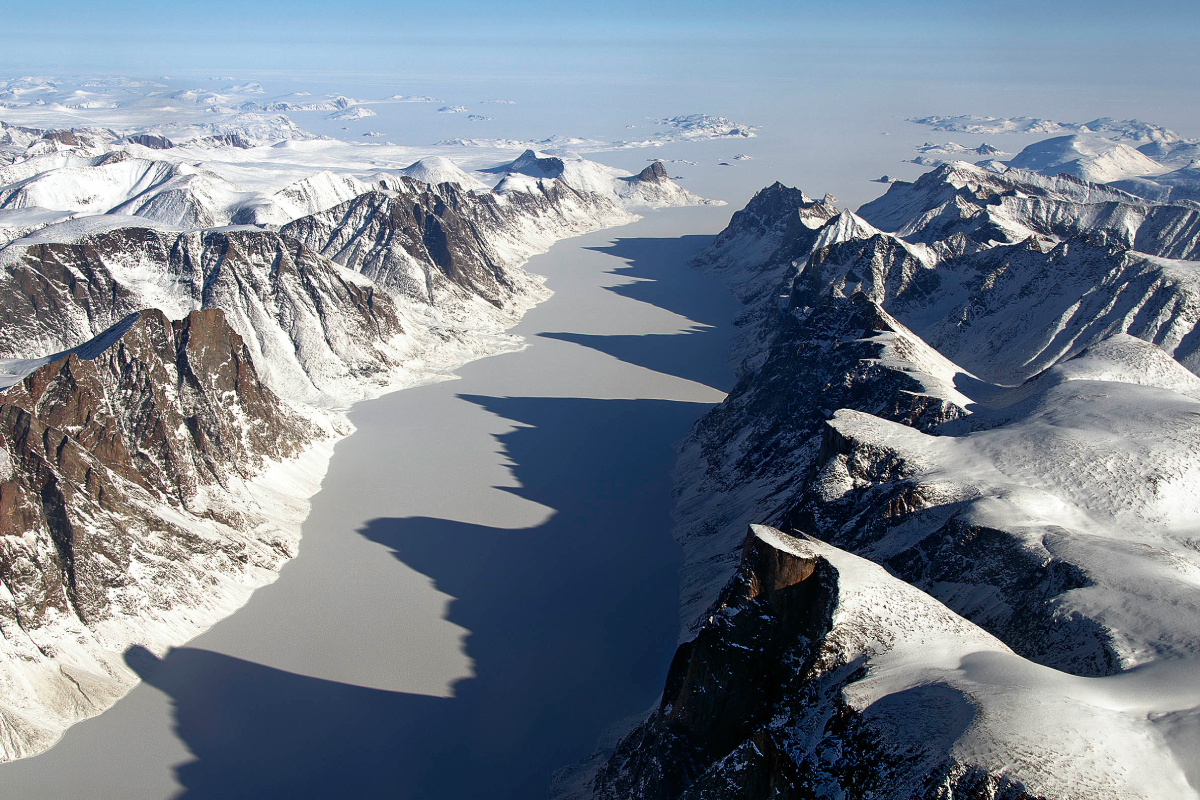
North America’s vast size and harsh climates created major obstacles to Norse expansion. Source: NASA (Public domain)
Immense size and variable climates
For much of the early modern period, the North American continent was a land of immense size and wealth.
Yet even half a millennium after the Norse settlements at L'Anse aux Meadows collapsed, this great landmass remained a daunting and challenging prospect for settlement.
It wasn't until the early 19th century that settlers pushed beyond the Appalachian Mountains in what is now the United States into the northern regions of Canada and settled huge swaths of the Sonoran Desert in Mexico.
When it comes to pre-modern settlement and colonization, size does indeed matter.
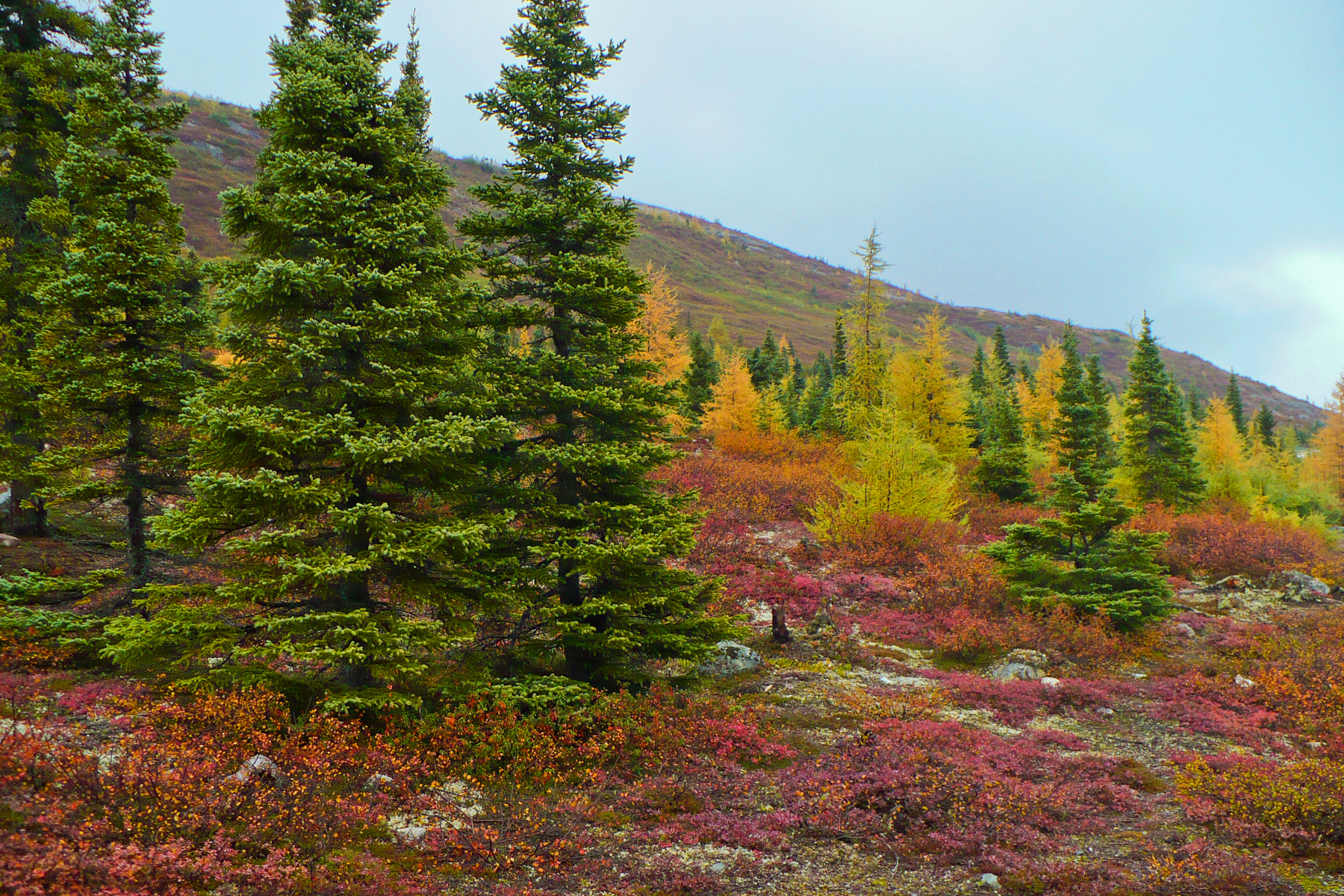
Coupled with these vast distances was also a great variety of climatic conditions.
From the Arctic and sub-Arctic regions of Canada, through the temperate northern United States, to the tropical and desert climates of the south, North America's vast landmass was shaped by extreme climatic differences.
As Benjamin J. Vail writes in his 1998 article in the journal Scandinavian Studies, "…the Norse faced challenges to and constraints on their… land-taking… from the natural environment."
These natural conditions – most of which people in Viking societies were not used to – would have made further exploration and settlement particularly hard for people in Viking societies in the early medieval period.
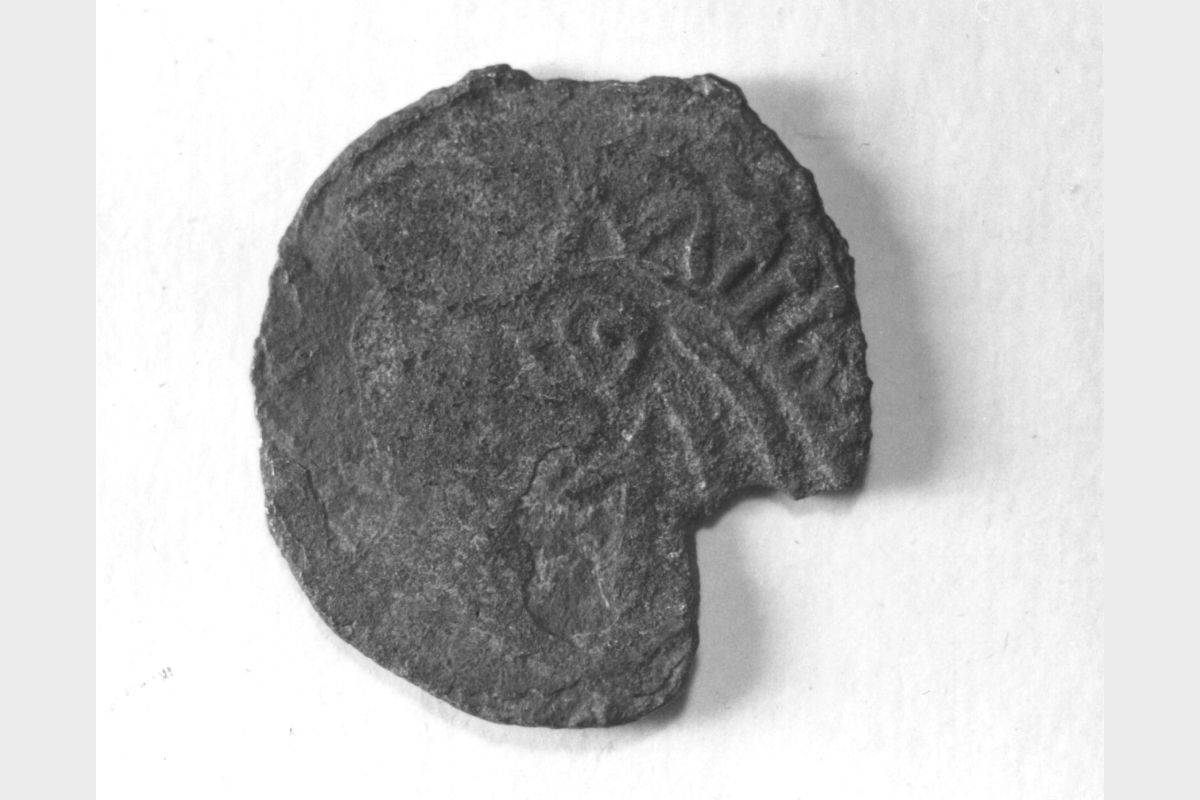
The discovery of an 11th-century Norwegian coin in Maine led to theories of deeper Norse exploration. Source: Maine State Museum
An archeological "red herring"?
Given that people from Viking societies were battling small populations, stretched supply lines, a changing climate in the North Atlantic world, and potentially hostile relations with the local population, it is a small miracle that the settlement at L'Anse aux Meadows survived more than a few years.
Academics now believe the settlement lasted well over three generations, from c. 990 to about 1050 CE – not a bad effort for the medieval period.
To put this into a broader historical context, the first English colony in North America, Roanoke – established further south and over five centuries later – mysteriously failed after only about five years, with about the same number of settlers, despite the great technological advances made since the medieval period.
In 1957, however, an amateur archeologist discovered a late 11th-century Norwegian coin – minted in the reign of King Olaf Kyrre (r. 1067–1093) – in a prehistoric site in Brooklin, Maine, United States.
How and why it turned up in Maine remains the source of much academic speculation and harebrained pseudohistorical theories.
Given that the archeological dig at L'Anse aux Meadows was still years away when the Maine Penny (as it has been dubbed) was uncovered, many pointed to this as conclusive evidence of Norse settlement in North America.
Yet the current theory is that it may indeed have been just part of an elaborate hoax.
Despite this (probably) archeological "red herring," further settlement and colonization of North America by people in Viking societies was always going to be a difficult task – weighed down by climatic conditions, linguistic and cultural differences with the local population, and the great distances from larger Viking settlements.
It may be one of history's greatest "what ifs," but the North American continent would have to wait until the 19th century for boatloads of Scandinavians to head there permanently.
For more information on why the Vikings didn't colonize North America further, visit Live Science here.
We get to provide readers with original coverage thanks to our loyal supporters. Do you enjoy our work? You can become a PATRON here or via our Patreon page. You'll get access to exclusive content and early access.
Feel free to reach out to discuss potential stories that may be in the public interest. You can reach us via email at hello@thevikingherald.com with the understanding that the information you provide might be used in our reporting and stories.