


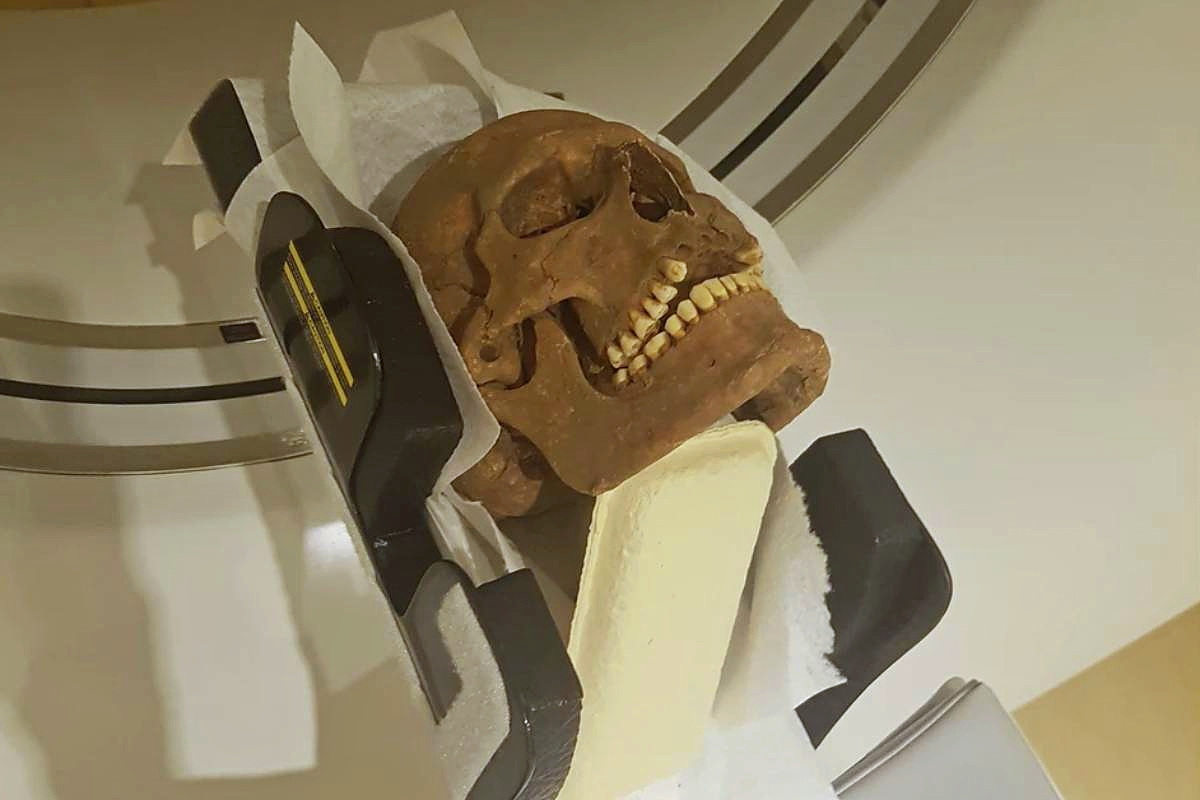
Is there anything that we loathe more than a trip to the dentist? Don't get us wrong here at The Viking Herald. The state of dentistry in 2025 is surely one of the true lifesavers of modern times.
However uncomfortable a trip to the old cavity crusher may be, it pales in comparison to what our ancestors went through.
Try asking your grandparents how a trip to the dentist was back in the day, and you'll see how truly lucky you are that dentistry has advanced in leaps and bounds in modern times.
As much as we love the Viking Age – that roughly three(ish)-century span of European history between the mid-8th and early 12th centuries CE – we love it from the safe distance of centuries.
As caught up as we get in the characters and events of this most transitional historical period in European history, we would certainly never love to go visit.
Part of the reason for this is the total lack of modern dentistry that people in Viking societies endured.
Recent research from the University of Gothenburg highlighted how a number of Sweden's Viking Age population "...appears to have suffered from severe oral and maxillofacial disease, sinus and ear infections, osteoarthritis, and much more."
In other words, there is a whole range of diseases and maladies that would terrify your local dentist.
So let us jump up together on the dentist's chair and unpack (or should that be unpick?) what this research shows about the dental problems that people in Viking societies suffered.
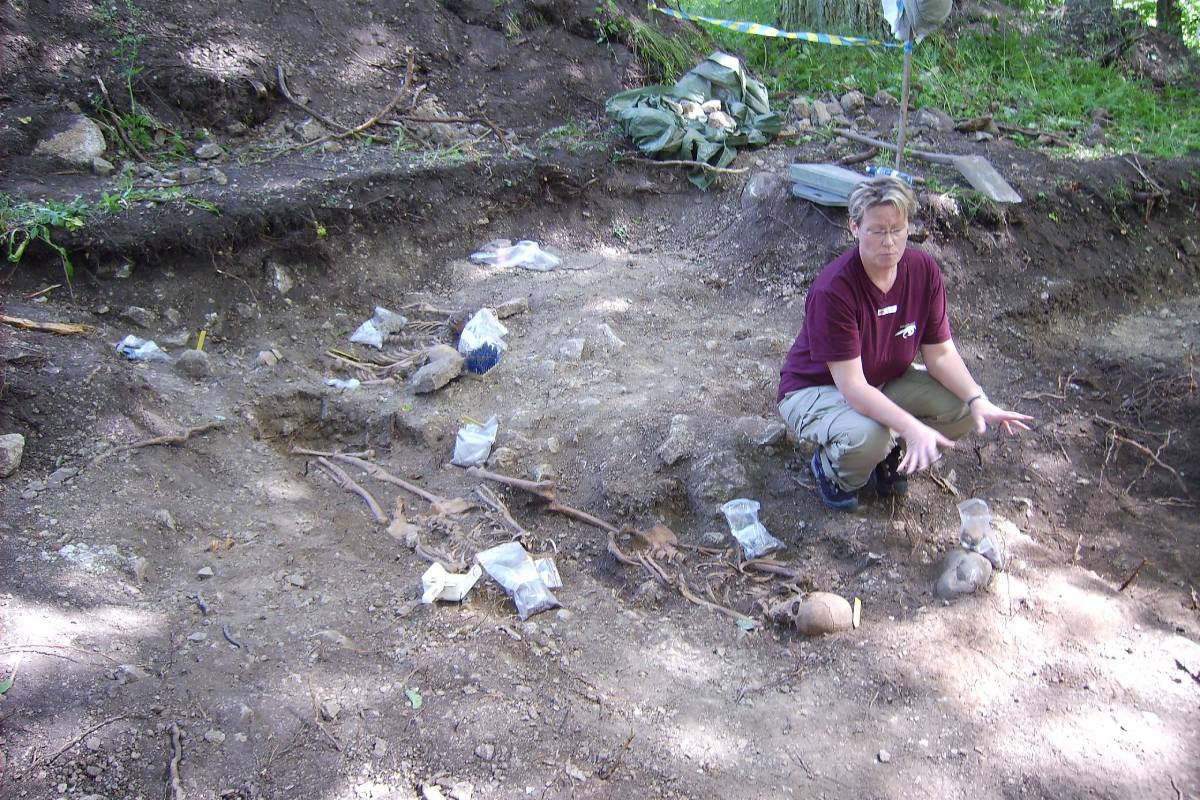
Archaeologists working in Varnhem in 2007 uncovered Viking Age skeletons near one of Sweden's earliest Christian churches. Photo: I, Västgöten
Old study, new technology
Back in 2005, archaeologists uncovered the remains of more than 300 people from the Viking Age in the Swedish town of Varnhem.
However, a recent research paper published this year took the analysis and examination of these Viking Age people to the next level.
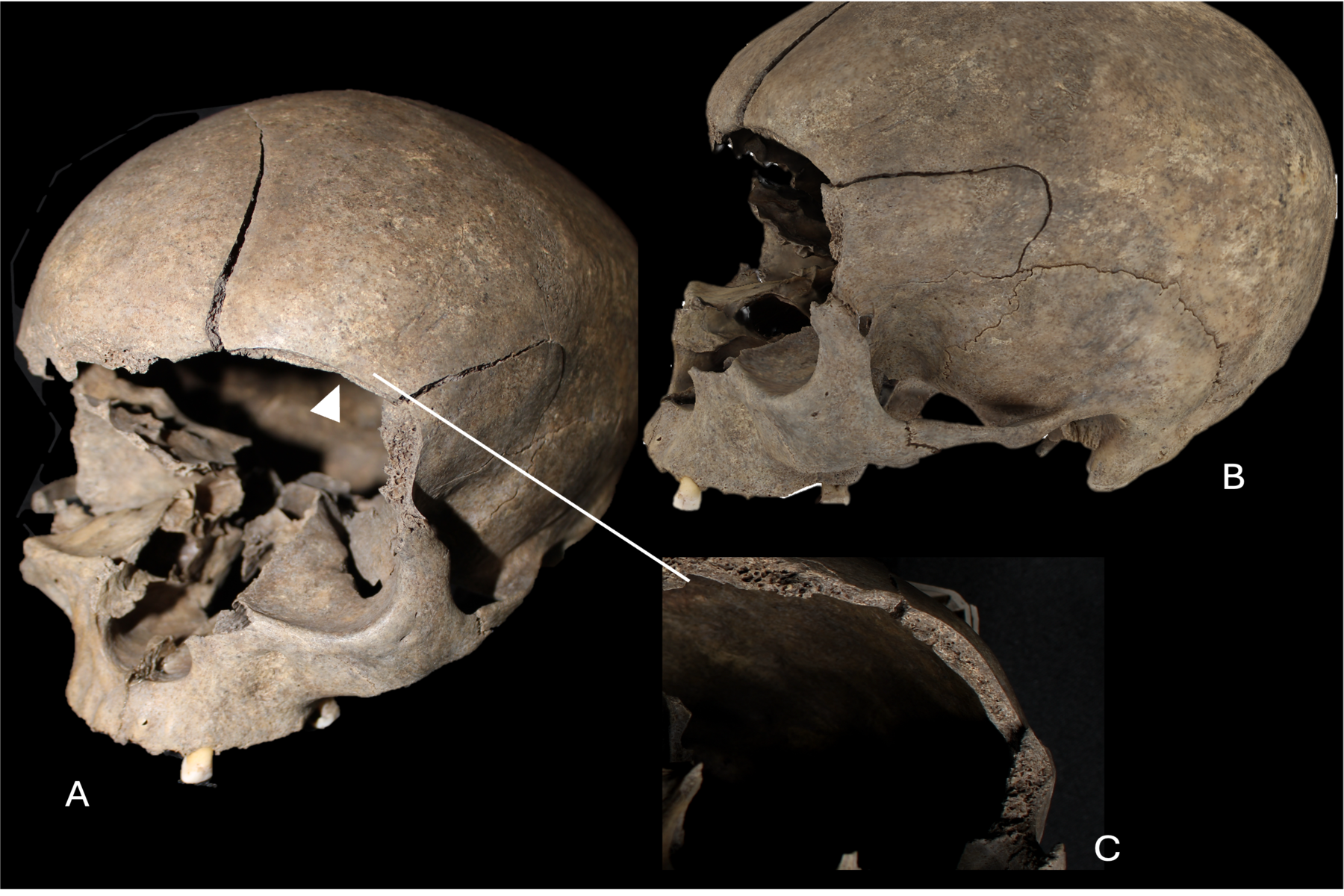
Odontologists – people who study the structure and diseases of teeth – from the University of Gothenburg examined 15 skulls of individuals aged between 20 and 60 and gave them CT scans.
These scans are state-of-the-art and use multiple X-rays to unlock a detailed image of the inner structure of the skull. Impressive stuff indeed!
The results from these scans would be enough to give any dentist recurrent nightmares.
Carolina Bertilsson, an assistant researcher at the University of Gothenburg who led the study, spoke of the research. "There was," she said, "much to look at. We found many signs of disease in these individuals."
Among the diseases that plagued these individuals were 12 cases of a bacterial infection found at the bottom of a tooth, 10 cases of periodontal disease, which can cause bone loss, bone defects, or serious infections, and several cases of what the researchers believe were advanced ear infections.
In other words, these poor people from Viking Age Sweden were probably walking around in misery, pain, and utter discomfort.
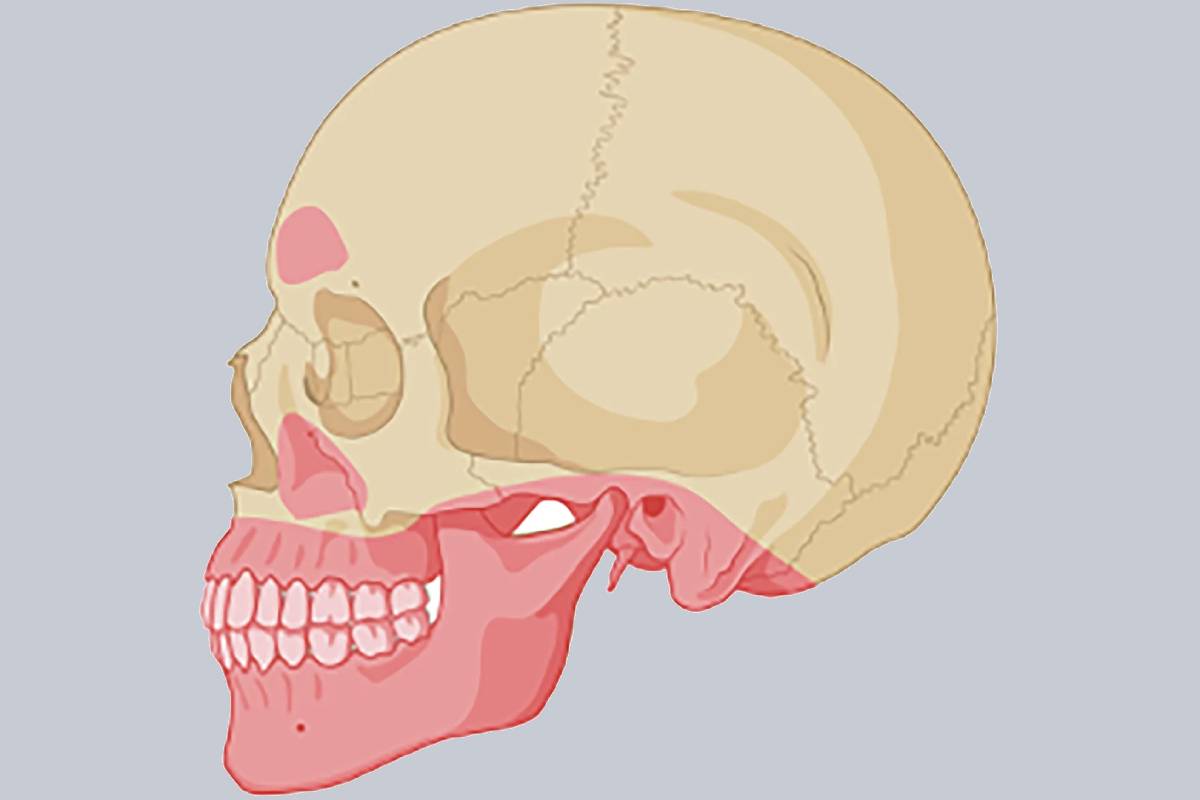
The image highlights anatomical sites on a skull where pathological conditions were identified in the study. Source: BDJ Open / BioRender (CC BY 4.0)
Dental pain in the Viking Age
Yet, not all is gloom and doom. As can often be the case with research, there can be remarkable discoveries that seem to defy logic.
Even though neither toothbrushes nor toothpaste were widely used in these societies for, oh, I don't know, about a millennium or so, only six of the skulls had teeth missing.
This meant that only six people who lived and died during the Viking Age – when dentistry in Scandinavia was basically non-existent – suffered the agony of tooth removal before the invention of anesthesia or antibiotics and the widespread knowledge of the benefits of dental hygiene and the germ theory of disease.
Just for a moment, imagine you are one of these poor people living in Viking Age Sweden with more than a toothache.
Quite how their tooth would have been removed – perhaps yanked out with pliers or worse – or possibly even just rotted away – is surely enough motivation for you to book your next dental checkup after finishing this article!
- READ MORE: Understanding the Viking diet
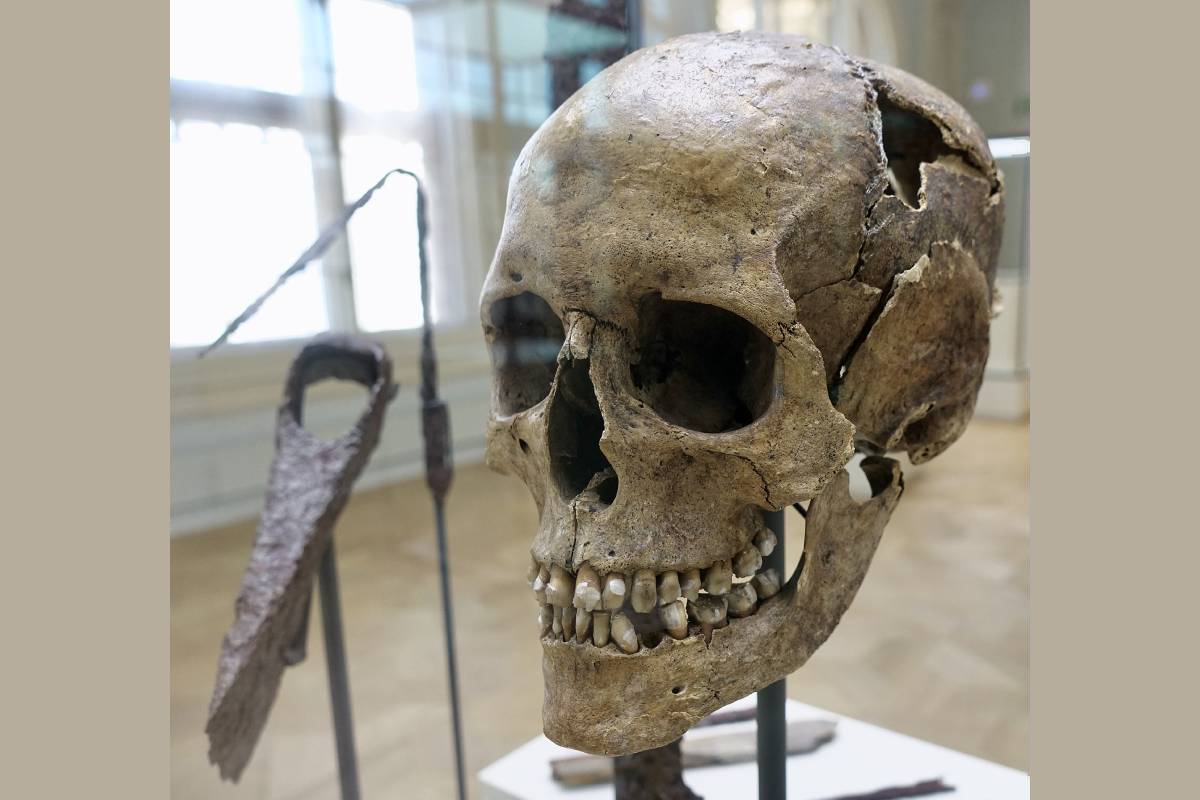
The lack of modern dental care meant that Viking Age individuals endured tooth pain without effective treatment. Photo: Wolfmann (CC BY-SA 4.0)
What do we know about Viking Age dental hygiene?
What, then, do we know of Viking Age dentistry? Well, as the recent research suggested, it was a mixed bag.
First, the good news.
We know that people in Viking societies had – by our modern standards – a very healthy and balanced diet, full of food that does not generally contribute to tooth decay and indeed maintains strong teeth, including dairy products, whole grains, vegetables, meat, fish, and the occasional bit of honey or dried fruit.
It should also be noted that people in Viking societies did not eat any food that contained refined sugar – this would become the bane of Scandinavian dentists in the centuries after sugar became widely available and commonly consumed.
Now, the bad news. Despite this relatively healthy diet, there was cause for concern.
As S. Richter and S.T. Eliasson discuss in their 2008 article in the Bulletin for the International Association of Paleodontology, we moderns suffer from "heavy tooth wear," which "can be explained by consumption of acidic drinks and food in addition to a coarse diet."
However, for Viking Age populations, "...the main cause of the wear was most likely coarse and rough diet, dried fish and meat."
Should you have suffered any sort of toothache or problem, the Viking Age was not a great time for effective treatment.
Herbal remedies – such as chewing birch bark – may have been used to ease pain. This surely would have also been consumed alongside what was the medieval era's most effective painkiller: alcohol.
The mild anesthetic properties of mead or beer made this the most popular and common form of treating any sort of pain.
Finally, there may have been the odd incantation of a spell or a charm, part of magical or ritual practices.
We know how important magic was to people in Viking societies, and there is no doubt that a common toothache was thought to be aided by magical spells and chants.
Whilst we simply do adore all things Viking here at The Viking Herald, we think it is probably best to leave Viking Age dentistry back in the early medieval period.
The research from the University of Gothenburg shows that, however much we might loathe going to the dentist, people in Viking societies had much worse things to worry about than remembering to brush and floss daily.
For more information on Viking dentistry, visit Science Daily here.
We get to provide readers with original coverage thanks to our loyal supporters. Do you enjoy our work? You can become a PATRON here or via our Patreon page. You'll get access to exclusive content and early access.
Feel free to reach out to discuss potential stories that may be in the public interest. You can reach us via email at hello@thevikingherald.com with the understanding that the information you provide might be used in our reporting and stories.




_Museum_Oslo._VIKINGR_Norwegian_Viking-Age_Exhibition_14_Grave_find_Nordre_Kj%C3%B8len,_Sol%C3%B8r._Sword_Spear_Axe_Arrows_Skull_(woman_155_cm_18-19_years_old._Female_warrior%3F_Kvinnelig_kriger%3F)_Late_10th_c._4749.jpg)