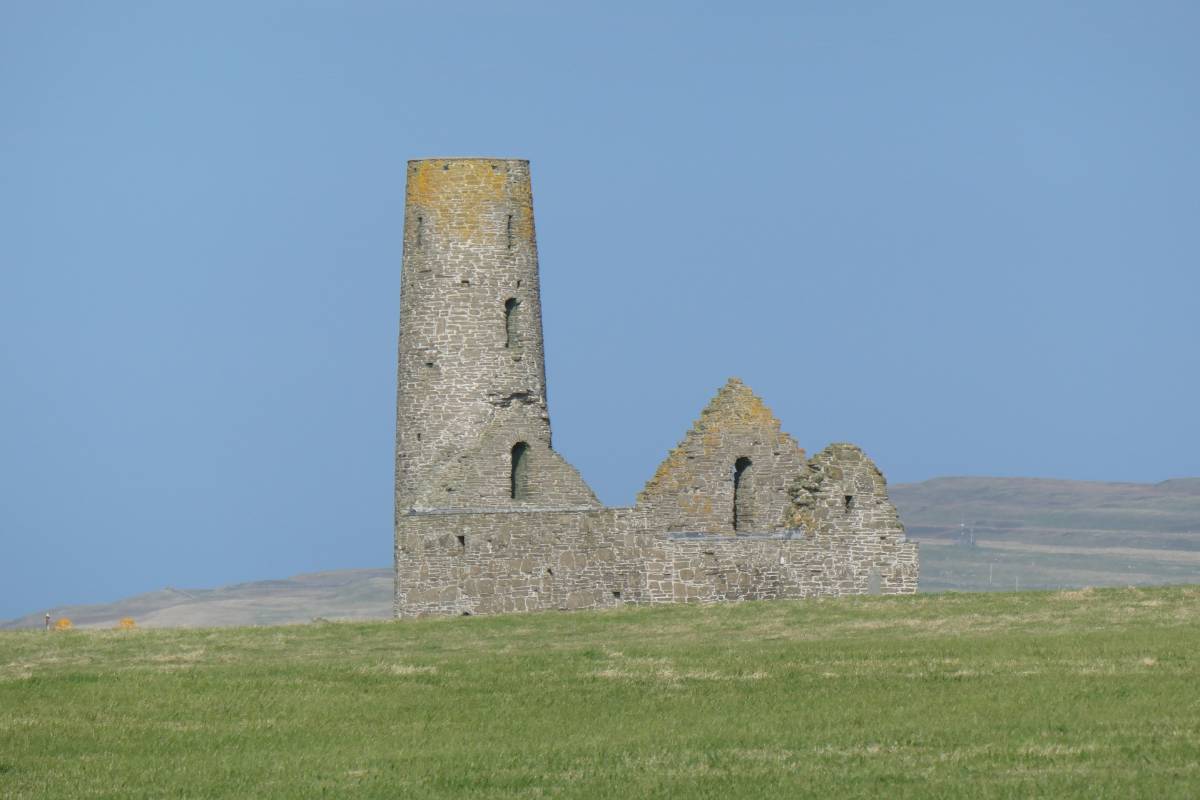


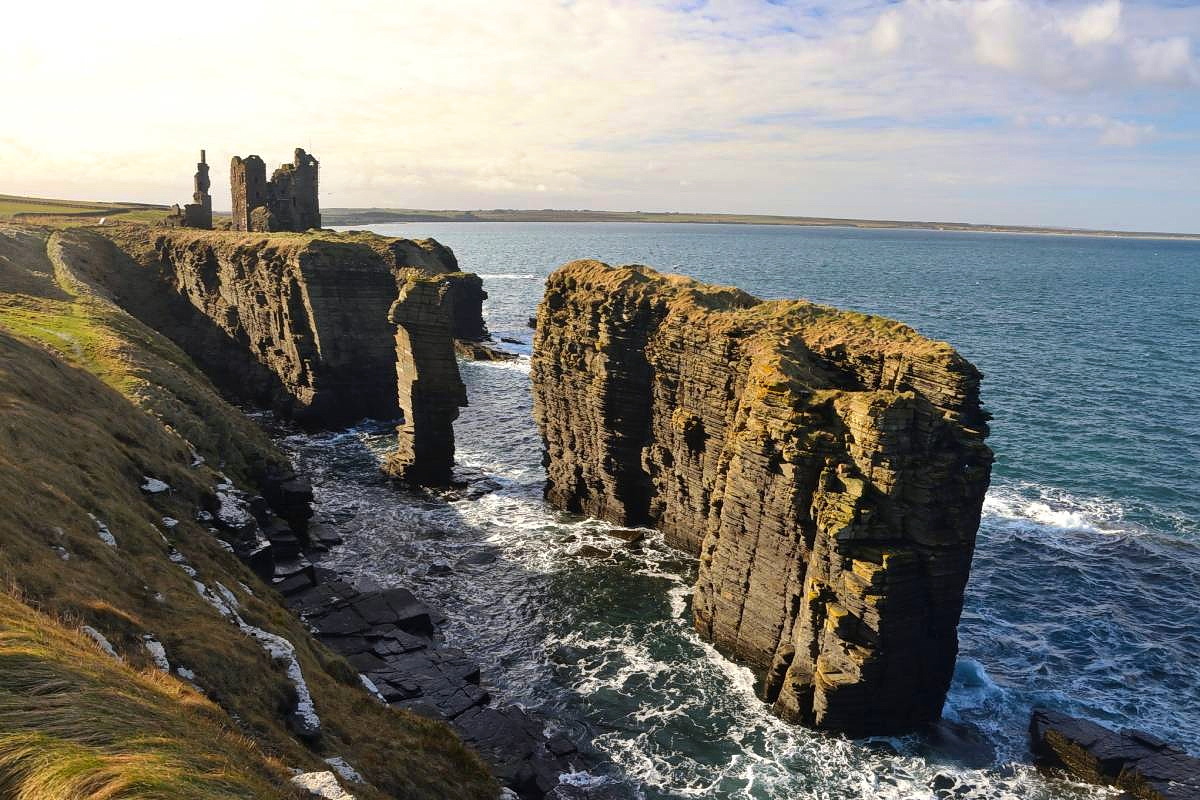
Whilst this remote and windswept place may take what seems like a lifetime to reach from the larger cities down south, the destination is well worth the voyage due to a rich cultural heritage that was shaped by the Vikings.
Big picture and forensic history
We have written widely about the Viking history of Scotland, from its early medieval origins to its early modern endings, from their role in shaping the Scottish clan system to shaping the very soils of Scotland itself.
However, many of these have been broad historical brushstrokes encompassing not only an entire historical period but also a nation that did not exist, in its modern conception, until well after the last Viking ship sailed.
We were exceptionally thrilled when an email from the UHI Institute for Northern Studies (University of the Highlands and Islands, Orkney) popped up in our inbox detailing some recent research into the Viking history and heritage of a small slice of Scotland, the historic county of Caithness in the nation's northeast.
Whilst we do love taking a step back, looking at the broader historical picture, it is also fascinating to dive in headfirst into a forensic analysis of the local Viking history of the community of Caithness, written by a local student, Stephen Barnaby.
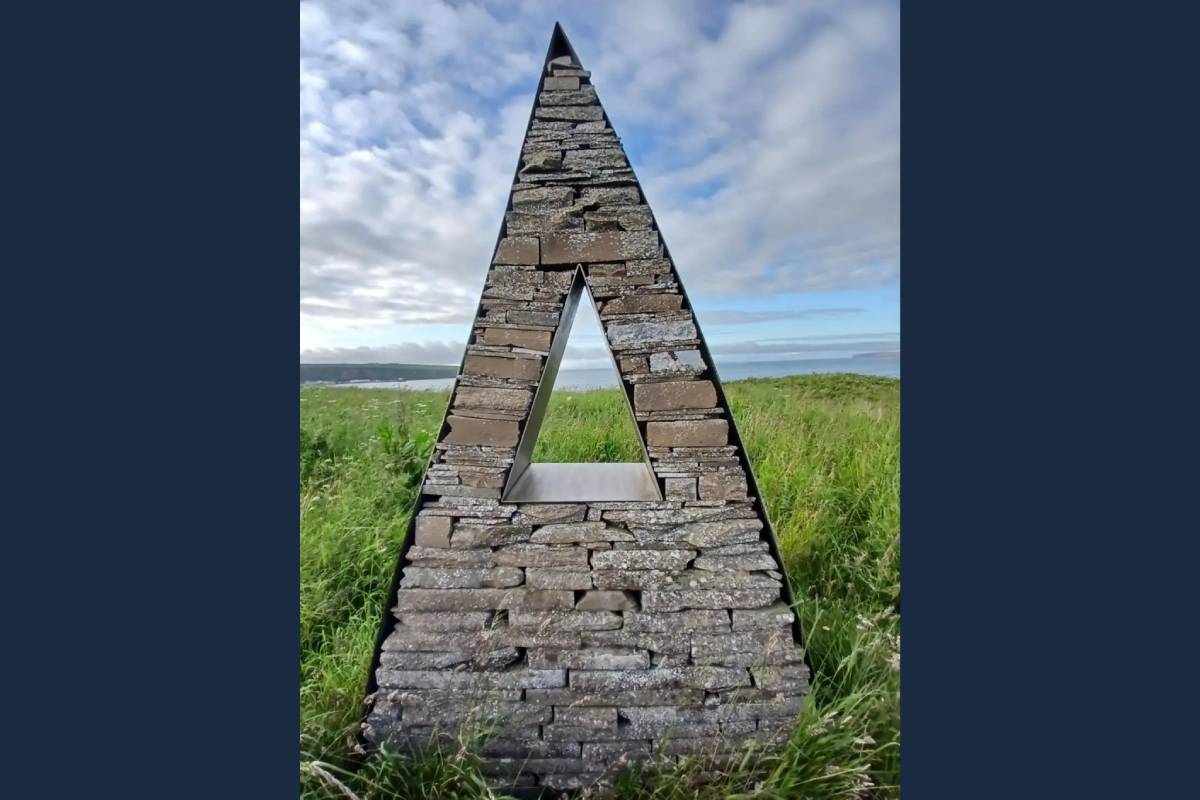
A modern stone sculpture marks the site of Scrabster Castle, once linked to violent episodes in Caithness’ Viking and medieval history. Photo: Stephen Barnaby
A cultural heritage that permeates daily life
As Carol Krammen writes about in her 2014 book, On Doing Local History, "local history is memory," which certainly rings true for Caithness local Stephen Barnaby.
Growing up in Thurso, Barnaby was surrounded by a visible presence of the county's Viking history that has seeped into communal memory. He had only to step outside, from his home on Pennyland Estate, to take a stroll down some of the streets that had a very Viking flavor—Magnus, Sigurd, or Thorfinn.
Unlike other areas in the British Isles that have seen, in recent years, popular interest in their Viking past (sometimes this Viking past may amount to little more than a buried axe head or a solitary raid), Caithness daily lives and breathes its Viking heritage and history.
Barnaby explains this in his article, Seagulls and Standing Stones, Bishops and Butter, Bagpipes and Bullets: The Norse in Caithness Memory.
Barnaby's work sets about explaining just how deeply Viking culture and memory are immersed in Caithness' local identity. As he notes, "...pride in Caithness Norse heritage has seemed ever-growing," but this is no flash-in-the-pan attempt to lure tourist money this far north.
It is about everyday language, traditions, and communal pride.
For example, street names in Thurso (the county's largest town, whose name has its origins with the Norse God of Thunder), local words like scorie (from the Old Norse skári, meaning young gull), or festivals celebrating Viking heritage are all living examples of the way this history continues to shape daily life in Scotland's northeast.
This heritage can be traced back to the sagas, and whilst there is not one directly penned about this northeastern region, Edward J. Cowan notes in his 1982 book, Caithness: A cultural crossroads, that, "such a saga is preserved in Orkneyinga Saga which has just as much to say about the north mainland of Scotland as it does about Orkney."
Caithness is unusual for a region on the British mainland (but similar to the Orkney or Shetland Islands) in that its cultural legacy, passed down to it by people from Viking societies, continues to permeate the daily lives and language of its people.
Understanding Caithness today through its local history
There is, however, a tension to this celebration of all things Viking in Caithness. Barnaby notes a bilingual Gaelic-English sign near a local airport that was vandalized.
Whilst the region's proud Viking heritage and history are widely lauded, this has somewhat overshadowed its Gaelic past.
Like all communities with a rich and varied cultural heritage, the locals of Caithness are in a constant negotiation of their identity, which has seen Gaelic speakers, the Vikings, and, more recently, Scottish nationalists all leave their mark.
Barnaby's research highlights how important the study of local history is to the notions of cultural identity and memory.
To understand contemporary Caithness, one must understand its proud Viking heritage and history that continues to shape its identity into the 21st century CE.
For more information on research into the Viking legacy in Scotland, visit the UHI Institute for Northern Studies here.
We get to provide readers with original coverage thanks to our loyal supporters. Do you enjoy our work? You can become a PATRON here or via our Patreon page. You'll get access to exclusive content and early access.
Feel free to reach out to discuss potential stories that may be in the public interest. You can reach us via email at hello@thevikingherald.com with the understanding that the information you provide might be used in our reporting and stories.