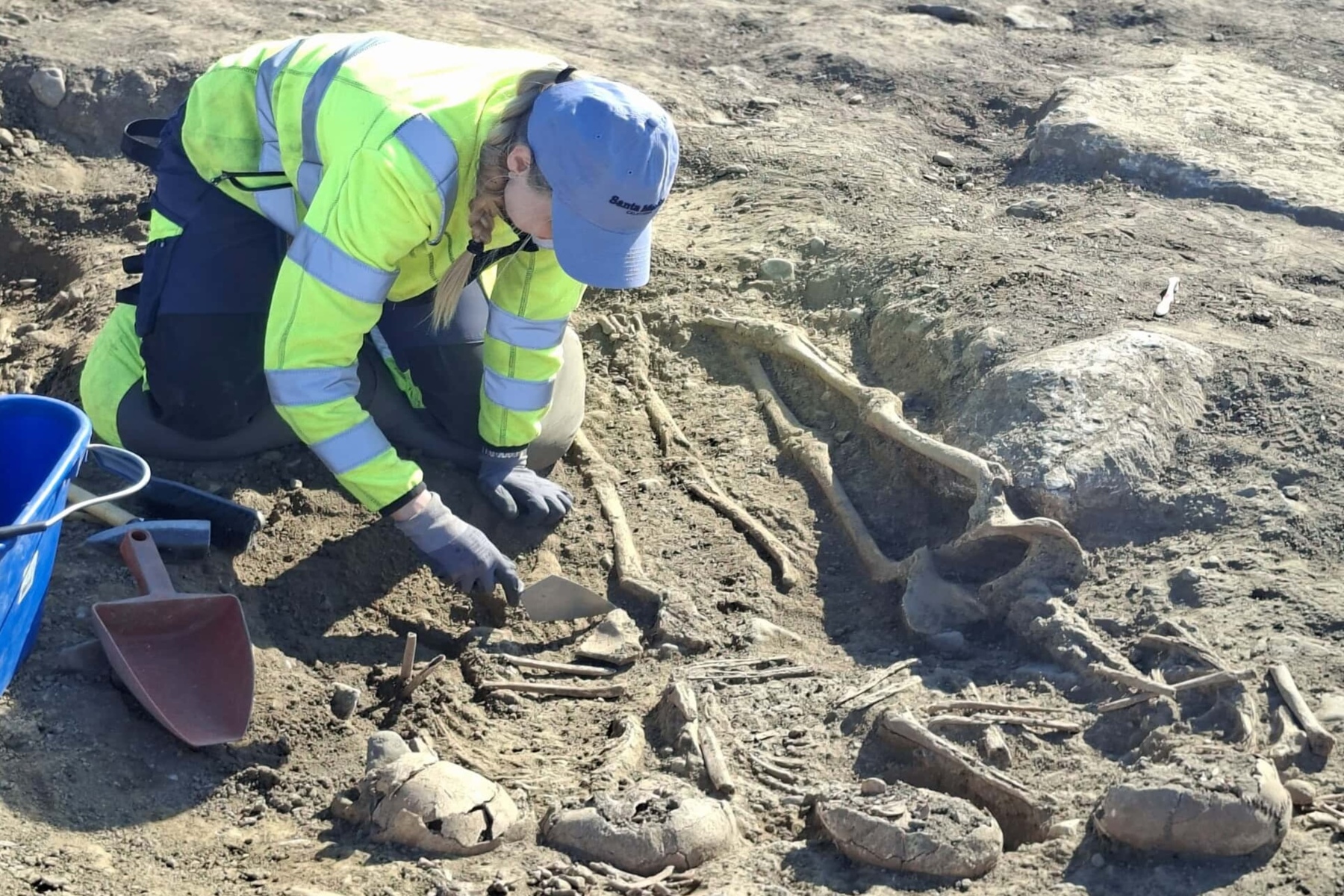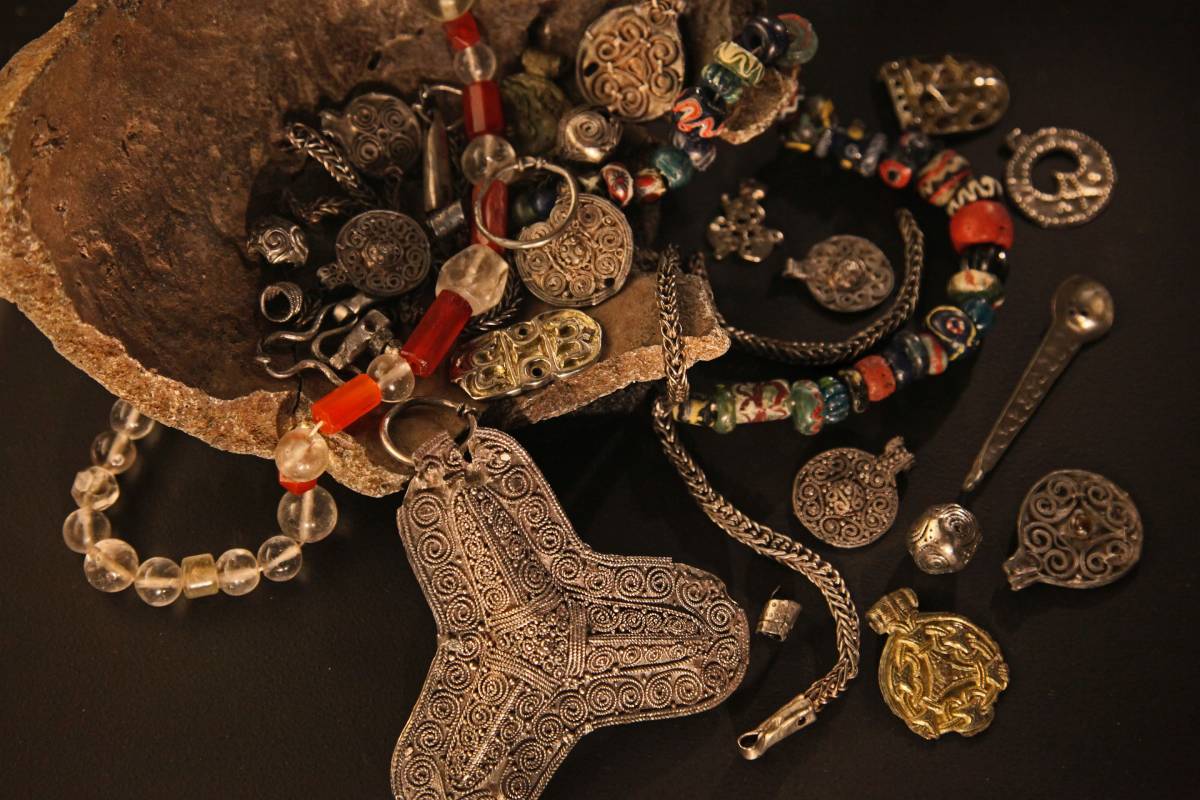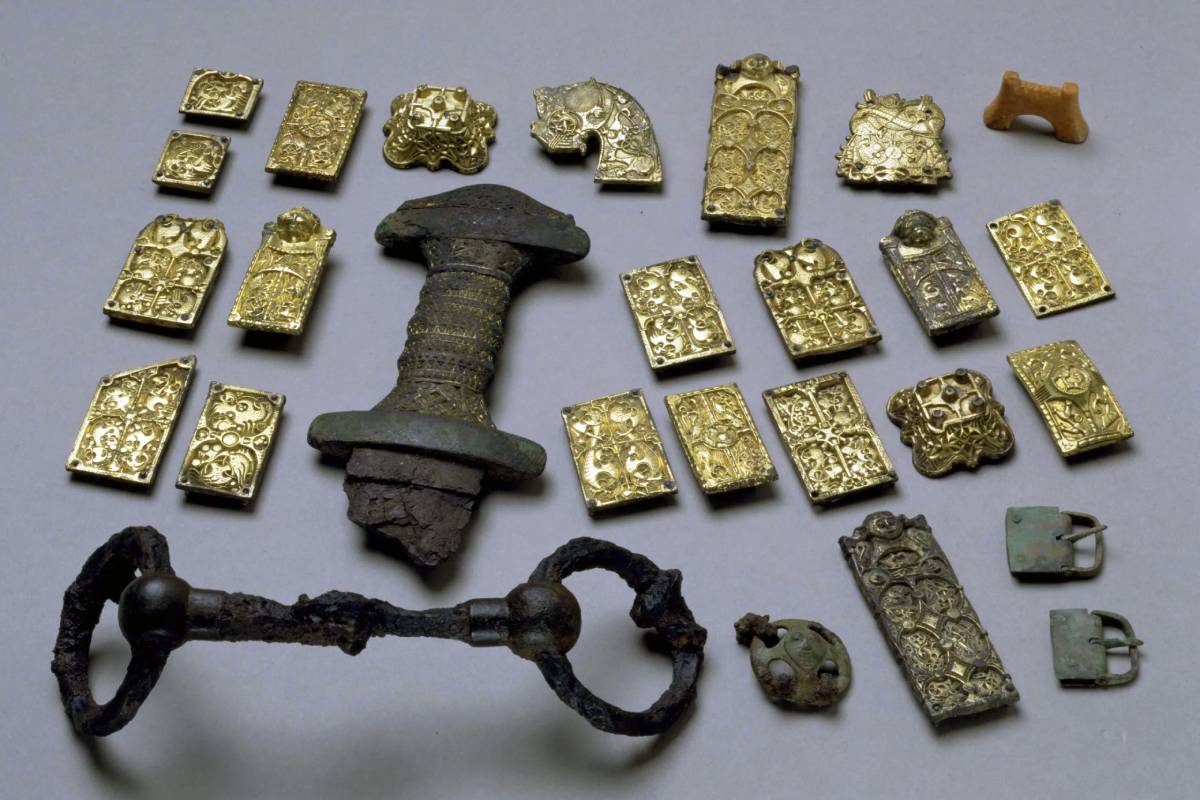


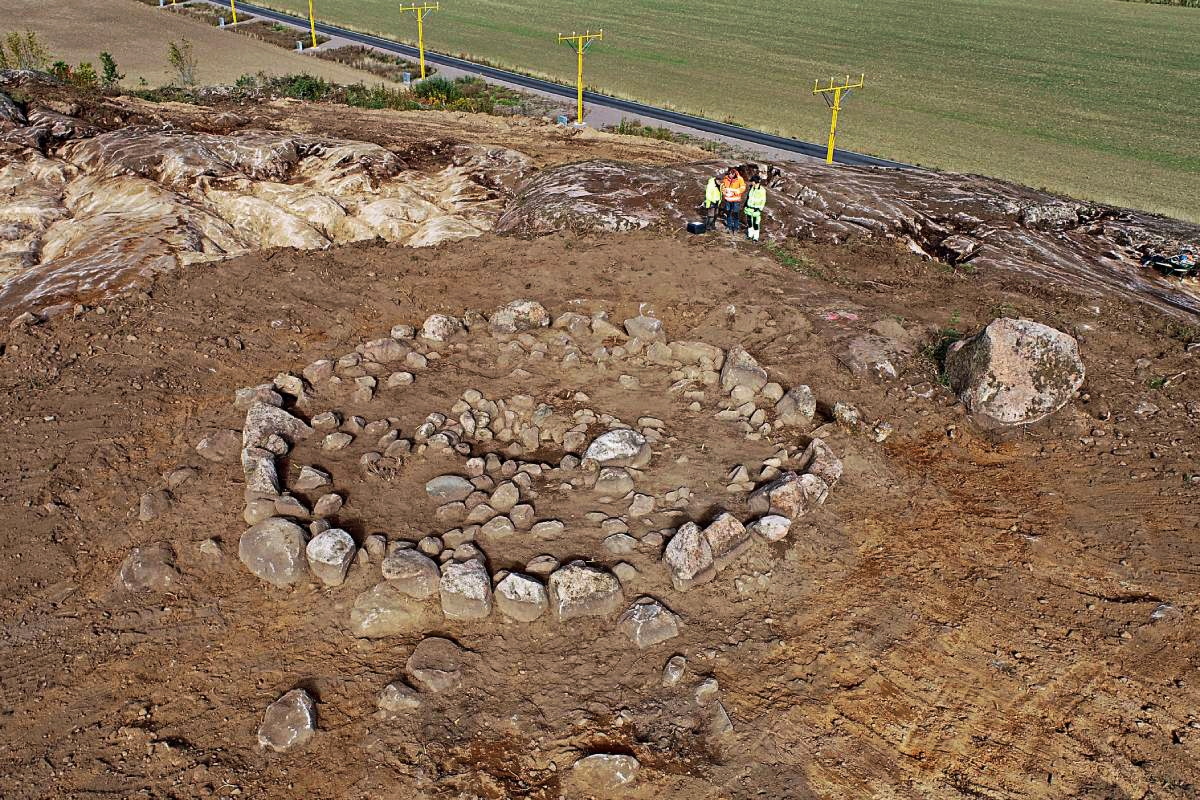
A 10th-century Viking Age grave uncovered in southern Sweden has surprised archeologists and raised questions about the transition from paganism to Christianity in the country.
The Viking Herald speaks to archeologist Alf Ericsson, who worked on the excavation, about why the find is so unusual and what kind of person might have chosen to be buried in this way.
Mixed signals
Alf Ericsson was part of a team that investigated the site on behalf of Arkeologerna, which carries out consultancy work for the Swedish Historical Museums authority. The excavation took place at Hackefors, a district on the outskirts of the city of Linköping.
Although the grave was found in 2022, publication of the results was delayed while the team waited for permission to disclose the results, as the burial area is situated on land used by the military.
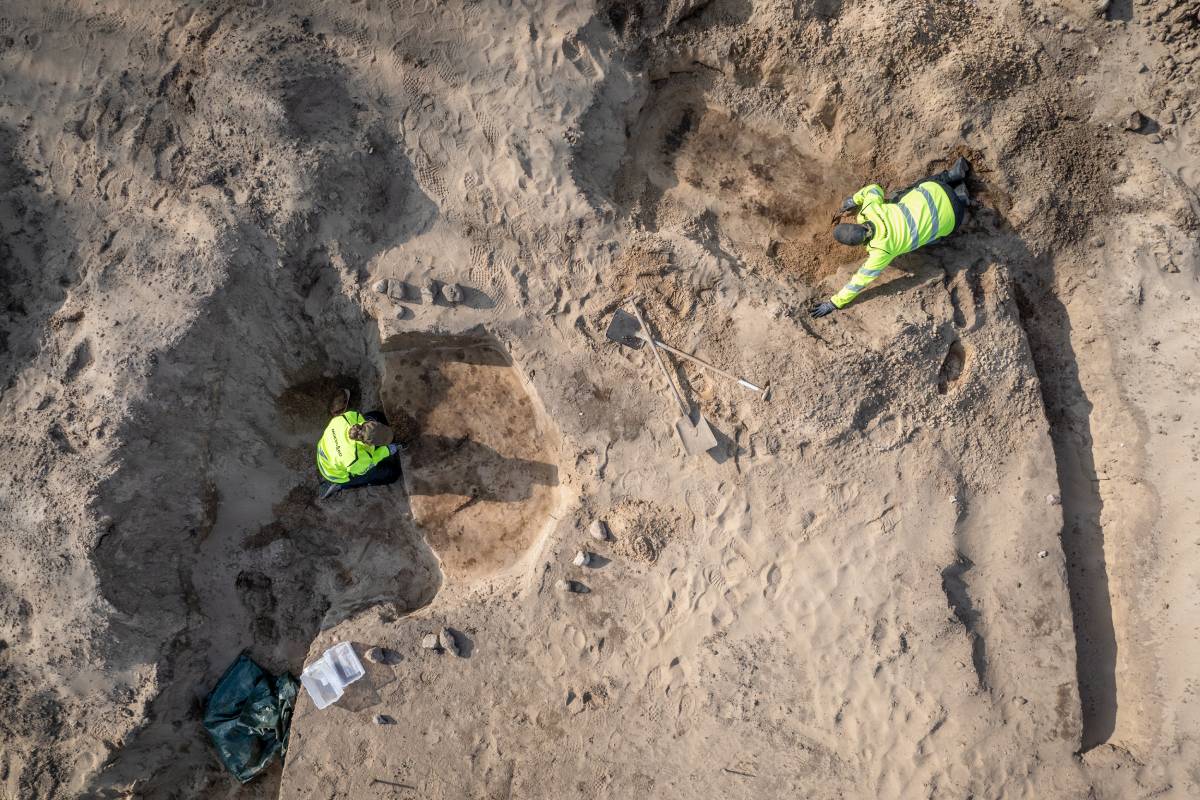
"We found the grave on top of a hill," Alf informs The Viking Herald. "There was a stone setting, a round construction about 10 or 11 meters in diameter."
"But the stones were special. They were large, erect boulders, which is not at all common in this area. In other ways, however, the grave was more typical."
"There was a knife and an axe in the grave, which is typical of the pagan period. But we could also see that there was a sunken thing in the middle."
Upon further investigation, the sunken area of the grave revealed the remains of a coffin. "The only thing preserved from the coffin was the nails," Alf explains.
"But from the distribution of the nails, we can see the form of the coffin. It was a kind of trapezoid shape. This is also typical for the time but for early Christian graves."
- READ MORE: The Viking history of Sweden at a glance
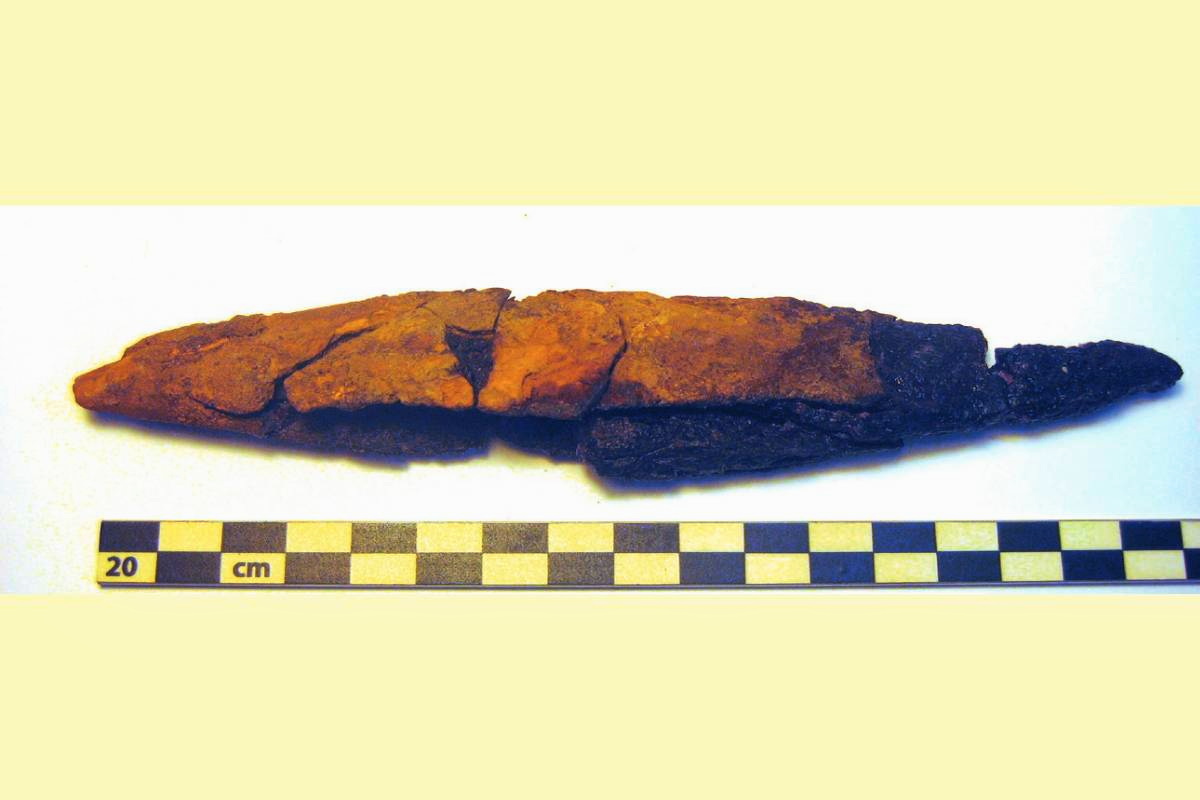
Although the burial was done in the Christian style, the inclusion of the knife as grave goods is typical of pagan customs. Photo: Arkeologerna
Comparing context and evidence
In other words, the grave presents notable elements of both the pagan and Christian traditions.
"To take an axe and a knife with you to your grave was more common in the pagan period," Alf explains to The Viking Herald.
"I think this was the old traditional way, to be buried close to the farm or the village in a kind of pre-Christian manner. In fact, at first we thought it was a prehistoric Iron Age burial."
As Alf points out, some earlier archeological excavations had uncovered early Iron Age sites in the local area. When the carbon dating set the site as the 10th century, however, the team began to reevaluate their considerations.
Notably, the presence of a nearby wooden church and an adjacent grave site from the same era has also been detected.
"We could also see that it is an inhumation grave, when the person is buried, not cremated," Alf adds. "There was nothing left of the person, but there were some textile fragments found on the axe and the knife."
"So we could see that it was an inhumation grave and also that the coffin was placed in the bottom of the shaft in an east-westerly direction. This, I think, makes it more Christian."
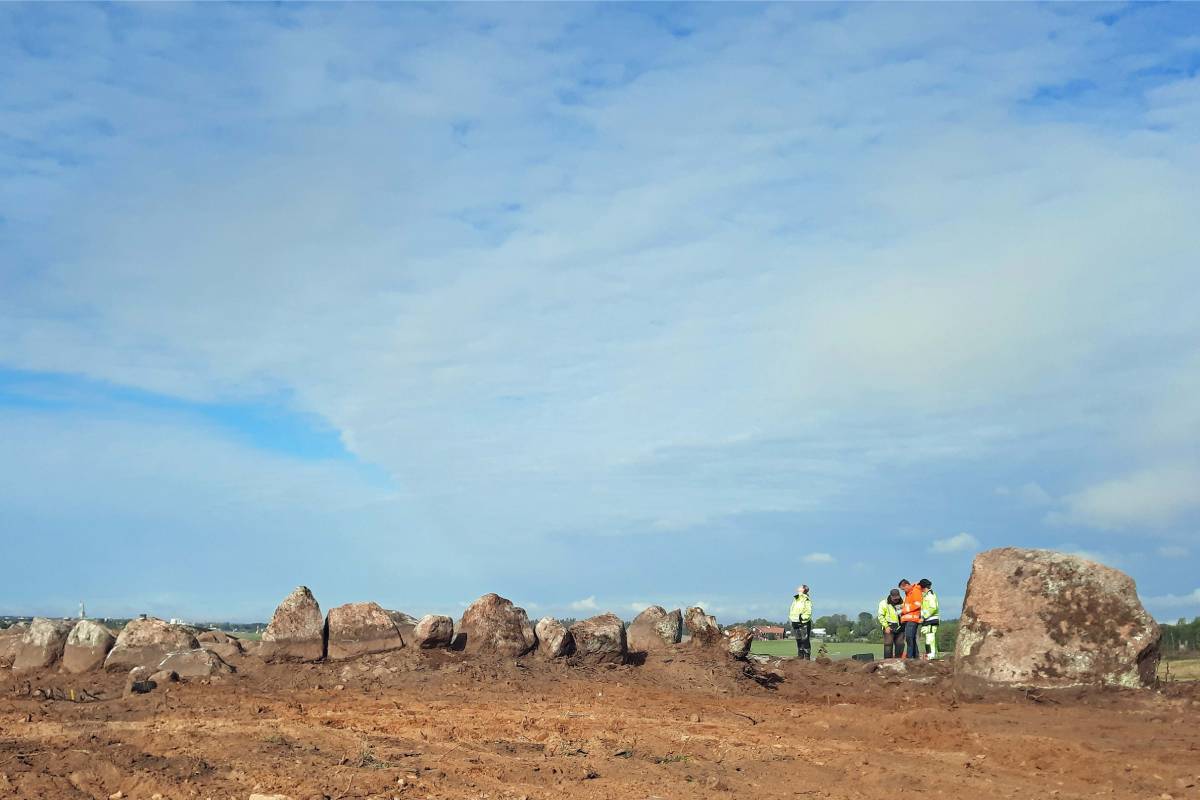
The grave's distance from other burials shows a deliberate decision to be away from both pagan and Christian communities. Photo: Arkeologerna
The lone location
This unusual blend of pagan and Christian features means that it is hard to categorize the site.
"We can say that it is a mixed grave. It must be related to the transition period here," Alf comments to The Viking Herald.
"There was a wooden church in the area that would eventually become the forthcoming city and bishopric of Linköping. This was a burial place for Christian people at this time."
In other words, the grave site was likely constructed when local people were moving from paganism to Christianity. Yet, as Alf notes, the unusual mixed grave perhaps suggests that this was a single-minded individual.
"This person may have been Christian in some way, but he also wanted to be buried according to old custom," Alf explains.
"But from this perspective too, it is very special. Most people were buried on grave fields with mounds or a lower stone setting with turf."
"This person didn't want to be buried with other people in the nearby pagan burial fields, and he didn't want to be buried close to the wooden church. He wanted to erect a grave just for himself on top of this hill."
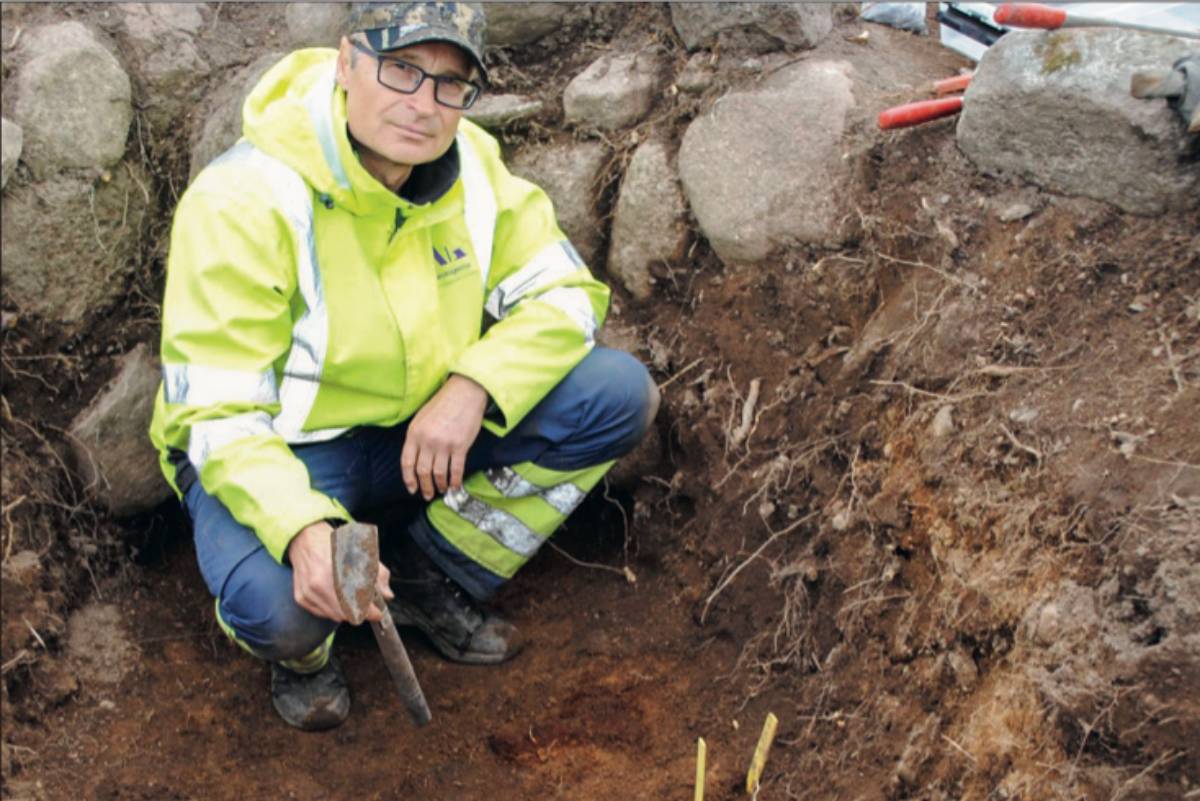
Alf and his team remain curious about the grave's unusual features and wonder if similar examples exist elsewhere in Scandinavia. Photo: Arkeologerna
"He wanted to go his own way"
"There is another notable thing about this place," Alf adds. "It was erected above a small grave frame from the early Iron Age, the first century BCE. There was a cremation under this grave burial and another small cremation outside the stones from the first two centuries BCE."
Overall, it feels clear that the individual deliberately sought out a location that would stand out from the rest.
"There's a tremendous view of the plains at this site," Alf continues. "There are lots of plains around Linköping, and at the top of the hill you can see them very well. So it seems this person got rid of the old burial place and erected his own monument."
It is worth noting, however, that Alf and his colleagues are still searching for a conclusive explanation of their findings. Indeed, Alf appeals to other Viking Age experts to come forward if they have seen similar examples elsewhere.
"I would appreciate it very much if I could get some parallels to this burial," Alf admits.
"I don't think it's completely unique, but still… I don't know; perhaps this man really was different from the others. He wanted to go his own way to the other world."
We get to provide readers with original coverage thanks to our loyal supporters. Do you enjoy our work? You can become a PATRON here or via our Patreon page. You'll get access to exclusive content and early access.
Feel free to reach out to discuss potential stories that may be in the public interest. You can reach us via email at hello@thevikingherald.com with the understanding that the information you provide might be used in our reporting and stories.