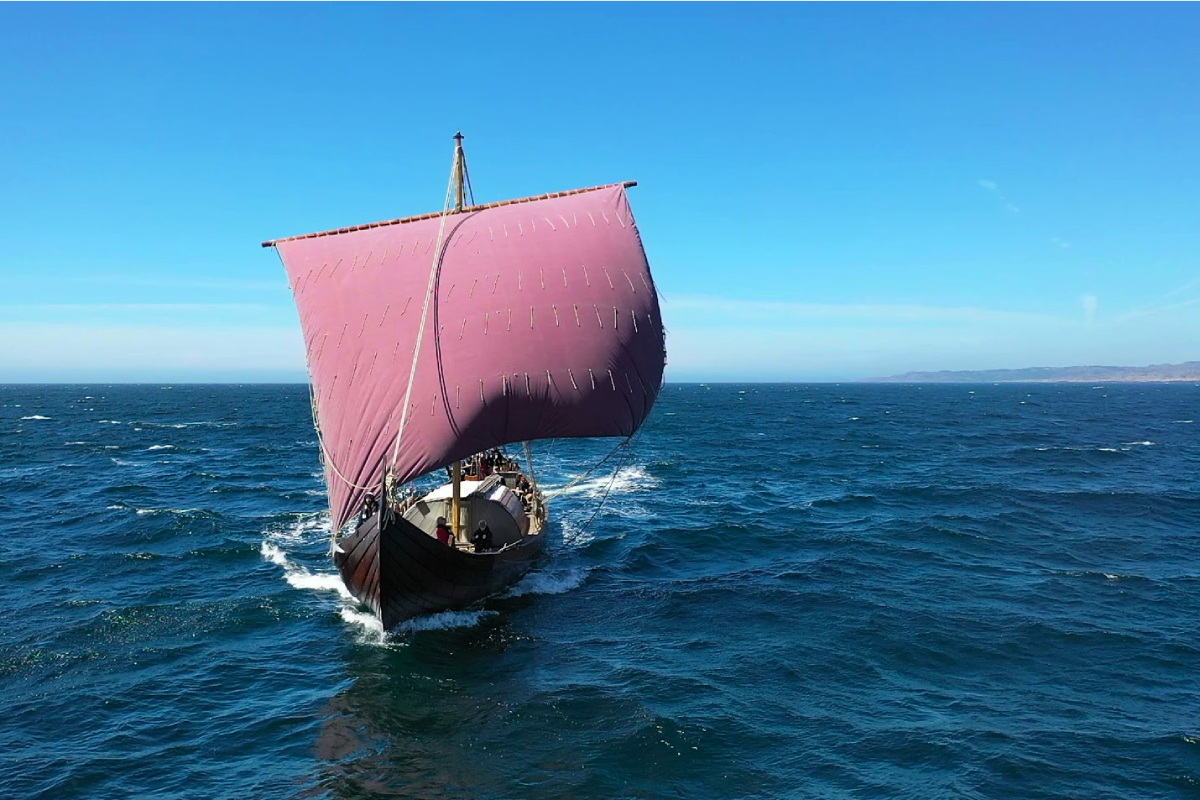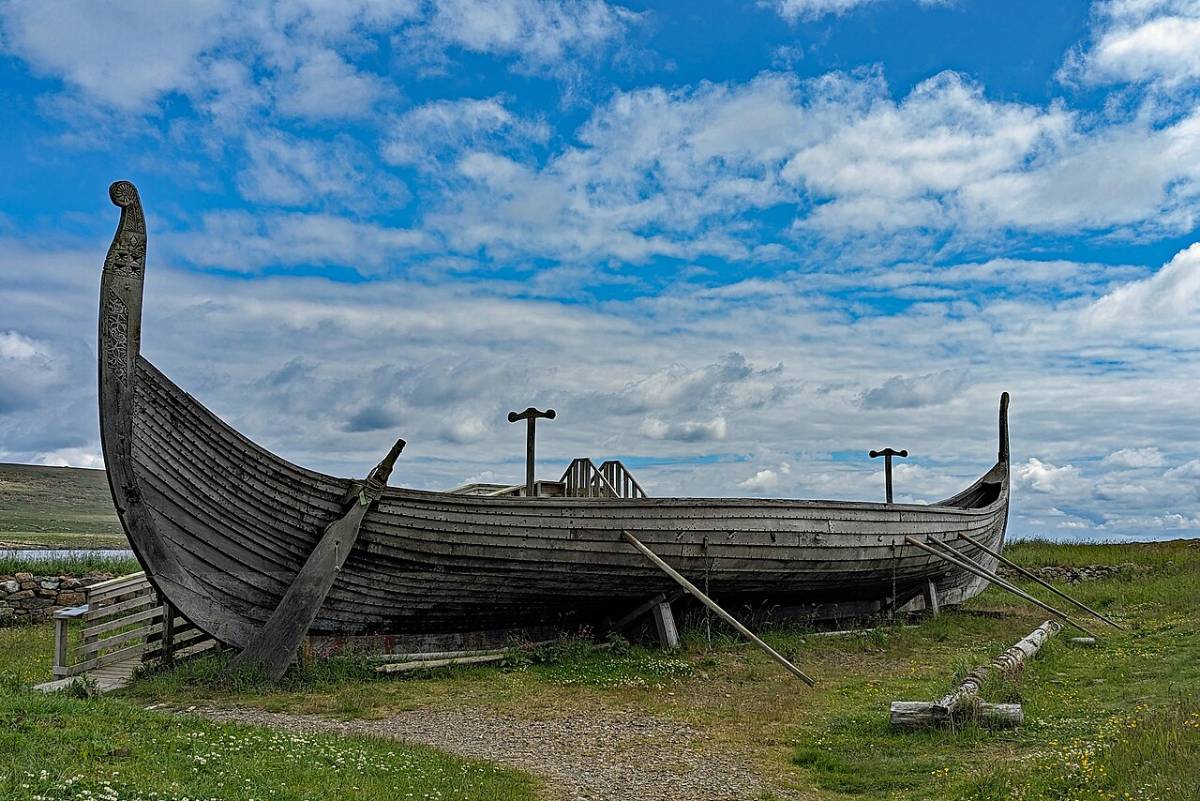


A study carried out by a Ph.D. student at Stockholm University and director of the Society for Combat Archaeology reveals that the shields discovered as part of the famous Gokstad burial ship may not have been for ceremonial use only.
Maritime and Prehistoric Archaeologist Rolf Fabricius Warming has just published the findings of his research into the fragments of 64 round shields that his Norwegian predecessor, Nicolay Nicolaysen, excavated in 1880.
Hidden secrets
The shields, part of the collection at the Viking Ship Museum in Oslo since 1932, were first analyzed by Nicolaysen and presented in his seminal publication of 1882, Langskibet fra Gokstad ved Sandefjord (‘The Longship from Gokstad by Sandefjord’), along with an illustration of how the vessel would have looked.
And yet, Warming argues, while acknowledging the unique value of Nicolaysen’s work, there has been precious little study of these objects since. In fact, even the 19th-century antiquarian himself only dedicated two half-pages of general notes concerning the shields.
As no weapons or jewelry were discovered on the Gokstad, the unimpressive fragments of 64 shields, while uniquely significant, barely merited deeper investigation. For decades, the greater part lay locked up in the museum storage, mostly undisturbed.
It is only now, nearly a century and a half later, that the shields are regenerating interest and attracting the attention of specialists. In Warming’s case, this took place in May 2019.
While there is no doubt that the shields were hung along both sides of the Gokstad in decorative fashion for the ceremonial burial of a Norseman of high status, Warming suggests that they may have been intended for combat, too.
His evaluation is based on newly observed constructional details and veers from previous interpretations, which concluded that the shields had been created for ritual burial.
Shortly after being transported to Oslo and evaluated in the 1880s, the shields were divided into two groups. Replicas were cobbled together from the most intact planks and attached to the ship for the public to view. The remaining fragments, without being cataloged, were simply boxed up and practically forgotten about.
Having found evidence of careful craftsmanship of the timber, and studied in detail the steep angles of the chamfered edges of the hand hole in the center boards – indicating easier handling for potential use in combat – Warming is now calling for a more thorough investigation.
After all, the shields do form part of one of the most important Viking discoveries of all time.
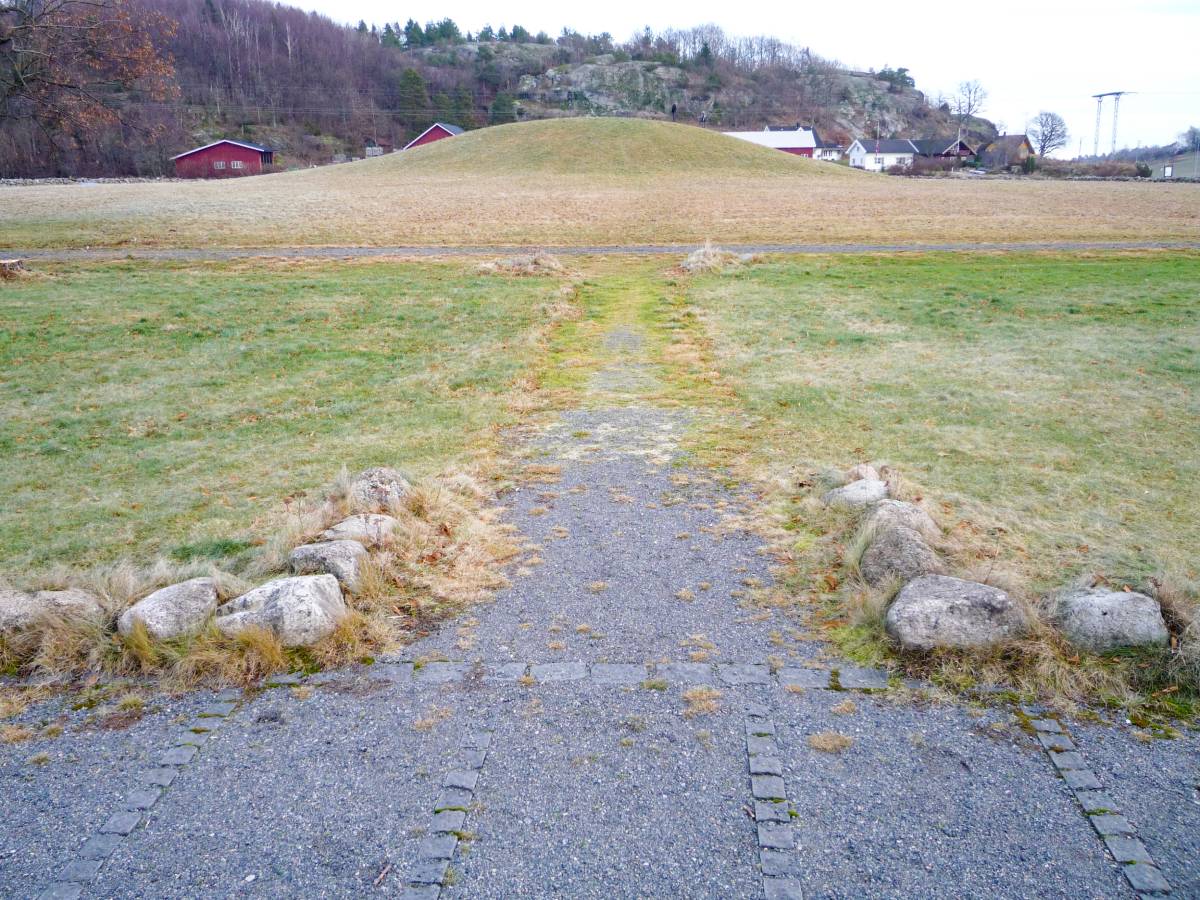
Pictured is a burial ground in Gokstad, Sandefjord, Norway. Photo: AB Photostudio / Shutterstock
What was the Gokstad ship?
The largest preserved Viking ship in Norway, the vessel takes its name from the farm in which it was found, near Sandefjord on Norway’s southwestern tip. Legends had surrounded the mound on the site for generations, and so the farmstead owner’s sons decided to dig around and find out.
In the depths of winter in 1880, the men cut away at the frozen ground to uncover the point of the long bow. As news spread, Nicolay Nicolaysen, then President of the Preservation of Ancient Norwegian Monuments, dashed down from nearby Oslo to see for himself.
First putting a stop to the initial imprecise hacking of the top of the burial mound, Nicolaysen had his team cut away from the side and found what he was looking for by day two.
Among the finds within was the skeleton of a man aged between 40 and 50, in a burial chamber surrounded by a number of animals, horses, and dogs, as well as riding equipment and three smaller boats. There was no gold or silver.
The ship is nearly 24 meters long and just over five meters wide. Holes for 32 oarsmen lined the sides, with crew estimates of being between 40 and 70 men. Dendrochronological analysis later dated it to around or just after 890.
The Gokstad was put on display in the Viking Ship Museum until recently. A new home, currently under construction, will provide the vessel with protective surroundings in which the public can admire her.
We get to provide readers with original coverage thanks to the support of subscribers to The Viking Herald's Facebook page. Do you enjoy our work? You can SUBSCRIBE here or via our Facebook page. You'll get access to exclusive content and behind-the-scenes access.
Feel free to reach out to discuss potential stories that may be in the public interest. You can reach us via email at hello@thevikingherald.com with the understanding that the information you provide might be used in our reporting and stories.