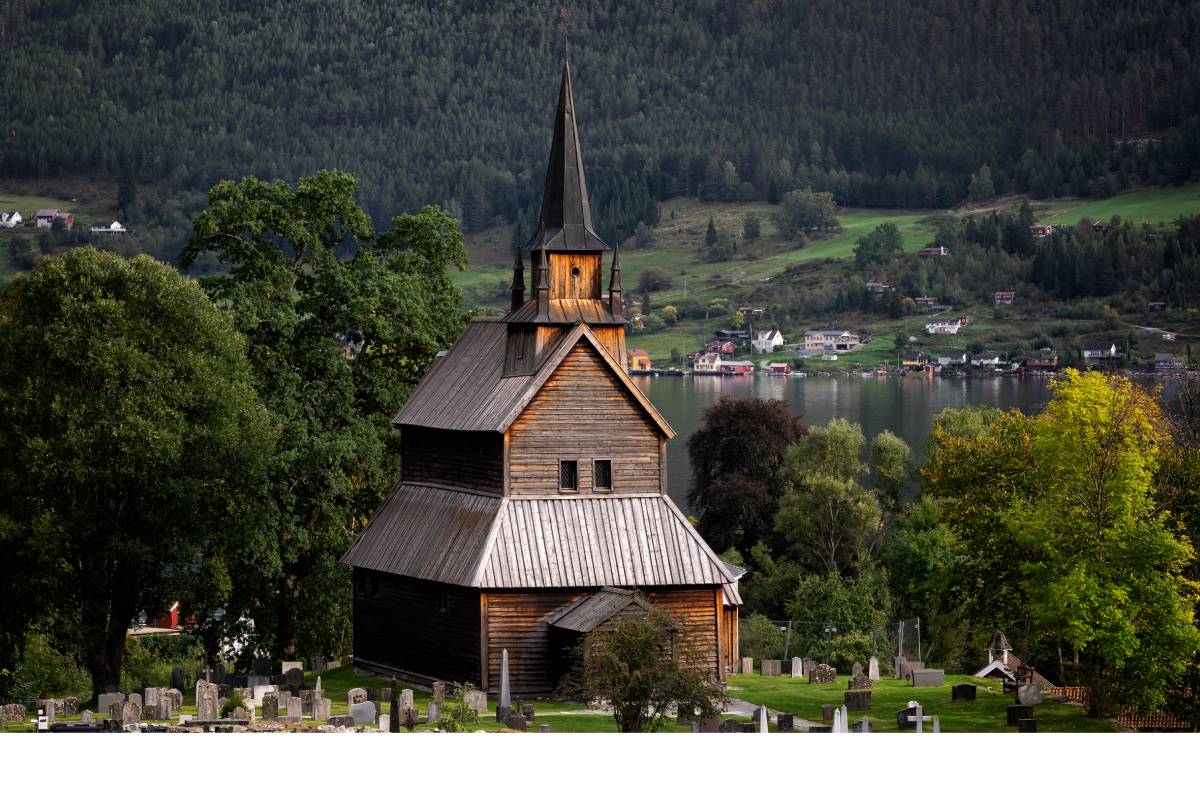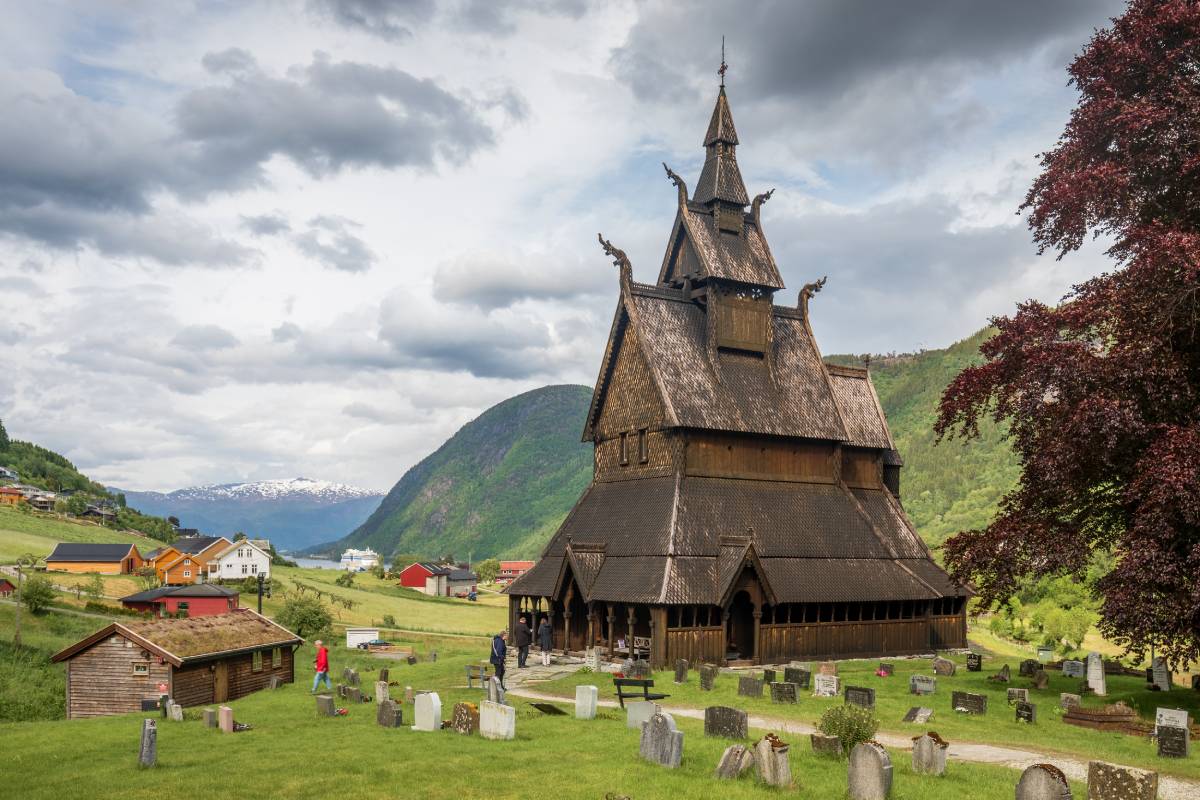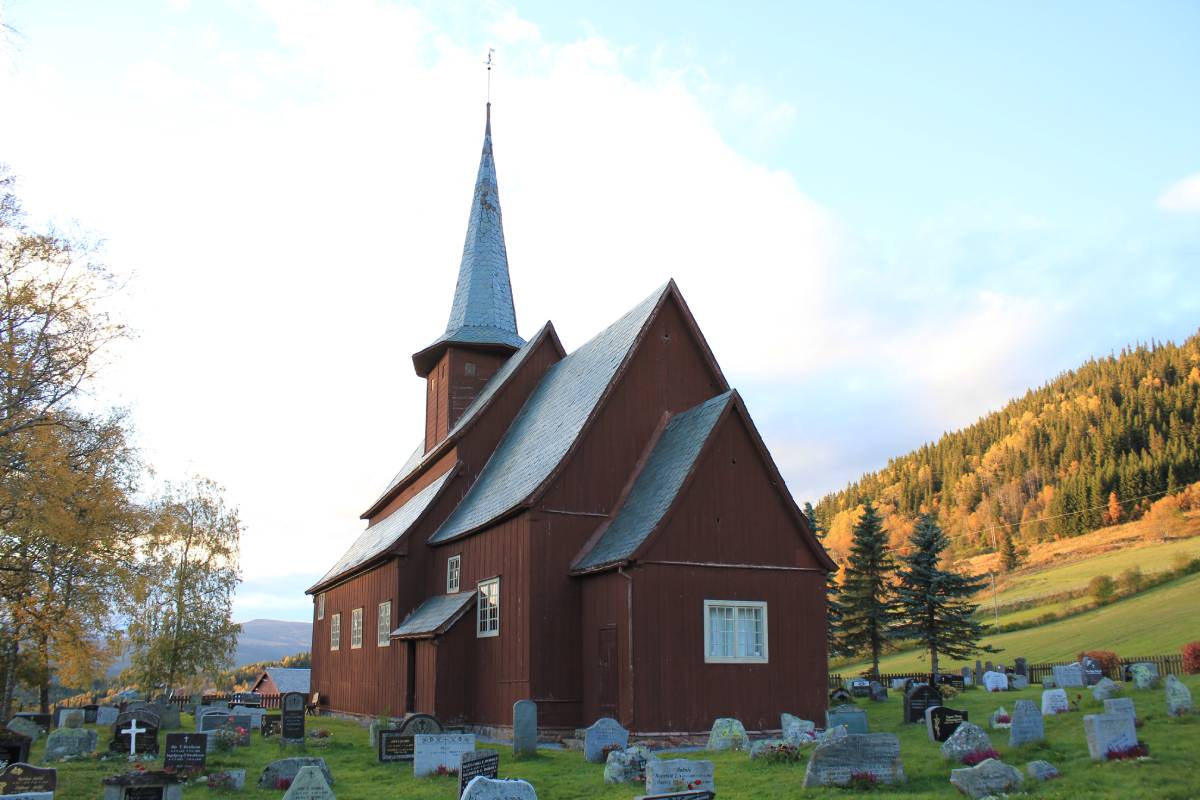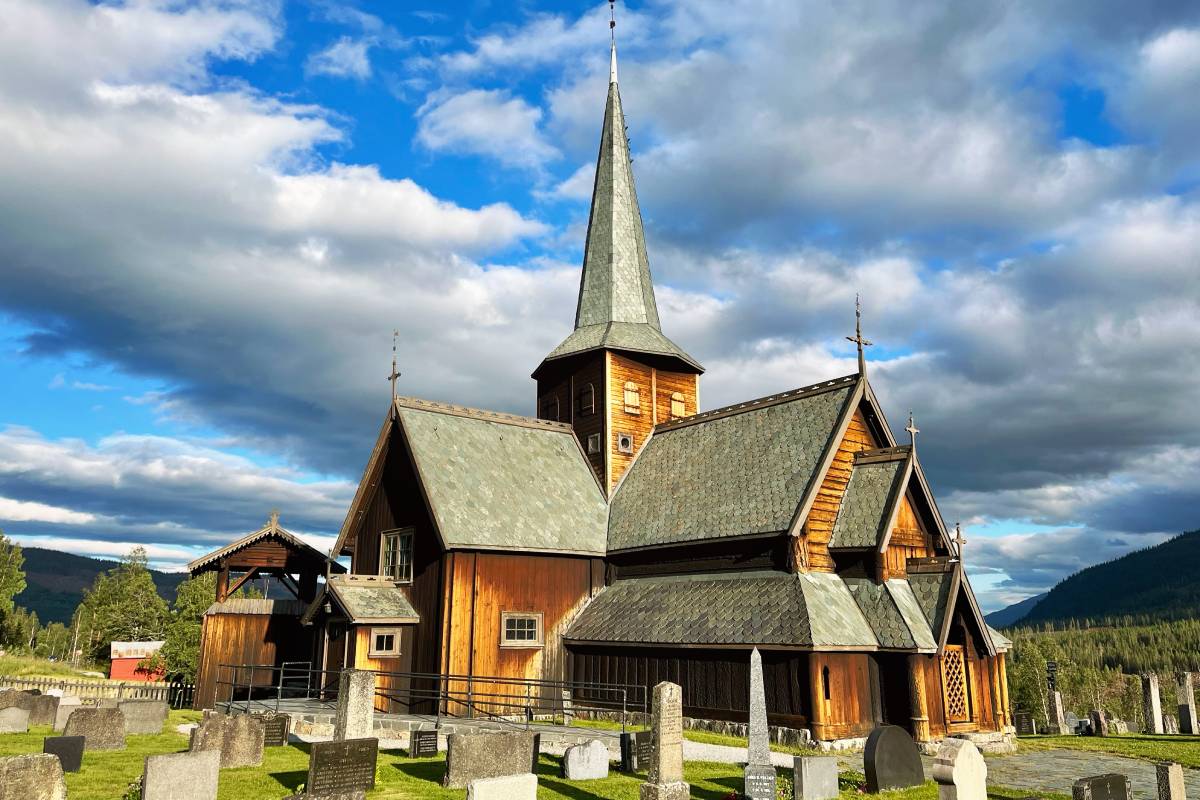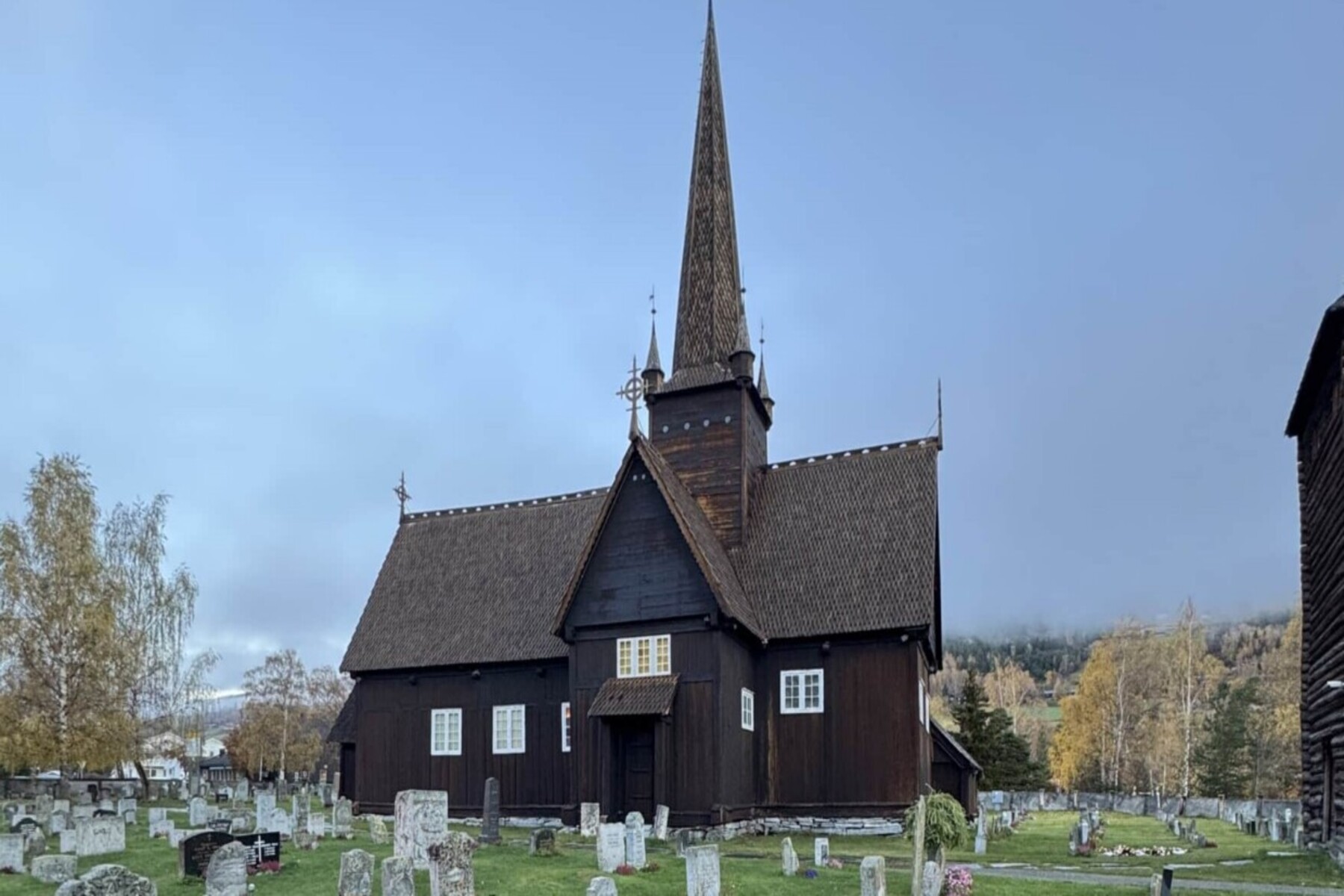
Thanks to the skill and technological brilliance of researchers from the Norwegian Institute for Cultural Heritage (NIKU), a whole new historical chapter of the storied Vågå Church is being uncovered. Investigations into the materials of the 17th-century church in Innlandet county, Norway, have revealed a series of older remnants that were likely part of previous structures.
A truly historic building
The church, in the Diocese of Hamar, has stood as the center of the local district since the completion of its construction in 1627.
Countless baptisms, deaths, and marriages have taken place in the hallowed halls. The building was also one of only 300 valgkirke (literally "election churches") that were used as polling stations during the seminal 1814 Norwegian Constituent Assembly elections. It was these elections that chose representatives who would go on to write the Constitution of Norway, which is still celebrated every year on May 17.
Now, a team of researchers from NIKU have uncovered the earlier medieval origins of Vågå Church, including some notable elements of Viking art and design.
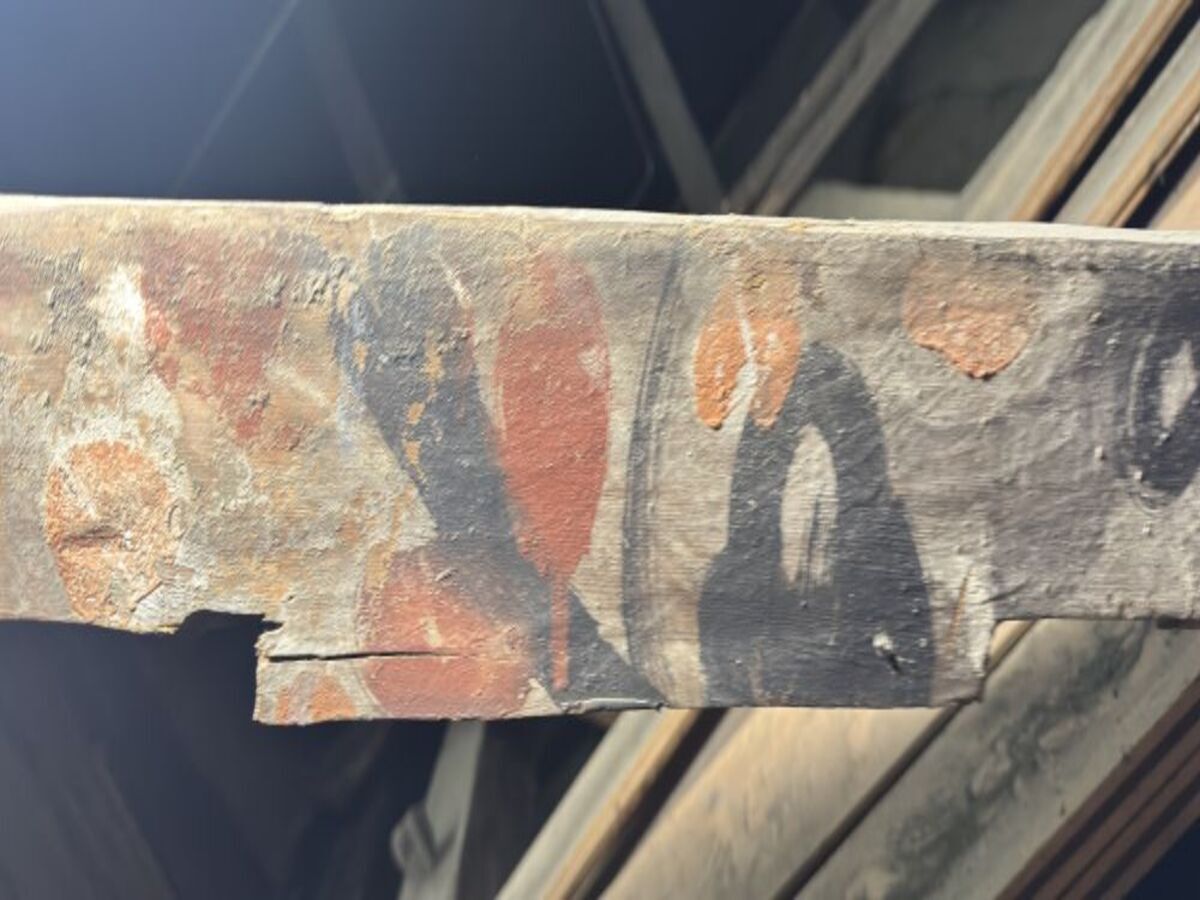
Wooden beam detail. Source: NIKU
Wooden wonders
The research team has been examining wooden beams and boards – largely found in the church’s attic – that display treatments and characteristics which seem to suggest early medieval origins. Indeed, some of the materials used in the church’s construction may have been part of the local church environment for more than 900 years.
Whilst the current church was constructed in the early modern period, it was largely built upon the site of a much older stave church that was first consecrated back in the 12th century CE, in the dying embers of the Viking Age. Some of the designs found here have similarities with art found in the Viking Age.
Speaking to NIKU online, the researcher and art historian Kjartan Hauglid said, "The exciting thing is trying to understand what the wood tells us about its previous use. A mark that looks insignificant at first glance can become significant when we see it in context with the rest of the construction."
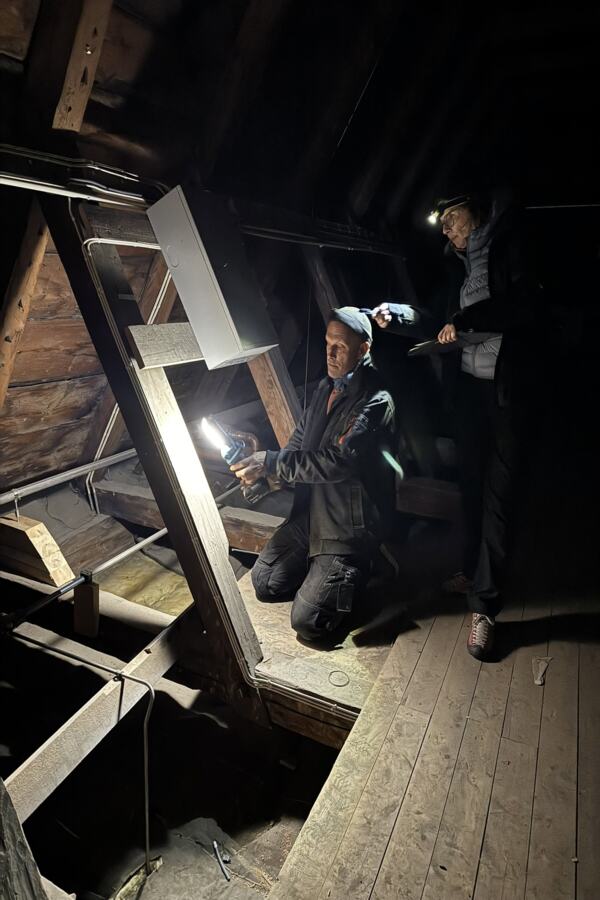
Traditional craftsman Jørn Berget and RA director Ingeborg Magerøy inspect the roof structure. Photo: NIKU
Viking heritage
Over the course of the past century, there has been an unprecedented discovery of wooden carvings and artifacts from the Viking Age. Unlike most famous artifacts which have been unearthed, however, the Viking history of Vågå Church, through its wooden structures and design, was hidden in plain sight.
According to Haugland, "These materials may have been both visible and hidden at the same time," like so much of Norway's Viking heritage. He then points out that the more ancient elements of the church "have been part of the church for generations, but the story they tell has not necessarily been known. It is only when we do thorough architectural archaeological investigations that we can begin to understand what they have been a part of."
An example of the church's earlier origins can be found in the woodwork and carvings of a section of the western wall. Here, there are decorative elements, including arches, that date back to the 11th century. These arches, according to the NIKU website, have also been referenced in Anglo-Saxon chronicles. Further analysis is likely to bring fresh results in the coming month.
We get to provide readers with original coverage thanks to our loyal supporters. Do you enjoy our work? You can become a PATRON here or via our Patreon page. You'll get access to exclusive content and early access.
Feel free to reach out to discuss potential stories that may be in the public interest. You can reach us via email at hello@thevikingherald.com with the understanding that the information you provide might be used in our reporting and stories.