

There are countless buildings constructed throughout the world whose construction and design are due to people we do not know.
These anonymous architects have built some of the most impressive buildings in history, from the Great Pyramids of Egypt to the mighty Colosseum in Rome to the impressive Osaka Castle.
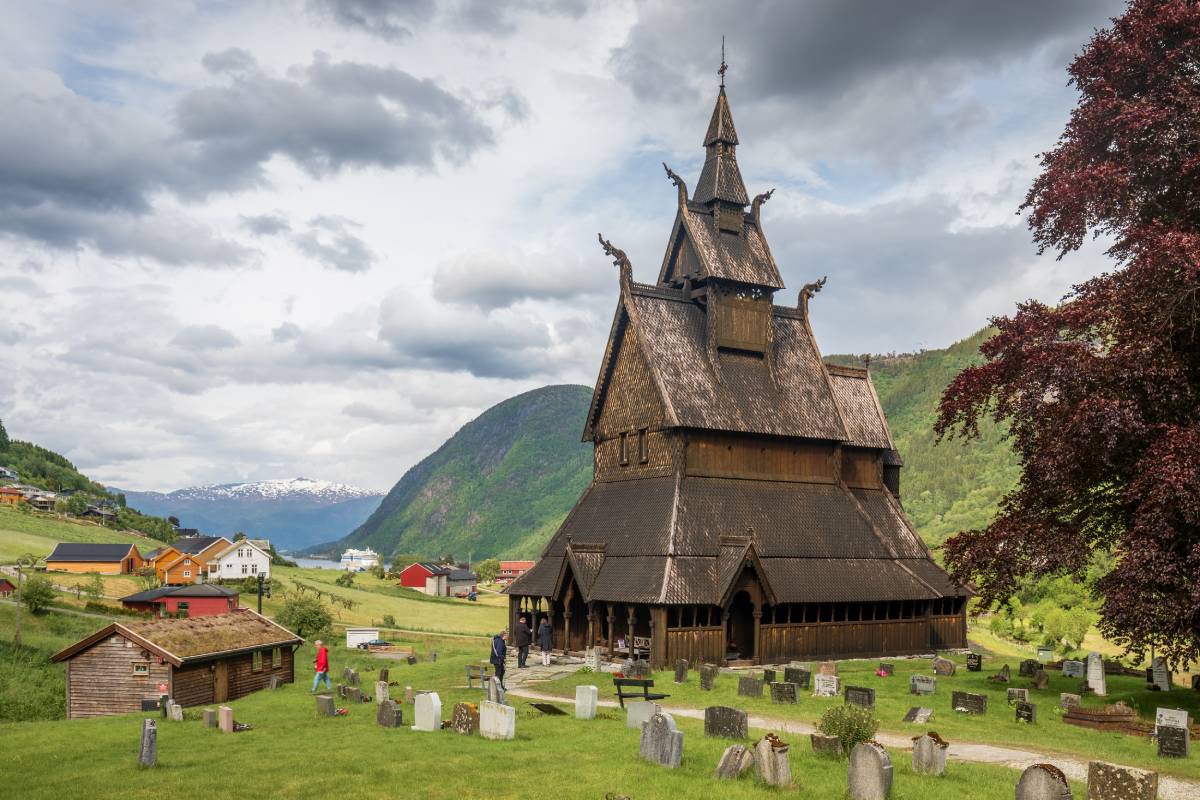
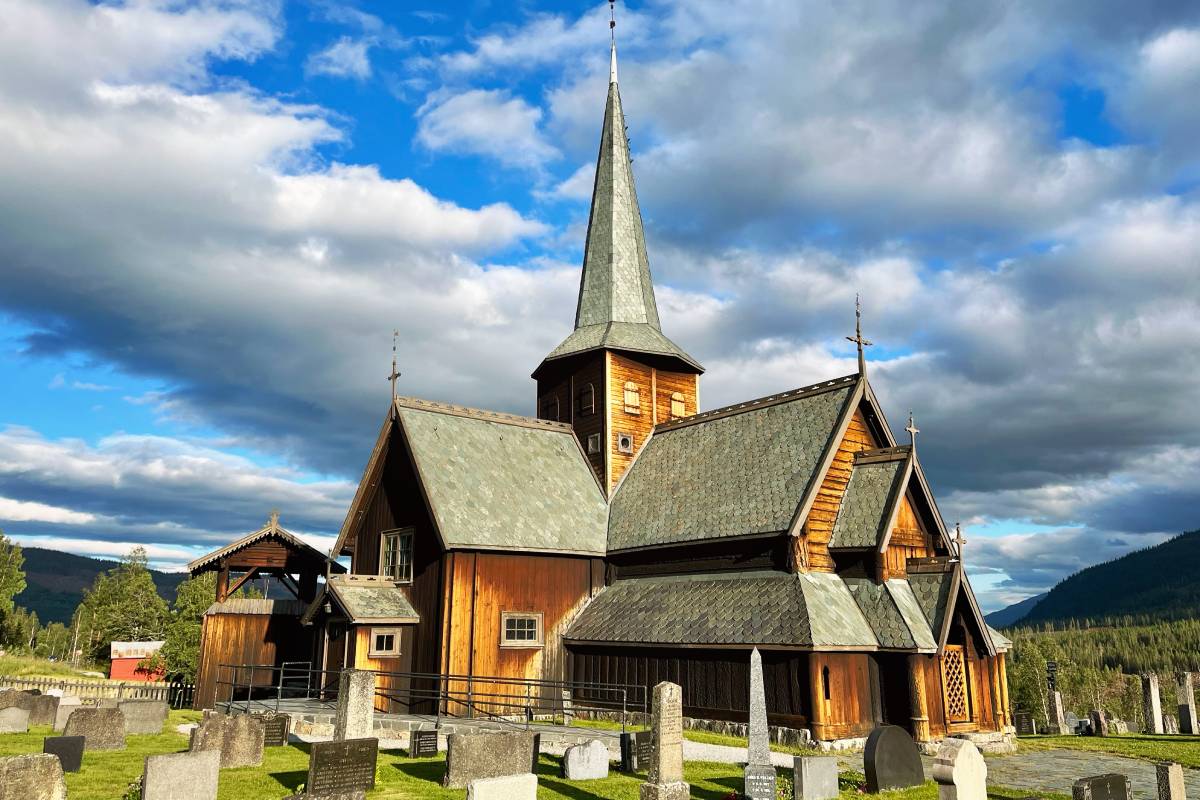
Another historical building with an unknown architect—and, in the humble opinion of us here at The Viking Herald, just as impressive as any of those already mentioned—is the Hedalen Stave Church.
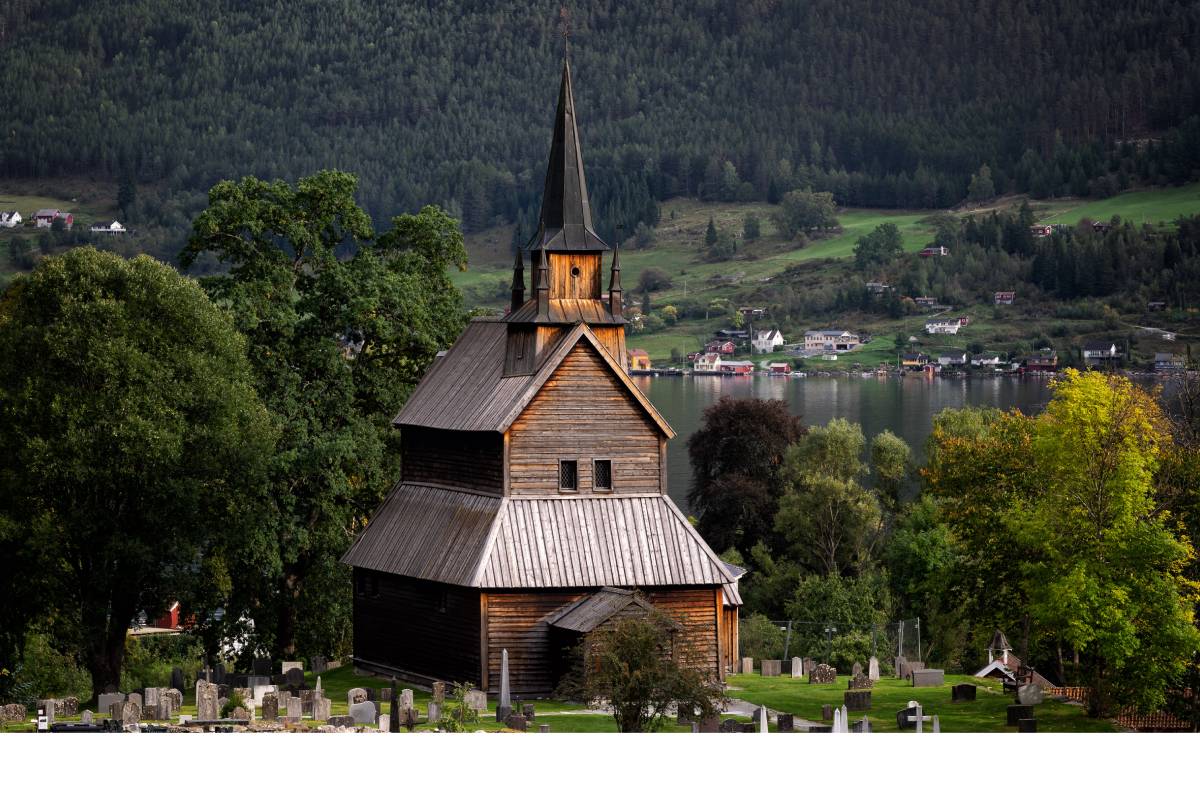
Located in the gorgeous valley of Hedalen, in the county of Innlandet, north of the nation's capital, Oslo, it has been a constant fixture in the region since its construction sometime in the mid-12th century CE.
The earliest surviving written record of the church dates from 1327. Modern dendrochronological studies, however, show that the timbers used in its construction were felled around 1160, which places the actual building of the church more than a century earlier.
This makes the Hedalen Stave Church almost a millennium old and certainly one of the most storied buildings in Innlandet County. Before we delve into what it has seen down through the ages, let us first look at the church itself.
A synthesis of ideas and religions
We do not know who built it, but its design harks back to a time when Norway was still weaning off its adherence to the Old Norse religion.
As Anders Hultgård noted in his chapter "The Religion of the Vikings" in The Viking World (2008, ed. Stefan Brink and Neil Price), Christianity had, by the time the church was constructed, secured a foothold in the hearts and minds of Norway’s political and ruling elite, but there was still a strong affiliation with the old gods.
The Hedalen Stave Church reflects this transition, bringing together older decorative traditions with Christian forms and motifs.
The most striking feature of the interior is the decorative entrance. The portal above the door is one of the most intricately carved and designed examples of this fusion.
Three winged dragons dominate the scene, set among a leaf pattern. Dragons of this kind appear often in stave church carvings. They may recall the mythical beasts of the sagas, but they have also been read as symbols of the Christian struggle between good and evil.
The leaf design, meanwhile, may evoke the world tree Yggdrasil in Norse mythology or serve as a more general Christian symbol of spiritual growth.
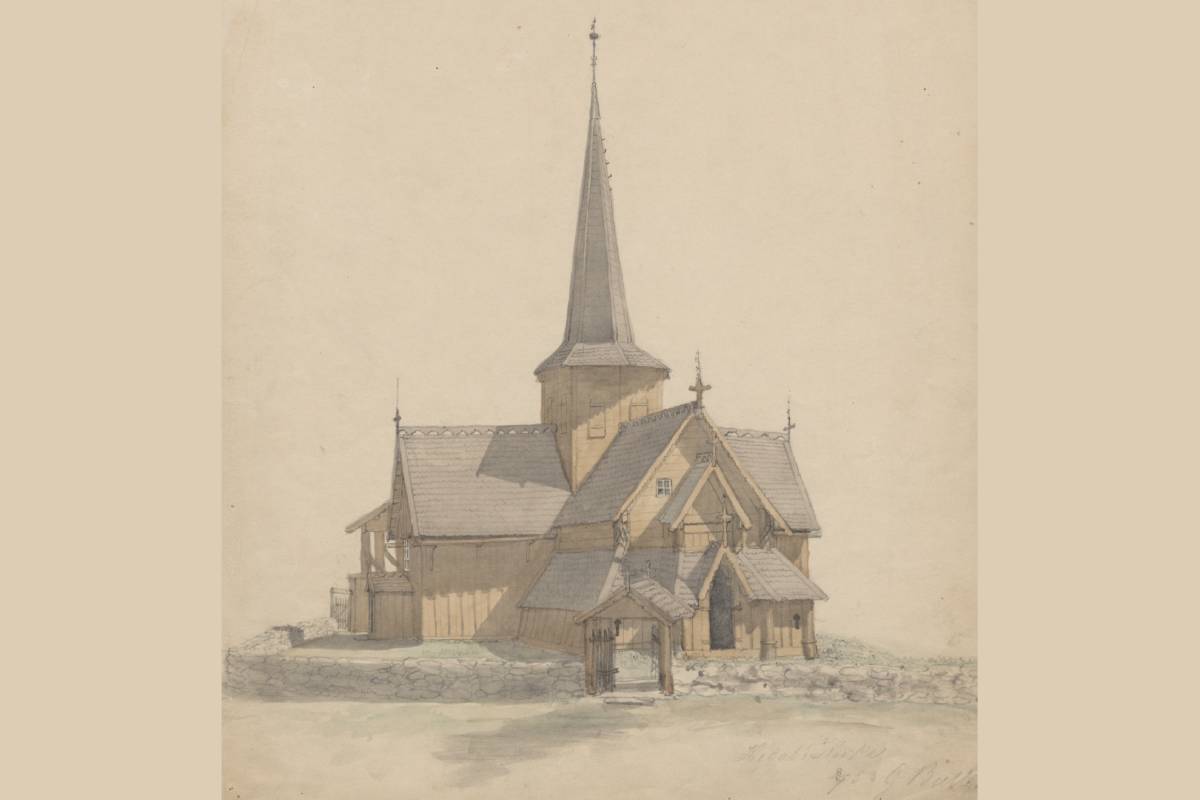
This architectural rendering of Hedalen Stave Church is captured in a watercolor and ink drawing from 1853. Author: Georg Andreas Bull (1829–1917)
Martyred saints near and afar
Near the center of the church is a wooden reliquary, storage for relics. Believed to have been constructed sometime between 1170 and 1220, it depicts several scenes from the Bible as well as scenes from the martyrdom of the English saint Thomas Becket.
The period when the church was constructed was at the height of devotion to the martyred Archbishop of Canterbury and shows how, despite its location in rural Norway, Hedalen was connected to events unfolding in other Christian kingdoms near and far.
Aside from Becket, historians believe there is another connection to a martyred saint, this time closer to home.
Ornamenting the reliquary are dragon heads that are thought to have been inspired by the dragon heads on the reliquary that housed the remains of St. Olaf, Norway's patron saint and former Viking king, kept in Nidaros Cathedral.
As Anders Winroth wrote in his 2012 book, The Conversion of Scandinavia (available on Amazon here), this would link a small rural church to the impressive medieval cathedral in the nation's capital and foster devotion to the cult of Saint Olav, an important social and religious force in medieval Norway.
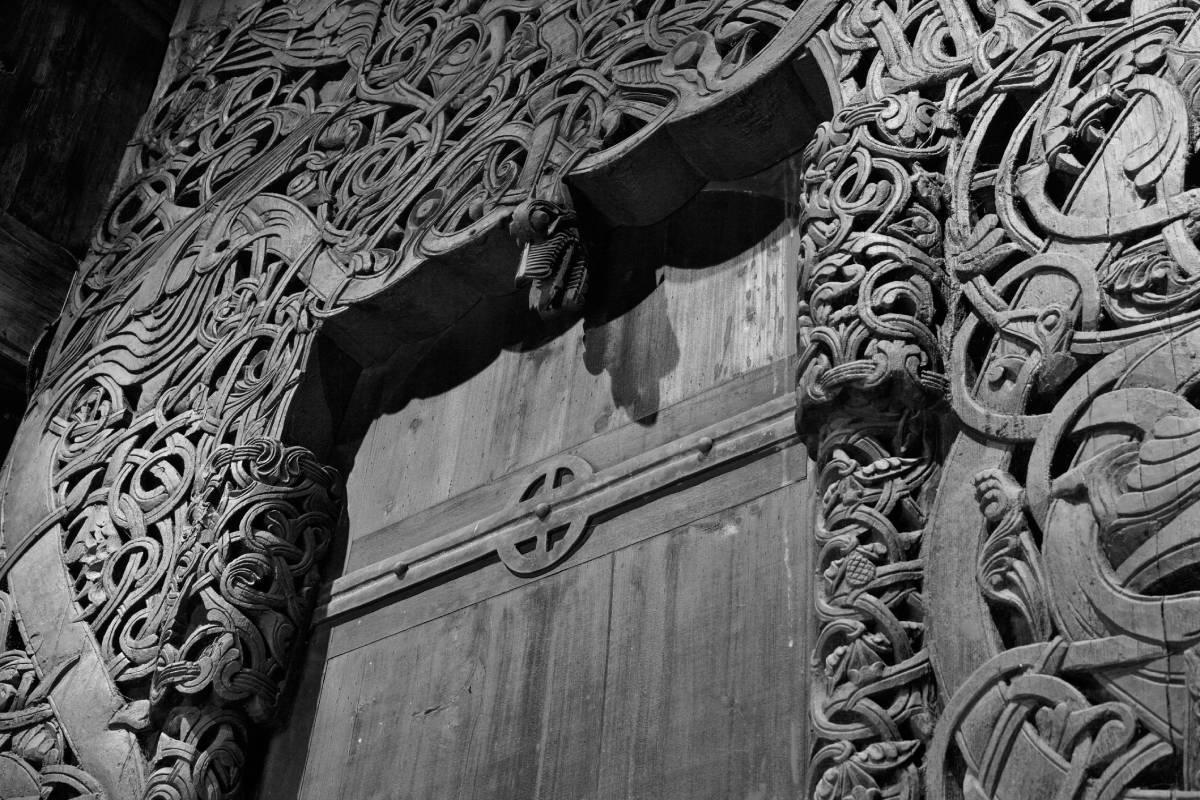
The intricately carved wooden portal of Hedalen Stave Church features interlaced dragons and foliage motifs. Photo: Edmund Schilvold (CC BY-SA 4.0)
Survived the Black Death, degradation, and destruction
A little less than two centuries after its construction, the Hedalen Stave Church faced its biggest existential threat: the Black Death.
Whilst the bubonic plague did not affect the structural integrity of the church, it decimated those who worshiped in it. It is believed that as much as a third to almost half of Norway's population died as a direct result of one of the worst pandemics in human history.
The Black Death reached Hedalen and had such a devastating impact on the local population that the church remained unused. It would take centuries, until the 16th century, for population levels in Hedalen to recover to their pre-pandemic levels, ensuring the return of communal worship in the church.
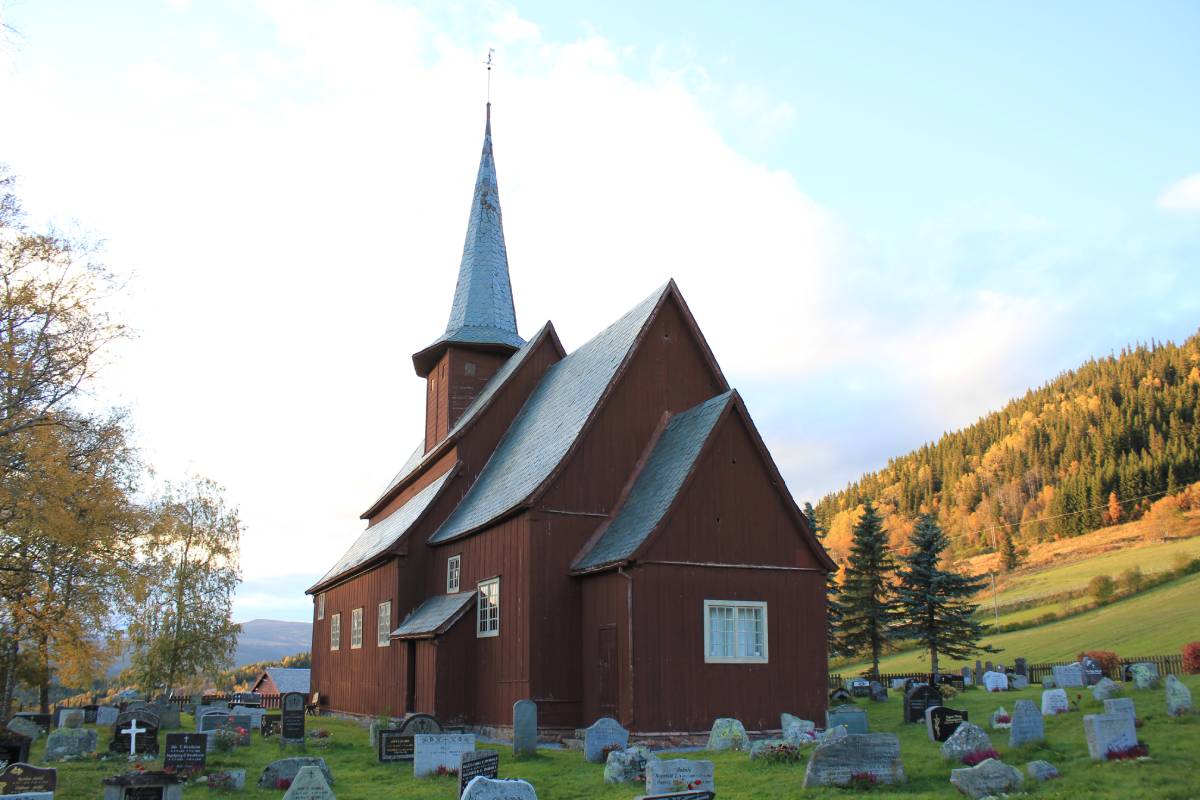
By the end of the 17th century, the church had suffered enough wear and tear to warrant restoration and remodeling. A new tower was constructed in 1738, and major restoration work was undertaken during the first decade of the 20th century.
Hedalen Stave Church has thus not only survived centuries of wear and tear but also dramatic population decline and growth caused by one of the most seismic and devastating events in Norwegian history.
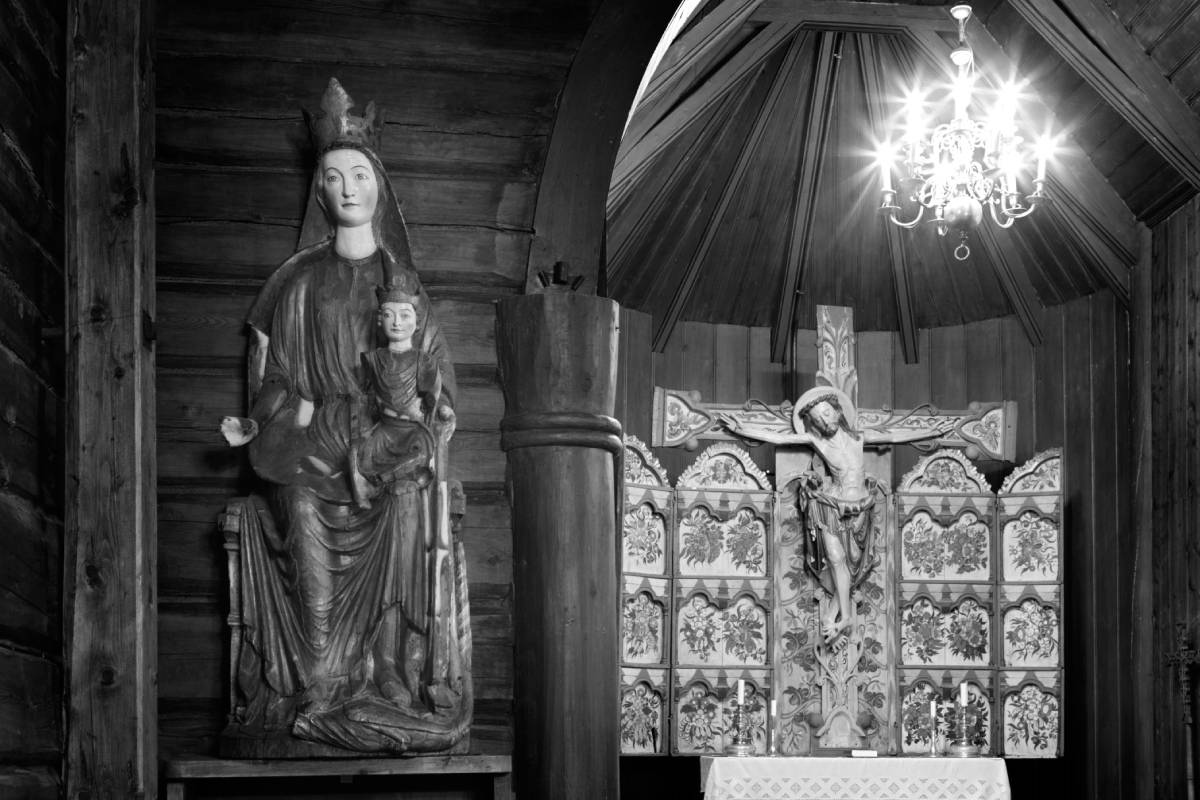
Inside Hedalen Stave Church stands a 13th-century Madonna statue together with a 14th-century crucifix. Photo: Edmund Schilvold (CC BY-SA 4.0)
Holy permanence
The church also houses one of the most important pieces of art from medieval Norway, a statue of the Virgin Mary that dates to the 13th century.
Although it was commissioned and constructed when Norway was a Catholic nation, the statue survived the Lutheran Reformation, when many Catholic artworks were destroyed in churches and institutions throughout Norway.
Major restoration work was undertaken in 1990 by the Norwegian Museum of Cultural History, and there was discussion over whether to move the statue to a museum.
However, the decision was made that the restored statue should remain where it has been since the medieval era, taking pride of place in the church near the altar.
Having survived plague, spiritual turmoil, and the general wear and tear of age, Hedalen Stave Church has remained a permanent fixture in this Norwegian valley for almost a millennium.
Housing some of Norway's most important pieces of medieval artwork, Hedalen Stave Church is an important part of the cultural, historical, and religious fabric of Norwegian society.
For more information on how the martyrdom of Thomas Becket was viewed throughout contemporary Europe, visit The Guardian here.
We get to provide readers with original coverage thanks to our loyal supporters. Do you enjoy our work? You can become a PATRON here or via our Patreon page. You'll get access to exclusive content and early access.
Feel free to reach out to discuss potential stories that may be in the public interest. You can reach us via email at hello@thevikingherald.com with the understanding that the information you provide might be used in our reporting and stories.