

A new study of historical DNA in early medieval Europe has found evidence of Scandinavian-related ancestry in Great Britain as far back as the Roman period.
The research also identified notable variations in ancestry in the period leading up to the Viking Age, as well as signs of immigration to Scandinavia during the Viking Age itself.
The investigation was carried out with the help of Twigstats, an innovative approach to statistical analysis in genome research.
Groundbreaking analysis
In the article, High-resolution genomic history of early medieval Europe, recently published in Nature, an international team of researchers describes their exploration of changing ancestry across Europe in the first millennium.
Through the analysis of genetic variation in historical populations, genome sequencing has already been used to substantially improve our understanding of the past movement of different groups of people.
However, as the researchers note, there have also been significant challenges when it comes to the analysis of populations where the various strains of ancestry have very similar characteristics.
In order to overcome these difficulties, the team employed Twigstats, a new statistical tool that enables a more precise analysis of genome patterns with the help of sophisticated mathematical theory.
The "twig" in the name refers to the twigs of gene trees studied using this technique.
The approach is believed to have led to a tenfold reduction in standard errors and enabled the team to identify previously unconfirmed patterns in Europe of the first millennium.
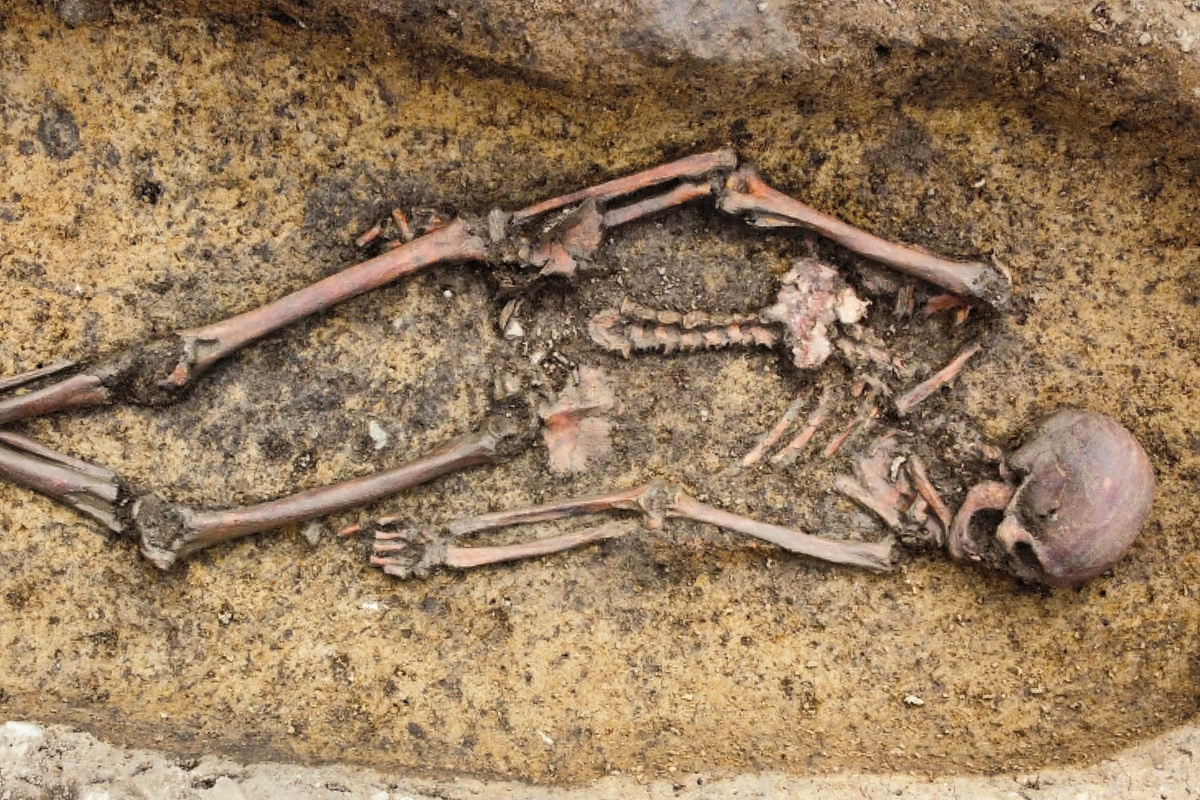
The migrations from Scandinavia or northern Germany likely began as early as the 1st century CE and extended over several centuries. Photo: Museum Odense
A wider influx
Using more than 1,500 whole genomes taken from Europe during the period of 0 to 1000 CE, the team looked to analyze the distribution of various types of genetic information – the genetic material of an organism – throughout the continent.
One of the most notable findings was the identification of two different flows of Scandinavian-related ancestry found in Western, Central, and Eastern Europe in the first half of the first millennium.
The term "Scandinavian-related ancestry" includes people from Denmark, Norway, and Sweden, but also some other Germanic peoples.
The pattern appears to show a migration from either Scandinavia or northern Germany into other parts of Europe as early as the 1st century CE.
Among other sites, the presence of Scandinavian-related ancestry was found in remains associated with the Wielbark culture in Poland, commonly associated with the Goths. This ancestry was also later identified in Hungary.
In the latter case, the burial under investigation has been dated to the 6th century and is thought to contain the graves of the Lombards, or Longobards, a Germanic people who conquered most of the Italian Peninsula in a period spanning the 6th to the 8th centuries.
Indeed, there is some suggestion that the more pronounced movement of Scandinavian people could be linked to the power vacuum left by the decline and fall of the Western Roman Empire.
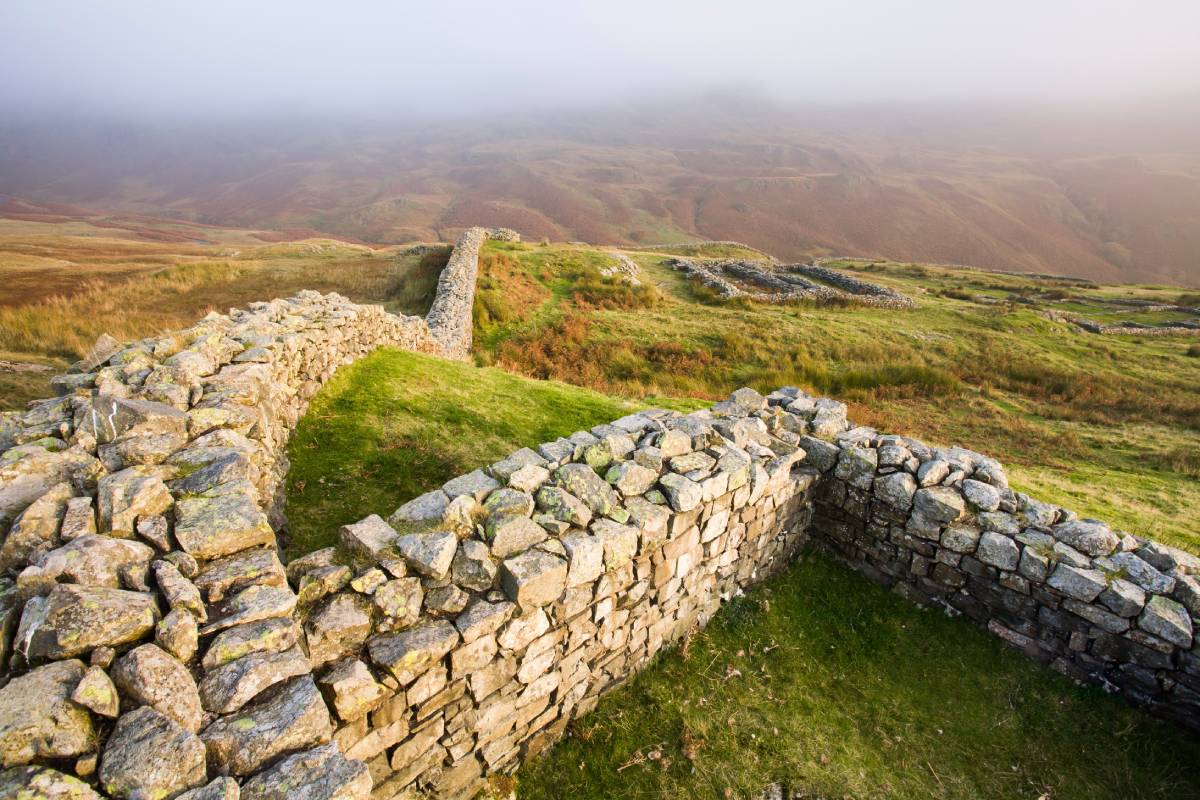
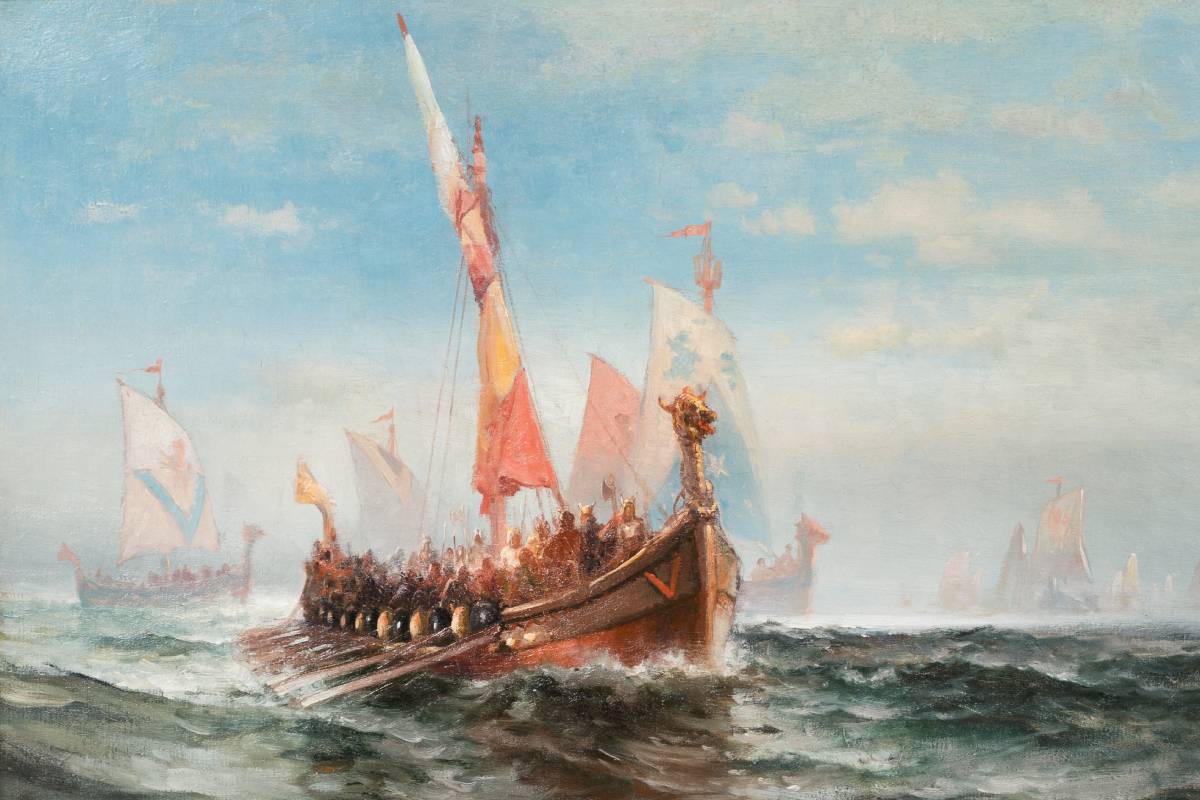
The presence of Scandinavian ancestry in Britain during the Roman period suggests occasional travel or movement of individuals from Scandinavia to the British Isles. Photo: Paul Maguire / Shutterstock
The Scandinavian-Roman in Britain
The researchers also found another, arguably even more striking link to the Romans in the remains of a body buried at Driffield Terrace in York, England.
The researchers decided to assess the DNA of the male specimen after it had been classified as an ancestry outlier in a previous study.
Quite unexpectedly, they found that the Roman male, who was buried sometime between the 2nd and 4th centuries CE, had 25% Scandinavian ancestry.
The site at Driffield Terrace is believed to have been a gladiator or military cemetery during the Roman occupation of the city.
The researchers have therefore suggested the man may have been a gladiator or soldier from the north who had been recruited by the Romans and then brought to Britain.
While the historical and archeological evidence indicates that there was no significant immigration from the Nordic countries to Britain at this time, the find suggests that individuals from Scandinavia occasionally traveled to the British Isles during this period.
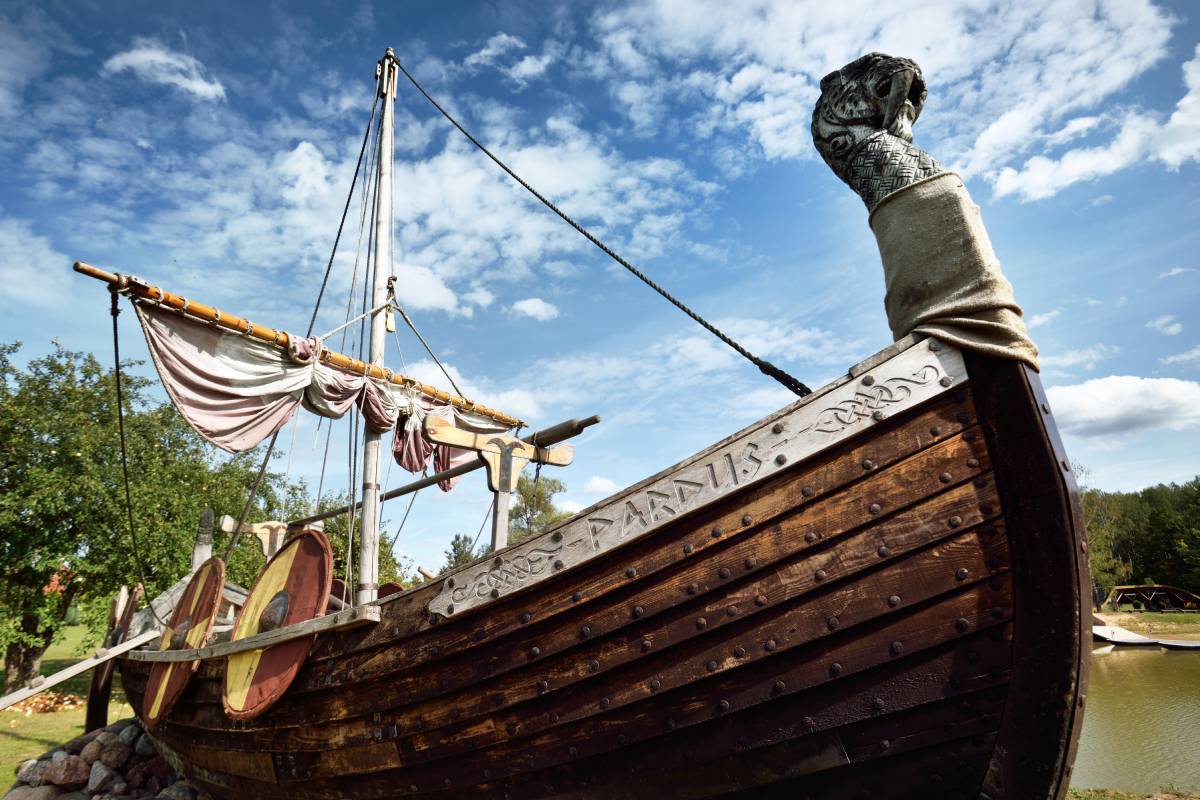
The study found a major influx of people into Scandinavia in the decades leading up to the Viking Age, which transformed the region’s genetic diversity. Photo: Alex Stemmer / Shutterstock
Inward migration
Echoing another recent study on migration, the researchers also found a major influx of people into Scandinavia leading up to the early Viking Age – around 800 CE.
The researchers noted that this influx "completely transformed" the genetic makeup of the population of Scandinavia and made it notably more diverse than in previous centuries.
Although it is difficult to pinpoint the precise reasons for this movement, it is possible that the Norse took people from other countries and brought them home to be used as slaves.
At the same time, the notable movements of Scandinavian people to other parts of Europe in the preceding centuries also raise the possibility of trading links or cultural connections that developed prior to the dawn of the Viking Age.
You can read the full study here.
We get to provide readers with original coverage thanks to our loyal supporters. Do you enjoy our work? You can become a PATRON here or via our Patreon page. You'll get access to exclusive content and early access.
Feel free to reach out to discuss potential stories that may be in the public interest. You can reach us via email at hello@thevikingherald.com with the understanding that the information you provide might be used in our reporting and stories.