

After nine centuries away, the Bayeux Tapestry is being transferred from France to the United Kingdom.
The historic monument to the Battle of Hastings and the events of 1066 will be housed at the British Museum in London from September 2026. Amid widespread delight over the news, however, a campaign has begun to also take the tapestry to the county where the famous battle actually took place.
An international accord
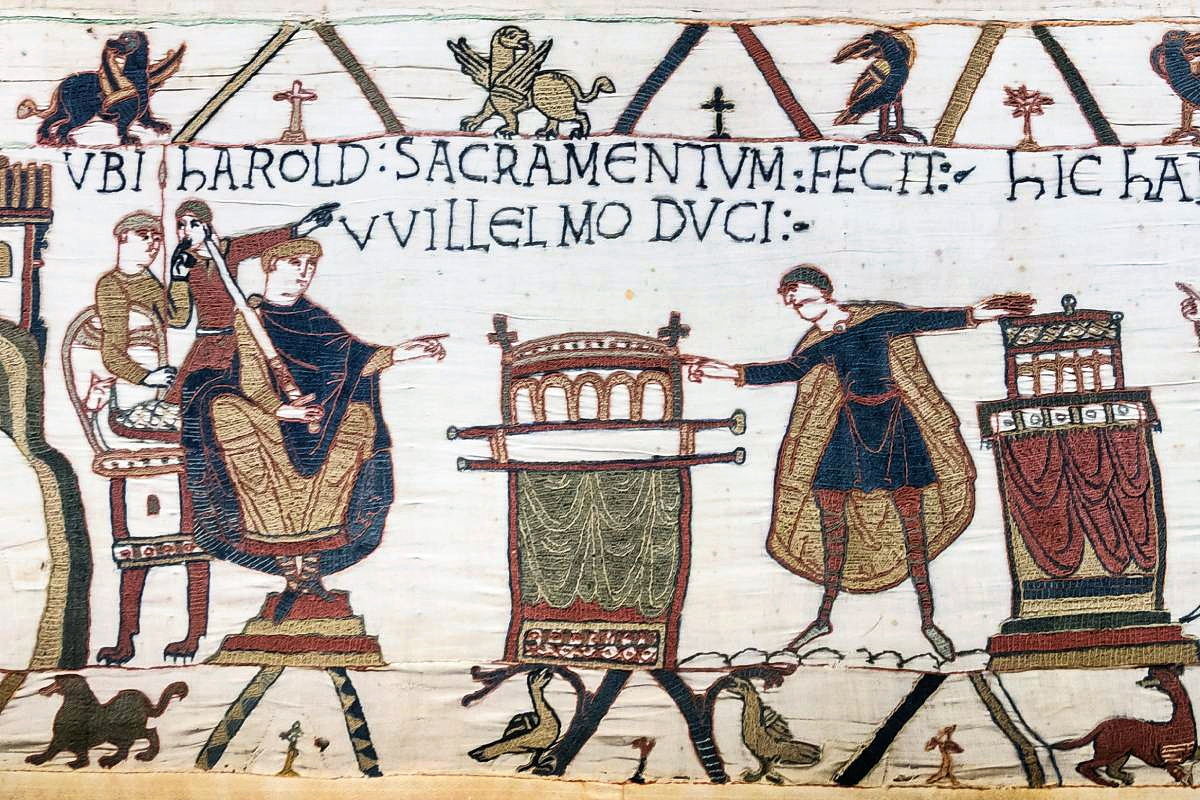
The Bayeux Tapestry—technically an embroidered cloth, as The Viking Herald has explained in the past—is heading to the UK as part of a historic agreement between the British Prime Minister Keir Starmer and French President Emmanuel Macron.
The 70-meter-long cloth, which depicts the events of the Norman invasion of England in 1066, will be transported from its current home at the Bayeux Museum in Normandy to the British Museum in London next year.
The loan was officially announced by President Macron during a visit to the British Museum.
As part of the agreement, museums in Normandy will also have the chance to host the treasures found at the Sutton Hoo ship burial, which contains Anglo-Saxon artifacts from the early 7th century, and the Lewis chessmen, a set of 12th-century chess pieces found on the Isle of Lewis in Scotland.
"This will be the first time the Bayeux Tapestry has been in the UK since it was made, almost 1,000 years ago," commented the director of the British Museum, Nicholas Cullinan, in a press release.
"We are also delighted to send the Lewis chessmen and some of our treasures from Sutton Hoo—the greatest archeological discovery in Britain—to France in return."
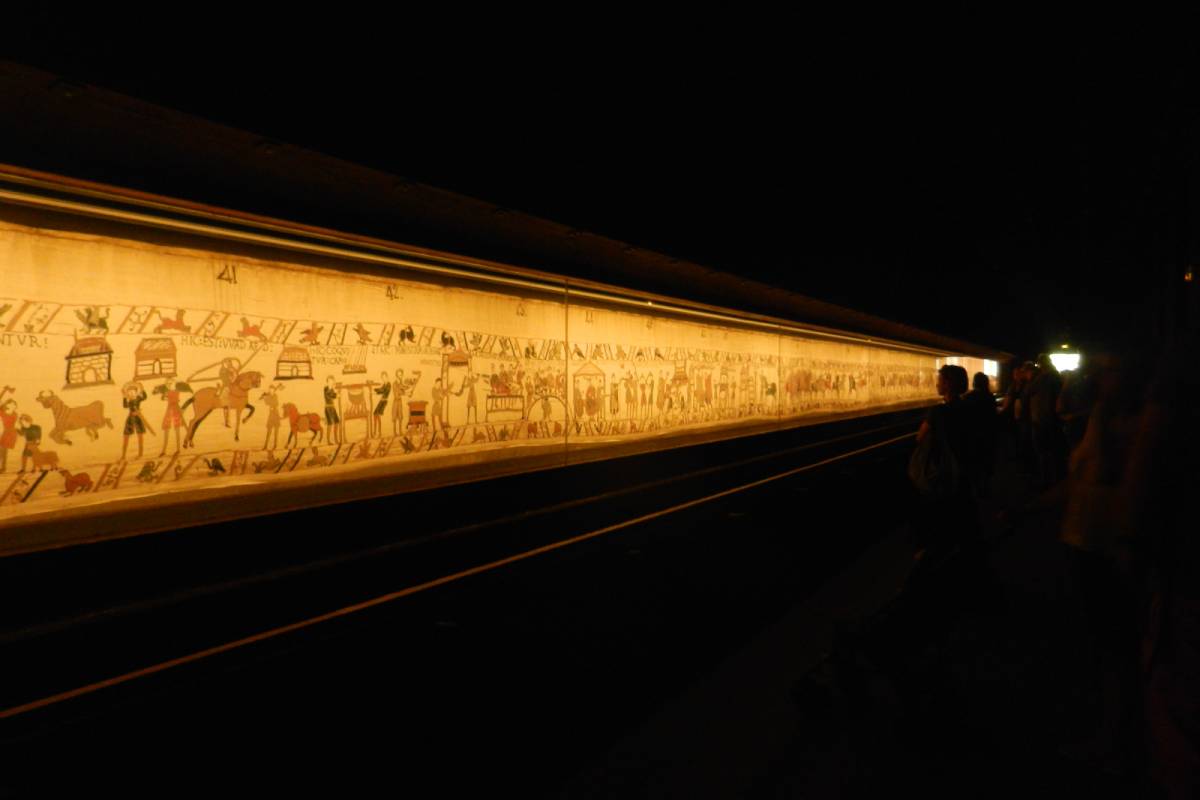
Housed in Bayeux, France, the 70-meter-long embroidery is protected and exhibited in a climate-controlled gallery. Photo: Beat Ruest (CC BY-SA 4.0)
A call from the coast
The Bayeux Tapestry is believed to have been commissioned by Bishop Odo of Bayeux in the 11th century.
Across 58 scenes, it tells the story of the momentous events of 1066, when the death of Edward the Confessor, Anglo-Saxon king of England, led to a fierce struggle for the throne.
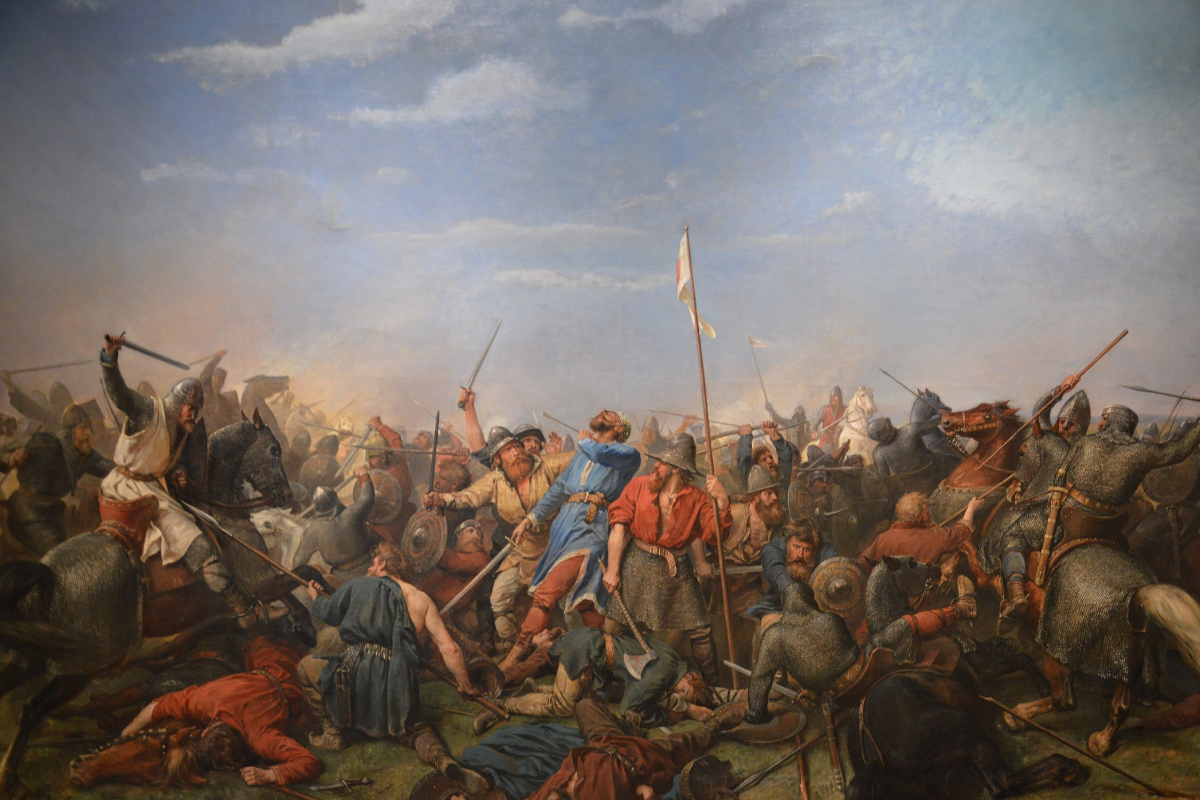
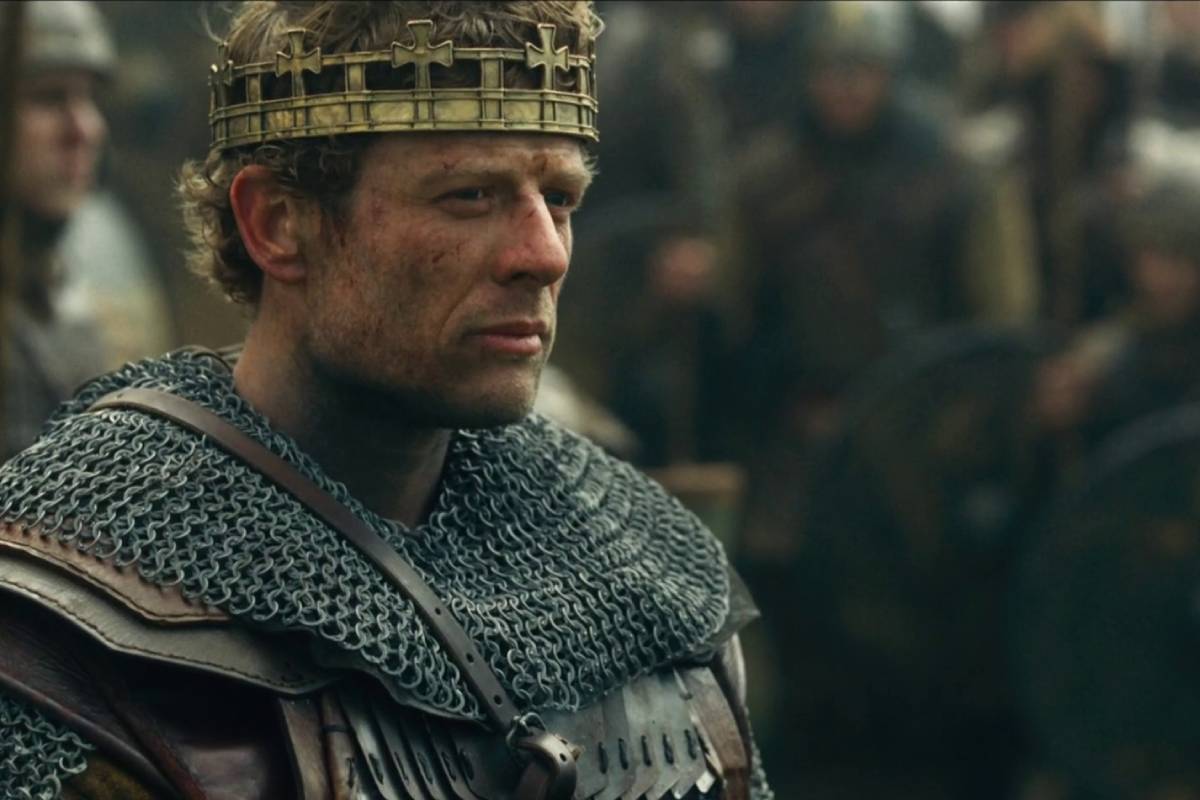
By the end of the year, the Viking king of Norway, Harald Sigurdsson, and the Anglo-Saxon monarch, Harold Godwinson, lay dead, with a new leader, William of Normandy, crowned the new ruler of England. The Normans would go on to dominate the country for centuries.
Despite its name, however, it is believed the Bayeux Tapestry was actually embroidered by Anglo-Saxon artists in the English county of Kent.
It is a politician from the county of East Sussex, however, who has spoken out about the plan to house the historic artifact solely at the British Museum in London.
Labour MP for Hastings and Rye, Helena Dollimore, has written a letter to the British Museum chair, George Osborne, urging the museum to explore the possibility of enabling the tapestry to be put on display in Hastings, too.
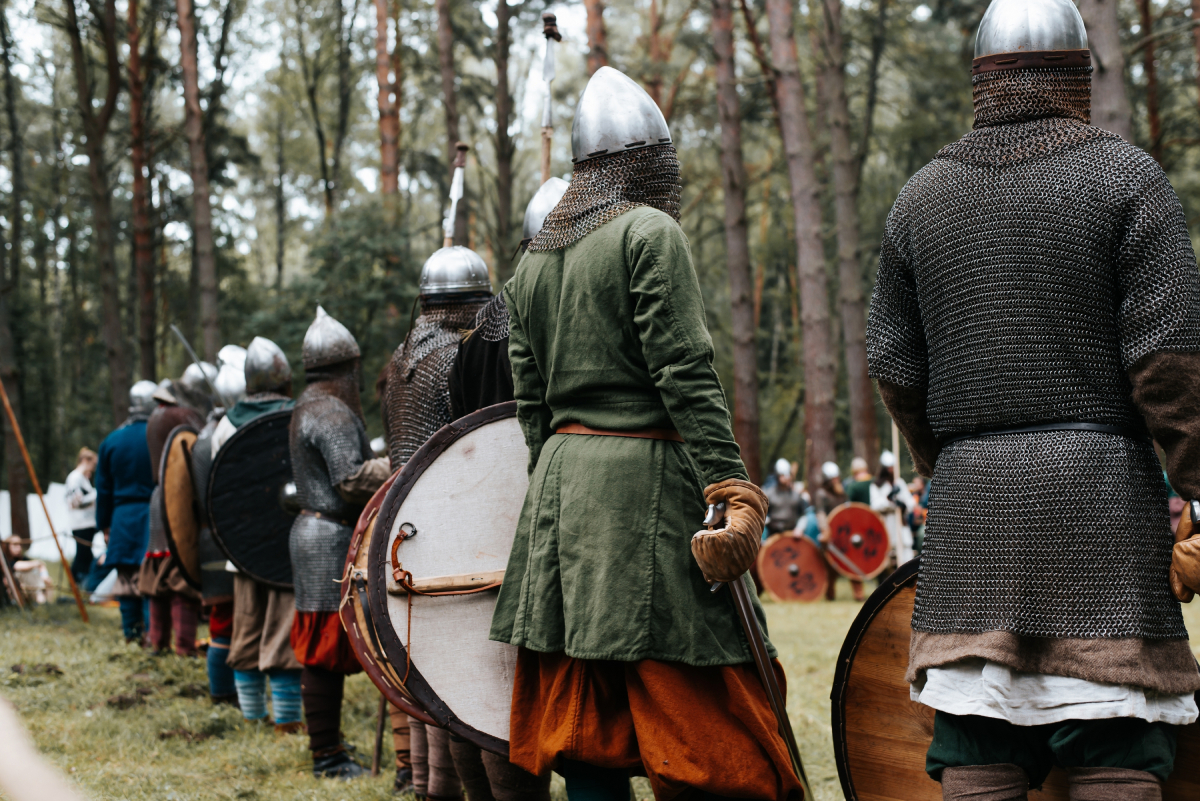
The Battle of Hastings, where William defeated the Anglo-Saxon army and killed Godwinson, after Godwinson himself had vanquished Harald Sigurdsson at the Battle of Stamford Bridge, took place just a few miles outside the modern town of Hastings.
In the letter, Dollimore argues it would make perfect sense for the Bayeux Tapestry to be displayed in the area where its key events took place.
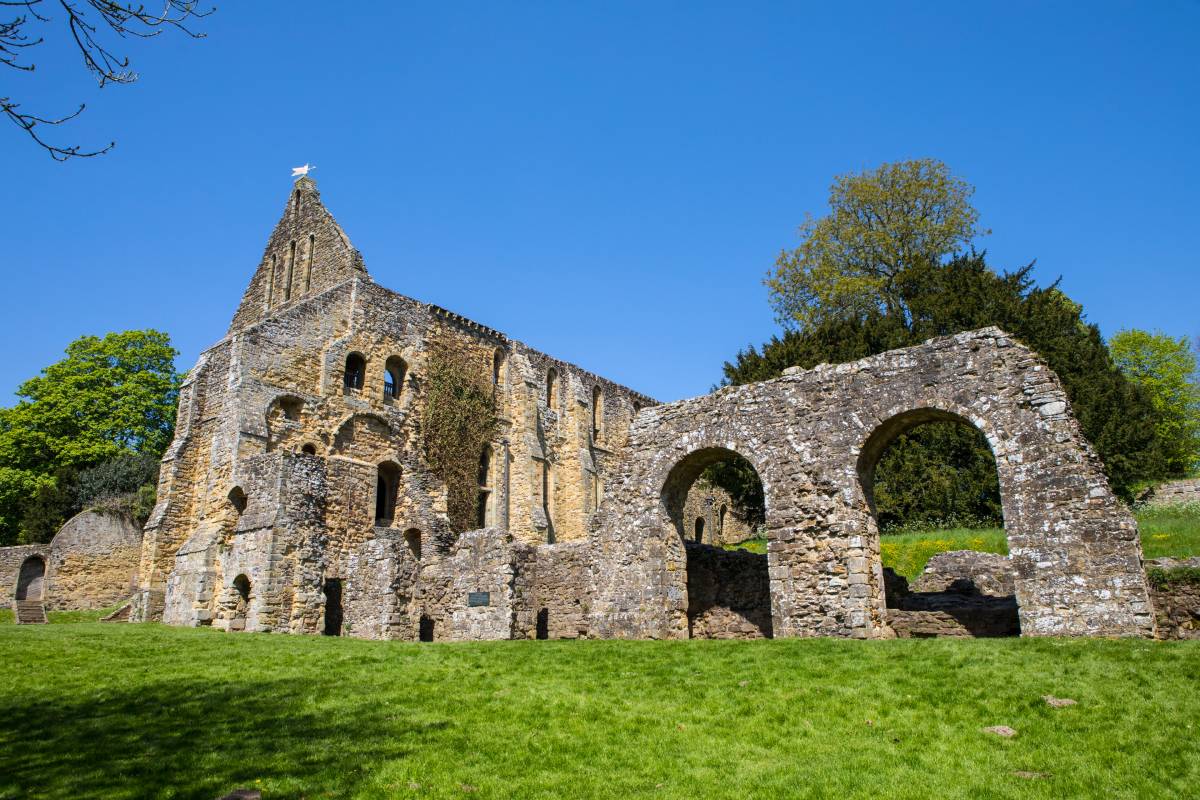
Located in East Sussex, Battle Abbey stands on the very ground where the decisive Battle of Hastings unfolded. Photo: chrisdorney / Shutterstock
Giving something back?
The letter, which was co-signed by the TV personality Dan Snow, also called on the museum to ensure children from Hastings receive free tickets to the London exhibition.
In addition, Dollimore argues that bringing the Bayeux Tapestry to the Hastings area could have a positive impact on education in the town, which has suffered from significant deprivation and lack of social mobility in recent decades.
"Why not return this iconic piece of our heritage to the very ground where it all began in 1066?" she stated. "Whilst we acknowledge that it is for experts to decide what is feasible, the Hastings area must play its rightful part in this national moment."
The Battle of Hastings site, including Battle Abbey, which was built directly on the battlefield, is a popular tourist destination in the area. At the time of writing, however, there is no indication that the British Museum will accept the request to transport the embroidered cloth to East Sussex.
Instead, the Bayeux Tapestry is scheduled to be on display at the Sainsbury Exhibitions Gallery of the British Museum between September 2026 and July 2027.
We get to provide readers with original coverage thanks to our loyal supporters. Do you enjoy our work? You can become a PATRON here or via our Patreon page. You'll get access to exclusive content and early access.
Feel free to reach out to discuss potential stories that may be in the public interest. You can reach us via email at hello@thevikingherald.com with the understanding that the information you provide might be used in our reporting and stories.