

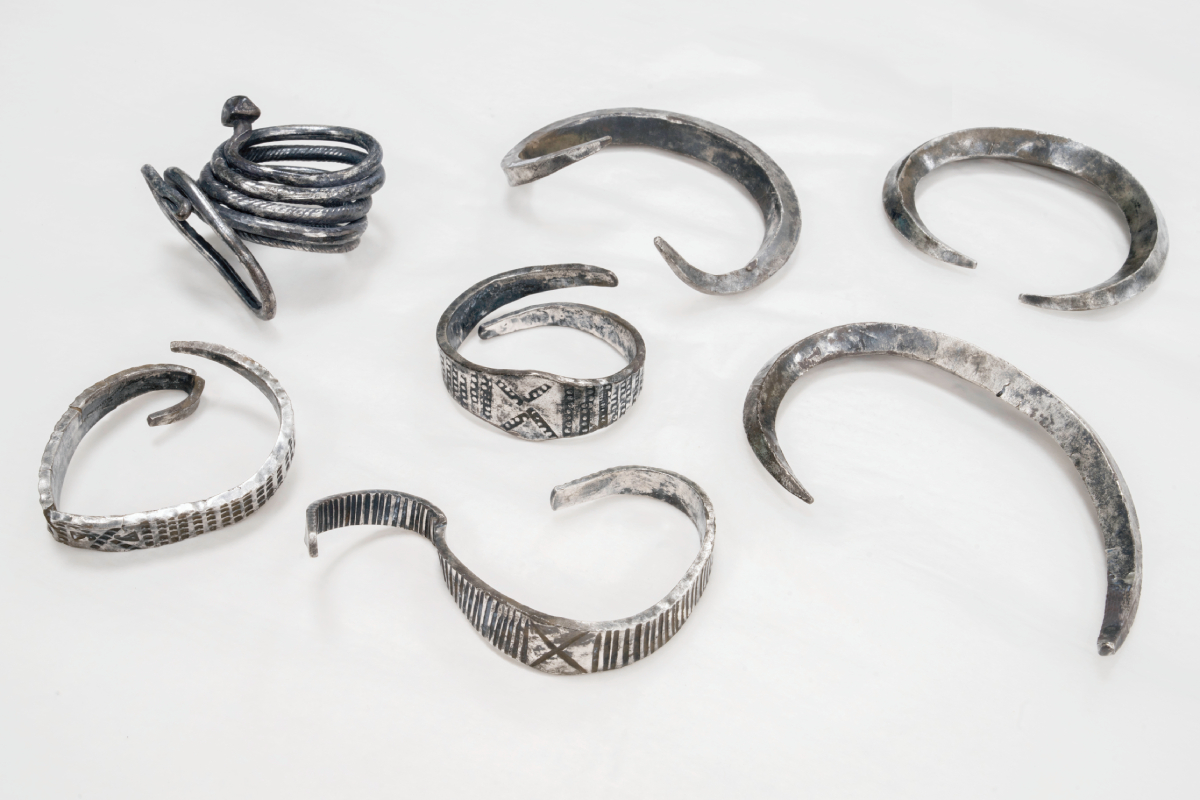
The find was unearthed by Bruunsgaard in a field in Elsted, a village just to the north of Aarhus in central Jutland, Denmark.
The analysis of the artifacts has highlighted a range of different styles in the design of the bracelets and points to the importance of Aarhus as a trading post during the Viking era.
Seven rings of silver
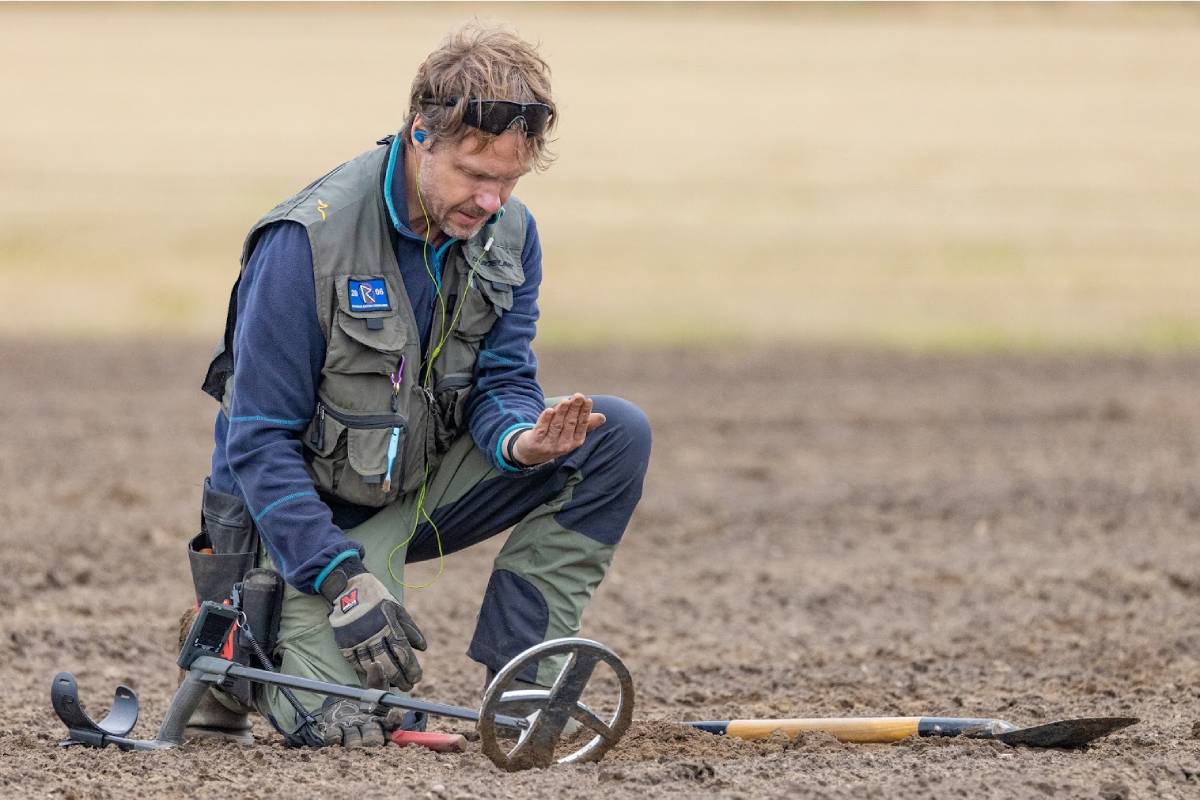
The 22-year-old Aarhus University archeology student Gustav Bruunsgaard initially found a single bracelet in a field near Elsted with his metal detector earlier this year.
Just a few days later, the young student returned to the same field – where traces of a settlement had previously been found – and succeeded in uncovering a further six bracelets, all of which were made of silver.
Bruunsgaard immediately submitted the finds to Moesgaard Museum for further analysis. The museum has now confirmed that the bracelets were produced in the early Viking Age.
The rings date to the 9th century, shortly after the foundation of Aarhus, and are believed to have been manufactured somewhere in southern Scandinavia – most likely Denmark.
There are three band-shaped, stamped rings, which the museum reports are of a clear South Scandinavian design. Three other bracelets have a smoother design of a rare type that has previously been identified in both Scandinavia and England.
The final bracelet features a coiled design that is thought to have originated in Russia or Ukraine before being imitated by the Norse.
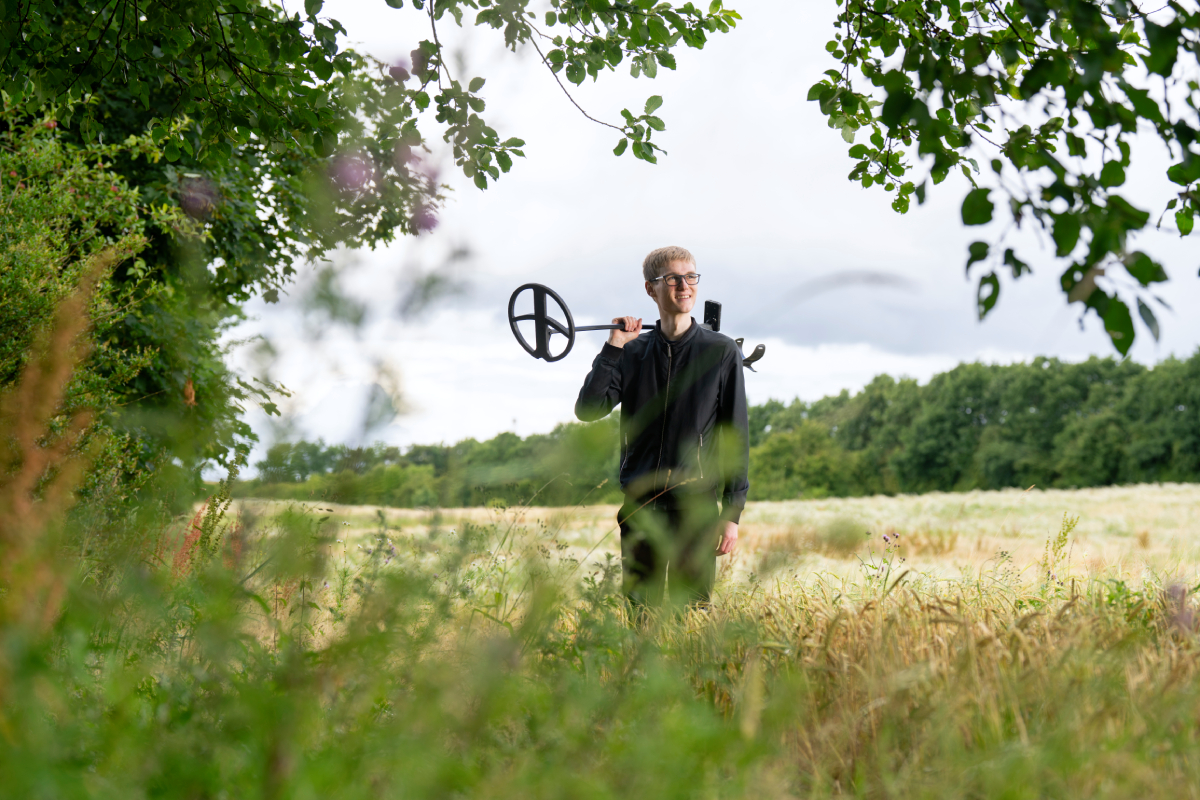
Earlier this year, Gustav Bruunsgaard discovered seven silver bracelets near Elsted, and the Moesgaard Museum revealed the find this week. Source: Moesgaard Museum
Symbols of trade
Aarhus was established as the settlement of Aros just prior to the Viking Age, with some archeological finds in the city dating as far back as 700 CE.
It is thought that the town truly began to flourish in the 10th century, with its position at the mouth of the Aarhus River making it a key location in Jutland, one of the central regions of Viking Age Denmark.
In the late 11th century, Adam of Bremen described Aros as a major seafaring town with important connections to Norway, as well as to Funen, Zealand, and Scania in Denmark.
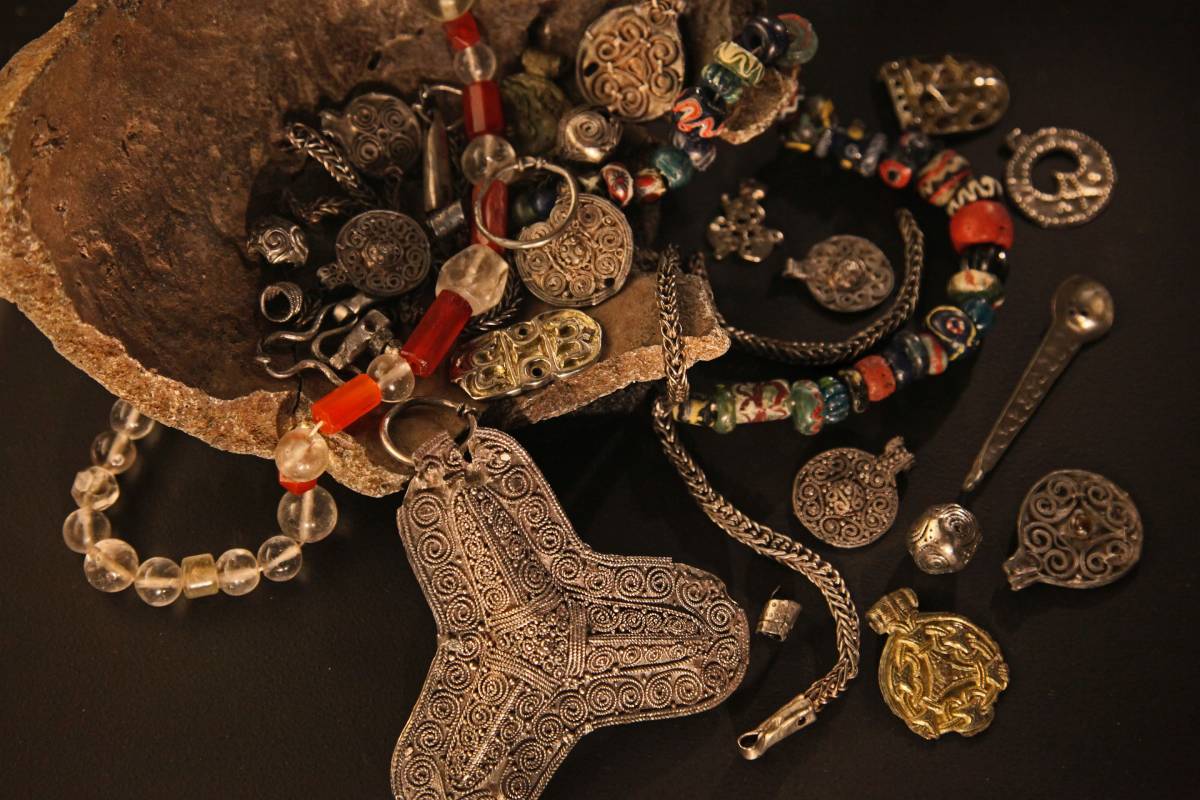
The silver bracelets found by Gustav Bruunsgaard provide further evidence that Aarhus was an important trading site in the Viking Age, with the diverse range of styles suggesting that they could have been used in regional or international trade.
Silver was an important unit of value in this era, and the bracelets found may have served not only an ornamental purpose but also as a possible means of payment and transaction.
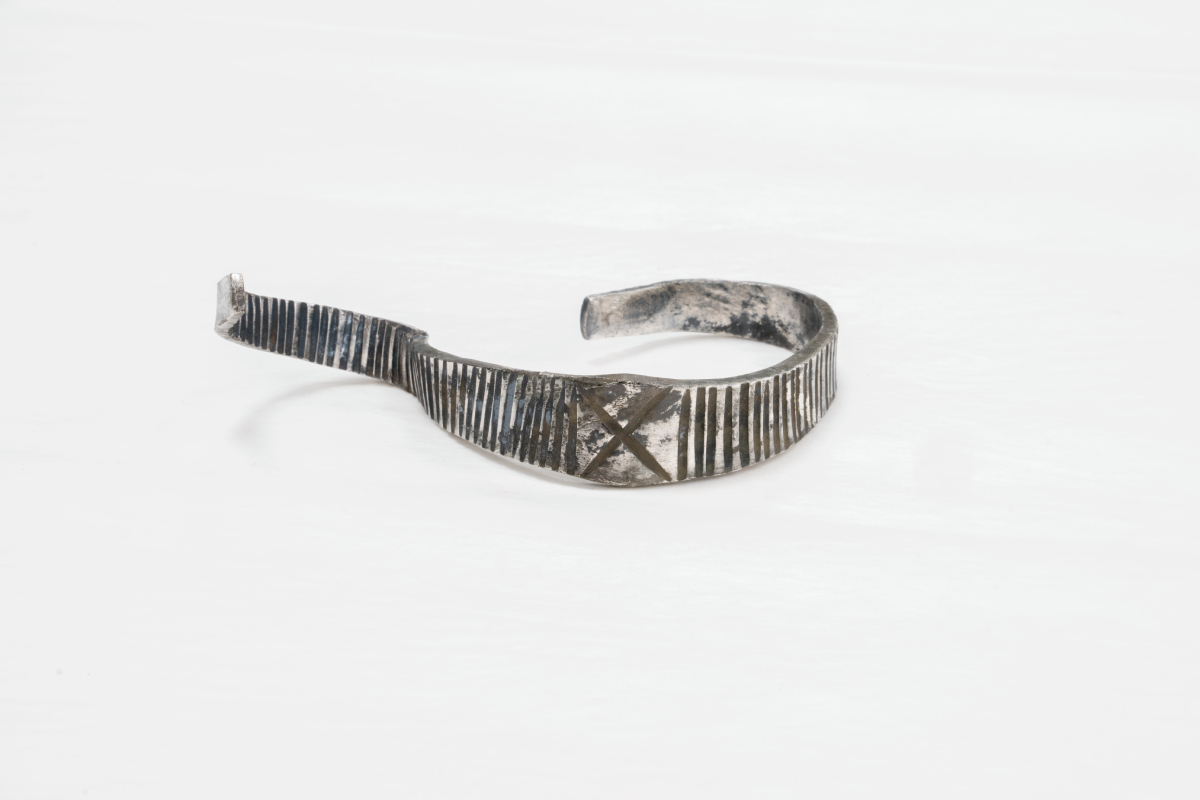
The diverse styles of the silver bracelets suggest that Aarhus was a significant trading hub during the Viking Age. Source: Moesgaard Museum
"A central hub in the Viking world"
"The Elsted farm treasure is a fantastically interesting find from the Viking Age, which connects Aarhus with Russia and Ukraine in the east and the British Isles in the west," commented Kasper H. Andersen, a historian at Moesgaard Museum.
"In this way, the find emphasizes how Aarhus was a central hub in the Viking world, which went all the way from the North Atlantic to Asia."
Although no concrete figures have been released, it is believed the seven bracelets are of notable value, and Bruunsgaard will likely receive significant financial compensation for his find.
The bracelets are currently on display at Moesgaard Museum. In the future, they will be transferred to the National Museum of Denmark, where it is hoped they will continue to be available for viewing by the general public.
We get to provide readers with original coverage thanks to our loyal supporters. Do you enjoy our work? You can become a PATRON here or via our Patreon page. You'll get access to exclusive content and early access.
Feel free to reach out to discuss potential stories that may be in the public interest. You can reach us via email at hello@thevikingherald.com with the understanding that the information you provide might be used in our reporting and stories.