

The standing stone was concealed under a stone packing, and initially, experts believed it was a grave from the Bronze Age.
However, after excavating the phallic stone in 2019, archaeologists also found patches of soot around it, located in the center of the monument.
Furthermore, they also found a pair of small burnt bones – most likely animal bones – and a hammer stone, closer to the phallic stone, according to the web page of "The Archaeologists," which are a part of the National Historical Museums of Sweden.

The stone is well preserved. Photo: The Archaeologists / NHM
Monument dated to the Swedish Bronze Age
After preliminary analysis, experts have determined that the stone setting is not a grave but a monument built over the phallic stone.
Initial analyses date the monument to the Swedish Bronze Age, that is, 1800 - 500 BCE.
Further analyses will try to determine whether there are also burnt cereal traces on the site - perhaps as a result of grain offering.
That would make sense if the stone – and monument – were related to fertility rituals.

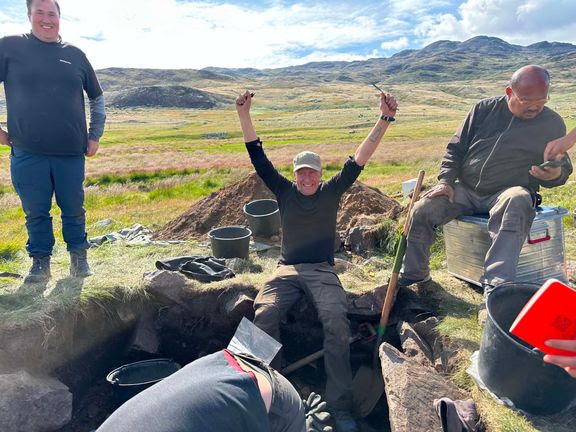
Expert at work at the site where the phallic stone was discovered. Photo: The Archaeologists / NHM

Archaeologists found patches of soot around the phallic stone during the excavation. Photo: The Archaeologists / NHM
We get to provide readers with original coverage thanks to our loyal supporters. Do you enjoy our work? You can become a PATRON here or via our Patreon page. You'll get access to exclusive content and early access.
Feel free to reach out to discuss potential stories that may be in the public interest. You can reach us via email at hello@thevikingherald.com with the understanding that the information you provide might be used in our reporting and stories.