

Eastward sails and tales
It is only in recent years that the eastern adventures and exploits of people from Norse societies have become more widely appreciated and known. Yes, Western Europe suffered at the hands of many a Viking raid, but this is only half the story.
Whilst we traditionally date the start of the Viking Age with the raid on Lindisfarne, we know that such raids took place in the Baltic region potentially half a century before. The Baltic Sea, hugging the shores of eastern Scandinavia, became something of a Viking pond thanks to the ships crisscrossing for trading, raiding and settlement during the early medieval period.
Having crossed the Baltic, people from Norse societies utilized the many river systems to snake their way down to the Black Sea. From here, the great riches of the Byzantine Empire and the Islamic world were within reach. Soon, a Viking elite established a multicultural and multireligious polity, the Kyivan Rus. Today, the modern states of Belarus, Russia and Ukraine have all claimed the Rus as their foundational ancestors.
According to many of these traditions, there was one particular Viking warrior who established a dynasty that would rule over a huge swathe of Eastern Europe right up until the early modern period.
The foundation of the Rurik Dynasty
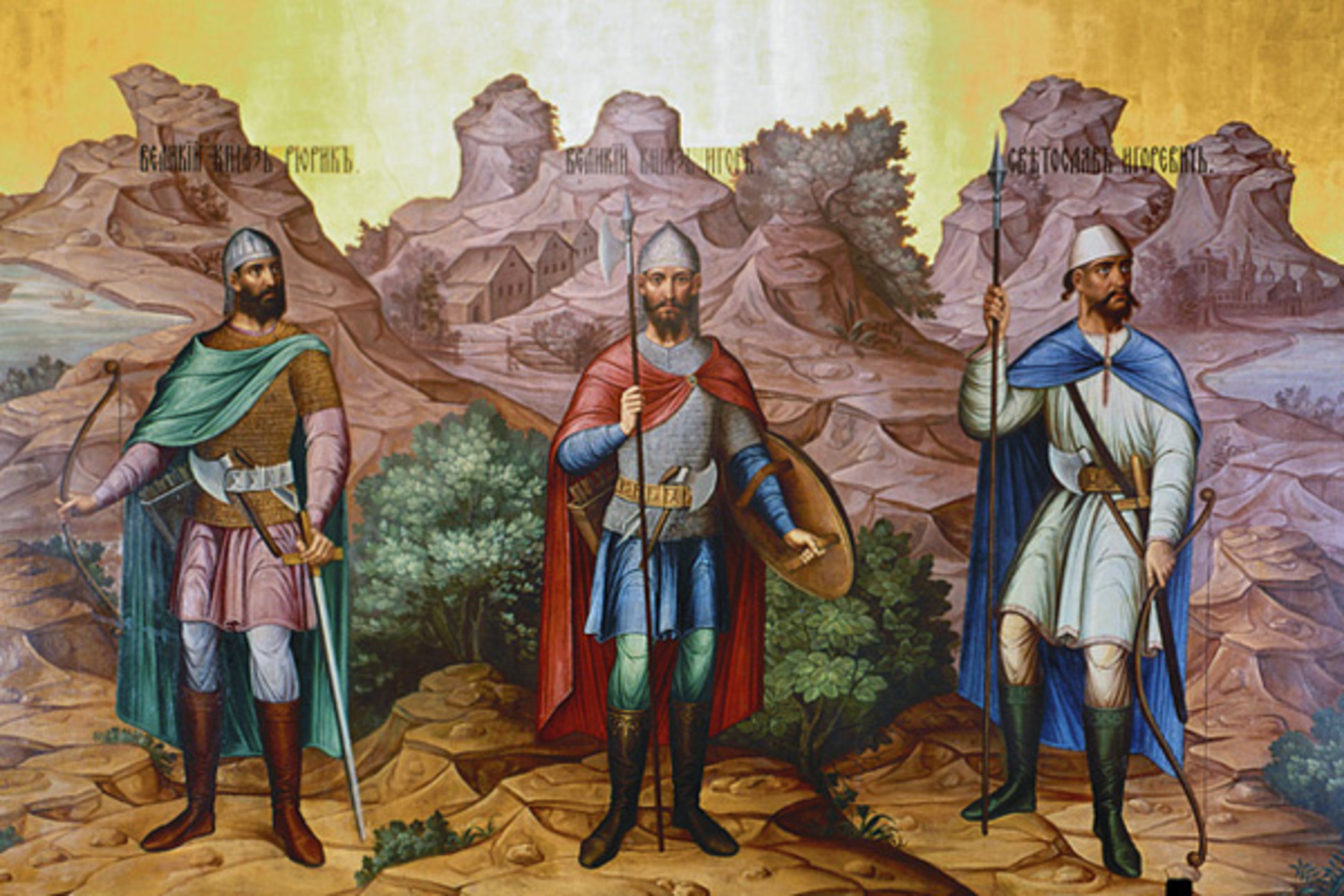
It was in 862 CE, in the trading town of Novgorod in the north-west of what would later become the Kyivan Rus, that a certain Viking warrior named Rurik secured his grip on power. Turning to the Primary Chronicle, a history of the Kyivan Rus compiled in the early 12th century and attributed to the scholar monk Nestor, we find a story detailing the foundations of this polity.
Using an online version (based upon a 1953 English translation by Samuel Hazzard Cross and Olgerd P. Sherbowitz-Wetzor) in the entry for the year 862 C.E we find ourselves in the region between the Baltic and Black Seas, where the inhabitants had,
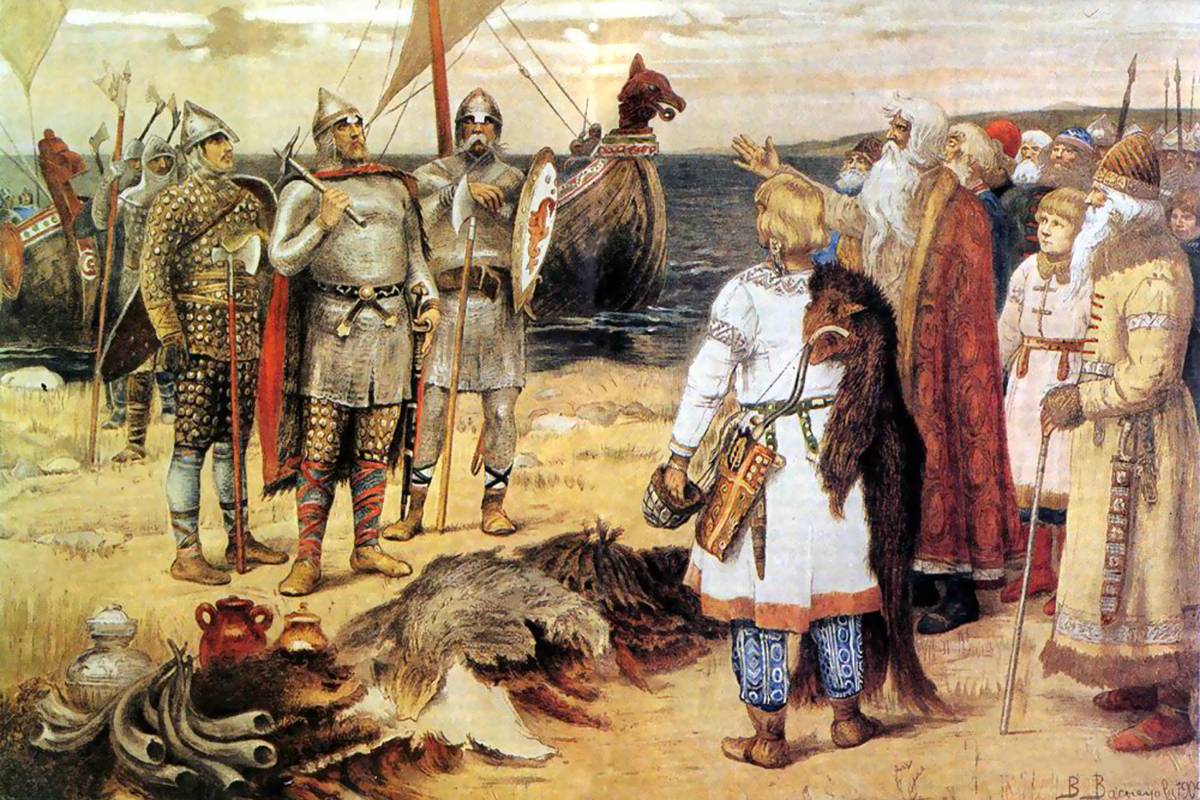
“...no law among them, but tribe rose against tribe...and they began to war one against another. They said to themselves, "Let us seek a prince who may rule over us and judge us according to the Law." They accordingly went overseas to the Varangian Russes: these particular Varangians were known as Russes....The Chuds, the Slavs, the Krivichians, and the Ves' then said to the people of Rus', "Our land is great and rich, but there is no order in it. Come to rule and reign over us." They thus selected three brothers, with their kinsfolk, who took with them all the Russes and migrated. The oldest, Rurik, located himself in Novgorod; the second, Sineus, at Beloozero; and the third, Truvor, in Izborsk...” [Stanza 20]
Now whether Rurik rose to power exactly like this is, of course, questionable. Whilst we know that Norse warriors were dominant throughout this region during the beginnings of the Viking Age, thanks to the pointy end of an axe or sword, there must have been a degree of cooperation – or call it collaboration – between these new Viking overlords and their diverse subjects.
PLEASE NOTE: The rest of this article is only available to our paid Patreon subscribers, here.
The topic was selected by our Patrons in a weekly poll. Support The Viking Herald on Patreon to read the full article and help choose future topics.
If you would like to learn more about Patreon and why we have decided to restrict access to some content, please take a look at this article.
Feel free to reach out to discuss potential stories that may be in the public interest. You can reach us via email at hello@thevikingherald.com with the understanding that the information you provide might be used in our reporting and stories.