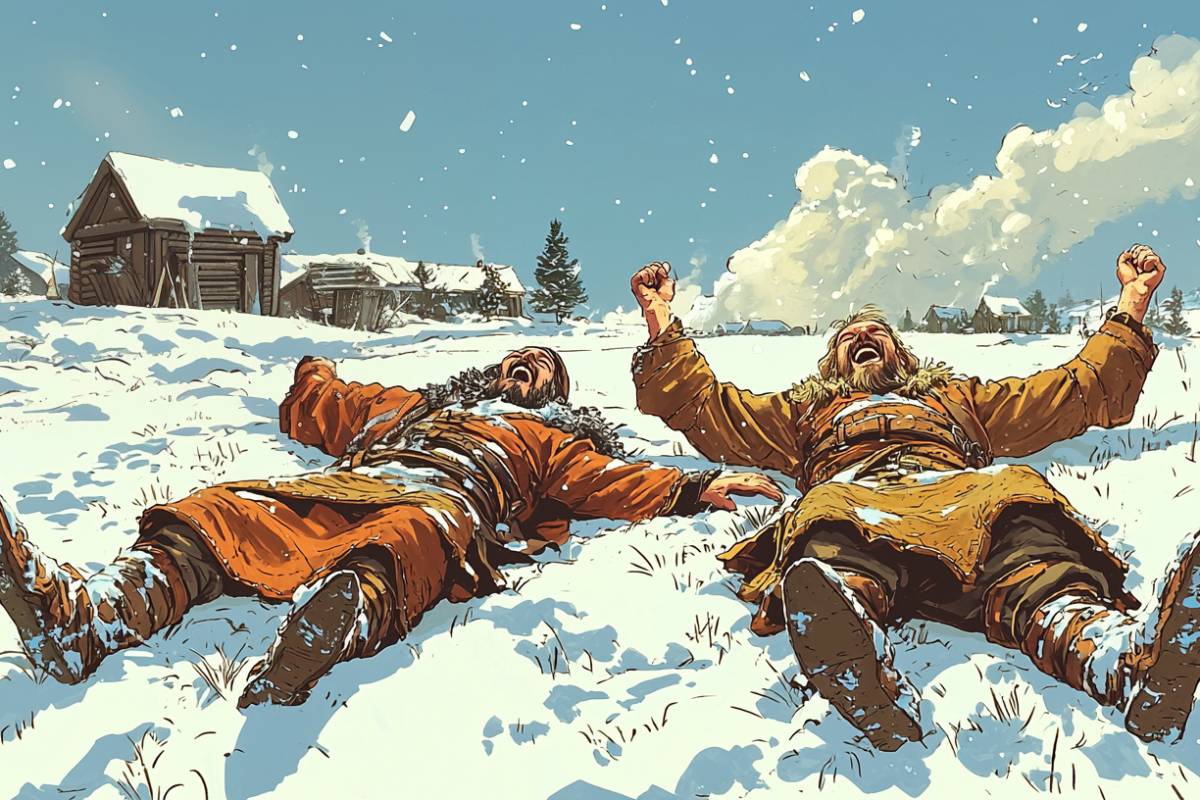


For people living in Viking societies, summer marked the end of an often harsh and brutal winter and the beginning of warmer months.
The Viking summer calendar
Somewhat surprisingly, for a pre-modern culture, people in Viking societies had a similar calendar to we moderns.
Unsurprisingly for anyone who has spent time in Scandinavia nowadays, the Vikings divided their "Wheel of the Year" into two seasons – winter and summer.
The warmer months were known as Náttleysi - Nightless Days – which anyone who has stumbled out of a club or bar after closing time in summer in Scandinavia can attest to!
Náttleysi was further divided into the following months:
Harpa – lasting approximately mid-April to mid-May.
Skerpla – ran from mid-May to mid-June.
Sólmánuður – translated as the "Sun Month." This was the time of the year with the most sunlight. Ranged from mid-June to mid-July.
Heyannir – mid-July to mid-August. Translated as haymaking.
Tvímánuður – mid-August to mid-September.
Haustmánuður – mid-September to mid-October. Often this was the end of fall and the harvest season.
Trading, raiding, and planting
Summer was, of course, important as people in Viking societies could start to undertake the sort of activities that the extreme cold and darkness of winter did not allow.
Farming, traveling, and socializing were all important activities that were only possible during summertime.
Contrary to popular opinion, the majority of people that lived in Viking societies were involved not in raiding and pillaging but in agriculture.
Summer was a time of fertility, harvest, and growth, and the warm weather allowed them to tend to their livestock and plant crops.
Many fruits, including blueberries, ripened in the warmest months of the year and were picked to provide much-needed variety to the often spartan winter diet of people in early medieval Scandinavia.
With ice and snow well melted by summer, this season represented a time to go fishing for some fresh protein. Frozen lakes and rivers soon became fertile fishing grounds for several fish, including salmon, long a staple of Nordic cuisines.
Summer, with its long days full of sun, was the best time for many people in Viking societies to conduct raiding or trading activities.
Not only was this the best time of the year to travel long distances by sea, but the thawing of frozen lakes opened many vast river systems that Vikings ruthlessly exploited.
Going hand in hand with this raiding and trading was the settlement of Norse people. Not only was summer the best time to earn some coin, or steal some, but it was also the best time to try and settle newly explored or conquered lands.
Yet summer presented a favorite activity of many Viking people: festivities and socializing.
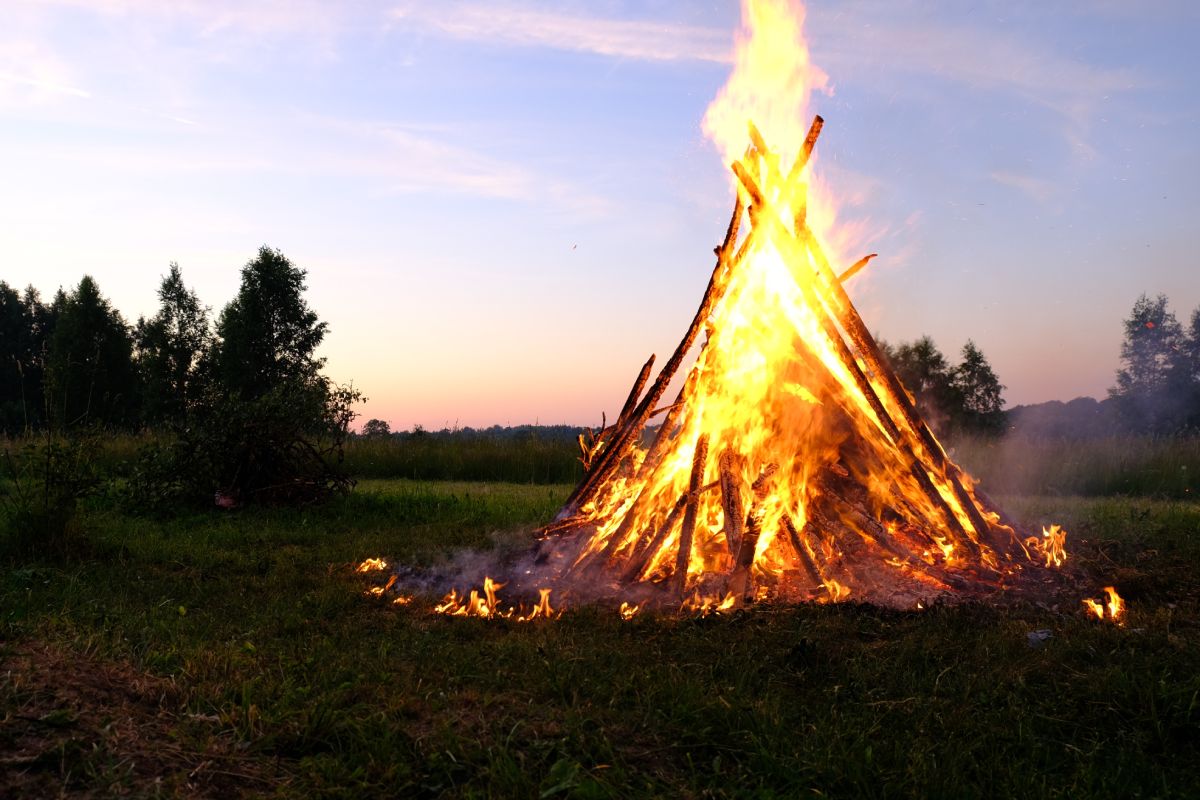
Midsummer is among the best-known summer holiday that the Vikings celebrated. Photo: Juris Vigulis / Shutterstock
Common summer holidays
For anyone who has spent any amount of time living in Scandinavia during winter, the arrival of the warmer months is a time of festivity and fun.
This was no different for people living there in the Viking era (c. 750 – 1100 CE). The fourth full moon after the winter solstice was deemed to be the first day of Harpa, and a great festival was held, Sigrblót.
This was a pagan celebration of the arrival of summer, the victory of light over darkness (it also has been translated into English as "Victory blot"), and heat over cold.
It often involved a ritualistic and sacrificial feast being held and ritual offerings given to Freyja, the Norse goddess of fertility.
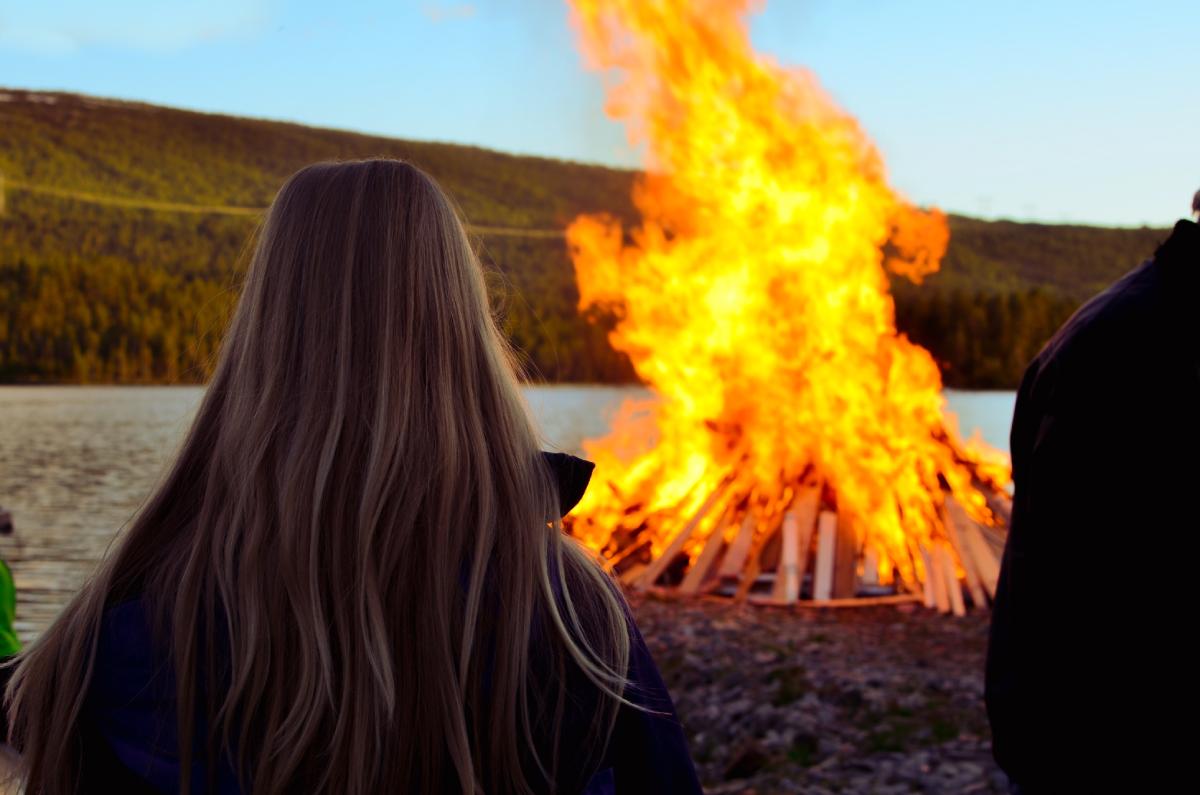
Perhaps the best-known summer holiday that Vikings celebrated (along with their Nordic ancestors celebrate today, too) is Midsummer, though it is now not an exclusively Nordic cultural tradition (a range of European countries from Portugal to Austria – not traditionally seen as part of the Viking sphere of influence during the early medieval period – celebrate it today too).
However, it is believed that the celebration of the summer solstice, the literal middle of summer, the day with the longest amount of sunlight and shortest amount of darkness – has been celebrated by Germanic peoples, the forerunners of many Viking societies – since the very early Nordic Iron Age (c. 500 BCE - 750 CE).
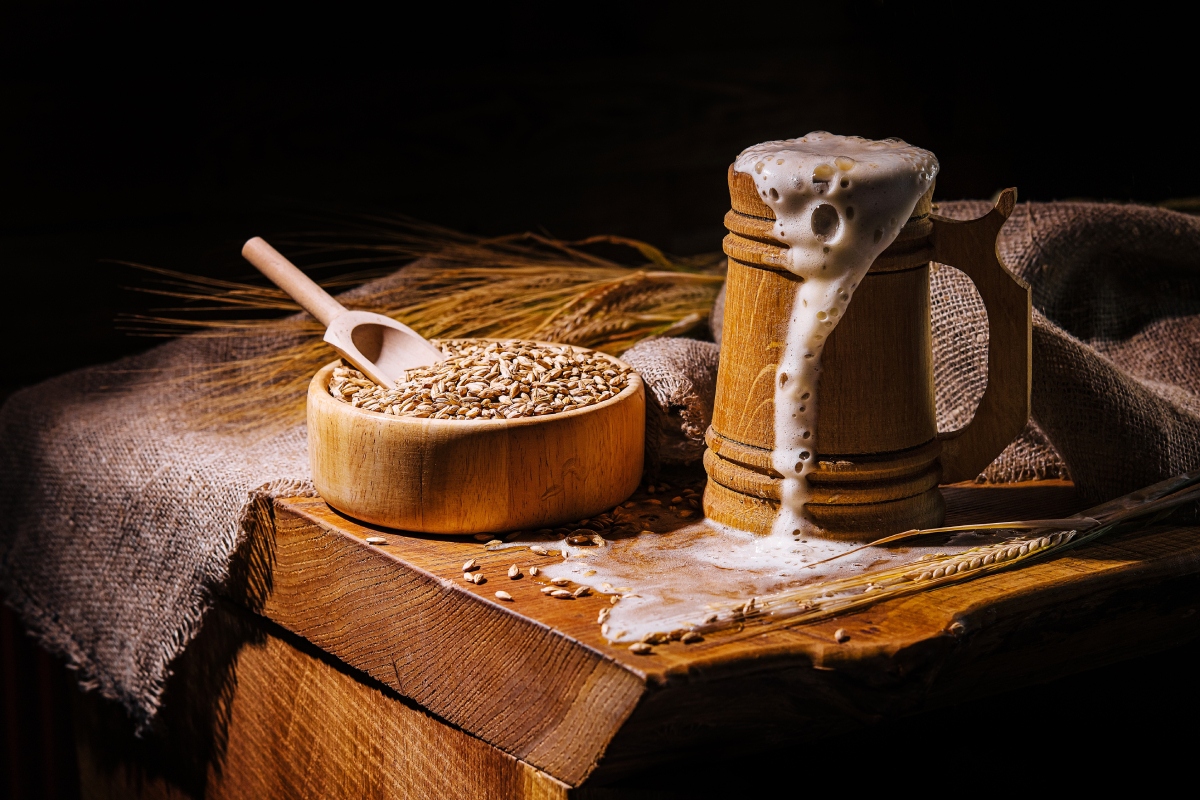
This holiday was a celebration of fertility involving many a boozy feast and the lighting of a bonfire to ward off evil spirits and malign forces.
What is interesting is how the summer solstice transformed with the introduction of Christianity to the Viking world.
While celebrating the summer solstice had its roots in Germanic paganism, Christian missionaries soon began to replace the pagan aspects with Christian ones.
June 23 became Santhansaften (Saint John's Wake) and associated, from the early medieval period until the Reformation in the 16th century, with a Christian saint and Catholic displays of worship, like pilgrimages.
The missionaries saw the important cultural aspects of this pagan festival, full of feasting and fun, and tried to put a Christian stamp on it.
Like a good party, the warmer months do eventually come to an end. Surprise, surprise, this was also a time of festivities for people in Viking societies.
The end of the Norse summer season, for many people in Viking societies, meant an end to lazy summer days and the harvesting season. This marking of time was celebrated with the Viking festival of Aflarblót.
Essentially, this was a celebration of all the hard work done during the harvesting season and the coming of darker days with the arrival of winter. This was also a holiday associated with Freyja and a celebration of womanhood.
Summertime fun
Given the long and brutal nature of Nordic winters, the arrival of summer was a time of celebrations, festivities, and, often, overindulgent feasts.
Not only was this a perfect time to conduct trade or organize a raid, but it was also an important time for agricultural work too.
Holidays, such as Midsummer, which had a pagan root, evolved during the Viking Age with the advent and influence of Christian missionaries.
Like their Nordic ancestors nowadays, people in Viking societies loved a good feast under the warm sun - as does the staff of The Viking Herald.
For more on the Viking influence on contemporary summer traditions and festivals, read this BBC article.
This deep-dive article was written thanks to the support of subscribers to The Viking Herald's Facebook page. Do you enjoy our work? You can SUBSCRIBE here or via our Facebook page. You'll get access to exclusive content and behind-the-scenes access.
Feel free to reach out to discuss potential stories that may be in the public interest. You can reach us via email at hello@thevikingherald.com with the understanding that the information you provide might be used in our reporting and stories.