

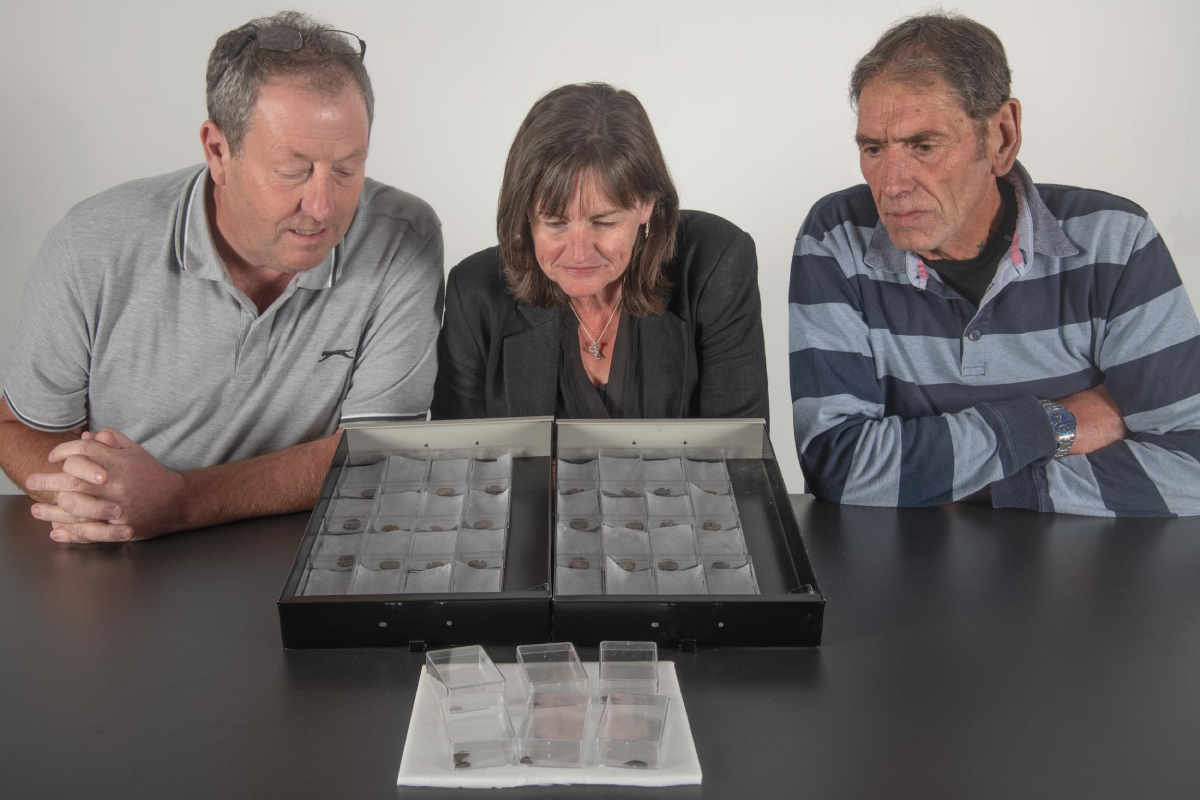
A hoard of Viking Age coins found on the Isle of Man has been declared treasure. The collection, which was discovered by two metal detectorists in January, is currently on display at the Manx Museum and has been dated to the 11th century.
The coin expert who examined the hoard described it as a kind of Viking "wallet," with currency derived from all over the British Isles.
A fascinating find
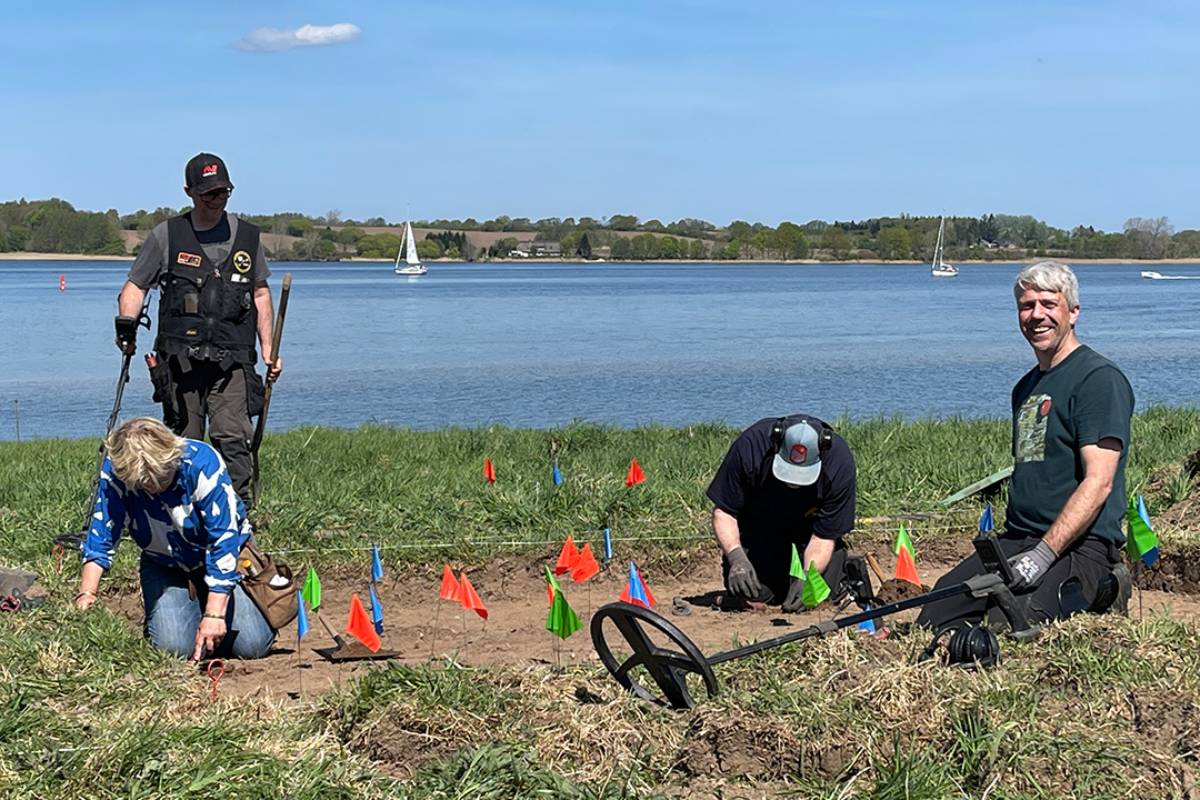
The first coins were unearthed in January by two metal detectorists, John Crowe and David O'Hare.
"The majority of the coins were found on a single day," Allison Fox, curator of archeology at the Manx Museum, told The Viking Herald.
"The finders then went back to the site and discovered a small number of additional coins afterward – the final coin was uncovered in April."
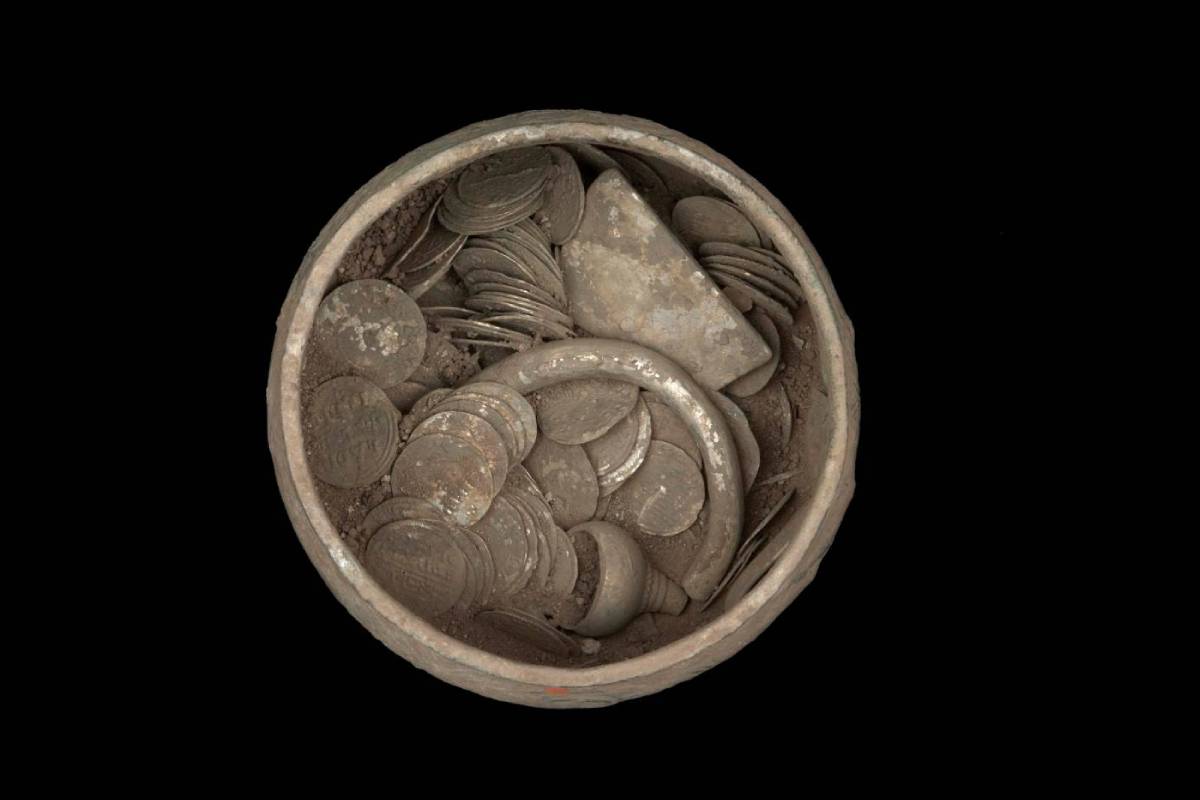
The detectorists amassed a total of 36 silver coins, including both complete pieces and fragments. Under the Treasure Act 2017, they were required to pass them on to the Manx National Trust for inspection.
The hoard was examined by the world's leading expert in Viking Age coins from the Isle of Man, Dr. Kristin Bornholdt Collins, who dated it to the period between 1000 and 1065.
The collection has now been officially declared treasure by the local coroner of inquests.

Tynwald Hill is the site of the annual open-air meeting of the Manx parliament, a tradition started by Norse settlers over 1,000 years ago. Photo: RICHARD FARAGHER
A lasting influence
The Isle of Man is a self-governing British Crown dependency situated in the Irish Sea.
The Vikings first began making sporadic visits to the island in the 9th century, partly attracted by its strategic position between Ireland and the British mainland. After a period of raiding and trade, the Norse soon began to settle the area in ever greater numbers.
While the dominance of the Vikings eventually waned, many remained on the island permanently. Intermarriage was common, and the Norse people became strongly integrated with the local community.
Tynwald, the Manx parliament, even has its roots in the Viking period, when local chieftains would gather on Tynwald Hill to decide the laws of the land.
Over the past century, amateur detectorists and professional archeologists alike have discovered a vast array of artifacts that – together with the castles, crosses, burial mounds, and settlements – bear witness to the Viking influence on the island.
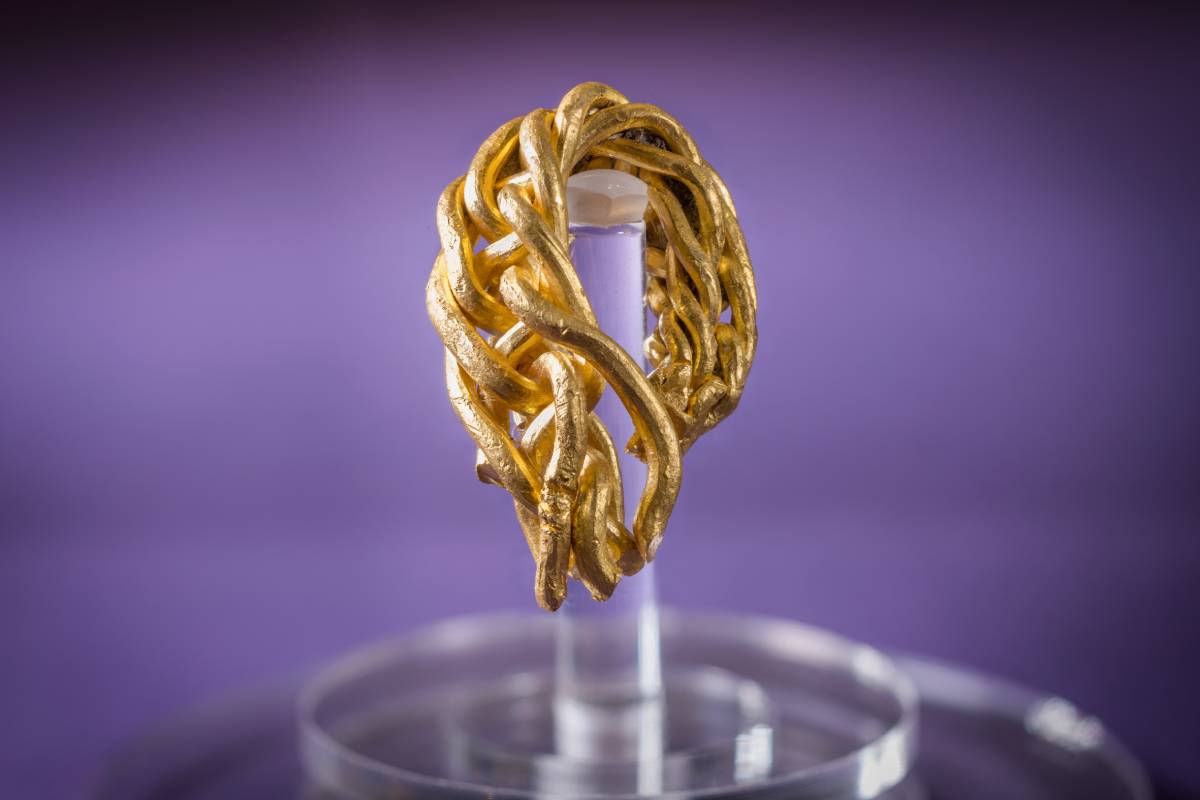
The latest discovery is the second Viking-related find to be declared treasure on the Isle of Man this year.
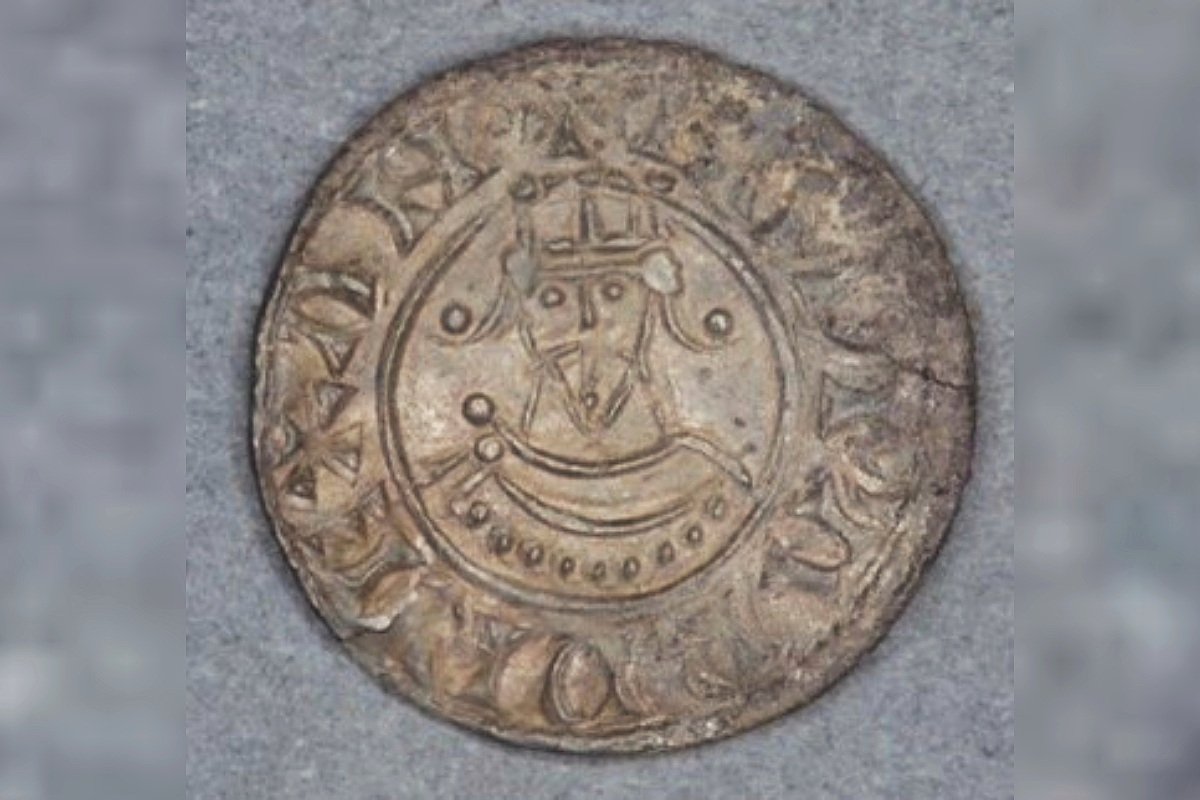
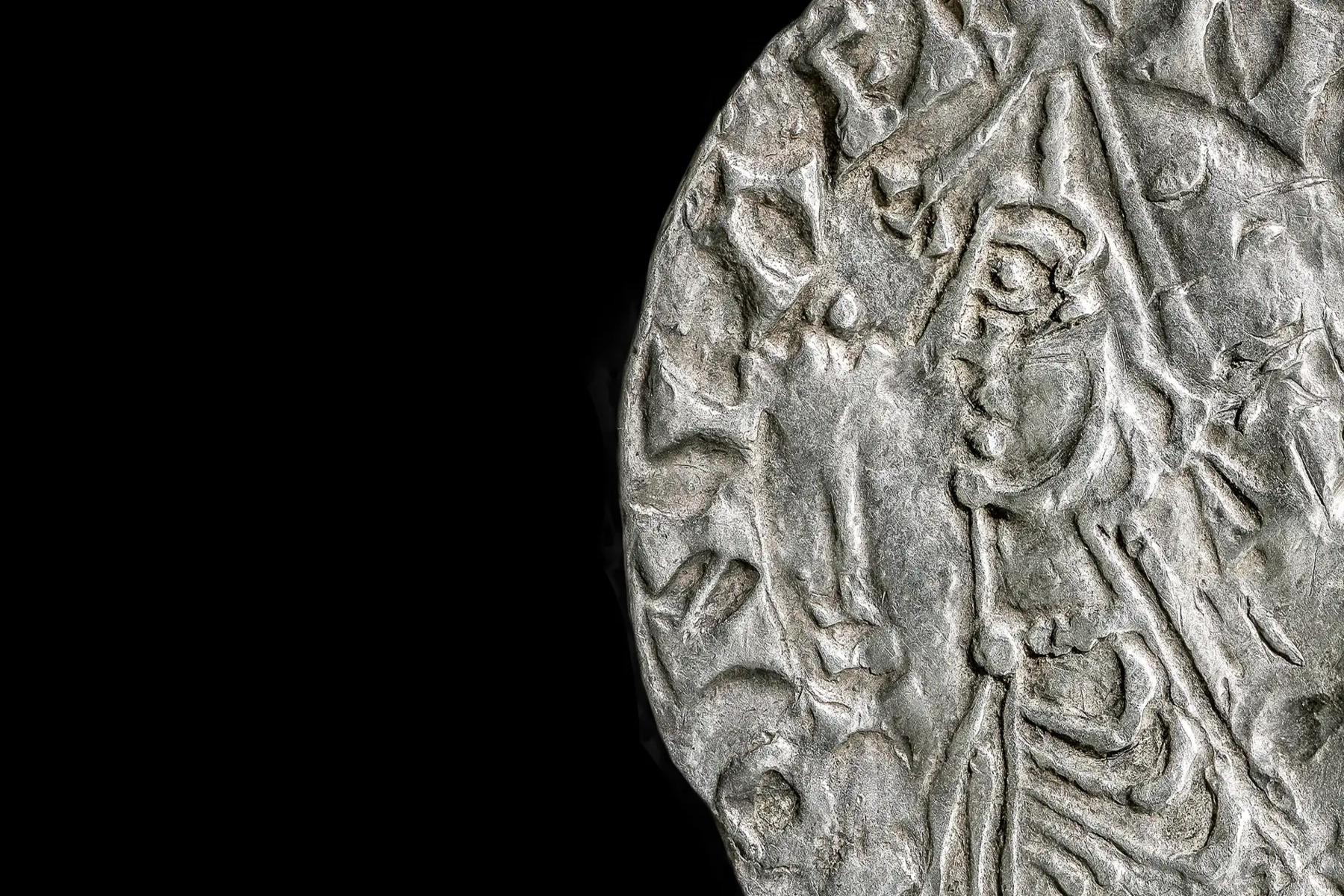
The collection includes coins minted during the reigns of Edward the Confessor, Aethelred II, and Cnut the Great. Photo: Manx Museum
A verified provenance
"The coins were identified as being of Viking Age date immediately due to their inscriptions," confirmed Allison Fox.
"The precise identification was then carried out by numismatist Dr. Kristin Bornholdt Collins via photographs and was later confirmed by physical inspection."
Dr. Collins determined that most of the coins were minted during the reign of Edward the Confessor – from 1042 to 1066 – though some were from the earlier reigns of Aethelred II and Cnut the Great.
The collection displays a remarkable breadth of origin, with the coins coming from a number of English mints, including York, Cambridge, London, and Hastings.
Perhaps unsurprisingly, there are also several Irish coins, all of which were minted in Dublin. Some of these coins depict King Sitric Silkbeard, who served as Norse King of Dublin from AD 989 to 1036.
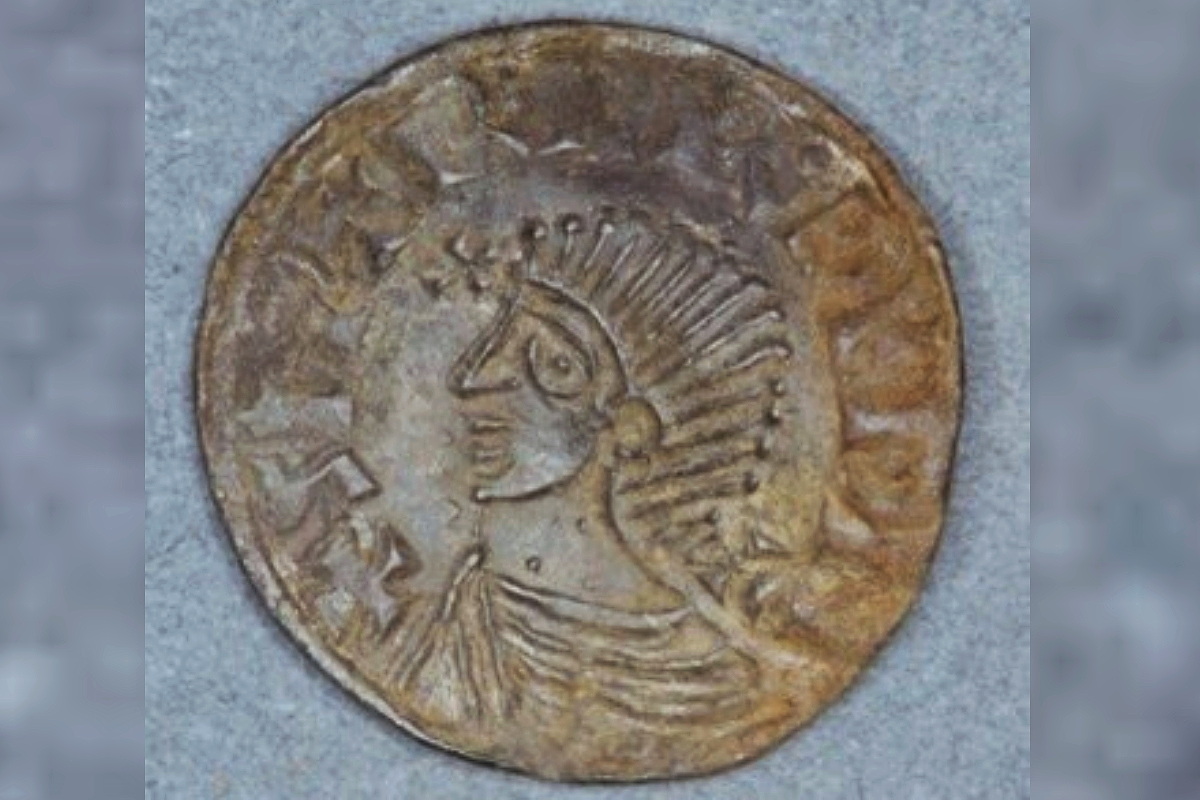
The coins represent a variety of English mints, including those from York, Cambridge, London, and Hastings. Photo: Manx Museum
The ultimate travel wallet
Speaking to the Manx Museum, Dr. Bornholdt Collins stated, "This important hoard was likely assembled in two or more stages, with the earlier English and Irish coins deposited together in the first instance, and the later coins dating to Edward the Confessor added later."
Dr. Collins believes the hoard may have been used by its owner to ensure purchasing power in different territories.
"It might be compared to a wallet containing all kinds of credit cards, notes, and coins, perhaps of different nationalities, such as when you prepare to travel overseas, and shows the variety of currencies available to an Irish Sea trader or inhabitants of Man in this period."
"Combined, the hoards provide a rare chance to study the contents side by side, right down to the detail of the dies used to strike the coins. Having this much closely dated comparative material from separate finds is highly unusual."
A part of the island's heritage
The collection is temporarily available for viewing at the Manx Museum until October 13.
"Following a couple of weeks on display, the hoard will undergo further evaluation and conservation but will return to display at a later date," Allison Fox told The Viking Herald.
The Manx Museum, located in the Manx capital, Douglas, is also home to the Viking Gallery, which displays a number of artifacts from the Viking Age and details the extent of the Norse influence on the island.
"More Viking Age silver has been discovered on the island per square kilometer than in England, Ireland, Scotland, and Wales," notes Allison Fox.
"This is a wonderful find that helps further our understanding of the complex Viking Age economy in the Isle of Man."
We get to provide readers with original coverage thanks to our loyal supporters. Do you enjoy our work? You can become a PATRON here or via our Patreon page. You'll get access to exclusive content and early access.
Feel free to reach out to discuss potential stories that may be in the public interest. You can reach us via email at hello@thevikingherald.com with the understanding that the information you provide might be used in our reporting and stories.