

Manx National Heritage has announced that a Viking Age arm ring fragment discovered on the island has been declared an official treasure. The artifact, which was unearthed earlier this year, has been dated to the 11th century and may have been used in trade on the island.
"Really something else"
The gold fragment was found this spring by Ronald Clucas, an Isle of Man resident and a member of the Manx Detectorist Society.
An experienced detectorist, Clucas soon realized that he had discovered something special. "It was quite a big shock to discover this lovely piece of gold, and I couldn't really believe it at first!" Clucas commented to Manx National Heritage.
"Gold generally gives a very low signal on the detector, so you can't really predict what is going to be uncovered," Clucas added.
"I've been detecting for many years now and found some wonderful things, but to find a piece of gold from the Viking Age, that's really something else."
Under the Treasure Act 2017, any discoveries of archeological artifacts made on the Isle of Man must be first reported to Manx National Heritage.
If it seems likely that the item may be of major importance, it is sent to the Coroner of Inquests for further inspection. The deputy coroner has now declared the piece to be a treasure due to its historical value and has dated it to 1000-1100 CE.
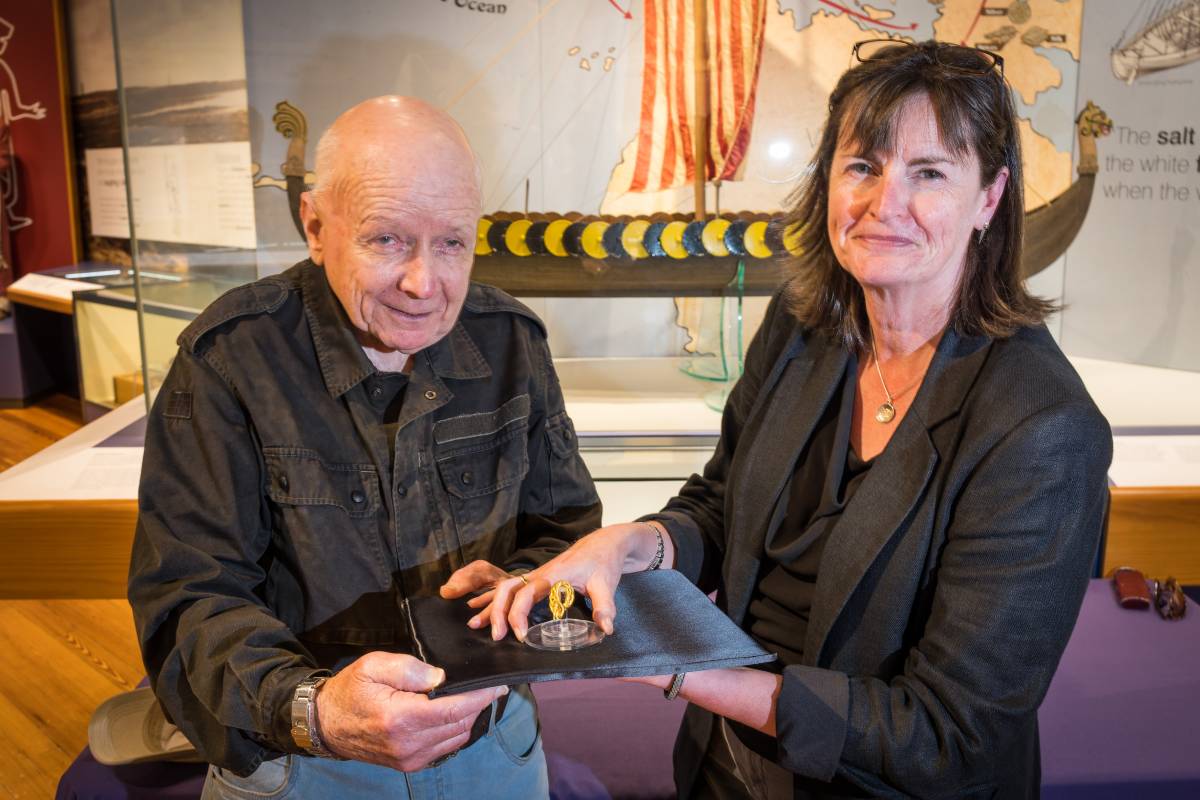
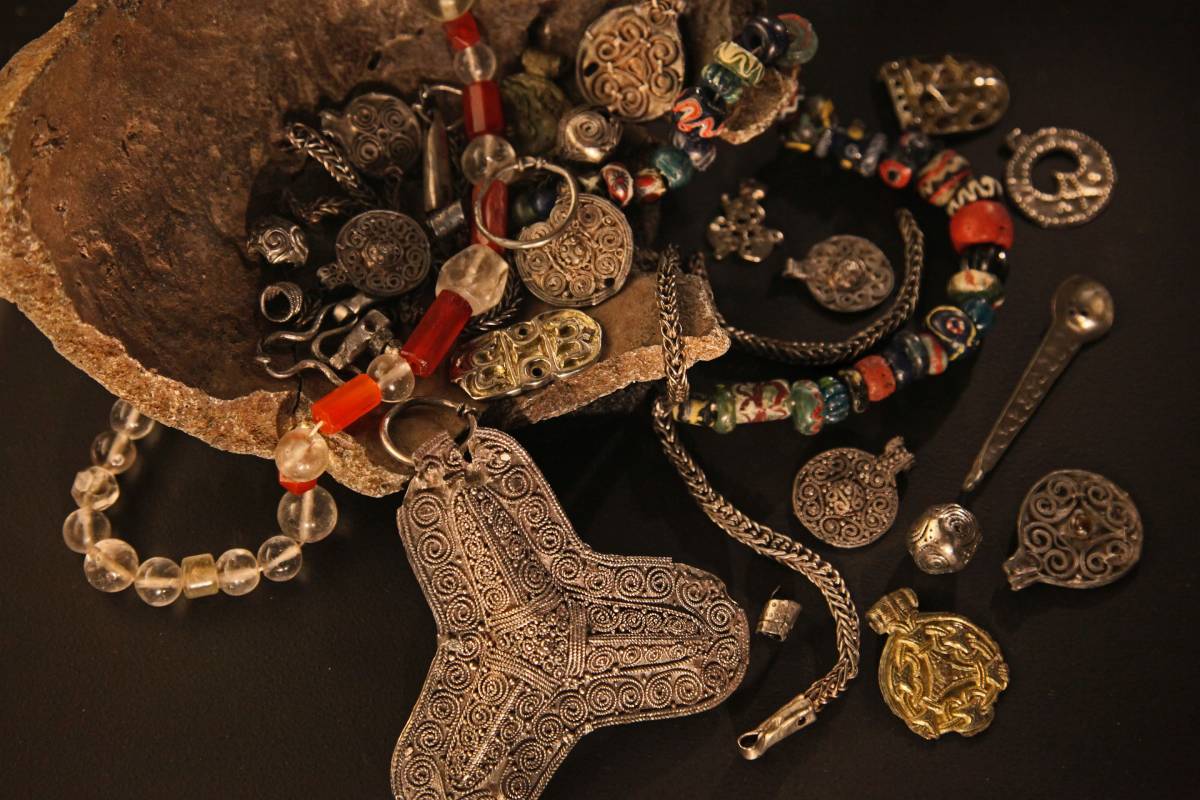
Jewelry in the Viking Age showed social standing and was also used in financial transactions. Photo: Manx National Heritage
A precious fragment
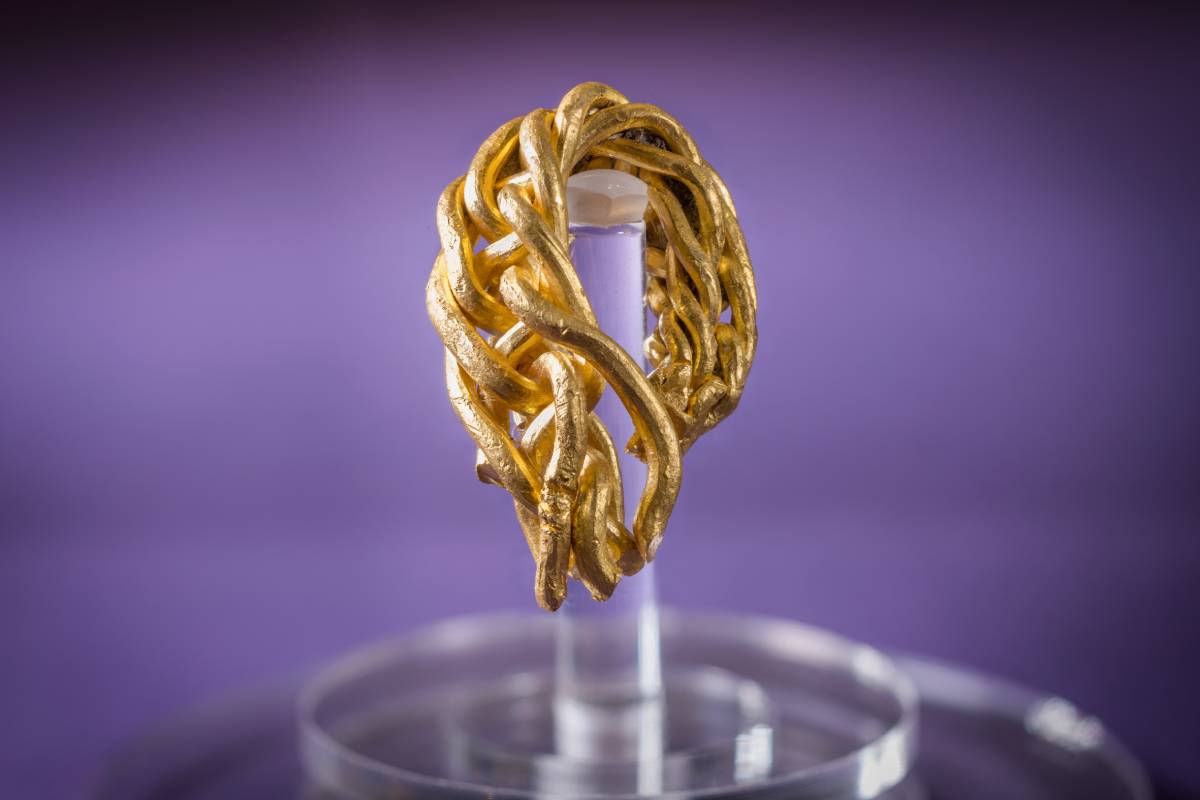
The analysis found that the artifact is a fragment of an arm ring and was made by plaiting together eight strands of gold rods.
According to Manx National Heritage, the design and craftsmanship of the fragment indicate that the piece was made by a highly skilled goldsmith.
The fragment weighs 27.26 g and is around 3.7 cm in length, while the original piece would have had a length of approximately 7.7 cm.
Arm rings were a common piece of jewelry in the Viking Age. The use of gold, however, which was much less common than silver at this time, suggests that the owner may have been a high-status individual.
"Jewelry items such as this had several functions in the Viking Age, both as prized personal possessions and visible displays of wealth," Allison Fox, Curator for Archaeology at Manx National Heritage, commented in a press release.
"They were easily portable and were also used to cover costs in financial transactions."

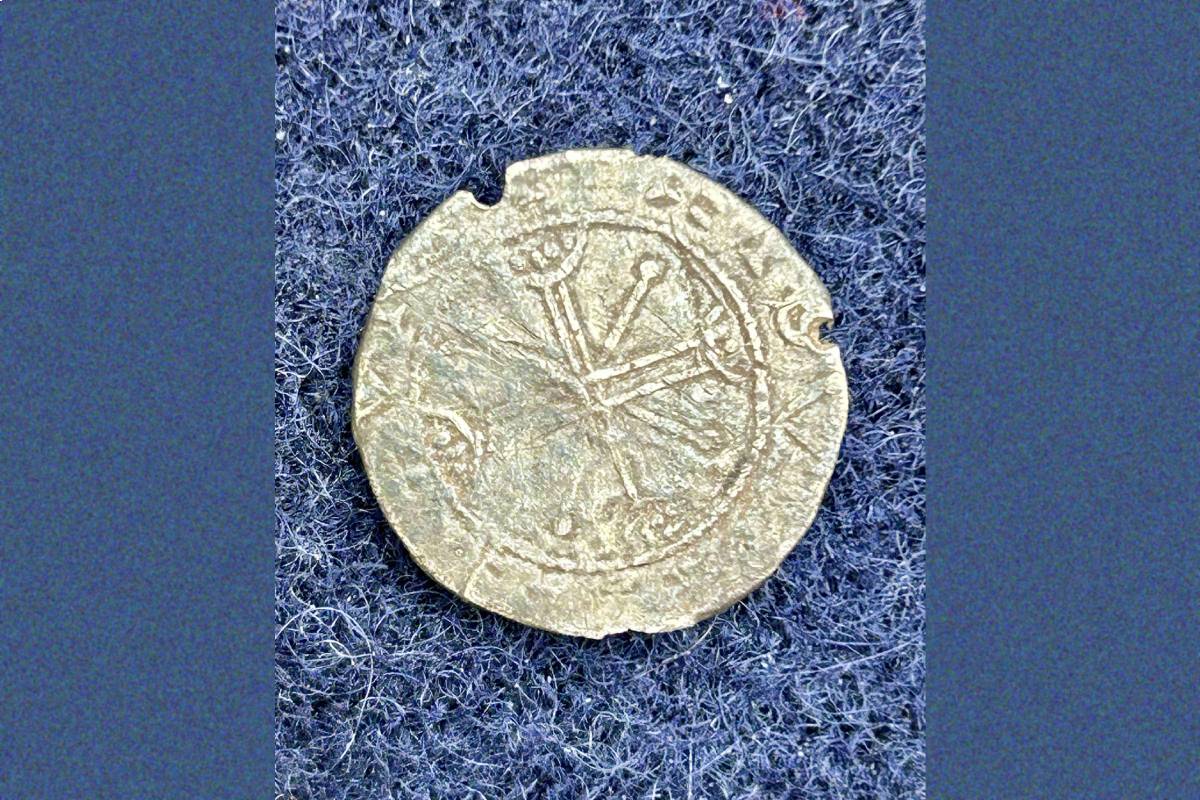
Viking settlers came to the Isle of Man in the 9th century, where they created strong trade ties and ruled for centuries. Photo: Hannah Hauan
Part of the economy
Today, a self-governing British Crown dependency, the Isle of Man, lies between England and Ireland in the Irish Sea.
The first Vikings came to the island in the 9th century, eventually settling in significant numbers and setting up major trade networks.
The Vikings would go on to rule the island for more than 400 years, helping to establish Tynwald, which many believe to be the oldest continuous parliament in the world.
Allison Fox believes that the arm ring may have been used as payment for goods or services on the Isle of Man—pieces of silver and gold, including jewelry, are known to have been used as mediums of exchange.
"This arm ring has been cut twice, indicating it has possibly been used for at least two separate transactions," Fox commented to Manx National Heritage.
"One cut removed the terminal end of the arm ring; the other one cut the original complete arm ring almost in half," Allison added.
"For reasons we will never know, this fragment of gold arm ring was buried in the ground until discovered. It may have been hidden for safekeeping, could just have been lost, or may even have been buried as an offering to the Viking gods."
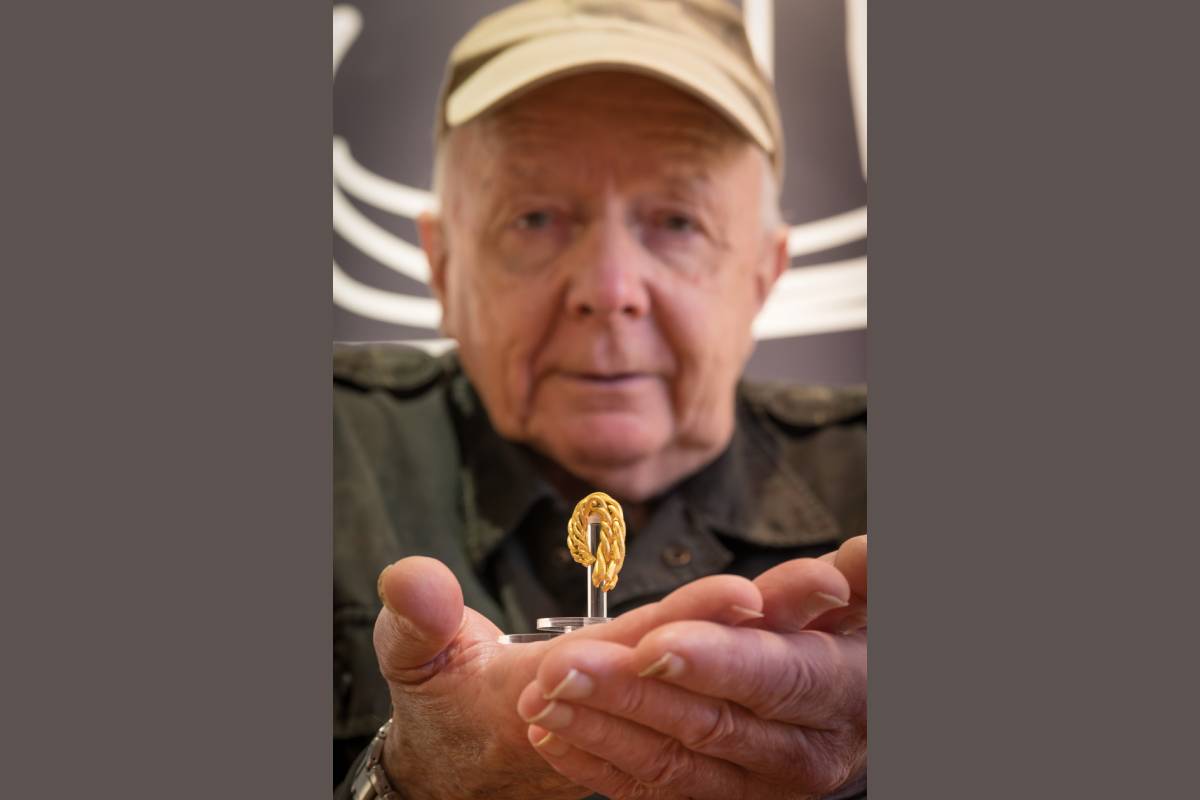
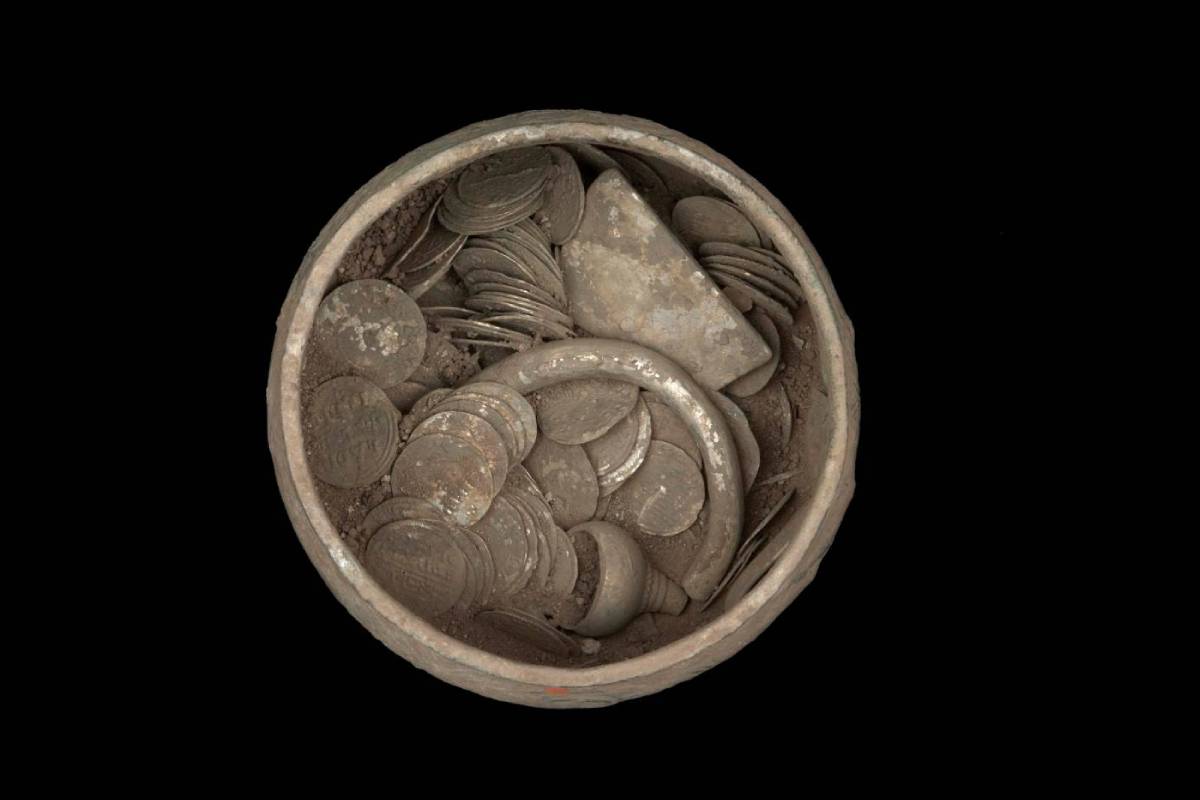
This discovery was Ronald Clucas’s second Viking treasure find, celebrating his five decades of metal detecting. Photo: Manx National Heritage
A unique anniversary find
As Allison pointed out, the find was the perfect way for Ronald Clucas to mark a very special anniversary. "This fragment of gold arm ring is the second 'Viking treasure' discovered by Mr. Clucas," Allison commented.
"Mr. Clucas has been detecting for 50 years, with 2025 marking his golden anniversary of metal detecting. Ronald's earlier finds include a silver ingot and a lead ingot that he discovered on the island in 2005."
With the find now officially declared a treasure, both the owner of the land where it was discovered and the finder can expect to receive a financial reward as compensation.
As an artifact of significant value to the history of the Isle of Man, the gold fragment is now the property of Manx National Heritage.
The artifact is due to go on display in the Viking Gallery of the Manx Museum in the Isle of Man capital, Douglas, on Saturday, May 31.
We get to provide readers with original coverage thanks to our loyal supporters. Do you enjoy our work? You can become a PATRON here or via our Patreon page. You'll get access to exclusive content and early access.
Feel free to reach out to discuss potential stories that may be in the public interest. You can reach us via email at hello@thevikingherald.com with the understanding that the information you provide might be used in our reporting and stories.