

More than 300 coins have been found at the Sizewell C nuclear power plant development site in Suffolk, UK.
With initial analysis now complete, Oxford Cotswold Archaeology has announced that the coins have been dated to the 11th century and were minted at a number of locations throughout England.
A nationwide collection
The collection of silver coins was unearthed by Oxford Cotswold Archaeology during excavations commissioned prior to construction work for Sizewell C, Britain's latest nuclear power station.
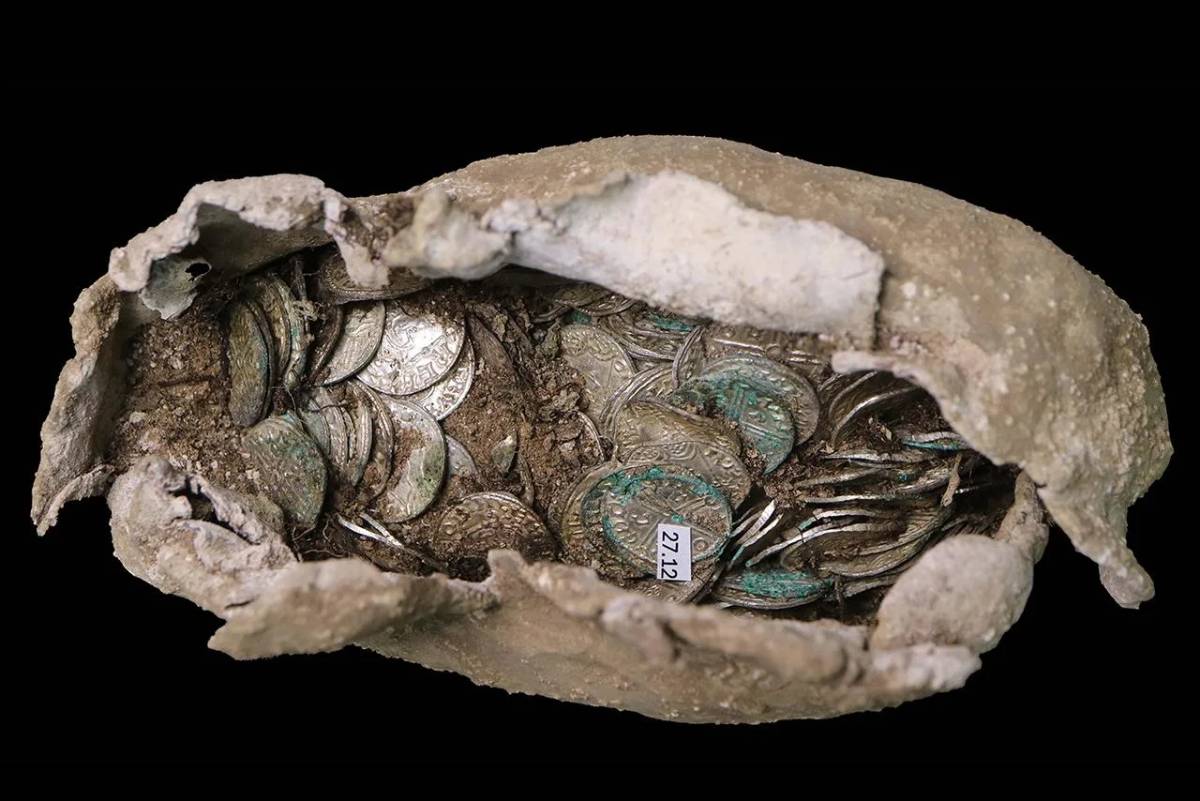
The team unearthed a textile pouch tightly wrapped in lead sheeting at the junction of two boundary ditches from the early medieval period.
Inside the pouch, the archeologists found some 321 silver coins that were all issued between 1036 and 1044 CE.
These dates cover the reigns of two Viking kings, Harold I "Harefoot" (1036–40) and Harthacnut (1040–42), and the Anglo-Saxon monarch Edward the Confessor, who returned the House of Wessex to the throne and ruled from 1042 to 1066.
The archeologists have reported that while 40% of the coins were struck in London, there are over 30 mints represented in total, all from England.
Several of the mints were located in the region of East Anglia, including at Thetford, Norwich, and Ipswich, while many other areas in eastern England and the southwest are also represented, as well as Lincoln and Stamford to the north.
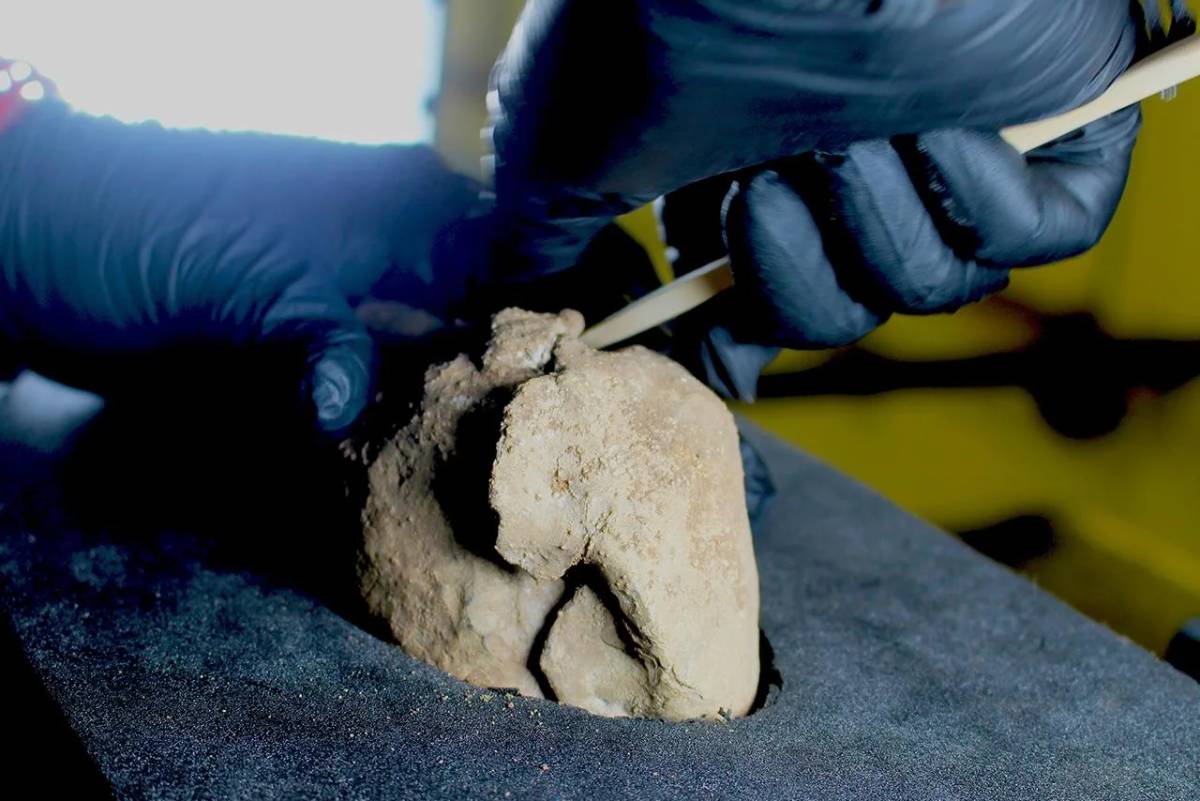
The hoard was encased in a lead sheet, which the conservator carefully pried open to access the coins. Photo: Oxford Cotswold Archaeology
Hidden in a panic?
The location of the hoard – placed at a clear boundary between two fields – suggests it was buried deliberately.
Although there are a number of possible explanations for such an act, the team suggests it was likely carried out as a reaction to the period of instability that followed the accession of Edward the Confessor to the English throne.
The team was able to date the burial of the hoard to the period 1042–44, as the most recently struck coins – of the "PACX" type – in the collection would have been created between the summer of 1042 and late 1044.
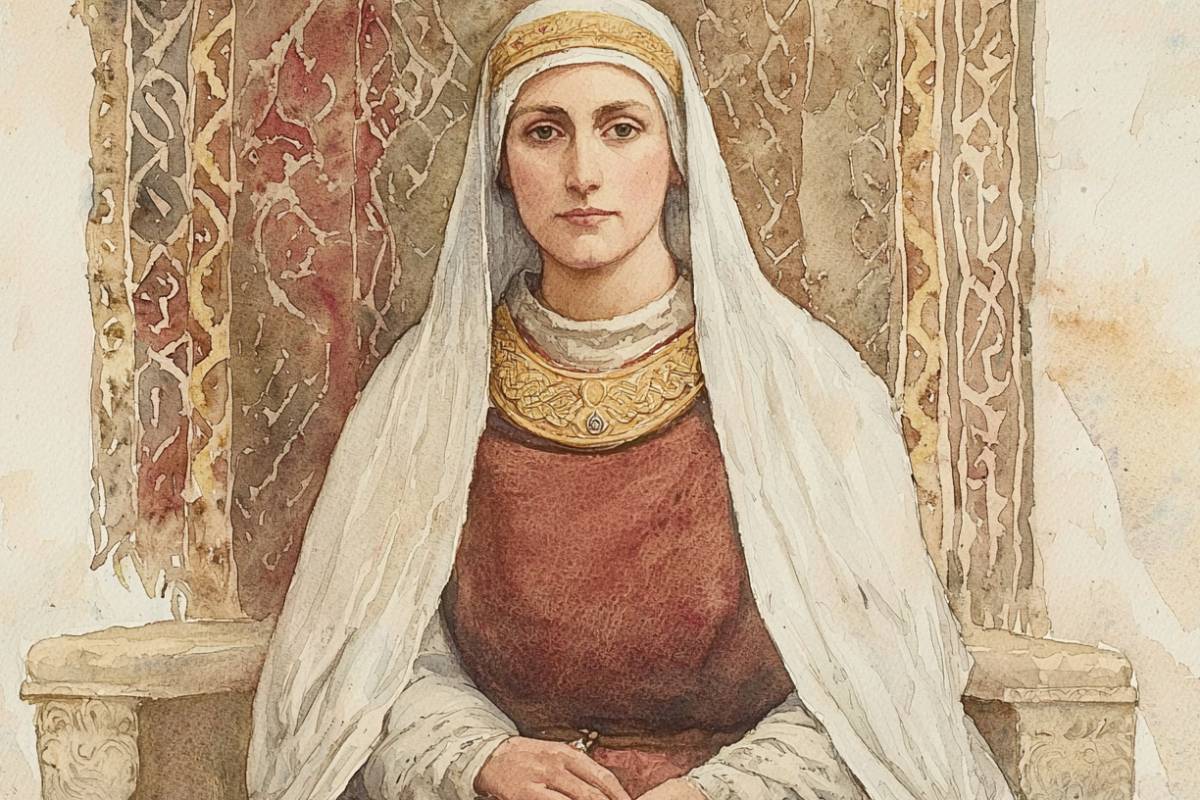
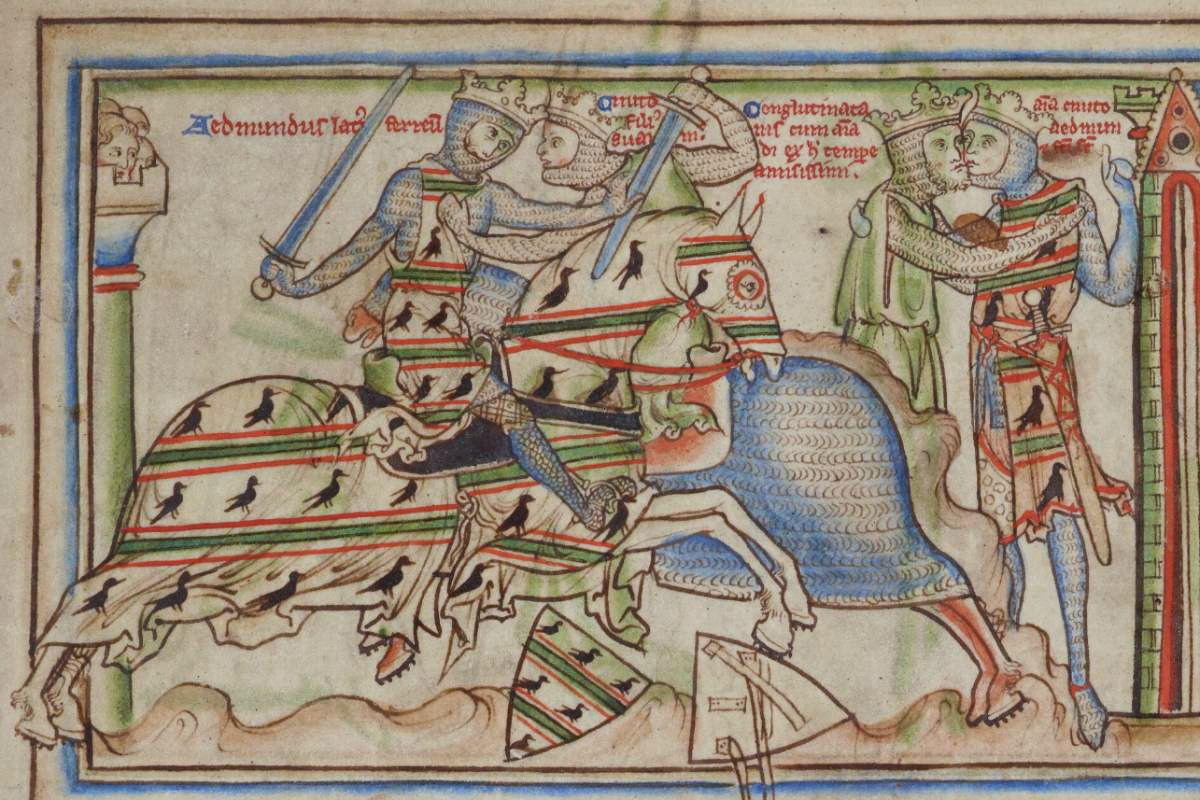
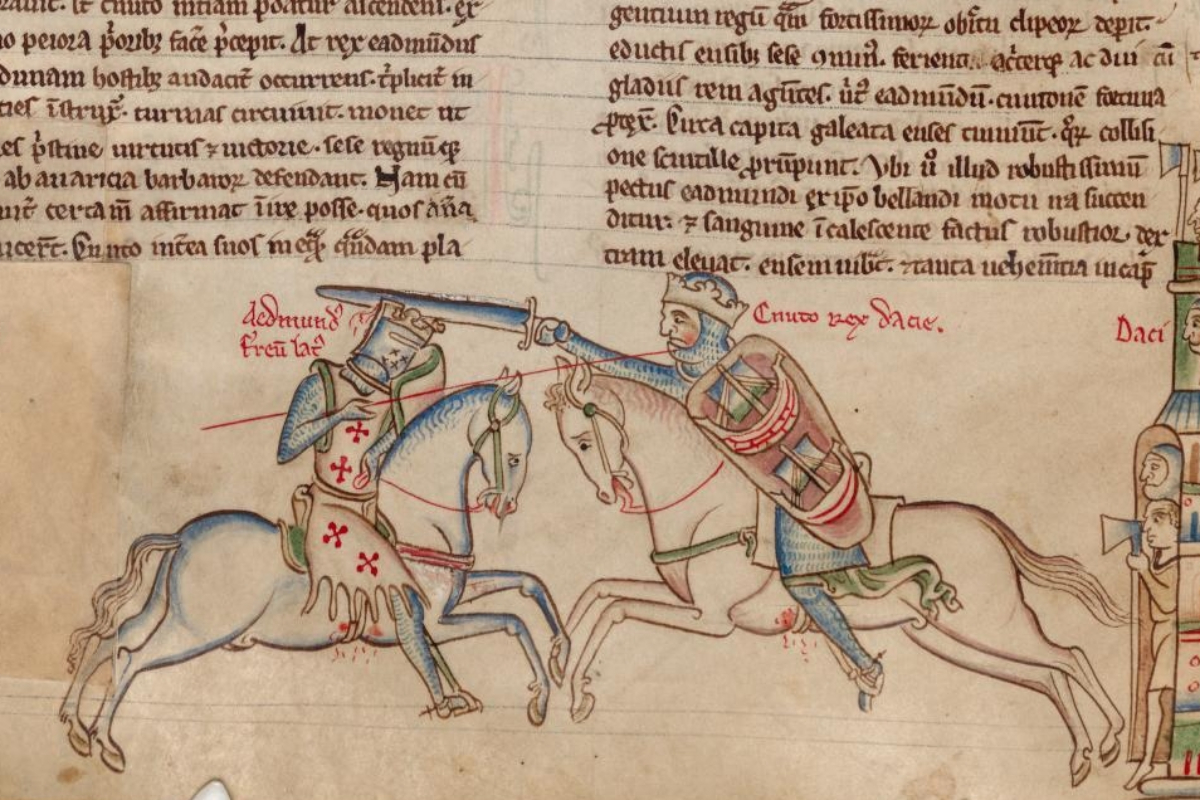
Edward's coronation in 1042 marked the end of Danish control, after first Cnut and then his sons Harold and Harthacnut reigned over the Anglo-Saxon people.
It is known that in the struggle for power and dominance that followed Edward's accession to the throne, the monarch confiscated the property of several influential people and forced many into exile.
In fact, several coin collections from this period have already been discovered in various locations throughout the country, suggesting that the person who buried the Sizewell C hoard was not the only one to fear repercussions from the change of regime.
- READ MORE: What was the North Sea Empire?
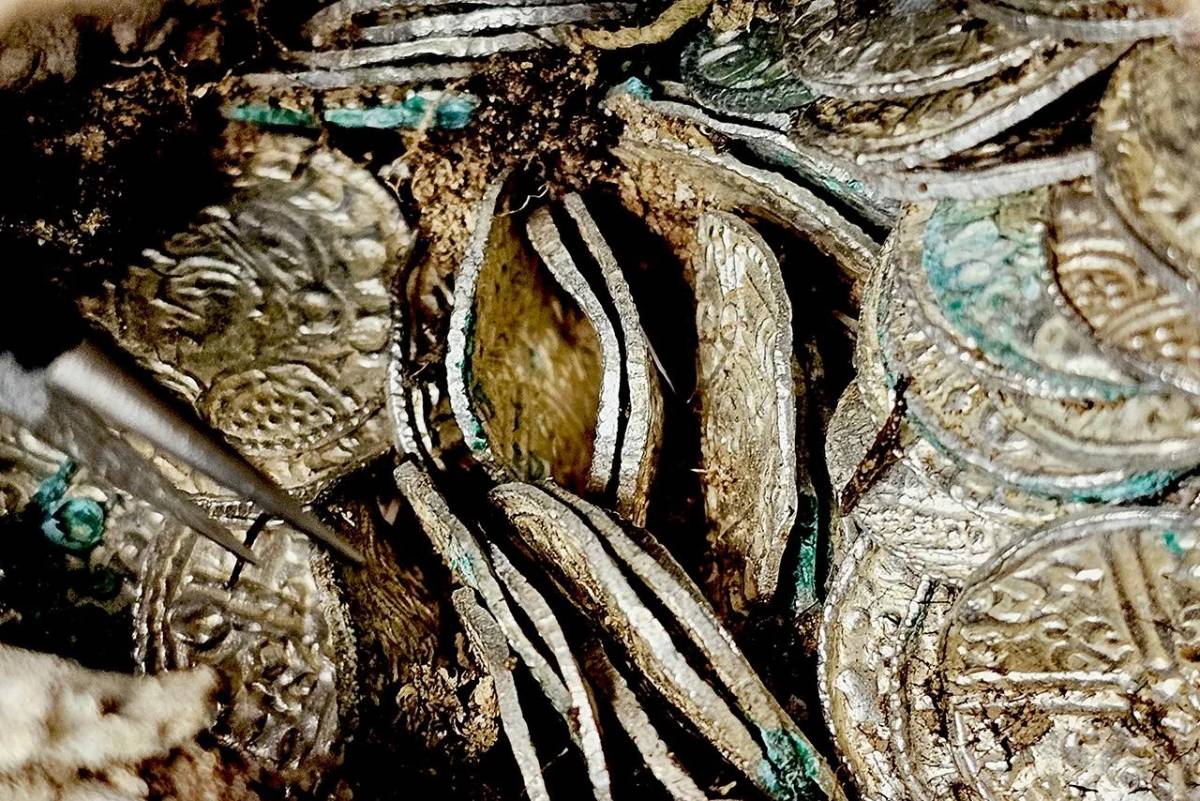
In 11th-century England, the hoard’s value of 320 pence equated to the cost of 16 cows. Photo: Oxford Cotswold Archeology
Enough for a small herd of cows
The team at Oxford Cotswold Archaeology has noted the hoard would have been worth precisely 320 pence in 1042 – with 319 full pennies and two cut halfpence.
Evidence from historical legal records indicates that a cow at this time would have cost around 20 pence. This tells us that the hoard would have been enough for its owner to purchase a total of approximately 16 cows.
The archeologists note that while this would have been a notable amount of money for most people in 11th-century England, it is not a highly significant fortune.
This means that the owner was probably only of local importance rather than a member of the most elite section of society. As of yet, there are no clues as to who this person may have been.
After being extracted from the lead sheet casing and pouch, the coins were carefully and painstakingly cleaned and then analyzed by numismatics experts.
Now that this period of restoration has been completed, it is hoped the hoard will go on display in the near future.
We get to provide readers with original coverage thanks to our loyal supporters. Do you enjoy our work? You can become a PATRON here or via our Patreon page. You'll get access to exclusive content and early access.
Feel free to reach out to discuss potential stories that may be in the public interest. You can reach us via email at hello@thevikingherald.com with the understanding that the information you provide might be used in our reporting and stories.