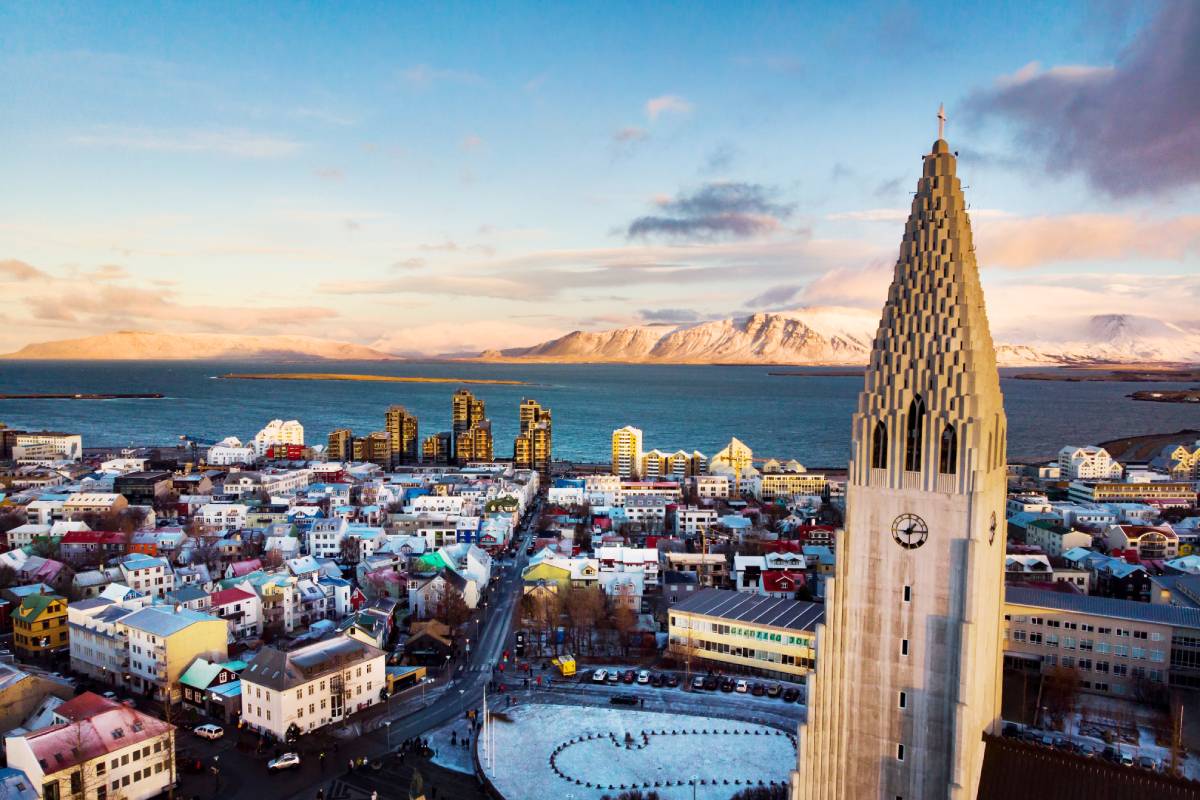


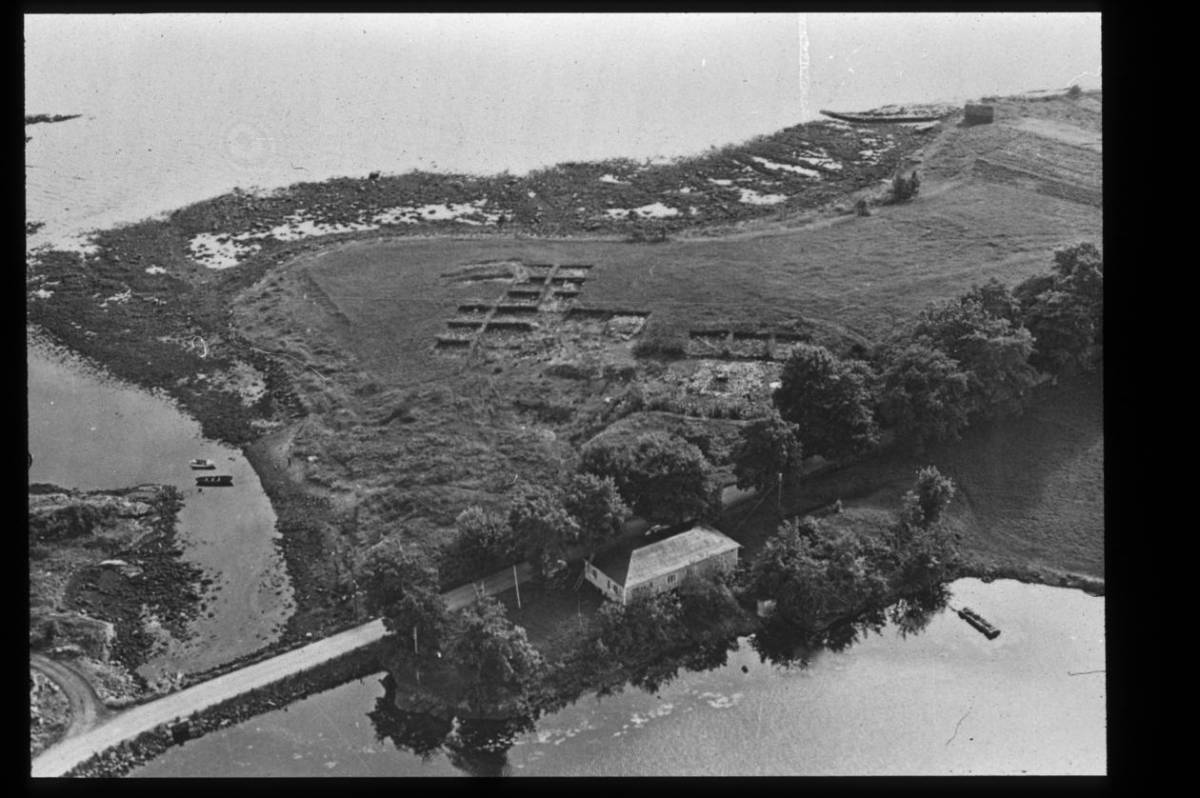
A notable number of objects from the town were discovered by accident in the 1950s, during the process of clearing a part of the land on Norway's western coast, near the Borgund Church (today, located in Ålesund Municipality in Møre og Romsdal county, Norway).
Around 1954, researchers decided to initiate more extensive investigations and excavations at the site, which resulted in the discovery of numerous fascinating objects. A considerable number of the finds, some dating to the Middle Ages, were then stored.
They remained in storage for decades. In recent years, a research project was launched to take a closer look at Borgund and its legacy.
The Viking Herald reached out to professor and archaeologist Gitte Hansen, the manager of the project, to find out more about the work surrounding the so-called Borgund Project.
Borgund: The rise and fall
While there are not a lot of written sources on the town in the Middle Ages, the few available sources describe it as a "small town." These sources are primarily charters and the sagas.
After the town was built in the 900s or 1000s, it took a while for it to grow. But with the passing of the centuries, it became the biggest town on Norway's coast between the cities of Bergen and Trondheim.
The town had its ups and downs. It seems to have reached its zenith in the early 1300s. However, as the end of the 14th century approached, Borgund started to fade into historical oblivion – written sources gradually stopped mentioning its name.
After the town disappeared, its memory slowly started to die out through the centuries.
"Most medieval towns have survived until today, with a continuation of place and the name of the place. I guess that since Borgund fell into decay and went out of use (we would like to find out the reasons for that), its location must simply have been forgotten.
"The name of the place, Borgund, was known from written sources, and people had an idea that it was in this part of the country, but no one knew more precisely where the place was located. In the early 18th century, historians relate that they have heard that there used to be a town on the meadow outside today's Ålesund, but never saw signs of a lost town there," Hansen told The Viking Herald.
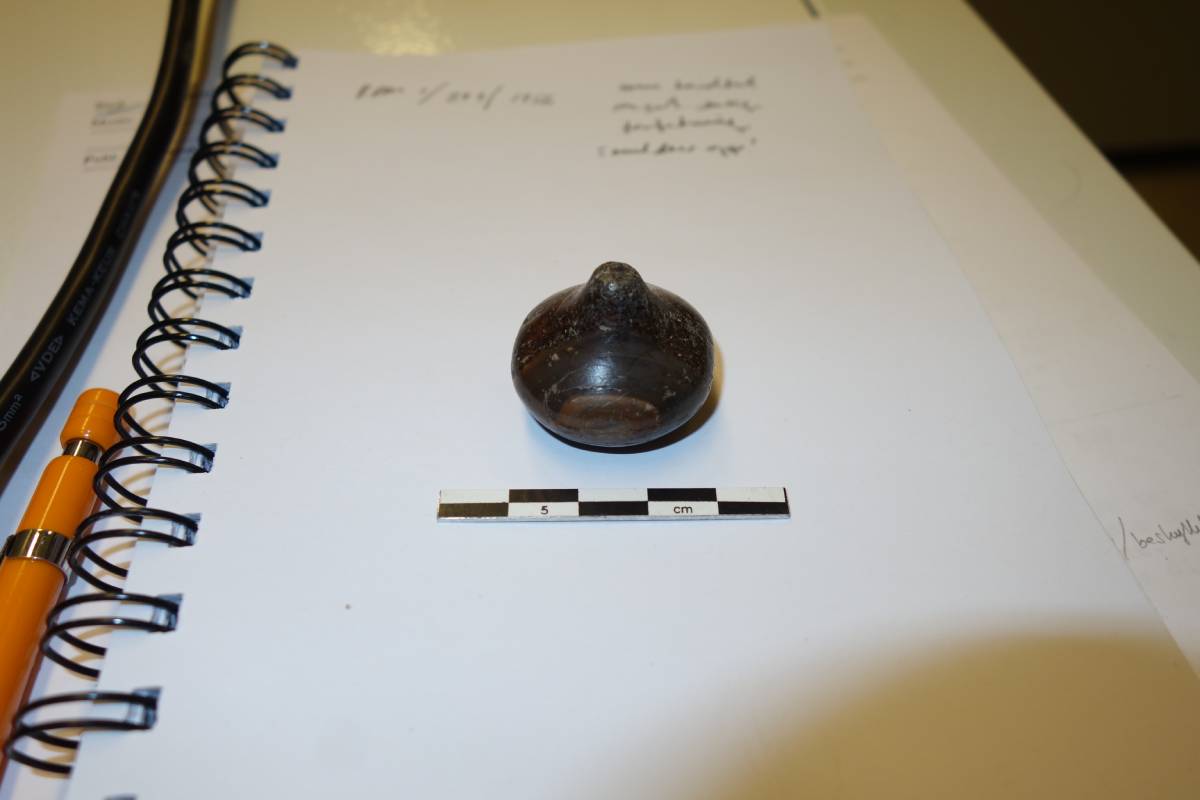
A photo of an excavated chess piece. Photo: Gitte Hansen
The Borgund Project
Hansen was the one who initiated the research project to look into the tens of thousands of objects that were excavated in Borgund.
According to Hansen, roughly 45,000 objects have been in storage for decades, and they haven't been examined since the 1970s.
Within the Borgund Project, Hansen and other researchers are now taking a closer look at the items. One of the mysteries related to the town is related to its exact age.
"We are still trying to find out how old Borgund actually is, and it is exciting that the place seems to be in use during the late Viking Age. Before our project started to examine the findings, we only had vague ideas about the age of the place. So I guess the most exciting Viking Age-related find is - the place itself!" Hansen said.
Analyzing thousands of objects – a team effort
The process of analyzing and dating thousands of excavated objects from Borgund is a monumental task in itself.
"It is a great challenge to systematize... such a large archaeological dataset consisting of documentation, objects, and ecofacts from more than 30 seasons of archaeology in Borgund. The many researchers in the project have, to a large degree, collected their data regarding the kind of objects and materials, but it is also important to know how old the objects are.
"Some of the objects, like pottery, soapstone vessels, shoes, combs, clay pipes, and glass can be dated by typology, so in collaboration, we have re-classified such objects and established data to form a 'backbone' for dating the site through re-classification. Some 6000 objects have been dated typologically.
"My number one priority has been a stratigraphical analysis of cultural layers from the 126 7X7 m excavation units and to define and date more than 1200 archaeological units through the dated objects and 14C. Then subsequently, the remaining thousands of objects and ecofactual materials can be dated through association with the dated units, and everybody will get dates for their research objects and materials and be happy! Phew!"
"It has been a tremendous job, but it is slowly being realized, thanks to great efforts from the team," she accentuated.
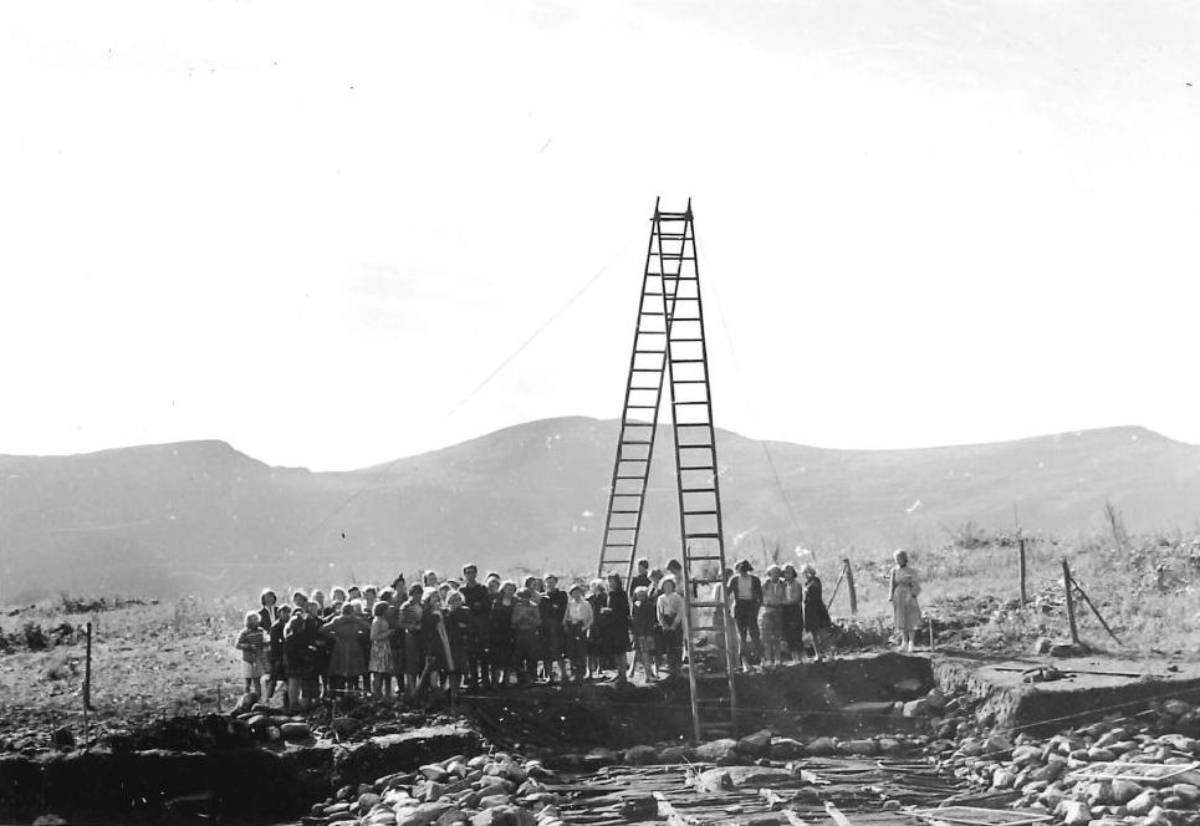
The photo shows a school class visiting Herteig's excavation in Borgund in 1954. Photo: Universitetsmuseet i Bergen / CC BY-SA 4.0
Fascinating objects related to everyday life
Hansen pointed out that, as the main research questions within the project relate to everyday life, lifestyle, and the life "circumstances" of people in a small town in the periphery of Europe, the most exciting finds might not be what one would intuitively expect (such as gold rings – and two were found among the 45,000 objects).
"To me, the most exciting finds are objects like a child-sized shoe that shows that Borgund had a broad demographic composition, broken pots and pans that show people had food at the table, and even European tableware, on occasion. Worn out clothes with several patches that show that people made the best out of what they had, and reused items until only rags were left," she explained.
The importance of the Borgund artifacts
In total, there have been 31 archaeological field seasons at Borgund.
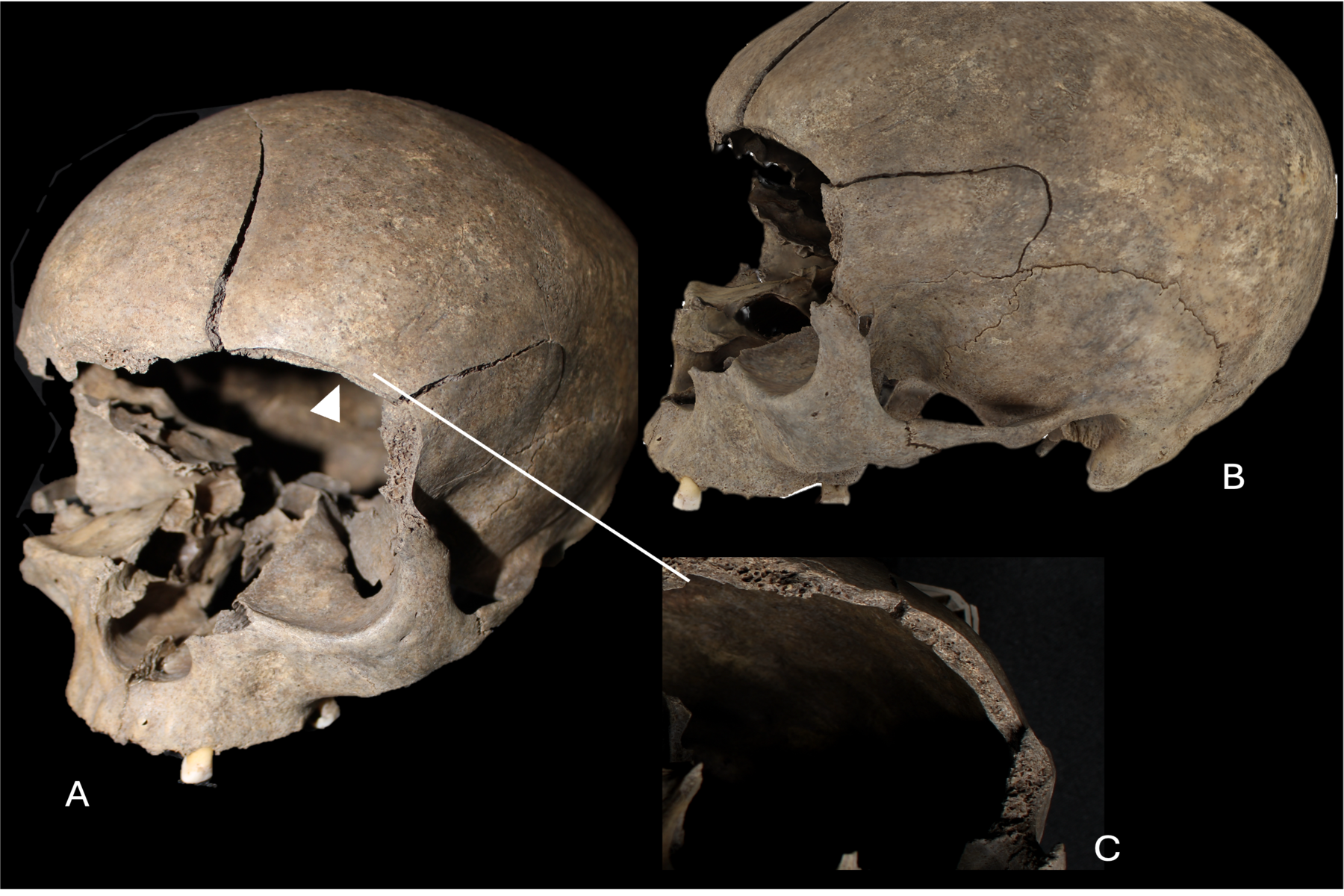
All in all, 5300 m2 have been excavated, and 45,000 archaeological artifacts, as well as an equally large amount of osteological material, have been found, according to the University Museum in Bergen.
That represents Norway's most notable corpus of medieval archaeological material outside the big towns.
Some of the artifacts are displayed in the Medieval Museum at Sunnmøre Museum in Ålesund, while the rest are kept at the University Museum in Bergen.
The Borgund Project – the latest and one of the most ambitious projects aimed at researching the excavated objects – is envisaged to run from 2019 to 2023.
It has no plans to carry out additional excavations. Instead, it aims to look at the materials that have already been excavated by marshaling the competencies of an interdisciplinary team of researchers.
We get to provide readers with original coverage thanks to our loyal supporters. Do you enjoy our work? You can become a PATRON here or via our Patreon page. You'll get access to exclusive content and early access.
Feel free to reach out to discuss potential stories that may be in the public interest. You can reach us via email at hello@thevikingherald.com with the understanding that the information you provide might be used in our reporting and stories.