

As reported last week by The Viking Herald, a new international study has explored possible routes the Norse Greenlanders might have taken as they hunted for valuable walrus ivory.
The researchers employed high-resolution genomic sourcing methods to track walrus artifacts to specific hunting grounds.
Now, we speak to three of the main authors of the paper – Peter Jordan, Dr. Emily Ruiz-Puerta, and Greer Jarrett – about the significance of their finds, focusing in particular on how the Vikings may have interacted with Indigenous peoples of the High Arctic.
What drew you to this particular area of research?
Dr. Emily Ruiz-Puerta, lead author and Arctic researcher at both the University of Groningen and the University of Copenhagen: One of our earlier studies, published in Proceedings of the Royal Society B, revealed that Atlantic walruses have a unique evolutionary history and show significant population structure.
This discovery, crucial from an evolutionary biology perspective, inspired us to explore further the provenance of walrus ivory artifacts found in European museums, dating back to medieval times and beyond.
Greer Jarrett led seafaring strategies in the study, a doctoral researcher at Lund University: Personally, I have always been interested in meetings and encounters between different cultures.
As my research focuses on Viking Age and Norse seafaring, the possible encounters these sailors may have had during their travels across the globe are of core interest to me. It is also exciting to be able to collaborate with a completely different field.
I think this study has shown that such interdisciplinary collaborations can help strengthen research results and answer our questions from multiple angles.
Trade was an essential part of the Norse world, and trade in high-status material is especially interesting because it occurred both in the Viking Age and the Middle Ages, while in the Norse world, bulk trade is more of an exclusively medieval phenomenon.
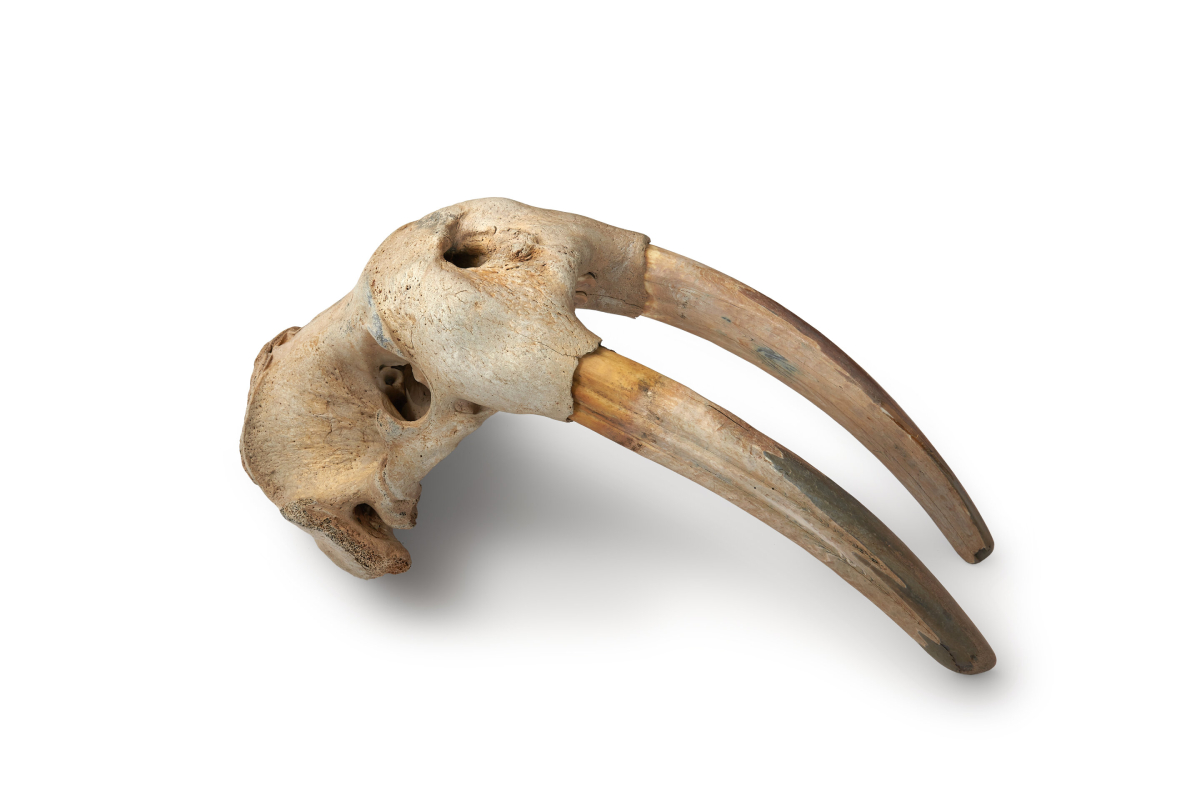
Trade in ivory and other high-status goods sustained the Norse settlements in Greenland for over four centuries and brought all manner of exotic goods into Europe, including gyrfalcons, polar bear cubs, meteoric iron, and narwhal tusks.
Some of this seems to have been acquired from Indigenous North American communities, creating an early form of globalized trade networks spreading across the northern hemisphere.
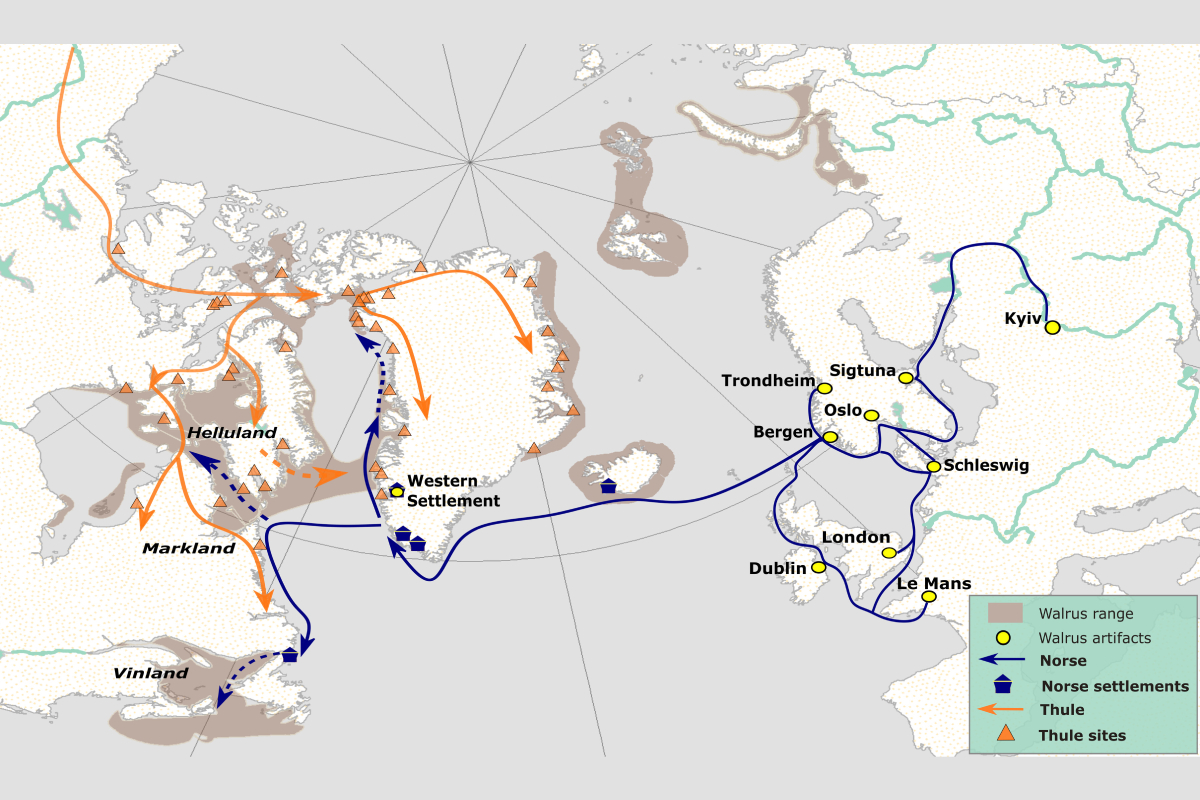
The map shows the shifting patterns of Norse ivory hunting, highlighting long-range expeditions to the High Arctic and interactions with Indigenous groups. Photo: Emily J. Ruiz-Puerta and coauthors
The paper indicates it is unlikely there was major trading between the Norse and Indigenous populations. What is the rationale behind this assertion?
Greer Jarrett: This is a hypothetical argument rather than a proven fact. We believe that trade was sporadic: firstly, because there are very few Norse artifacts on Indigenous North American archeological sites, and very few Indigenous North American artifacts on Norse archeological sites.
Secondly, the Norse didn't seem to possess anything that the Thule or Dorset needed that would have encouraged sustained trading.
The only thing that would have been of more than passing interest for these groups that the Norse had access to was iron, but this was a jealously guarded commodity at the Norse settlements, as it was very difficult to come by in Greenland.
Peter Jordan, the senior author and a professor of archeology at Lund University, explains: Our new insights into the Arctic ivory trade place all these different populations in the same seascapes.
They likely targeted the same kinds of marine resources, and within the same general time period. There were definitely encounters and probably routine interactions, which may have evolved into formalized trading relations.
Greer Jarrett: At the same time, there seems to have been a low level of technological transfer between these groups. For example, the Norse never adopted Inuit harpoons or their (far superior) fur and hide clothing, and instead hunted with spears and wore woolen clothes.
The Thule did not adopt Scandinavian boatbuilding or sailing technology. This seems to indicate either a high degree of cultural conservatism on both sides or (more likely) too few meetings and exchanges to allow for these technologies to spread.
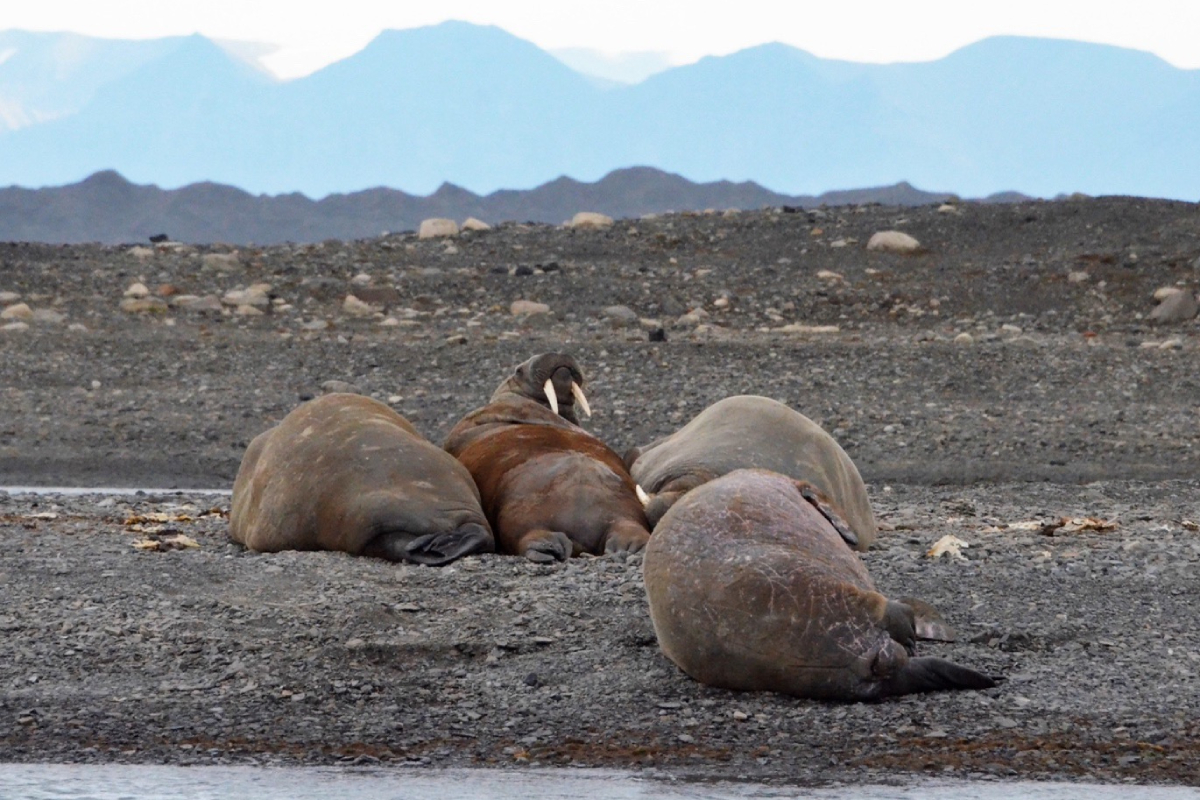
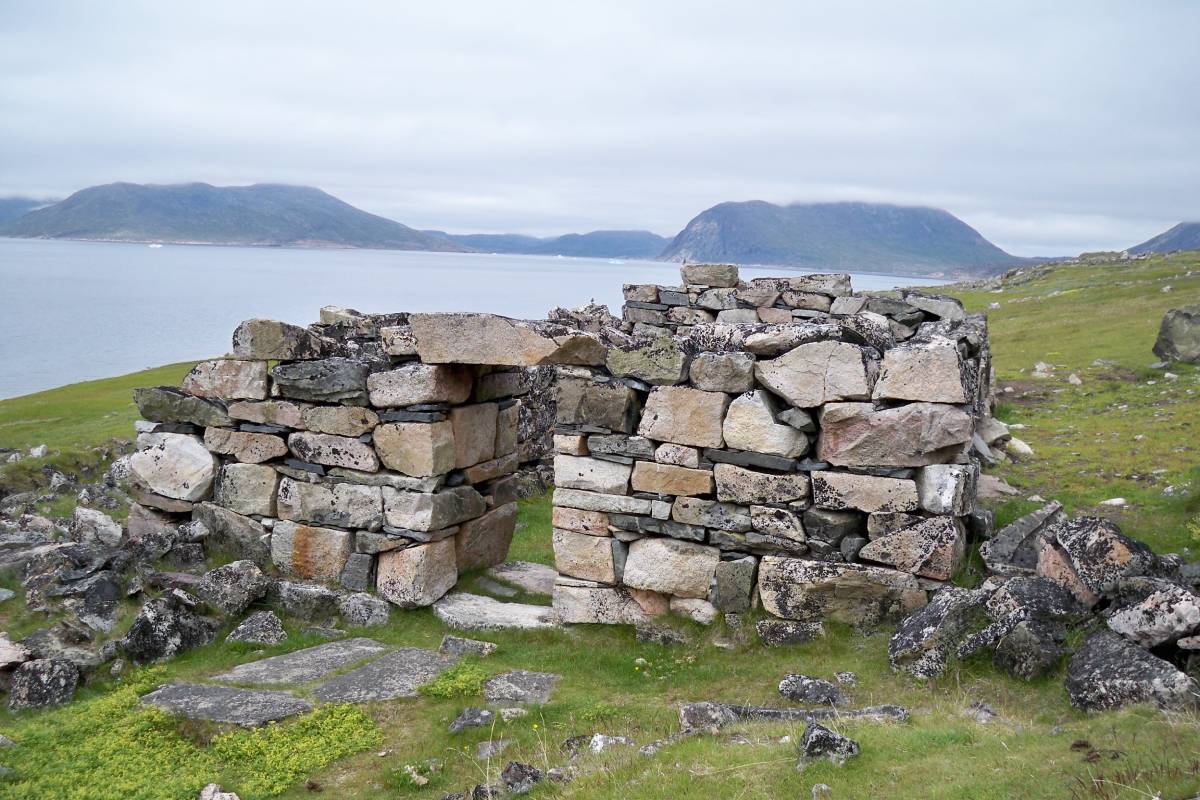
The paper highlights few shared artifacts and a lack of critical goods, indicating that trade between the Norse and Indigenous groups was limited. Photo: Morten Tange Olsen
How would you describe the culture of the local people that the Norse Greenlanders may have encountered?
Greer Jarrett: Firstly, it's important to note that we're not dealing with two uniform cultural blocks here.
The Norse hunters were descendants from various areas of northwestern Europe (Norway, Iceland, and the British Isles), and to an even greater degree, the Indigenous North Americans they encountered came from very different cultural backgrounds.
Within the Indigenous communities, the major distinction during this period was between the Dorset or Tuniit culture, who seem to have occupied much of Baffin Island and been active in northwestern Greenland during the earlier period of Norse activity, up to around 1100 CE.
The Thule Inuit, originally from modern-day Alaska, arrived in northwestern Greenland around 1200 CE. The Dorset and Thule peoples were very different.
The Dorset seem to have lived in smaller groups and were scattered rather sparsely over the High Arctic. They also don't seem to have built kayaks or umiaks.
The Thule, by contrast, moved in larger groups and were expert whalers and walrus hunters, using kayaks and harpoons. It is important to emphasize this because it makes the High Arctic an even more interesting zone of intercultural encounter and exchange – we're not just dealing with two cultures meeting during this period, but rather three.
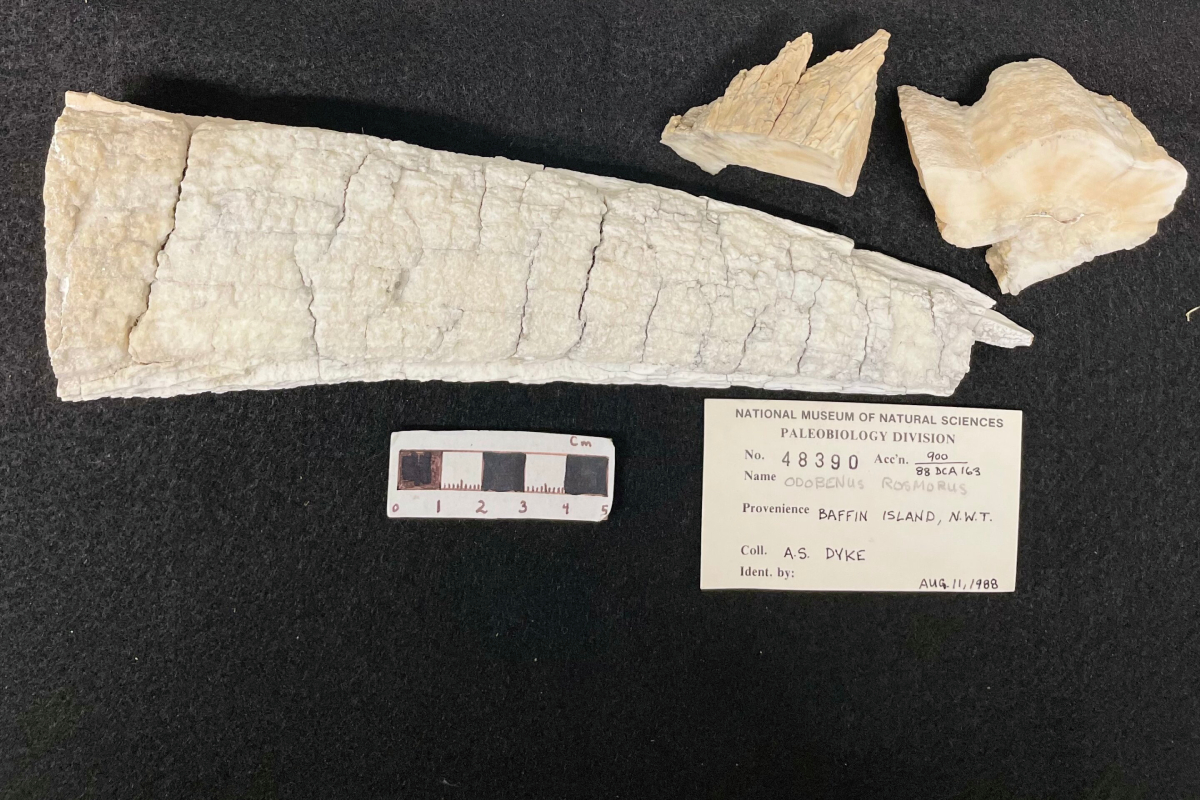
Resource competition, particularly for walrus, likely led to both cooperation and conflict between the Norse and Indigenous Arctic groups. Photo: Emily Ruiz Puerta
What do you think interaction between these cultures might have looked like?
Greer Jarrett: These three groups would have spoken different languages, and their lifestyles were very different from each other.
Thirteenth-century Norse written sources are full of the kind of fantastical descriptions that typically belie ignorance or wonder (or both) about unknown "others."
However, later Norse accounts and oral Inuit histories do mention extended interactions and even friendships between Norse and Thule Inuit, as well as episodes of conflict and violence.
As these different groups were often competing for the same resources, cooperation and conflict were probably both common, depending on which was the easiest path to acquiring the precious trade goods.
Peter Jordan: This would have been a meeting of two quite different cultural worlds.
The Greenland Norse had European facial features; they were probably bearded, dressed in woolen clothes, and were sailing in plank-built vessels, harvesting walrus at haul-out sites with iron-tipped lances.
In contrast, the Thule Inuit were Arctic-adapted specialists, using sophisticated toggling harpoons that enabled them to hunt walrus in open waters.
They would have been wearing fur clothing and would have had more Asian facial features. The Thule Inuit used open boats made from animal skins stretched over frames.
Dr. Emily Ruiz-Puerta: We should also note that the nature of contact between the Norse and Indigenous Arctic cultures, such as the Thule, remains somewhat speculative, as definitive evidence of direct interaction is limited.
However, the Norse perhaps viewed Arctic cultures through the lens of trade opportunities, particularly in the context of valuable walrus ivory.
On the other hand, the Indigenous Arctic peoples may have seen the Norse as transient outsiders or even potential trading partners, particularly if interactions were centered around resource exchanges like ivory.
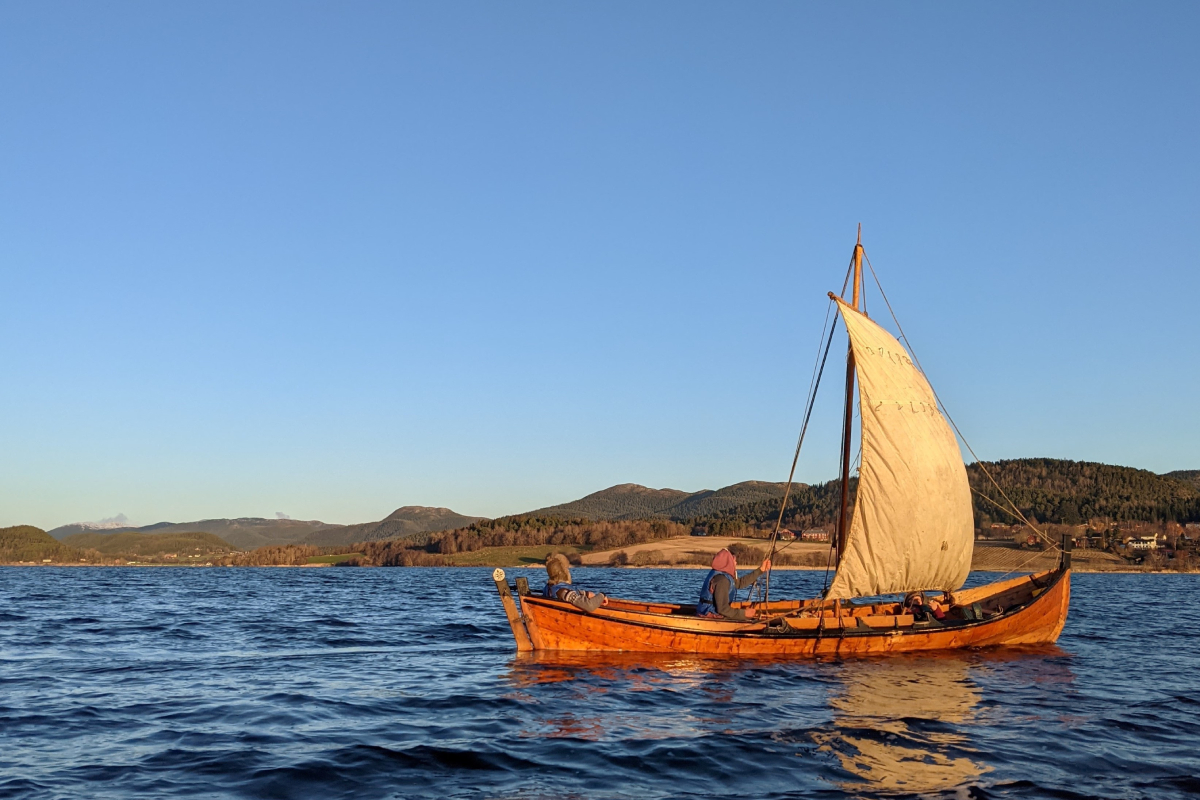
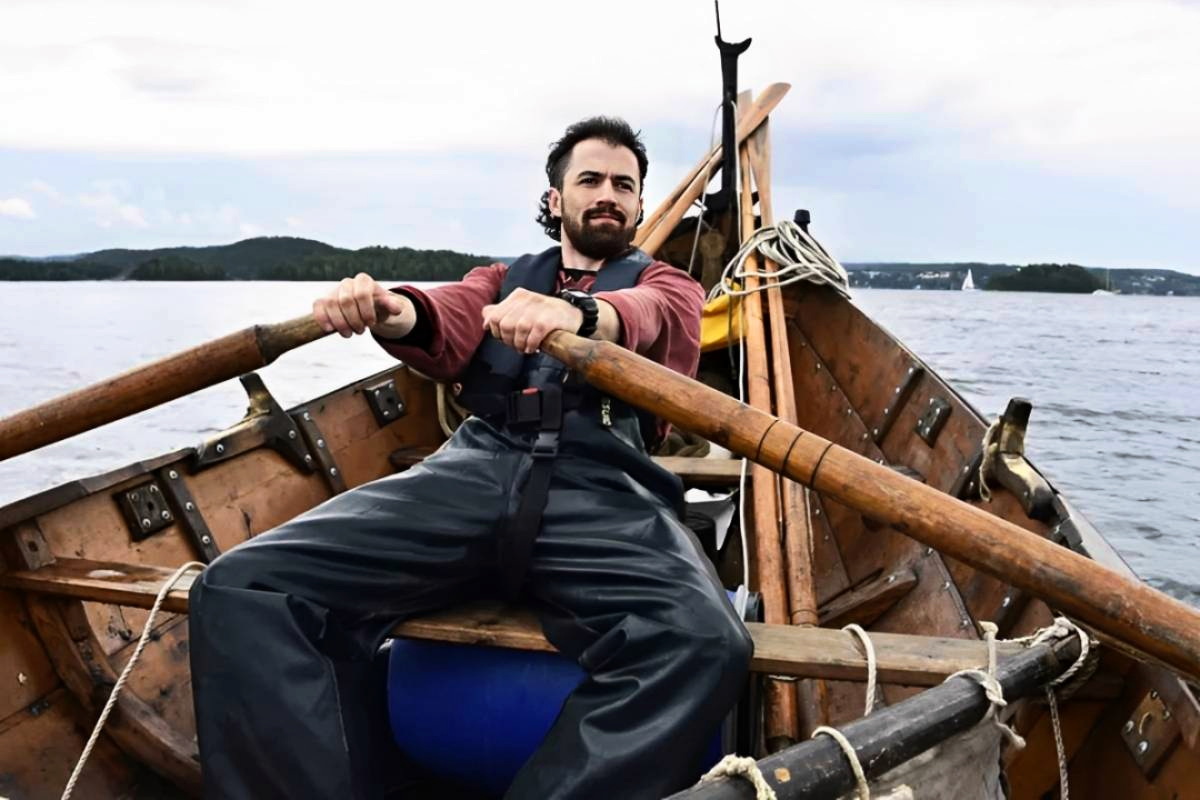
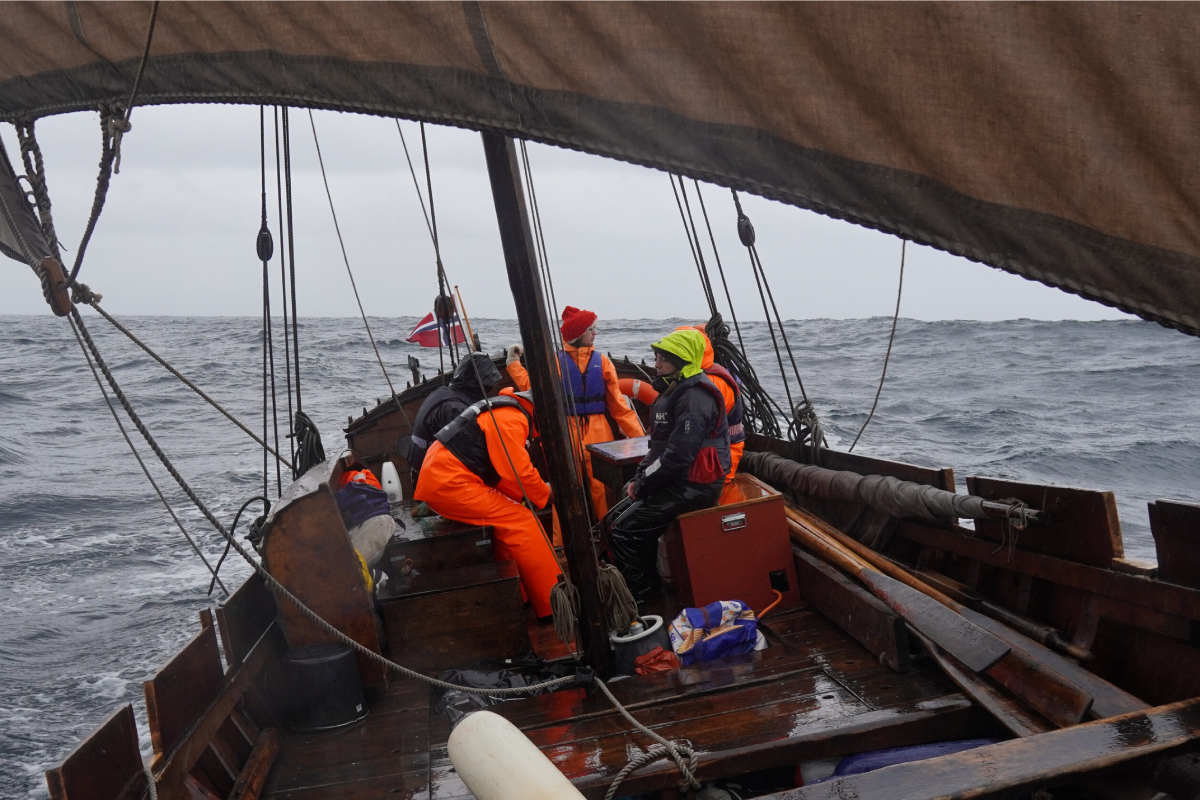
Future studies aim to conduct sailing experiments along Greenland’s coast and investigate Indigenous perspectives on Norse hunting and trade. Photo: Greer Jarrett
Do you have plans for further research in this area?
Greer Jarrett: Yes. What this article has shown is, firstly, that the walrus ivory that made its way into medieval Europe was being acquired much further into the High Arctic than we previously thought.
It also indicates that it was possible for Norse sailors to travel into these far northern hunting grounds. Finally, it tells us that the Norse probably visited these areas for years with especially favorable sailing conditions, leading to intercultural interactions with the Dorset and, later, Thule peoples.
However, more research is required to conduct experimental sailing voyages along the west coast of Greenland to test our hypothetical sailing route presented in the article and locate more direct evidence of Norse presence in this area – there is some, but it's still quite ambiguous.
We would also need to study the Dorset and Thule perspectives on this hunting activity. Did they have any incentive to acquire walrus ivory and trade it with the Norse?
Did the Norse presence in Greenland encourage or prevent their expansion into Greenland? What undiscovered evidence survives in oral histories of interactions between these groups? These questions are yet to be answered.
We get to provide readers with original coverage thanks to our loyal supporters. Do you enjoy our work? You can become a PATRON here or via our Patreon page. You'll get access to exclusive content and early access.
Feel free to reach out to discuss potential stories that may be in the public interest. You can reach us via email at hello@thevikingherald.com with the understanding that the information you provide might be used in our reporting and stories.