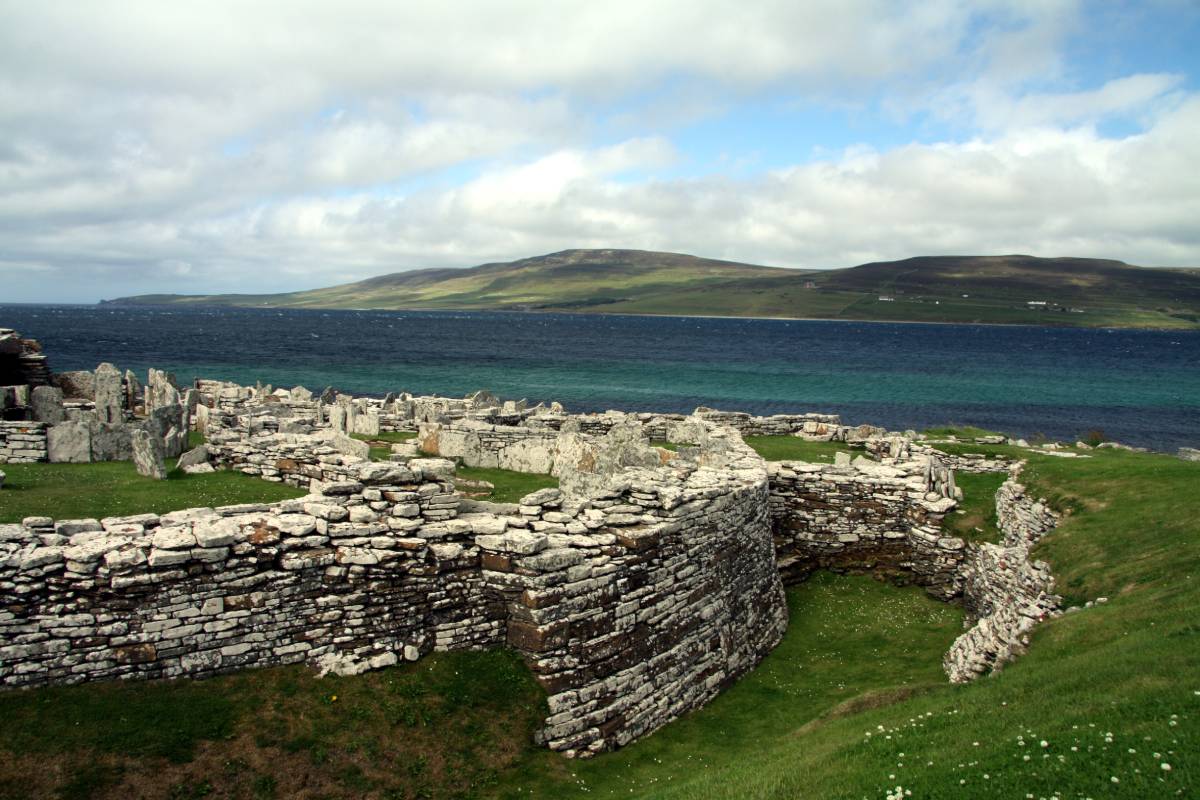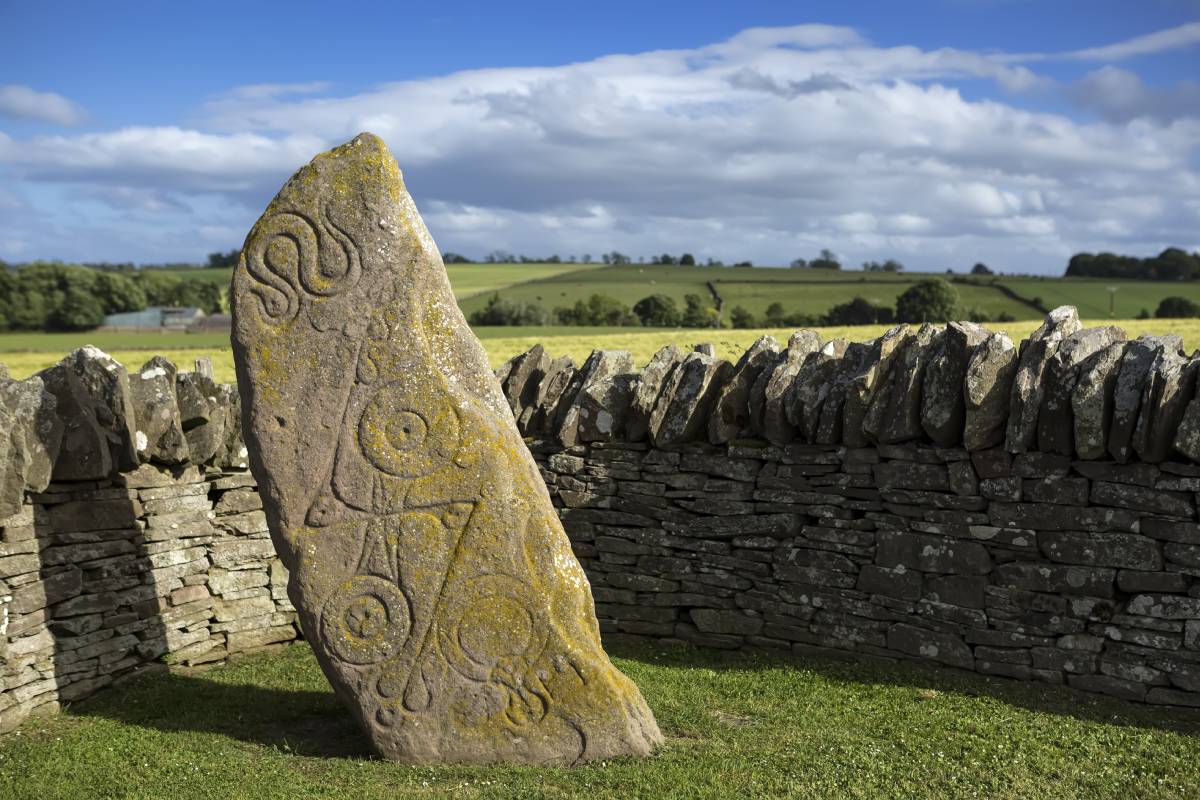


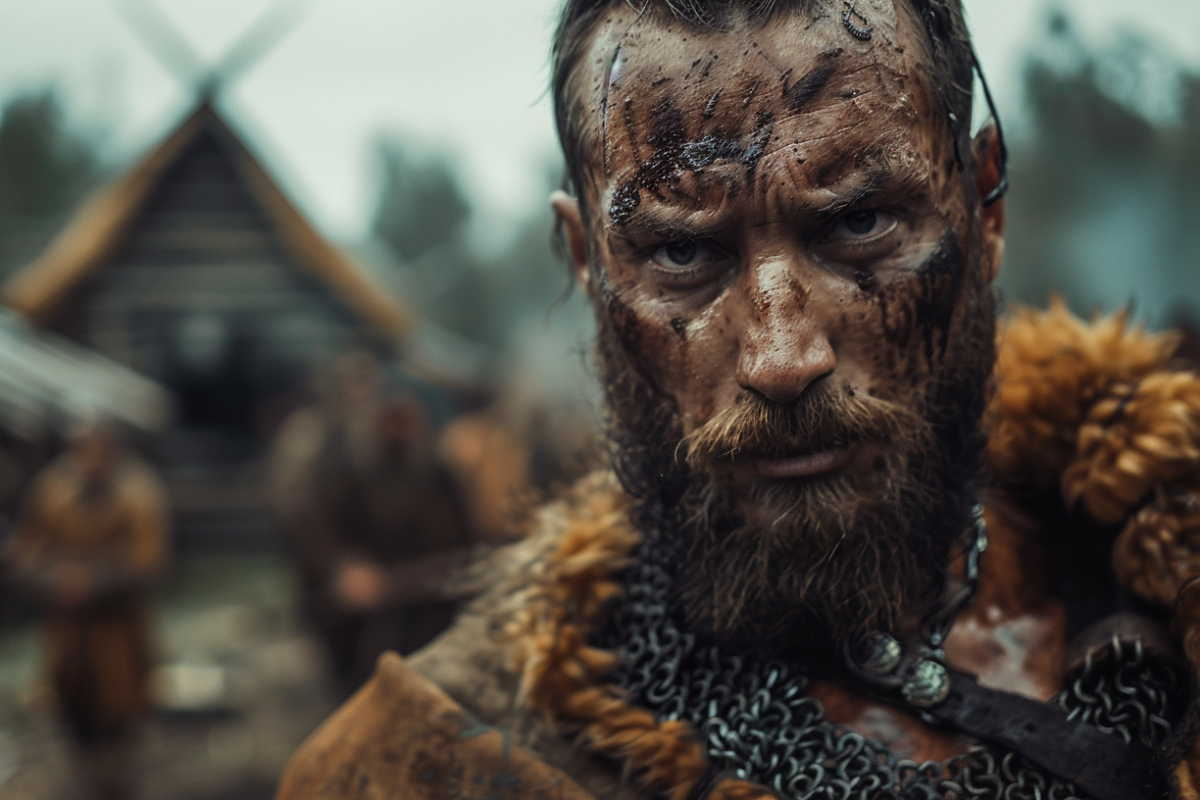
The Orkney Islands are a small rocky outcrop cast adrift from the British mainland in the cold and bracing North Atlantic Ocean.
Whilst geographically part of the United Kingdom, they have strong ties to Scandinavia thanks, in part, to their unique history.
By the 9th century, people from Viking societies had settled on the islands and forced many Celtic and Pictish locals out.
The islands then became the property of a Viking ruler, the Jarl of Orkney, until they were pledged to the Scottish crown as part of a dowry for James III's daughter, Margaret, in 1472.
They have remained in British hands ever since – despite recent rumblings for secession and a societal yearning to reconnect with Scandinavia.
Whilst there was a lot of blood spilled in the Orkneys when the Norse settled, from the late 9th century onwards, these people were also capable of great literary achievements.
The Orkneyinga saga contains some of the finest tales ever produced in Viking societies.
One of the most popular stories in the saga is that of Svein Asleifarson, a legendary Viking whom the Orkney Isles have adopted as a sort of early medieval mascot.
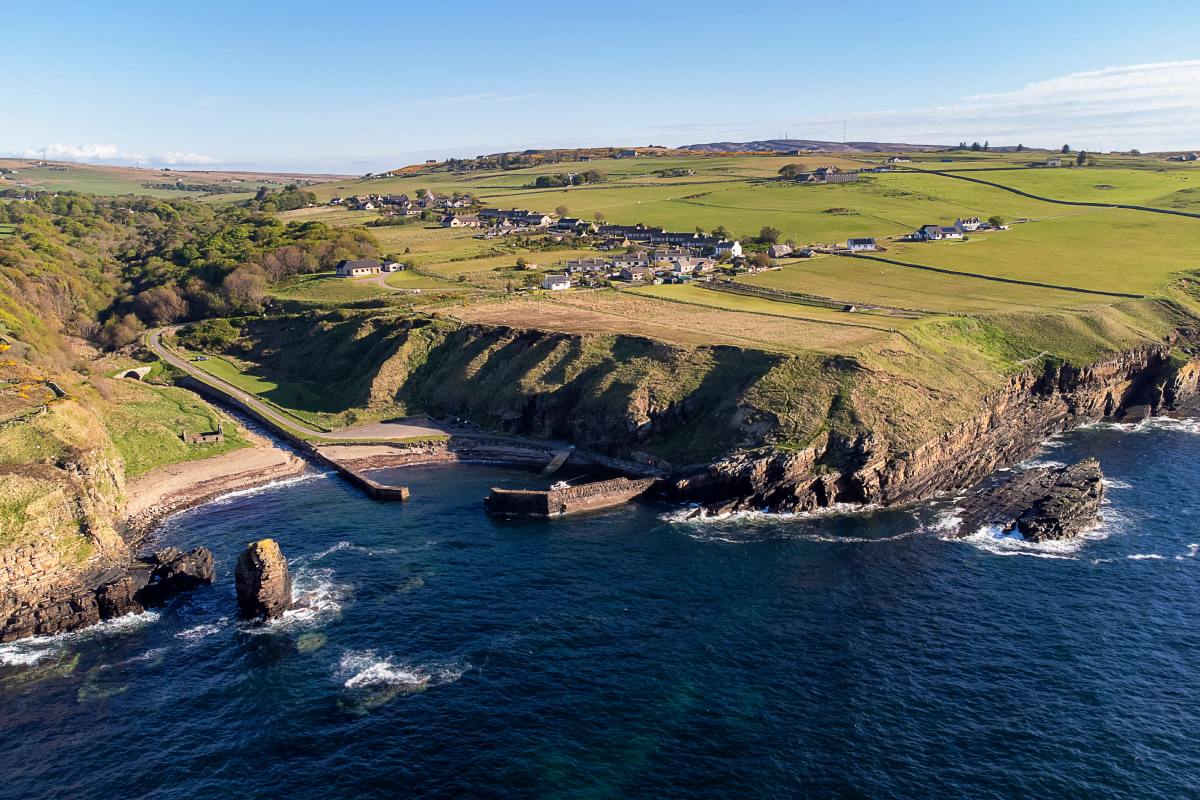
Born in Caithness, mainland Scotland, around 1115, Svein Asleifarson's early life unfolded within territories overseen by the Jarl of Orkney, setting the stage for his Viking exploits. Photo: Rob Atherton / Shutterstock
The saga of Svein
The saga begins with Svein's upbringing. He was said to have been born in Caithness in 1115.
Though this is after the traditional end of the Viking Age (c. 793 - 1066), the 12th century was a historical estuary where Viking communities developed into the medieval societies of Denmark, Norway, and Sweden.
In the Orkneys, the Jarl of Orkney nominally controlled territories, including Caithness on the shores of Scotland, while maintaining allegiance to the Kingdom of Norway.
Svein's first appearance in the sagas sees him make a bloody entrance.
He achieved a degree of fame in his early twenties when he killed the Earl of Orkney's cupbearer during a quarrel over a drinking game.
Now, for all you readers out there, it is not a great look if you commit murder, so it's probably best to keep sharp objects locked away when you next play beer pong.
He was then forced to flee Caithness and took refuge on Tiree, the most westerly isle of the Inner Hebrides.
Following his forced exile, Svein managed to lay low for a few years. However, it was not long before he began raiding off the coast of Wales.
Yet he managed to fall out with a colleague who had decided to do a volte-face and join the forces of the Norman-Welsh.
This was not the first time in his career that Svein fell out with friends and allies due to political machinations.
If we are to believe his depiction in the sagas, he was constantly quarreling, feuding, and arguing, often with bloody consequences.
Driven out of Orkney, having fallen out with some of his Viking subordinates, he would even go on to kill the grandmother of a friend he quarreled with!

Dublin, a key Viking trading hub notorious for its involvement in the slave trade, became a turning point in Svein Asleifarson's story when he was captured in the city in 1171. Photo: 21 Aerials / Shutterstock
Raiding right up until death
When Asleifsson was not busy fighting or in fisticuffs with his friends, he focused on the only thing at which he was more successful - raiding.
Upon an exile from Orkney for – you guessed it, falling out with a friend and a political elite – it appears that Aslefisson went on a series of expeditions up and down the coast of the British Isles, possibly reaching as far south as the Isles of Scilly.
Historians are skeptical of the exact locations of Asleifsson's raids; many doubt he got that far south, but it does appear that he was captured and managed to escape, passing off as an envoy of the Jarl of Orkney.
We know little of his latter career, with only a few brief mentions in the Orkneyinga saga following this.
It seems he continued his raiding activities but eventually ended up as the captive of Ascall mac Ragnaill, the last Scandinavian King of Dublin.
Dublin, since its foundation by Viking slave traders, had been a significant economic hub of the Scandinavian world, and it was only with the death of mac Ragnaill that the Scandinavian elite controlling Dublin withered away.
When mac Ragnaill was killed, following the Norman recapture of the city, the saga assumes that Asleifsson – even though an enemy of mac Ragnaill – may have been put to the sword by the new Norman yoke.
- READ MORE: The importance of Viking trading towns
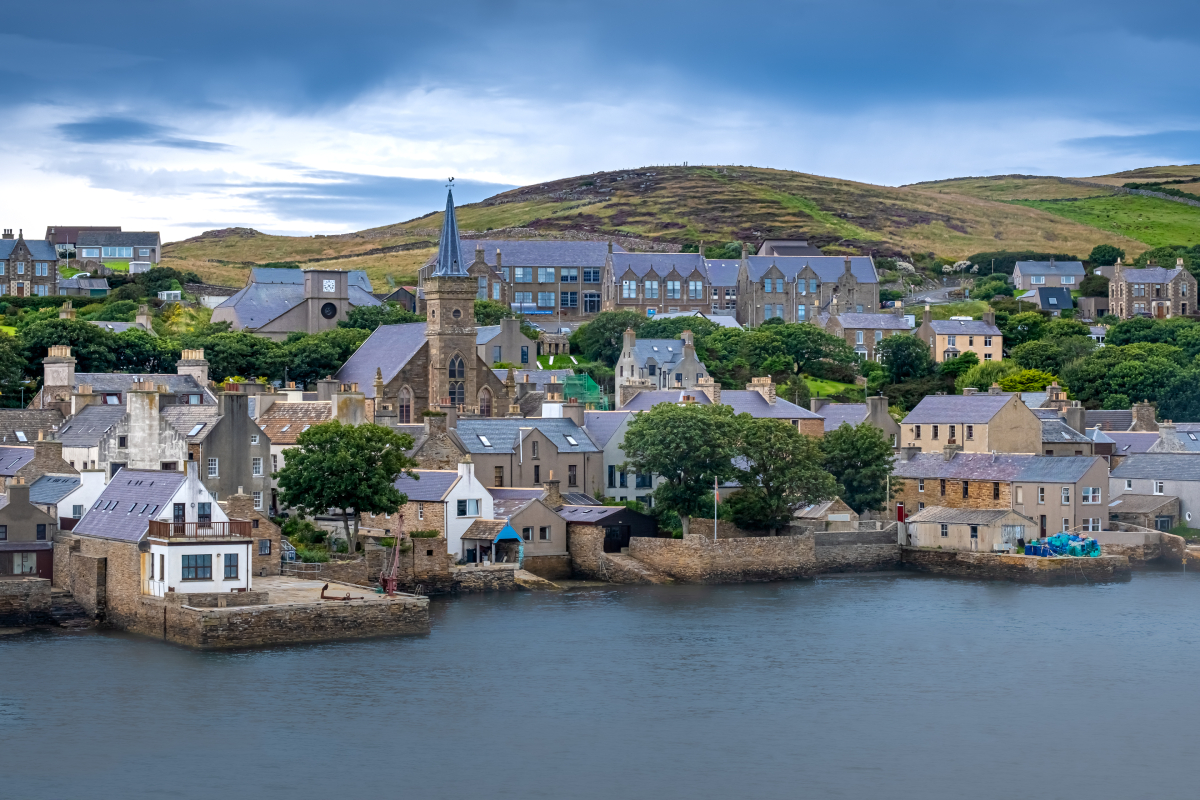
Today, Svein Asleifarson is fondly remembered in The Orkney Islands as a Viking icon, his exploits earning him the status of a local mascot, and he is often hailed as the ultimate Viking. Photo: LouieLea / Shutterstock
A historical example of the Viking stereotype?
Svein Asleifsson is said to have died in Dublin in 1171 as either a prisoner of the last Scandinavian king of this trading hub or as part of the bloody Norman retribution for retaking the Viking city.
Regardless, it is with his death that the Orkneyinga saga ends.
Whilst we do know who compiled this saga, it is believed to have been written in the early 13th century in Iceland, meaning that the events chronicled were still very much in fresh living memory.
However, did the events depicted in his saga, nay, even the actual character of Svein, have any basis in historical truth?
Some scholars have postulated that Svein Asleifsson is little more than a popular stereotype of the Viking warrior – tempestuous, a drunkard, always keen for a brawl, and eager to rush off for a chance at securing someone else's wealth.
Other scholars have argued that, despite his colorful depiction in the sagas, he may not only have been an actual historical figure but just as bloody-minded as portrayed in literature.
Regardless of historical truth (or lack thereof), the saga of Svein Asliefarson is a timeless tale of adventure, ambition, political intrigue, and violence.
His exploits continue to inspire awe and anxiety from both his contemporaries and us moderns, earning him a reputation as one of the most colorful and most feared Viking warriors of history.
For more information on Orkney's unique Anglo-Scandinavian history, visit the BBC here.
We get to provide readers with original coverage thanks to our loyal supporters. Do you enjoy our work? You can become a PATRON here or via our Patreon page. You'll get access to exclusive content and early access.
Feel free to reach out to discuss potential stories that may be in the public interest. You can reach us via email at hello@thevikingherald.com with the understanding that the information you provide might be used in our reporting and stories.