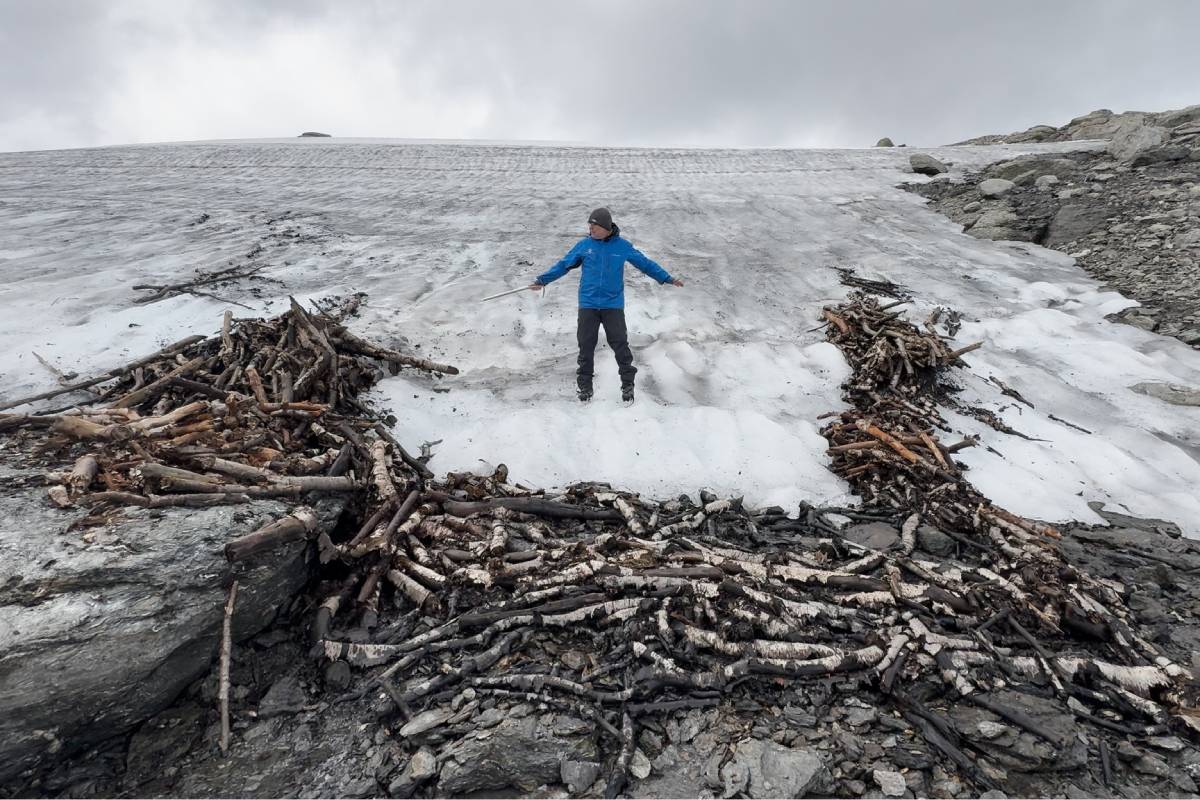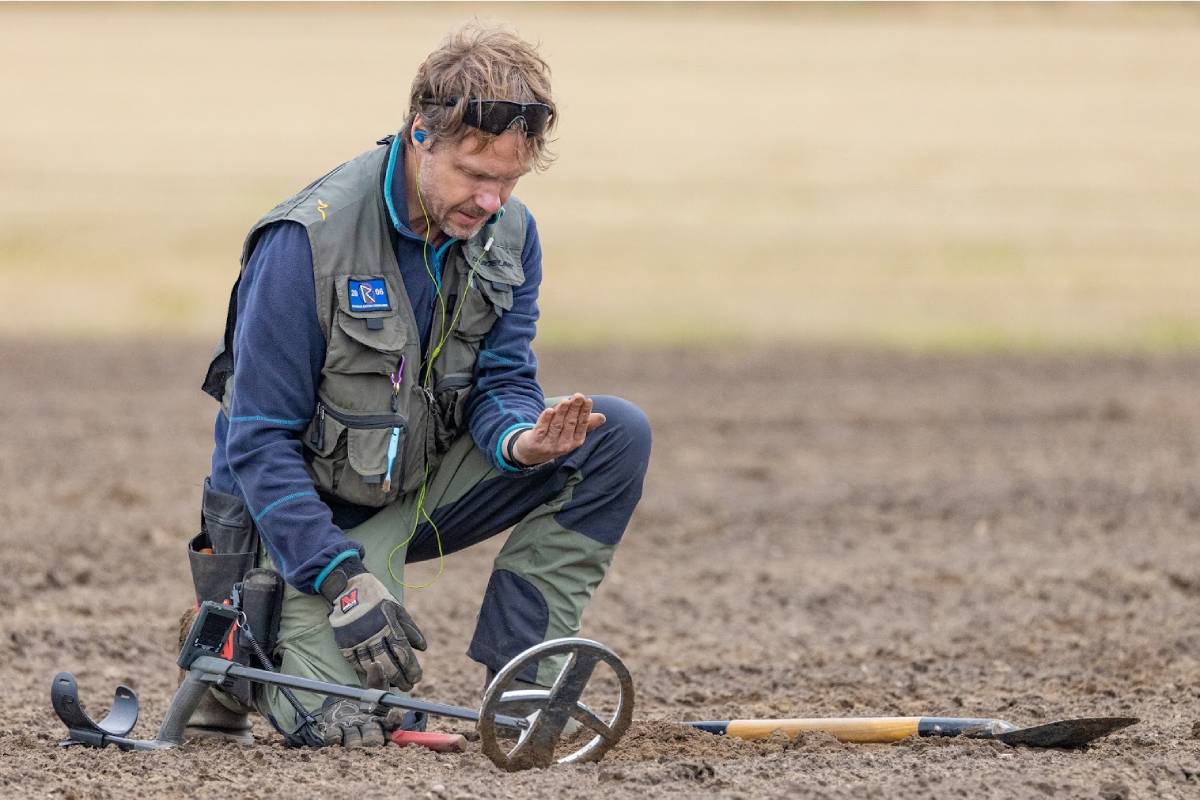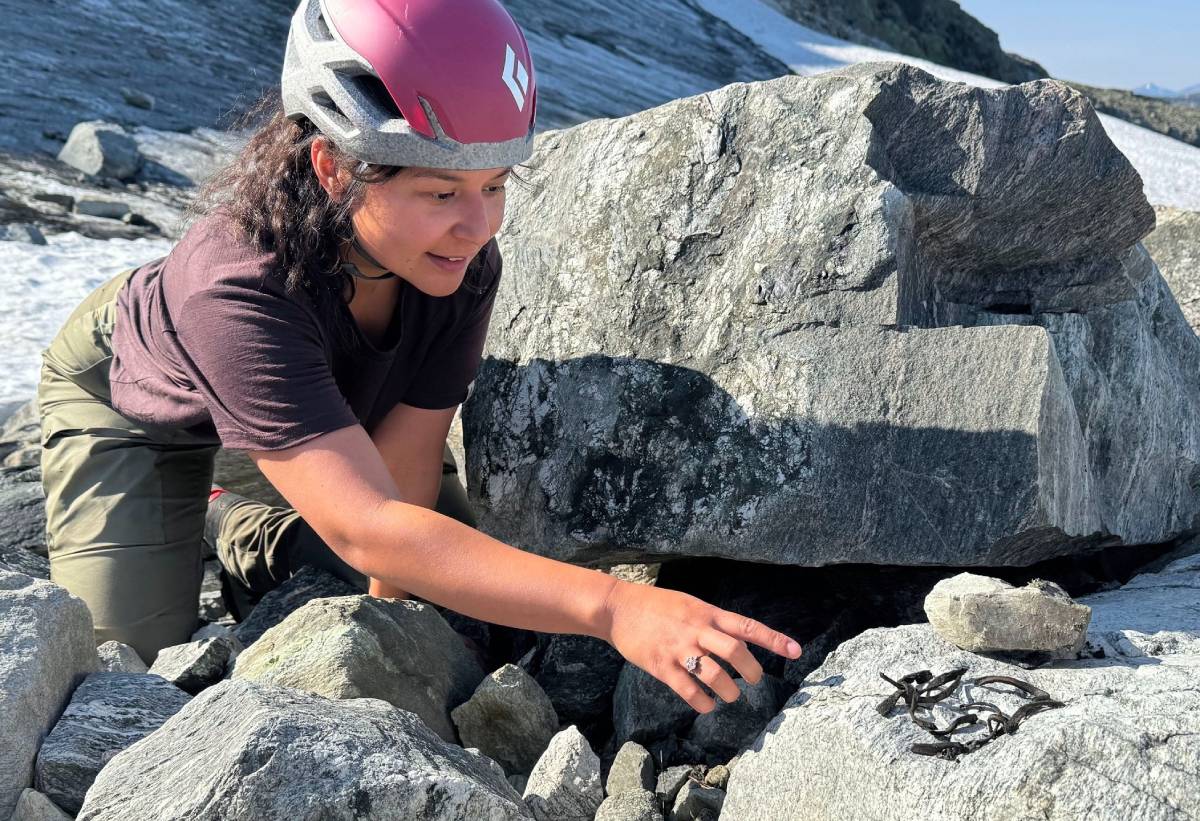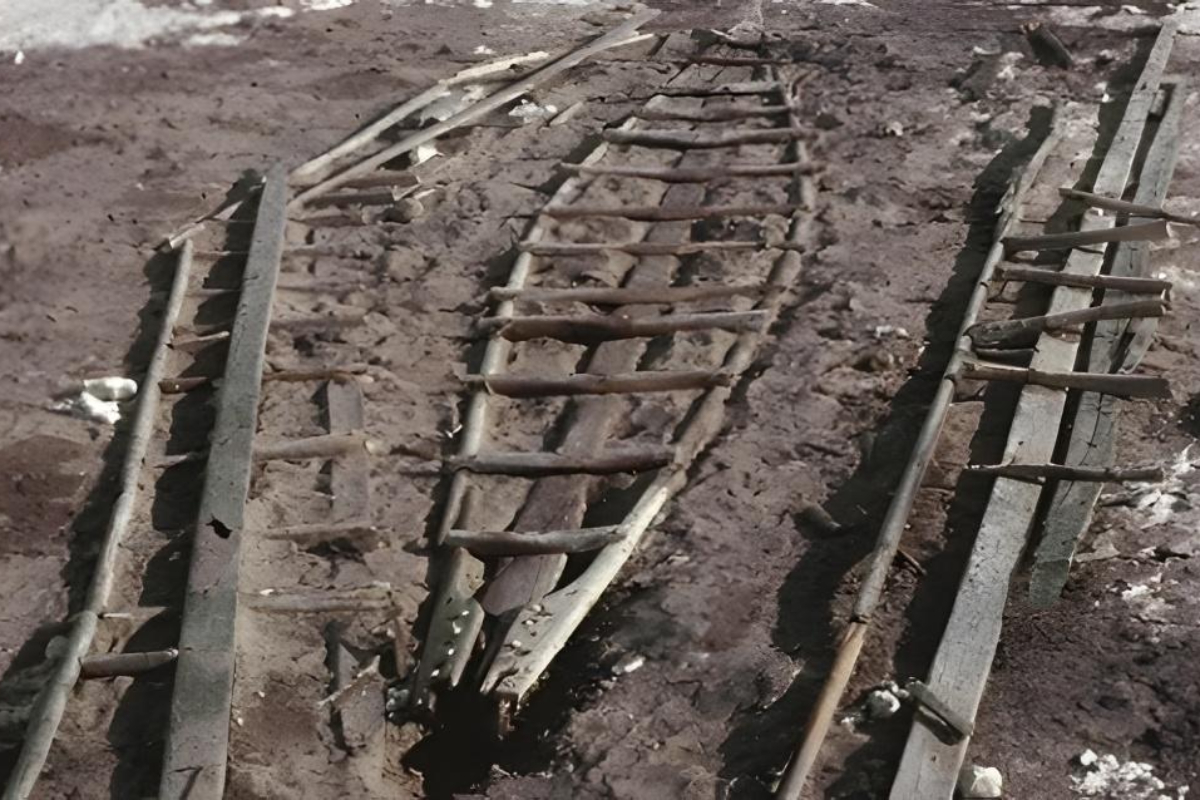


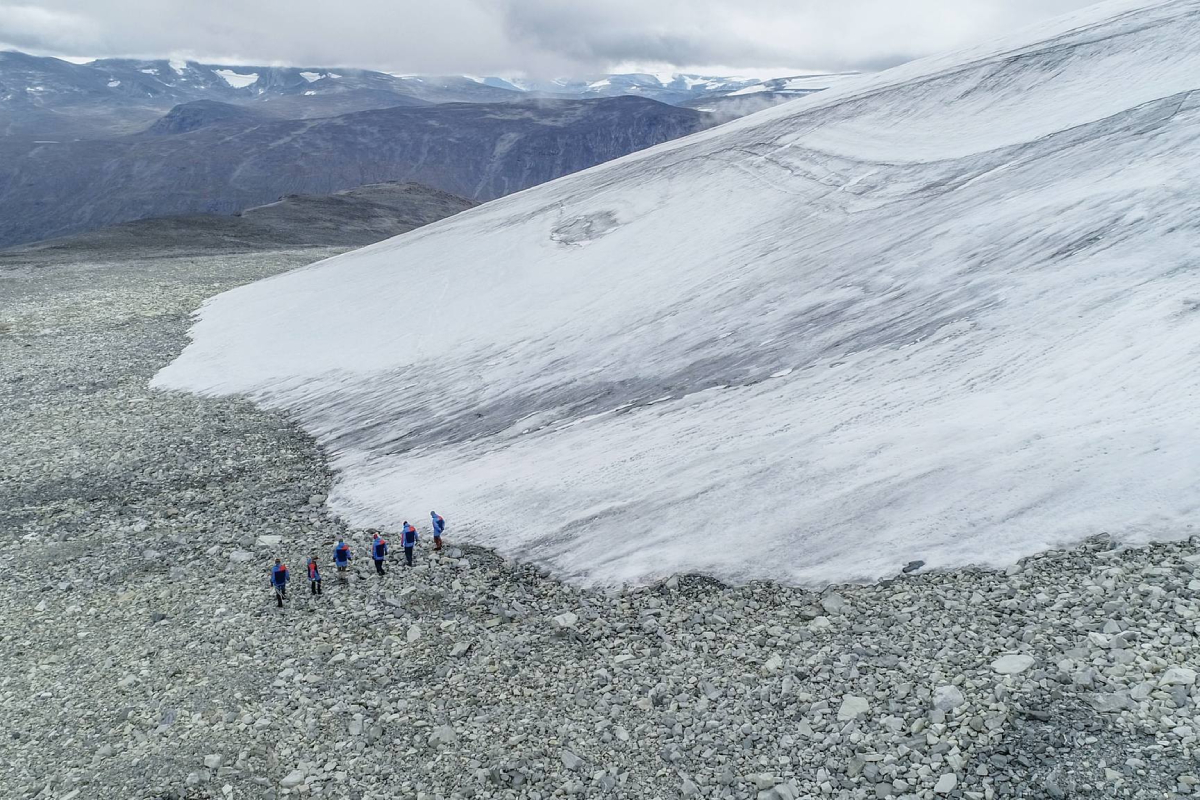
Today, Monday, August 5, the Secrets of the Ice team is once again pulling on their hiking boots, loading up with equipment, and heading out to the mountains of Innlandet County and beyond.
Their task? To hunt for archeological treasures in the melting glaciers of Norway.
To find out more about their prospects for this year and reflect on the story so far, The Viking Herald catches up with Lars Holger Pilø, co-director of the Secrets of the Ice program.
Revealing the hidden treasures of the ice
The Secrets of the Ice team is a group of glacial archeologists based in Innlandet County, north of Oslo.
The team, which today operates under the Glacier Archaeology Program, specializes in exploring areas of melting ice in mountainous regions that often contain well-preserved artifacts from the past.
Over the past 18 years, the team has discovered a dazzling array of finds in their explorations of the frozen lands of Norway, including Early Neolithic arrows, a 1,300-year-old ski, and a Viking mitten.
They also discovered the long-lost Lendbreen Mountain Pass, which was frequently used by traders and travelers during the Viking Age.
The window for research is short, however. Drilling or hacking at frozen ice can easily damage any artifacts hidden below.
For this reason, the team prefers to rely on natural melts, which typically occur in the months of August and September. In this brief window, the pressure is on to locate, examine, and retrieve any items revealed by the melting ice.
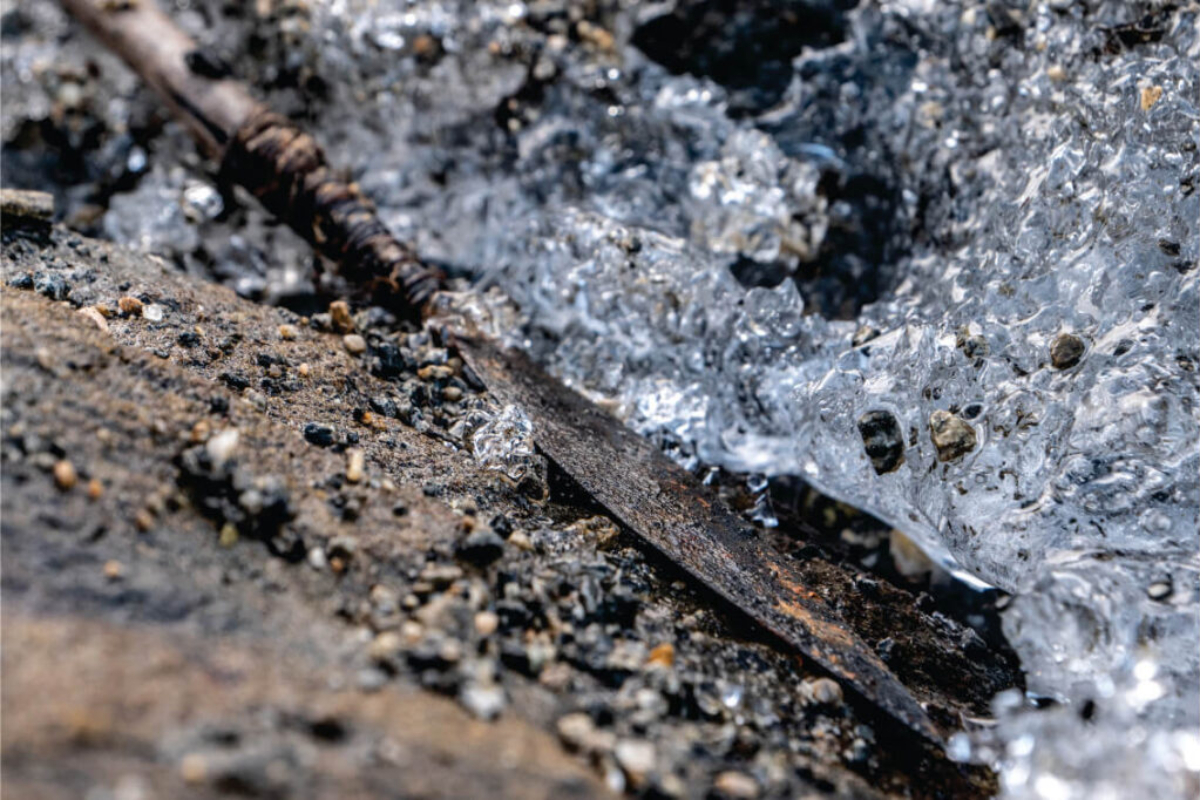
The team found a 1,500-year-old ancient arrow preserved in the ice of Norway's Jotunheimen Mountains. Source: Secrets of the Ice
Plenty left to explore
"The team will get together on Monday, August 5," Lars confirms. "During that week, we will check out several sites to observe how the melt is progressing."
"After that, a decision will be made on which sites to target for fieldwork. The field season then stops when winter snow arrives – this is normally late September or early October."
At this stage, it remains hard to estimate the prospects for lots of new discoveries. "This year, we had an early and severe melt in May, so it looked like we were heading for a major melt," Lars tells us.
"Then we had a cool June... It is hard to predict, but we are probably looking at a normal melt. There are always more and better-preserved finds when there is a major melt, but we will see how it goes."
Despite the longevity of the project, there are still estimated to be as many as 151 unvisited glacial archeological sites.
Fortunately, the team has been expanded this year to help cover more of these unexplored areas.
"We have received additional funding for the next four years," Lars adds. "This makes it possible for us to have two groups in the field (instead of only one). We plan to have one on a known site and one targeting potential new sites."
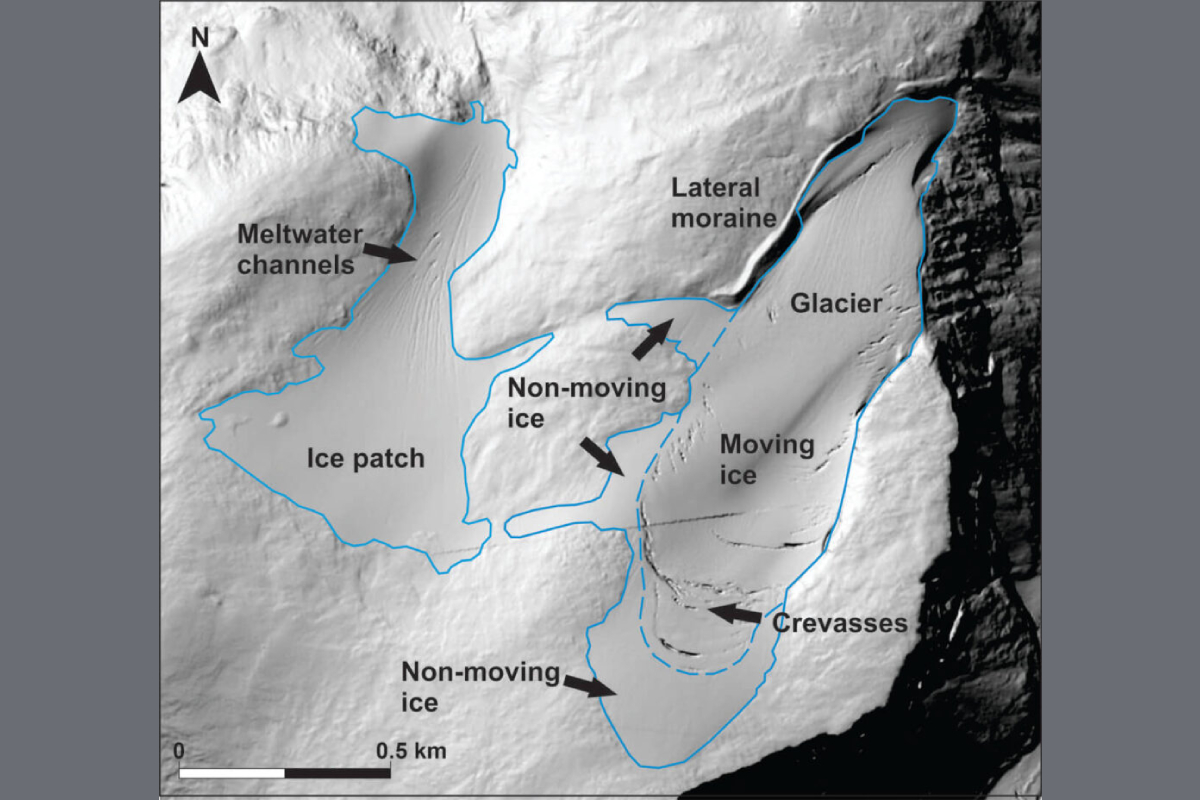
By examining satellite images and digital terrain models, the Secrets of the Ice team ensures they target non-moving ice. Source: Secrets of the Ice
Picking the right spot
The Secrets of the Ice team relies on an array of cutting-edge technological tools to identify potential areas of interest in advance.
"We have high-precision GPS, drones, digital terrain models, and satellite imagery – they have become integral parts of glacial archeology in recent years," Lars admits.
By studying the terrain in mountainous areas via satellite imagery, the team is able to pinpoint areas on "non-moving ice" prior to the digging season.
This is essential, as archeological artifacts are typically found in non-moving ice, where the items could easily have remained undisturbed for centuries.
Lots of crevasses, on the other hand, tend to indicate areas of moving ice, where any items of interest will almost certainly have been crushed long ago.
With the start of the digging season, these sites will be analyzed by small, lightly equipped teams of archeologists through exploratory surveys.
In some cases, if the archeologists find a small number of items, they will document and collect them before returning home on the same day.
If the area seems particularly promising, however, they will start to set up a base camp and return with a larger crew for a more systematic survey. In each case, they will need to be well-prepared for extreme weather, including blizzards and freezing temperatures.
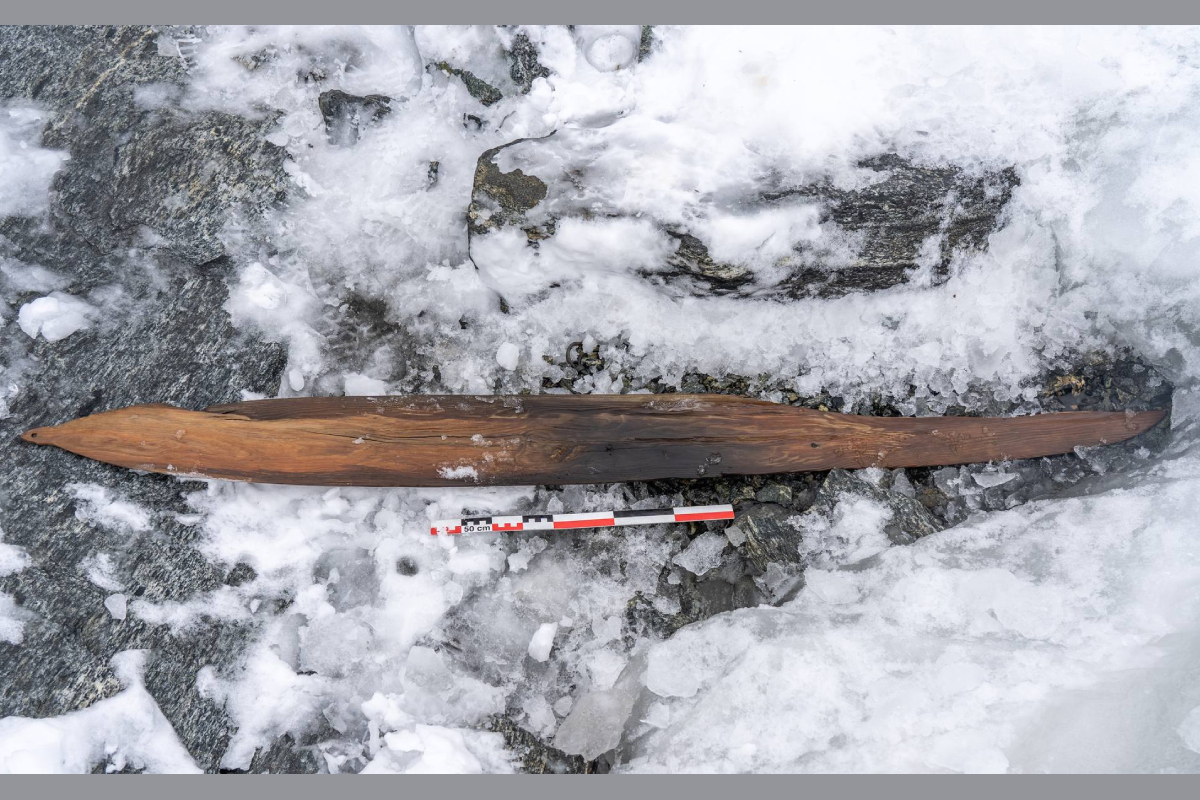
At the Digervarden Ice Patch in Norway, the team discovered a 1,300-year-old pre-Viking ski, complete with its binding. Source: Secrets of the Ice
Building our understanding
Once artifacts have been identified, they are packed away and removed for further analysis.
Naturally, technology is just as vital in this final part of the process. "We are currently in the process of completing the radiocarbon dating of all our arrows," Lars informs us.
"I am sure we will get some exciting results when the dates come back in the autumn. That should give us a lot of new information about the technological development of bow-and-arrow hunting through time."
While excitement builds for the start of the new digging season, Lars is also proud of the strides made so far.
"It is difficult to point to only one achievement, but I am very happy that our long-term systematic field effort has led to the discovery and rescue of so many unique objects from the past."
"I am also happy we have been able to reach a worldwide audience through our social media and website, so that the finds themselves get the recognition they deserve."
"But if I have to choose one thing, it would probably be the discovery of the lost mountain pass at Lendbreen – that really is hard to beat."
We get to provide readers with original coverage thanks to our loyal supporters. Do you enjoy our work? You can become a PATRON here or via our Patreon page. You'll get access to exclusive content and early access.
Feel free to reach out to discuss potential stories that may be in the public interest. You can reach us via email at hello@thevikingherald.com with the understanding that the information you provide might be used in our reporting and stories.