

Researchers in Norway have identified additional stone fragments linked to the Hole runestone, which contains the oldest known example of Germanic runes.
As detailed in a recent academic article, an international team has now been able to build a greater understanding of the process of runic writing in the early stages of its existence.
If the fragment fits…
The Hole runestone, otherwise known as the Svingerud runestone, was found in 2021 during the excavation of a grave at an ancient burial site in Ringerike, eastern Norway.
Carbon dating from the site indicated the stone was carved approximately 2,000 years ago, making it the oldest runestone in the world.
After the initial discovery made headline news around the globe, the team also began to carefully investigate additional fragments found at the same site.
Further analysis has now revealed these fragments are connected to the original runestone and that the various pieces were all likely part of a larger standing stone.
In a recent academic paper titled Inscribed sandstone fragments of Hole, Norway: radiocarbon dates provide insight into rune-stone traditions, the team details both the discovery and the subsequent analysis of the runes.
Although interpretation remains difficult, the unusual mix of runic styles appears to indicate the inscriptions were made at several different points in time.
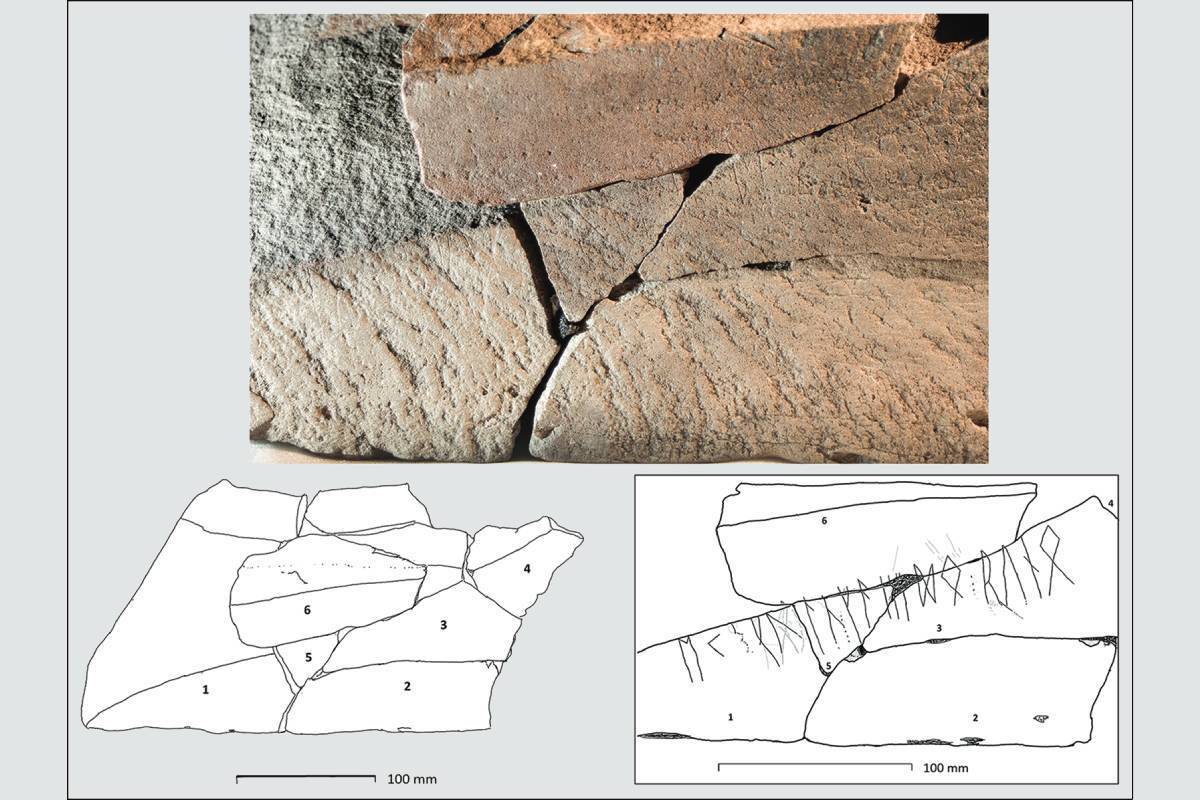
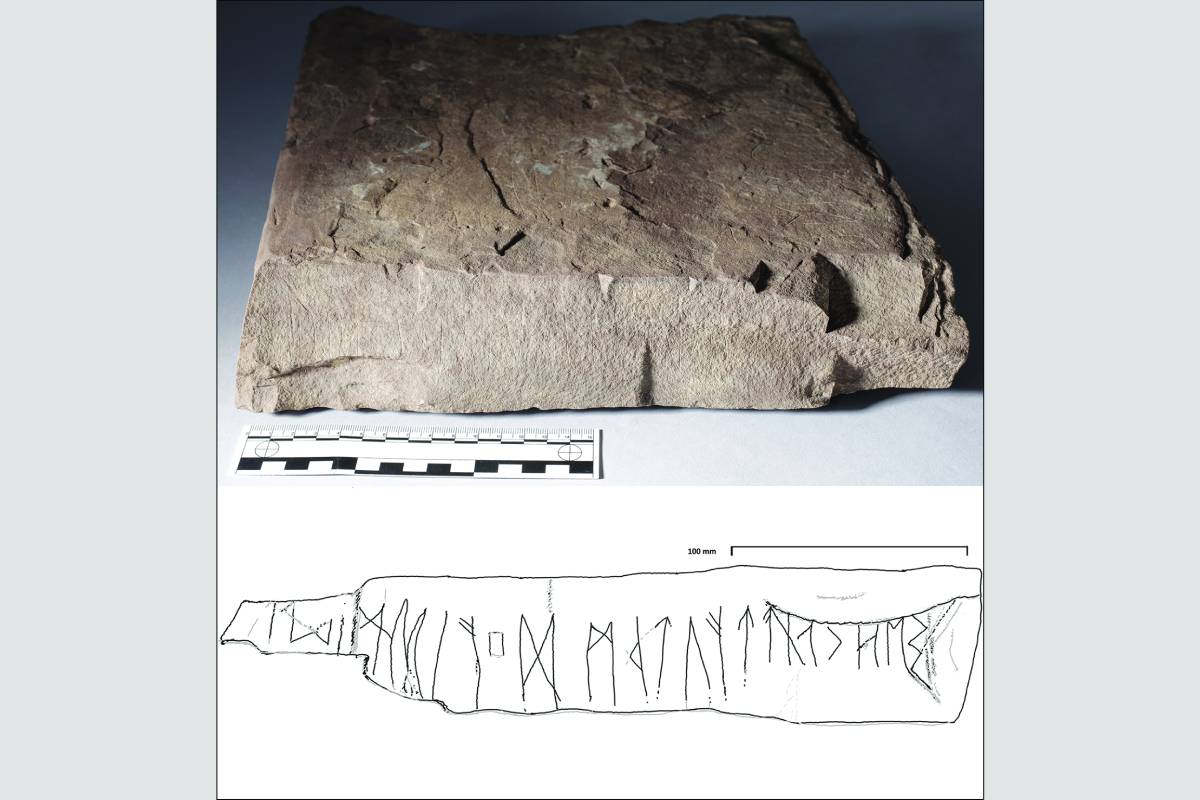
Researchers reassembled fragments of the Hole runestone and revealed missing parts of its inscriptions. Photo & Drawing: Kristel Zilmer
New revelations
The researchers were eventually able to piece together some of the fragments from the stone, in some cases joining together different parts of the same runic inscription.
This process then helped the researchers identify further pieces of rock in the burial site that appeared to belong to the same stone.
"When we communicate research, we like to compare it to solving a puzzle. This time, we actually had to put together a puzzle," Kristel Zilmer stated in comments made to Science Norway.
"We were missing a few pieces from the middle of one inscription, so we sifted through the soil. Then we found two pieces that fit perfectly into the inscription."
The different sections of the suspected single stone have been categorized as Hole 1, Hole 2, and Hole 3.
The latter, which consists of six individual fragments, ends in a "u." This ending could potentially indicate an Old Norse female name – possibly a rune carver.
Another fragment appears to show another name – Idiberug – which may belong to a person buried at the site.
There are several additional carvings and shorter runic inscriptions that the experts believe could also represent early examples of Elder Futhark, the most ancient form of the runic alphabet.
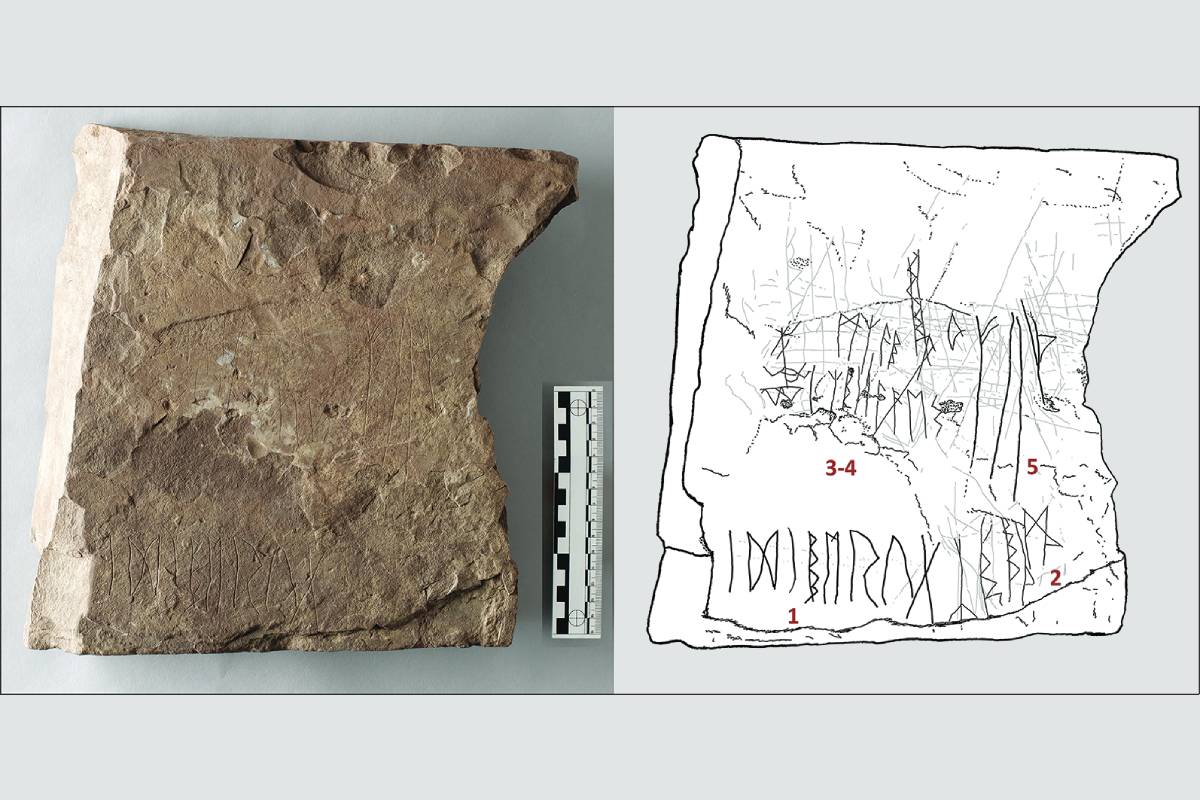
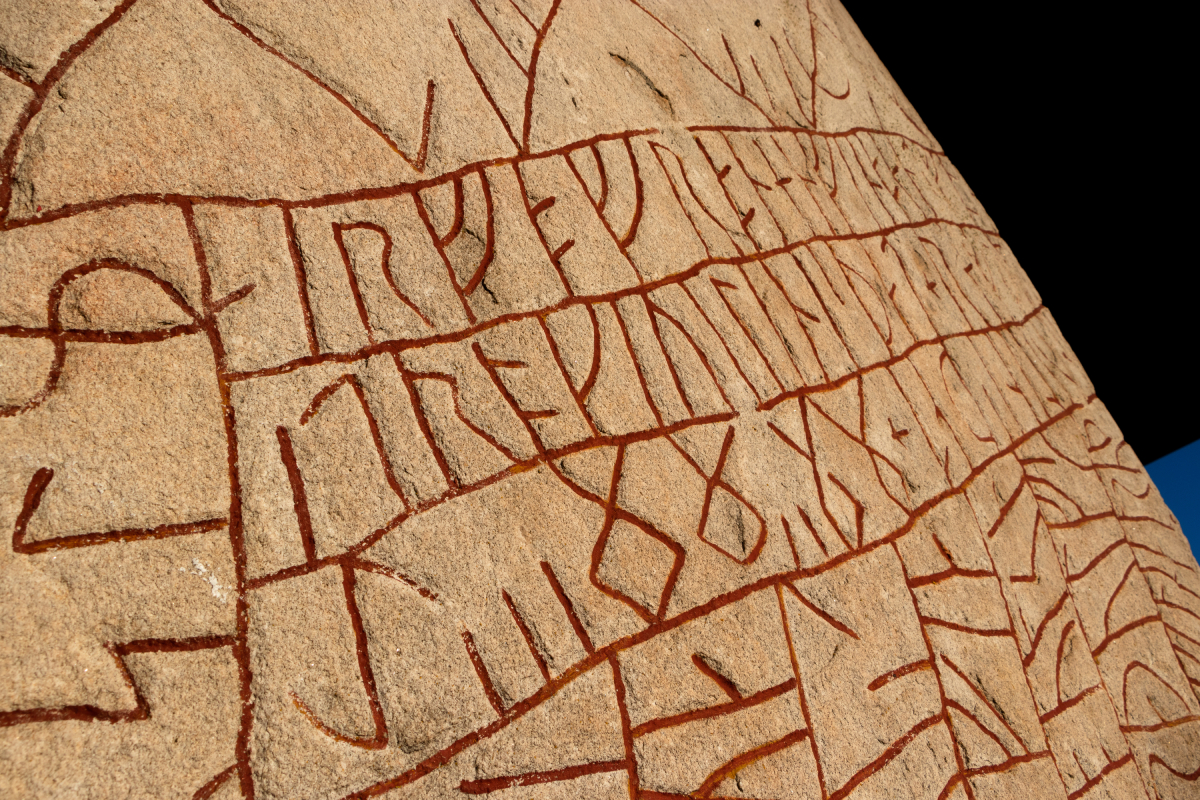
Researchers believe the mix of inscriptions on the stone reflects an evolving writing system. Photo: George Alexis Pantos / Drawing: Kristel Zilmer
Ancient experiments in runic writing
Elder Futhark was in use until approximately 700 CE. Several other examples of runic script were found in Scandinavia toward the start of the first millennium, including an iron knife on the island of Funen dated to 150 CE.
The fragments found at the site at Svingerud, however, have associated radiocarbon dates of 50 BCE to 275 CE.
Speaking to Science Norway, the runologist Michael Schulte stated that the presence of different forms of writing, particularly on Hole 2, could indicate some form of experimentation during the early stages of literacy in the region.
He also suggested that the confirmed dating of the stone, together with the different forms of writing it contains, could potentially change the timeline of runic history.
"We've established our grammar and linguistic history. But this stone changes our understanding of what the oldest runes actually looked like," Schulte stated.
"We may have to reevaluate some inscriptions that were previously dated based on such criteria – all because of the rune inscriptions from Hole," he said.
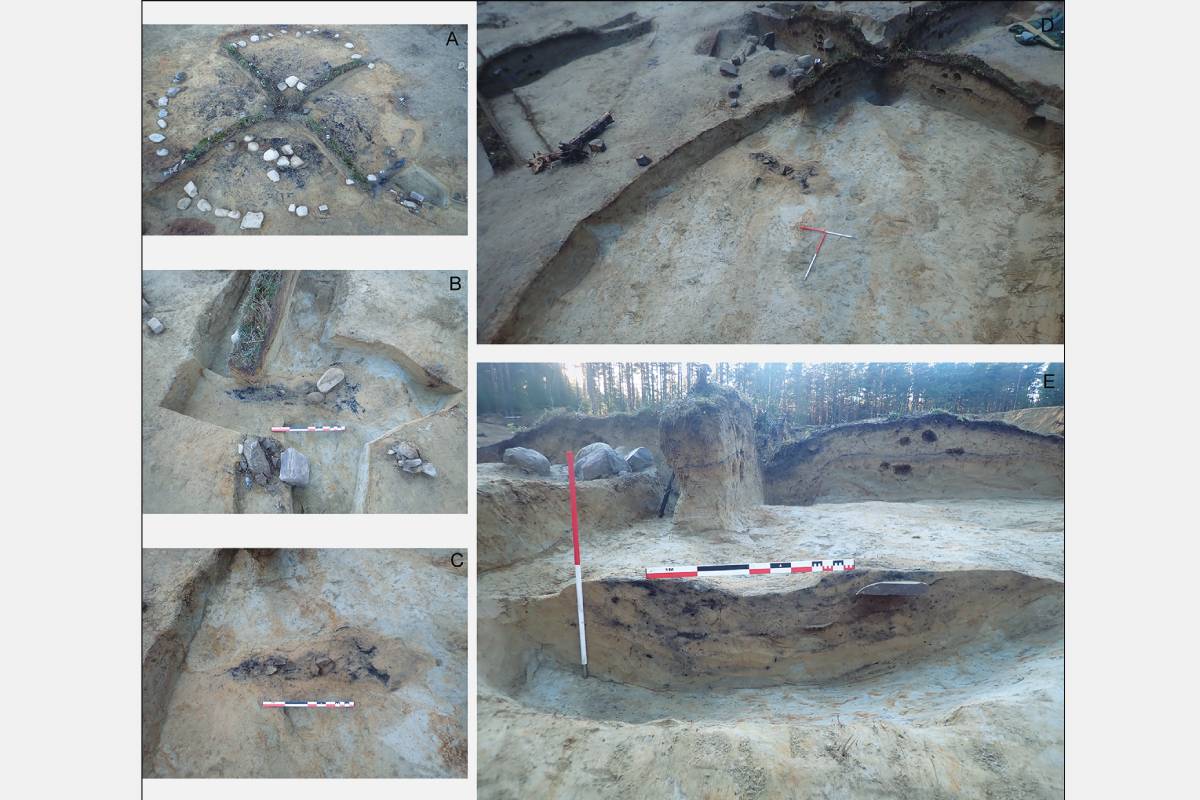
Photographs of different excavation stages, from the cremation layer to the uncovering of the grave where the runestone fragment was found. Photo: Museum of Cultural History
"Of great importance"
In the academic paper, which was published in the journal Antiquity and is available online, the experts state that the runic inscriptions served both ceremonial and practical purposes.
There are also suggestions that the standing stone may have been deliberately smashed and its fragments carefully placed in the various graves at the burial site.
It should be noted, however, that further analysis may be needed to more definitively characterize the nature of the inscriptions.
In a press release, Dr. Kristel Zilmer, a professor of runology at the University of Oslo and a member of the research team, commented, "This is a rare example of finding runic fragments in well-preserved, datable archeological contexts."
"It is of great importance for discussions on early Scandinavian runestones. It also serves as a reminder for archeologists to thoroughly investigate stone fragments found in grave contexts and search for potential inscriptions."
"We will see more research on this site and the runestone fragments in the years to come."
We get to provide readers with original coverage thanks to our loyal supporters. Do you enjoy our work? You can become a PATRON here or via our Patreon page. You'll get access to exclusive content and early access.
Feel free to reach out to discuss potential stories that may be in the public interest. You can reach us via email at hello@thevikingherald.com with the understanding that the information you provide might be used in our reporting and stories.