

Jorvik Viking Centre in England has announced a brand-new experience that will recreate city life in the Viking Age during the coldest months of the year.
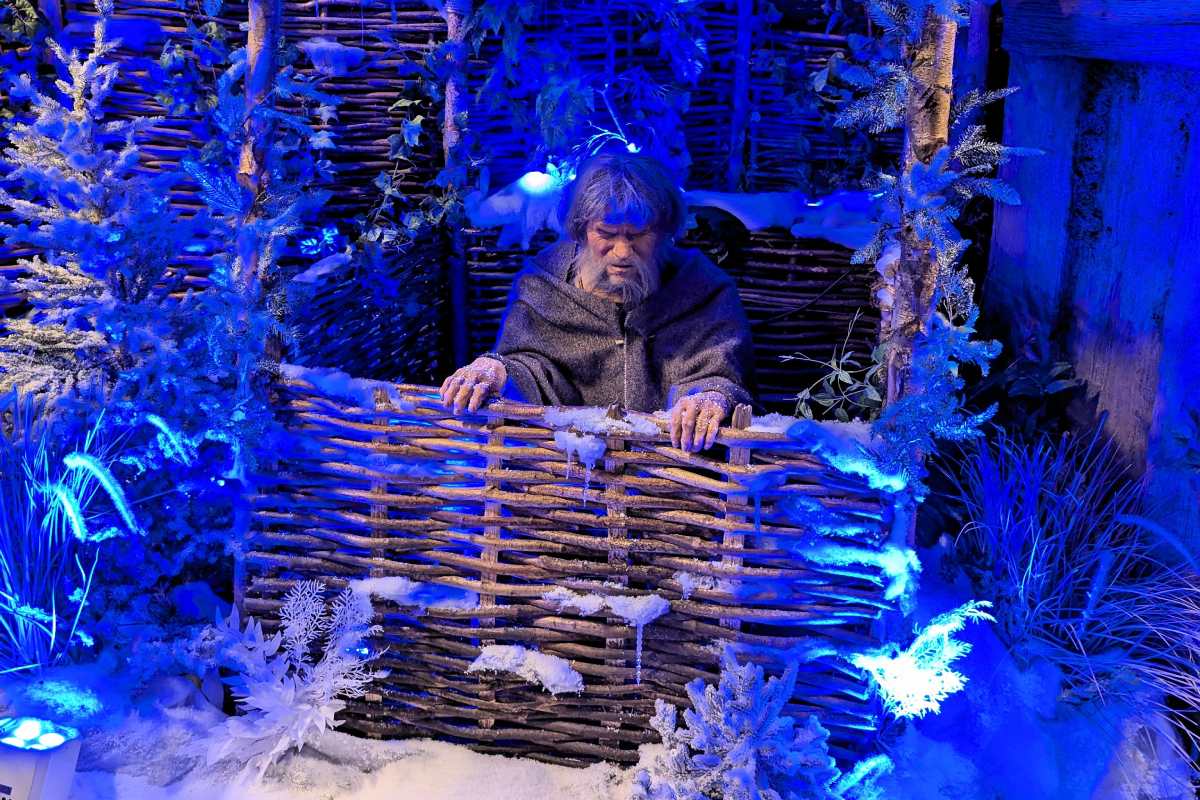
The changes mark the first time in the history of this Viking-themed attraction that it has explored how seasonal shifts influenced the daily lives of Norse invaders.
"Snow has fallen"
For 40 years, the Jorvik Viking Centre has presented what life was like in the English city of York during its occupation by the Norse.
The center features both an exhibition space and a special ride that takes visitors through a recreation of Viking Age York.
Yet, while there have been many updates over the years, one element was always the same: the weather.
"Since we first opened in 1984, we've presented our recreation of Viking Age Coppergate as a moment frozen in time in the spring," explained Chief Operations Officer Dr. Howard Jones in a recent press release.
"But this year, we've taken inspiration from one of the archeological finds – ice skates made of bone – to show what the city might have looked like in midwinter."
"Snow has fallen in 10th-century York, and the residents are wrapped up in their winter woolens and furs to keep warm as the temperatures plummet."

The new winter experience draws inspiration from archeological finds, including Viking ice skates made from bone. Photo: York Archaeology
Winter warmers
The Jorvik Viking Centre was established following a unique dig that took place in the 1970s at Coppergate, a historic area in the middle of the Yorkshire city.
York was occupied by the Norse for more than a century, and the excavations unearthed a veritable treasure trove of Viking Age artifacts that had been almost miraculously preserved for more than a thousand years in the moist peat soil.
Today, many of these artifacts can be found at the center.
Some of the most fascinating finds have their own relation to the winter months, including a pair of virtually fully intact Viking ice skates, complete with boots, bindings, and blades made from horse bone.
Unusually, plenty of textiles were found that could have kept the Norse occupiers of York – such as Ivar the Boneless and Ragnall ua Ímair – warm during the winter season.
These include woolen tunics, leather shoes, and even a beautifully preserved knitted sock.
Prior to a ride through the snowy streets of Jorvik – the Old Norse name for York – visitors will have the chance to learn about the archeological excavations at the Coppergate site and how they have informed our understanding of the life of Viking Age residents of the city in winter.
- READ MORE: In the spotlight – JORVIK Viking Centre
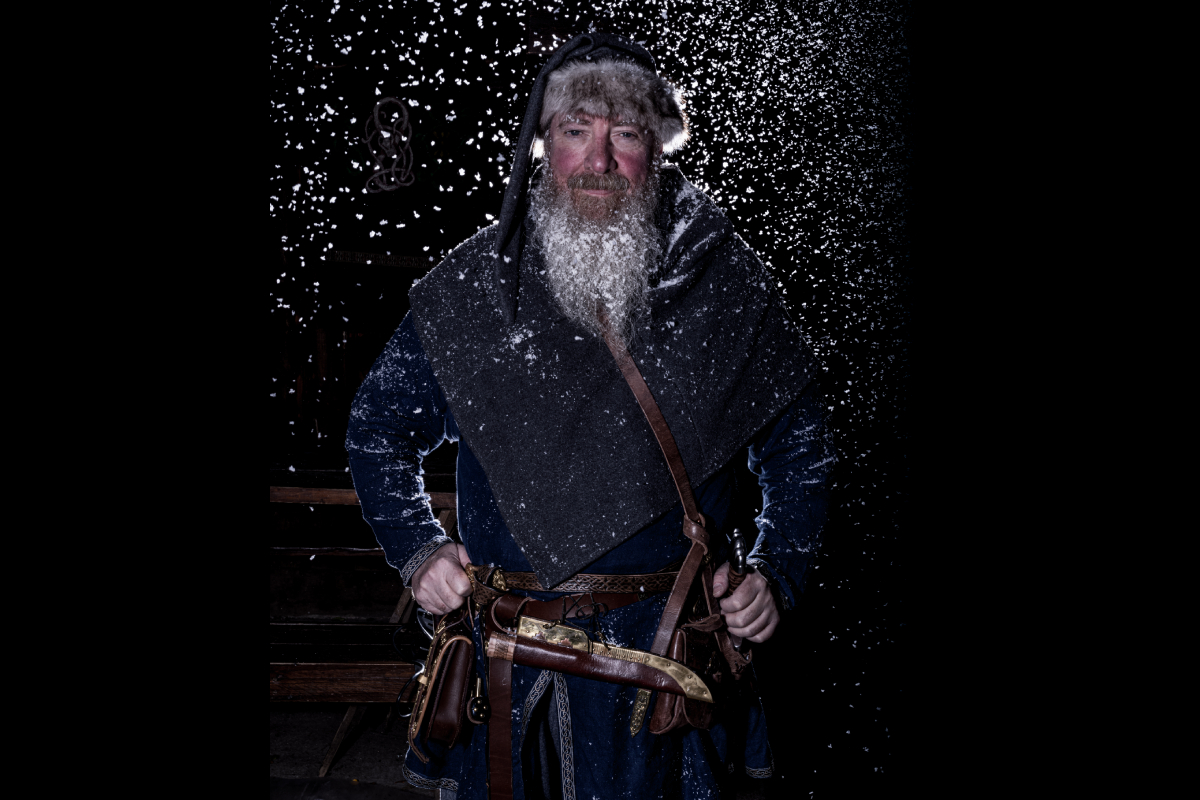
Fireside storytelling by Jorvik’s resident skalds will share Viking myths and survival tales focused on the winter season. Photo: Charlotte Graham / JORVIK Viking Centre
Skalds and fireside tales
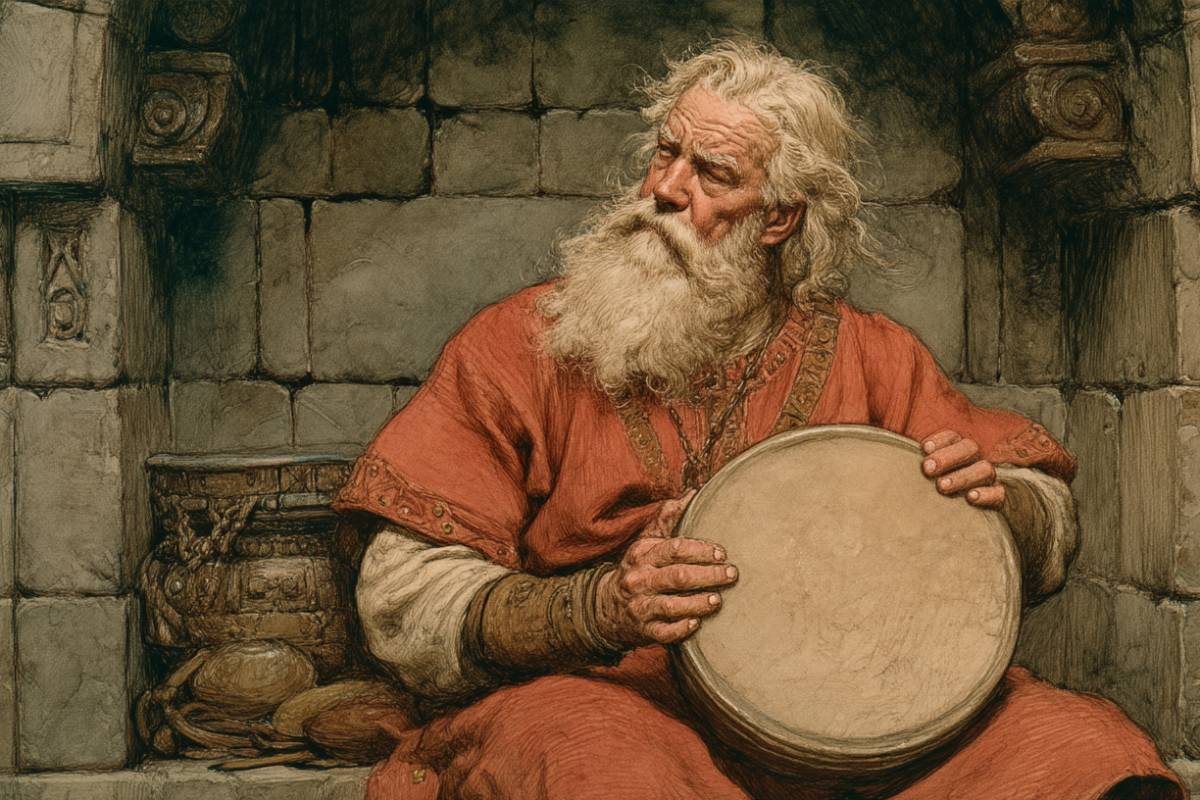
The experience will be further enhanced by fireside storytelling from Jorvik's resident skalds, who will tell tales of gods and monsters with a winter theme, and will also provide visitors with information about how people survived the colder months during the Viking Age.
"York is a fabulous place to visit during the winter – the Christmas markets, the Ice Trail in January, and, of course, Jorvik Viking Festival in February – and we want winter in Jorvik to be one of the highlights of the season," commented Gareth Henry, Jorvik's head of operations.
"Our special 40th-anniversary tours over the summer were incredibly popular, and we're keen to continue bringing innovation to the experience over the next few months in this one-off opportunity to see our Vikings in the snow."
We get to provide readers with original coverage thanks to our loyal supporters. Do you enjoy our work? You can become a PATRON here or via our Patreon page. You'll get access to exclusive content and early access.
Feel free to reach out to discuss potential stories that may be in the public interest. You can reach us via email at hello@thevikingherald.com with the understanding that the information you provide might be used in our reporting and stories.