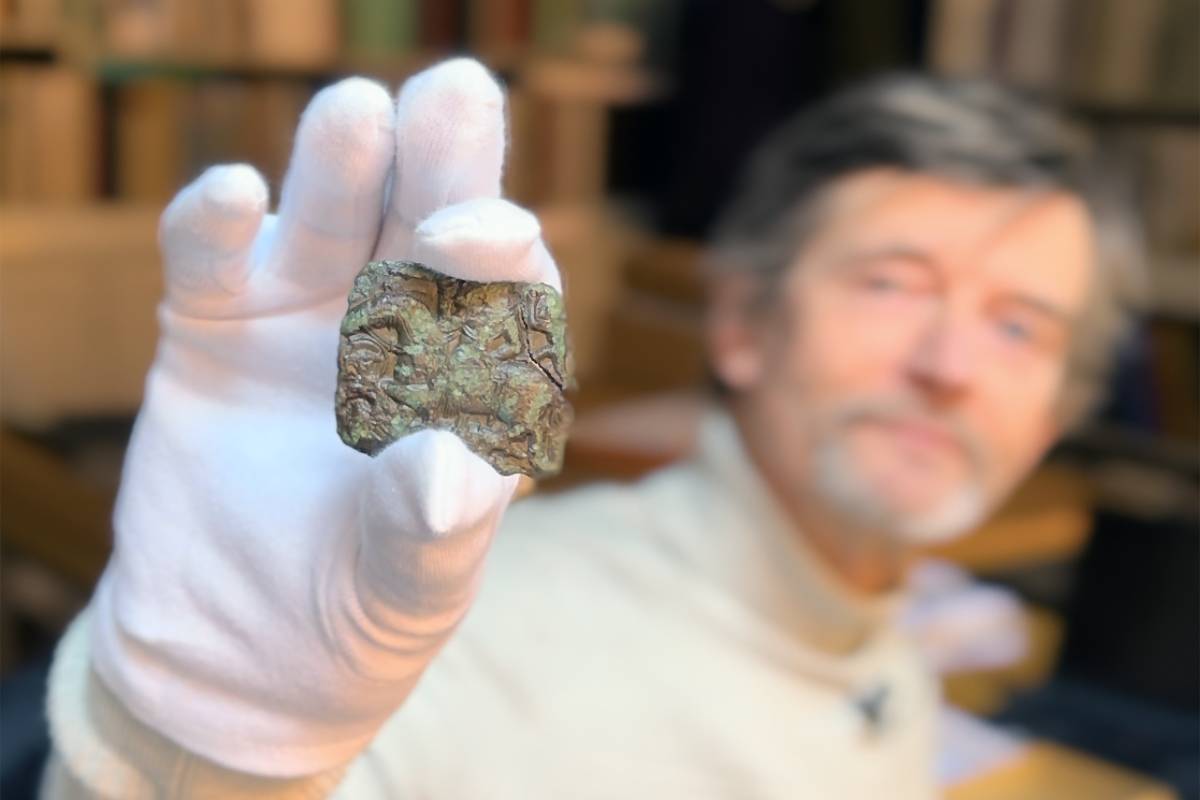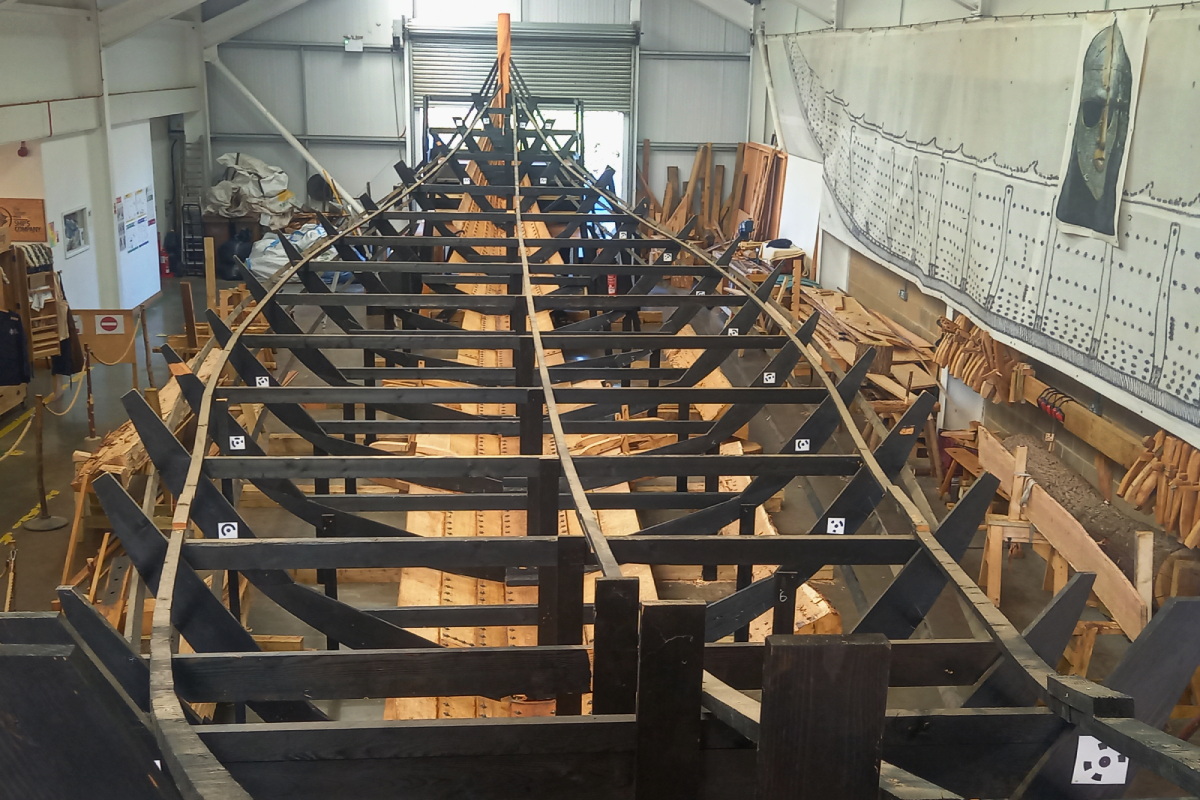


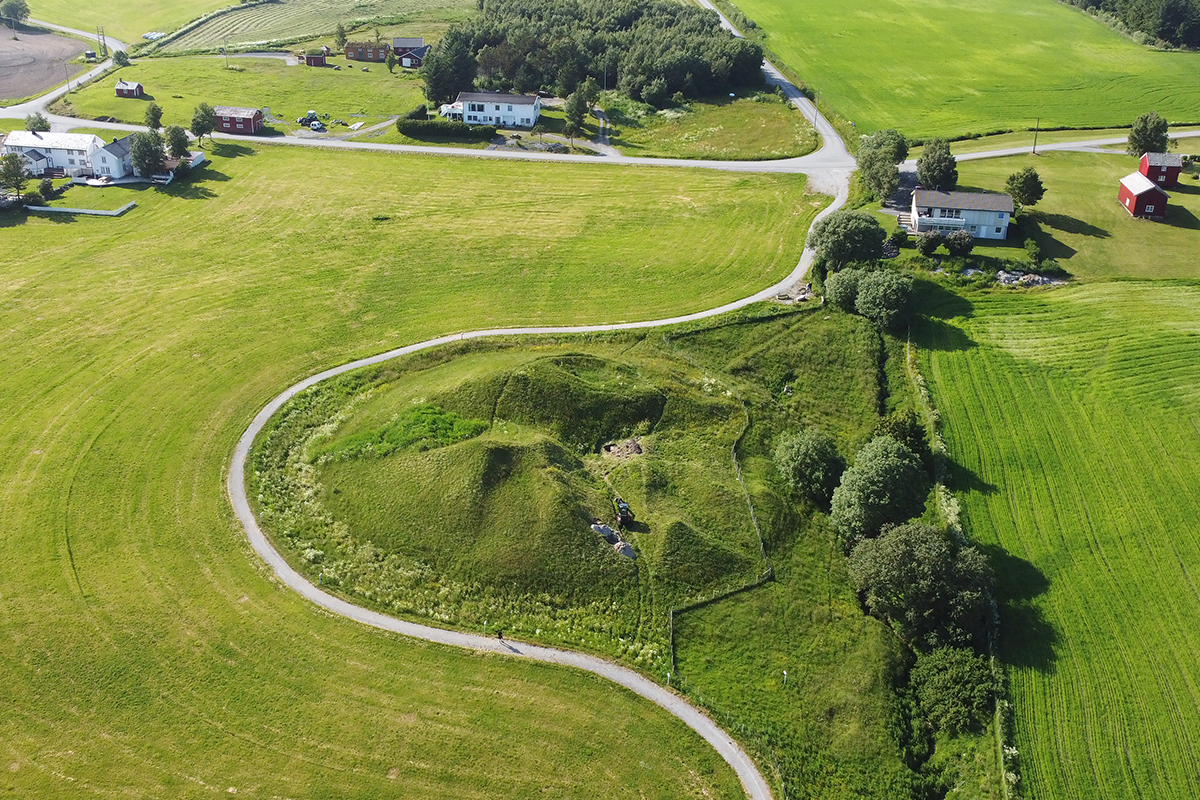
In 2023, archaeological excavations were undertaken on the island of Leka, off the coast of Namdalen, in the north of the Norwegian county of Trøndelag. The archaeological work, led by a team from the Norwegian University of Science and Technology (NTNU), centered around a famed burial mound, named Herlaugshaugen, which measures about 63 meters / 200 feet in diameter and about 8 meters / 27 feet high.
The excavations not only produced a wealth of material but, when analyzed thanks to radiocarbon dating, have also revealed that this is one of the earliest ship burials found in Norway, dating sometime around the turn of the 8th century CE. The team from the NTNU were not the first to study this mound, however – an earlier, 18th century dig unearthed a number of artifacts that have unfortunately since been lost.
Whilst traditional analysis of Herlaugshaugen links this mound with a ship burial of a famed opponent of legendary Norwegian unifier Harald Fairhair, the NTNU excavations and the subsequent analysis have uncovered a possible link between this early ship burial and Anglo-Saxon England.
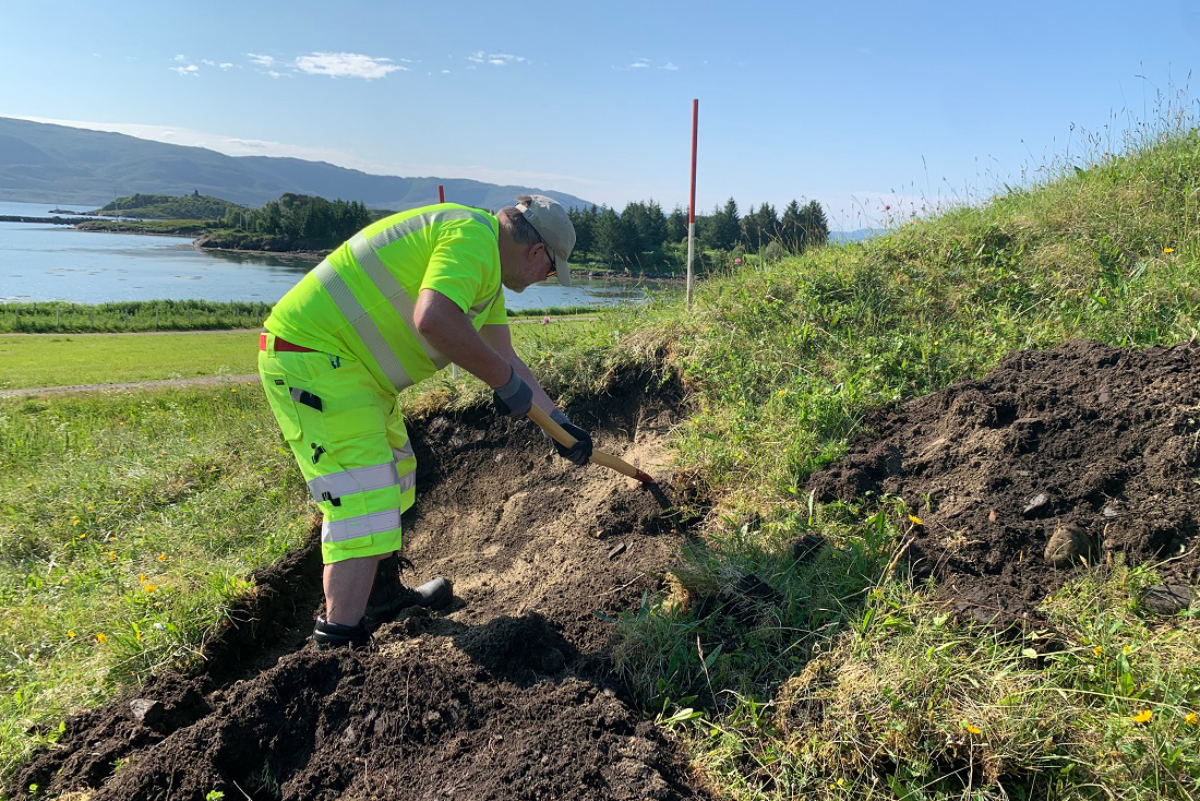
Archeologist Lars Forseth at the Herlaugshaugen site. Source: Geir Grønnesby / NTNU University Museum
The 2023 excavations
Whilst the NTNU excavations took place in 2023, extensive analysis of the results was not published until an April 2026 article in the journal Antiquity. Here, Geir Grønnesby (who spoke to The Viking Herald last year) and colleagues detail the aims of the excavations as two-fold – “to retrieve artefactual evidence for a ship, and to collect samples for radiocarbon dating to provide dates for the mound’s construction.”
Three samples were retrieved from the mound along with a wealth of human-constructed materials, including more than 45 iron rivets. Analysis of the organic material uncovered, specifically the remains of wood and charcoal, coupled with the analysis of the soil samples and organic materials, gave the impression that “the ship was constructed after AD 670, with the mound then built either in the late seventh century or at the beginning of the eighth century.”
We know that there were numerous burial mounds constructed, including those with Viking ships (the most famous being those in Gokstad and Oseberg), during the Viking Age. However, the date of the Herlaugshaugen ship burial, “built either in the late seventh or at the beginning of the eighth century,” would radically push back a burial tradition that, in Norway, was said to have traditionally started with Viking rulers and warriors, with the earliest previous ship burial found at Avaldsnes in southwestern Norway, which has been dated to the late 8th century.

Sutton Hoo mound in England. Source: Public domain
Links to the wider world
Confirmation of this earlier date of the mound seems to put paid to a legend from the Saga of Harald Fairhair, which links the site to a man known as King Herlaug. As Dr Grønnesby explained to The Viking Herald last year, the story that King Herlaug had himself buried in the mound as he feared the approaching Fairhair takes place around two centuries too late to match with the dating of Herlaugshaugen. Nevertheless, the ship burial does seem to be a part of a broader story of similar traditions throughout the early medieval period across Northern Europe.
Herlaugshaugen is the earliest known Norwegian version of ship burial traditions that appear to span the Norwegian Sea, and could be linked to the one discovered at Sutton Hoo – the most famous example of ship burials in Anglo-Saxon England, and dated to the 6th or 7th century.
Given the. advantageous coastal location of Leka, it is possible that maritime links were established up and down the old “North Way”, the trade route that gives Norway its name, as well as across the Norwegian Sea to what is now East Anglia, England. As Grønnesby and colleagues state, “The discovery of a seagoing ship from the late seventh century at Herlaugshaugen adds substantial support to the argument for a continuous tradition of monumental ship burials extending from East Anglia to Scandinavia."
We get to provide readers with original coverage thanks to our loyal supporters. Do you enjoy our work? You can become a PATRON here or via our Patreon page. You'll get access to exclusive content and early access.
Feel free to reach out to discuss potential stories that may be in the public interest. You can reach us via email at hello@thevikingherald.com with the understanding that the information you provide might be used in our reporting and stories.