

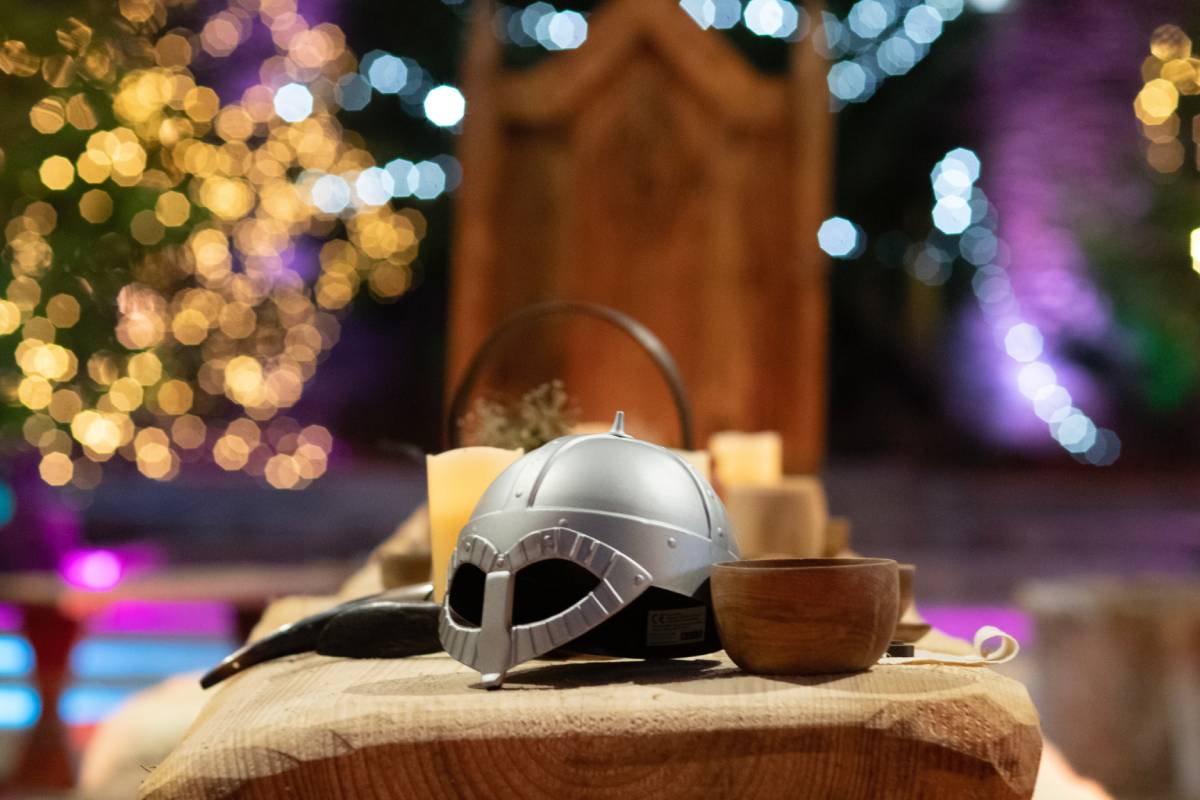
Anyone on the hunt for a Yuletide Viking special this holiday season should look no further than Buckland Abbey, a 700-year-old house close to the village of Yelverton in Devon, England.
Over the Christmas period, the National Trust property is hosting Viking Yule: Christmas at Buckland Abbey.
This special event will see visitors connect with the ancient Norse customs that helped lay the foundations for many of the Christmas traditions we hold dear today.
From Francis Drake to Odin and the Northern Lights
Buckland Abbey has some history. Founded as a Cistercian abbey in 1278 by Countess Amicia of Devon, it was home to monks for several centuries until the Dissolution of the Monasteries by King Henry VIII in the 1500s.
The abbey's most famous resident, however, was Sir Francis Drake, the famous English pirate who sank the Spanish Armada.
(Drake was forced to use intermediaries to purchase the property from its previous owner, Sir Richard Grenville the Younger, who loathed the pirate-admiral and would never have knowingly sold him the abbey.)
In 1947, Buckland was acquired by the National Trust, a UK-based conservation charity organization that owns a number of historic properties throughout England, Wales, and Northern Ireland.
Today, the abbey is a popular tourist attraction and hosts a series of events throughout the year. This festive season, the focus shifts to England's Viking past with a special Yule celebration.
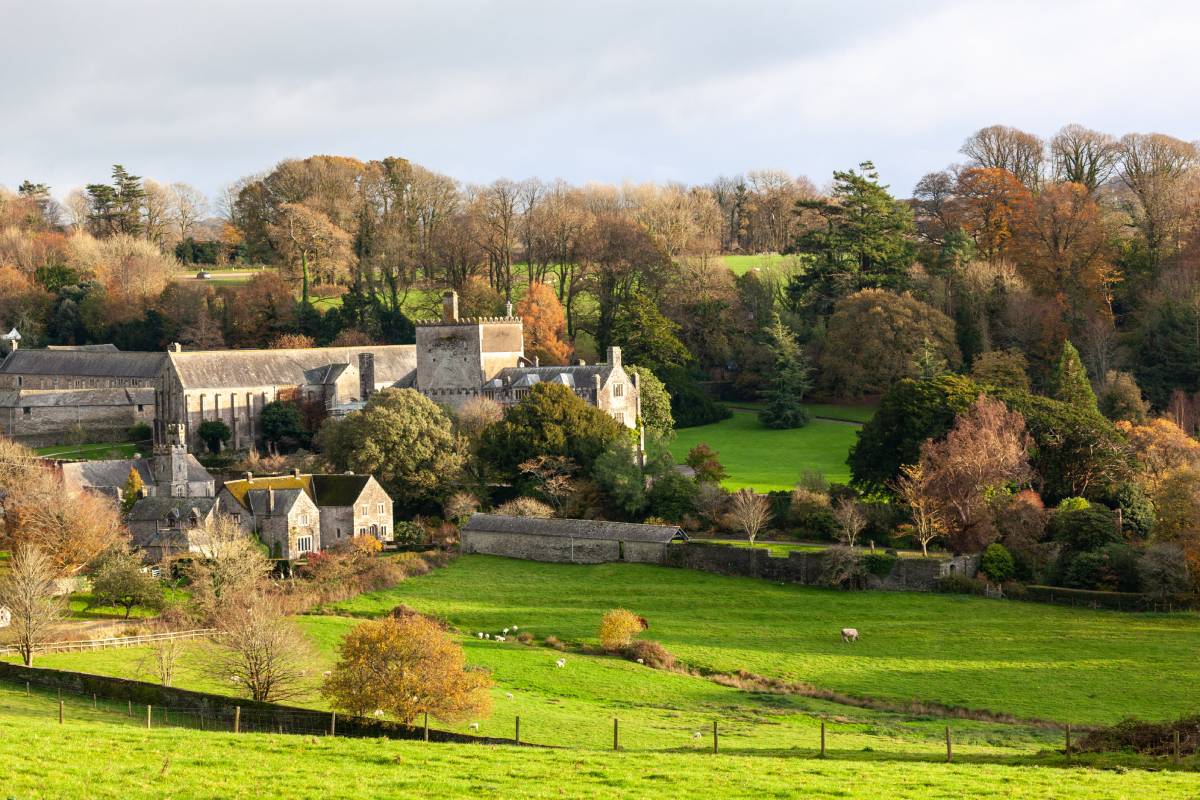
Buckland Abbey, a 13th-century estate, once served as a Cistercian monastery before becoming Sir Francis Drake’s residence. Source: Mel Peters / National Trust Images
A new approach
"The idea came about because my team and I were looking at exploring different histories from this area of Devon and realized that the Vikings came down to Tavistock and Lydford," reports Eleonor Hopkinson, Visitor Operations & Experience Manager at Buckland Abbey.
"We thought it would be very interesting to look at the traditions the Vikings held at this time of year, around Winter Solstice and Yule."
"Especially as some of the traditions that they held can be seen reflected in what we do today – for example, decorating Christmas trees and filling Christmas stockings."
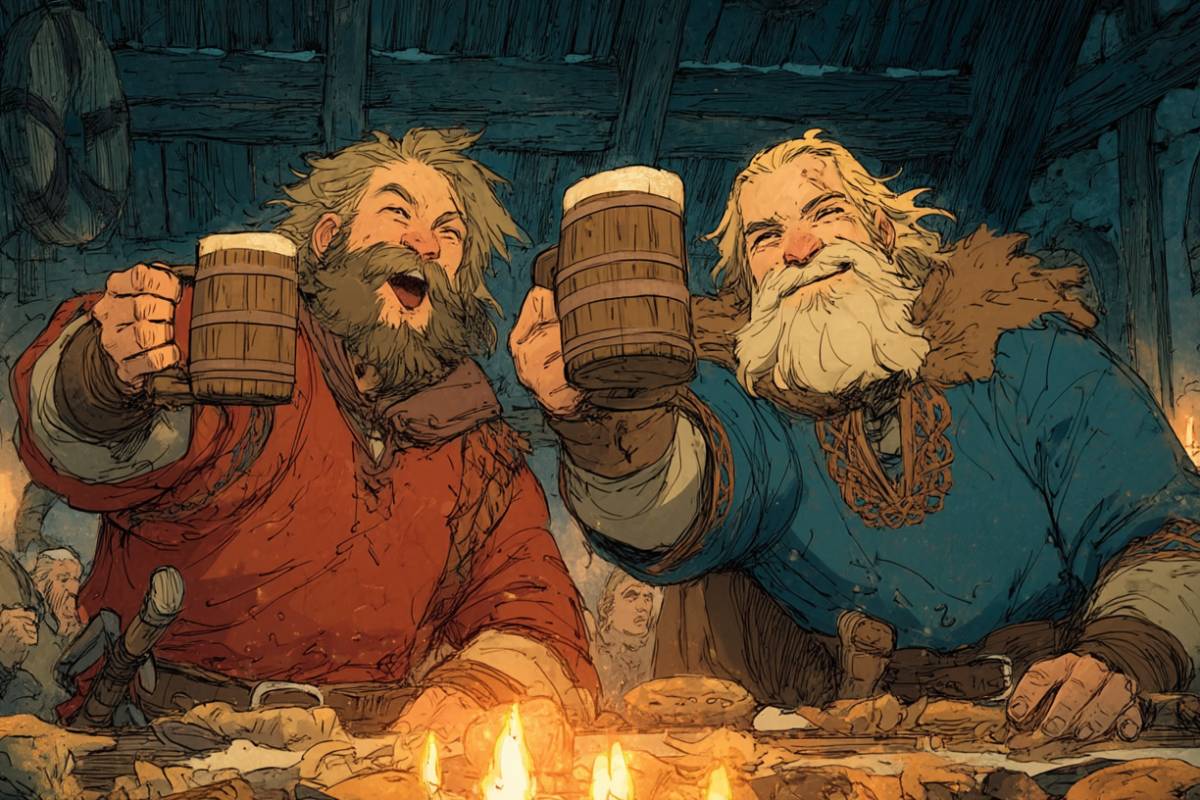
From December 21 to 31, visitors to the abbey will be greeted by a Viking longhall decorated with towering trees from the estate, twinkling Christmas lights, handmade depictions of Viking stories, and sound and scent elements designed to take us back 1,000 years in time.
"People can expect a huge, hopefully magical, display in the Great Barn, which is split into three sections," Eleonor tells us. "The first is a Scandinavian forest with icy lights, animal sounds, and cold winds."
"They then step into the Long Hall with a crackling (fake) fire, a table set for a feast, and a throne where people are invited to sit and take photos."
"Visitors are welcome to sit at the table and interact with the display. When visitors step out of the Long Hall, they step into Odin's sacred grove, which has atmospheric music, a carved Odin head flanked by ravens, a 35‑ft Christmas tree, and the Northern Lights projected onto the ceiling."
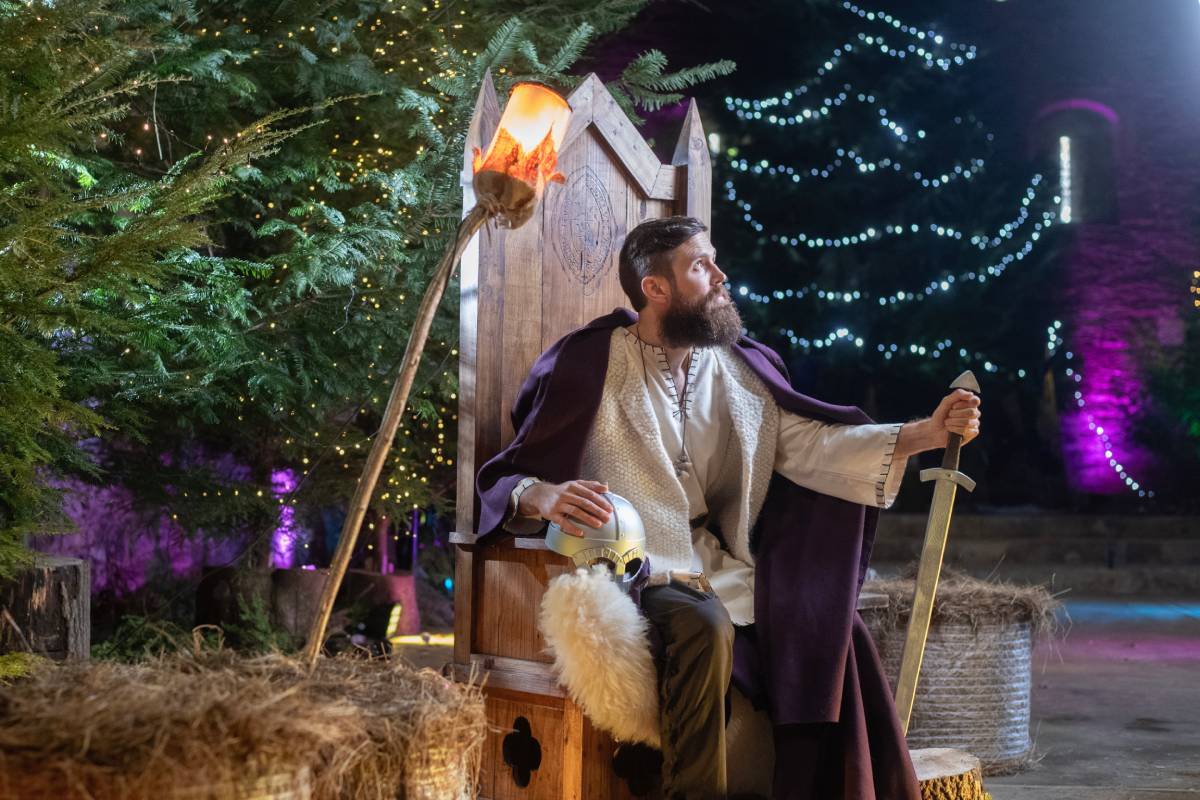
Historical displays at Buckland Abbey explore Viking daily life in Devon during the late 10th century. Source: Steve Hayward / National Trust Images
A coastline steeped in history
Thanks to its 700 miles of coastline, the county of Devon in the southwest of England has a lengthy maritime tradition.
It is famed far and wide for the exploits of Drake, who hailed from the county and often departed on his voyages to the Americas from the city of Plymouth.
Plymouth, of course, is also the port from which the Mayflower departed in 1620 with a group of English colonists whose pioneering journey would eventually lead to the foundation of the United States of America.
During the Viking Age, however, this easy access to the sea was far more of a hazard than a boon.
Indeed, as they began to explore the British Isles with ever-increasing determination, the Vikings probed the West Country coastline for possible avenues of attack.
As early as 836 CE, 35 Viking ships arrived at the town of Carhampton, where King Egbert of Wessex famously fought them off.
At the end of the 10th century, however, the Vikings returned in great force and gained a foothold in the region, establishing several settlements.
Although the Anglo-Saxons and then the Normans gained control over the Vikings, even today places such as Lundy Island bear names derived from Old Norse.
"Throughout the barn and going through to the abbey there are information boards which give visitors insight into the Vikings' time in Devon and what their daily lives were like when they were present here in 997," Eleonor explains.
"The abbey itself is decorated with different Viking Yuletide traditions and cultural moments, including beautifully embroidered 4‑foot dolls of Freyja and Odin and a cascade that runs down our Georgian staircase which shows the history of Winter Solstice celebrations."
"Everything in the abbey has been crafted by staff and volunteers."
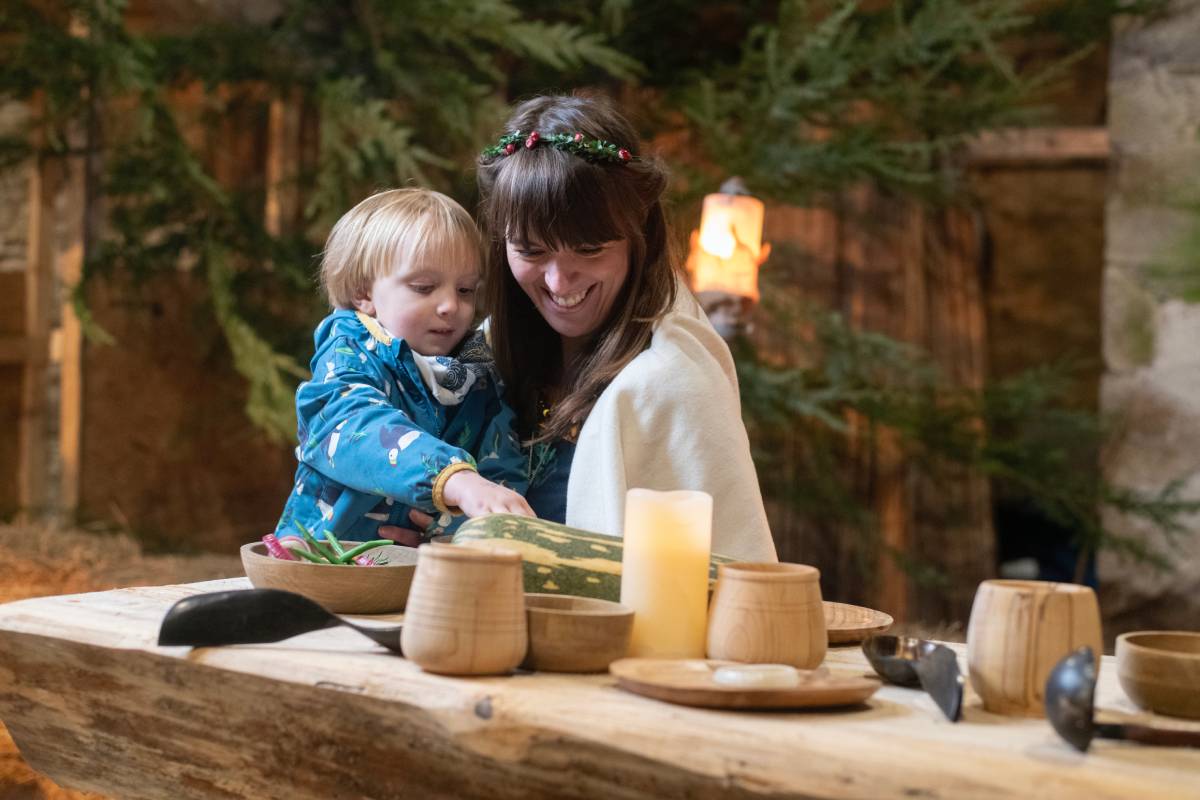
The seasonal Viking displays include a Scandinavian forest, a feast table in the Long Hall, and Odin’s sacred grove. Source: Steve Hayward / National Trust Images
Getting in the spirit
Many Christmas traditions trace their origins to the pagan celebration of Yule, including wreaths, mistletoe, decorated evergreen trees, and the Yule log.
In recent years, there has also been a growing desire in the UK – and naturally Scandinavia – to explore these links through special Yuletide celebrations.
Buckland Abbey's event promises to be a fine example of this growing interest in the Viking custom.
"Each year, we like to look at the history of winter celebrations and Christmas in a different way so people can visit Buckland Abbey, celebrate Christmas, and also learn some interesting and fun historical aspects of the season!" Eleonor tells The Viking Herald.
"One of the brilliant things about Buckland Abbey is that it's stood for almost 750 years, so it has seen so many periods of history (though the Vikings are even further back than this)."
"One thing we always try to do is make it an immersive and magical Christmas with a bit of a difference."
Beyond the building itself, visitors to the abbey can also look forward to the Norse Tree Trail, where they will have the chance to learn about some of the flora in the gardens of the abbey and its connection to the Vikings.
A word of warning, however: if attending the event, please be sure to wrap up warm – despite the roaring fires, the great longhall of the abbey is known to get decidedly chilly in the deepest depths of winter!
The event runs from December 21 to 31. It is free to enter, but visitors must purchase an entrance ticket for the abbey, which costs GBP 15 for adults, with concessions available for children and families.
To find out more, please visit the National Trust website.
We get to provide readers with original coverage thanks to our loyal supporters. Do you enjoy our work? You can become a PATRON here or via our Patreon page. You'll get access to exclusive content and early access.
Feel free to reach out to discuss potential stories that may be in the public interest. You can reach us via email at hello@thevikingherald.com with the understanding that the information you provide might be used in our reporting and stories.