

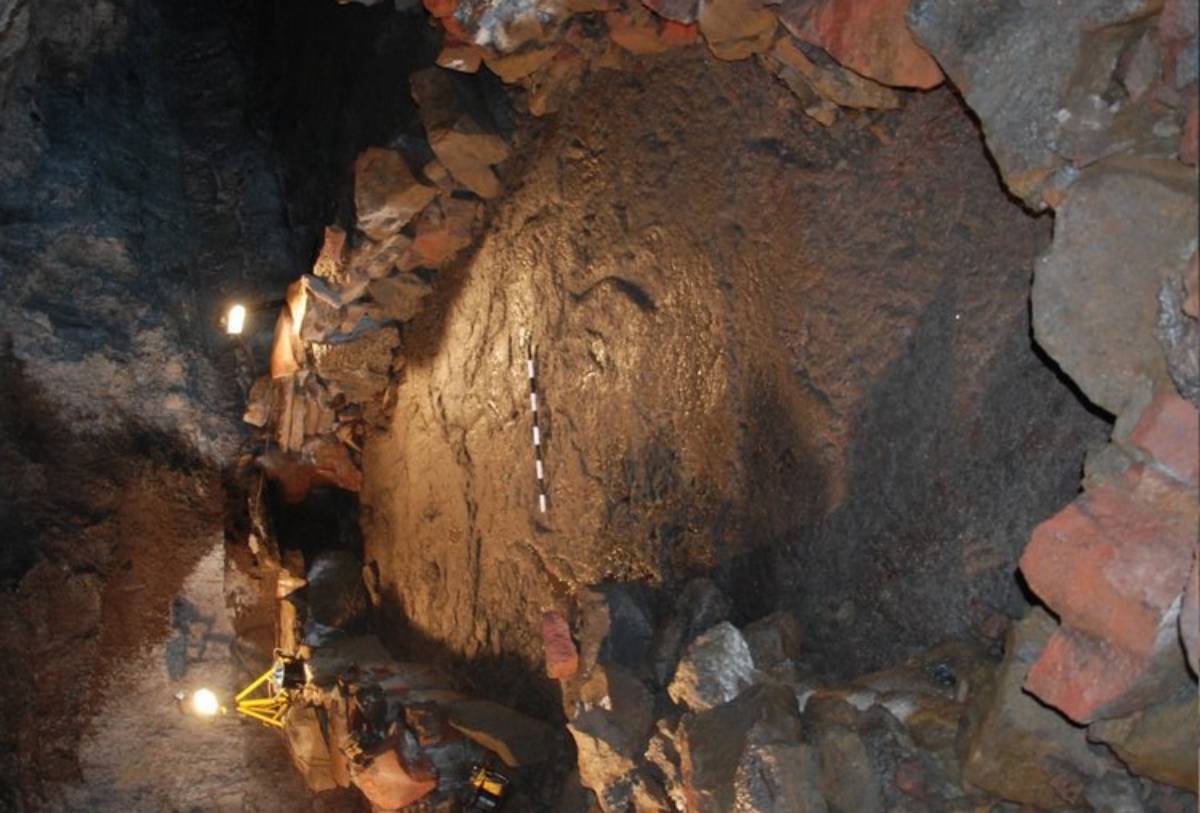
Experts investigating a site at a volcanic cave in Iceland, which is located about 300 meters beyond the entrance to the cave, discovered a rock structure shaped like a boat, beads, and decorative materials from foreign lands, the Jerusalem Post reports.
They believe that Viking elites may have carried out ceremonies at the site around 1,000 years ago, with the goal of avoiding the apocalypse.
The scientists published their findings in the Journal of Archaeological Science. They noted that the eruption that formed the cave took place in the late 9th century – shortly after the Vikings first settled in Iceland.
Major event
According to the study, the volcanic eruption was likely the first major event of its kind witnessed by people in Northern Europe since the last Ice Age ended.
"The impacts of this eruption must have been unsettling, posing existential challenges for Iceland's newly arrived settlers," the authors of the study noted.
Live Science's contributor Owen Jarus of Live Science writes that the Vikings entered the newly formed cave soon after the lava cooled. Afterward, they constructed the boat structure, placing ritual offerings inside and burning the bones of animals, including sheep, horses, goats, cattle, and pigs.
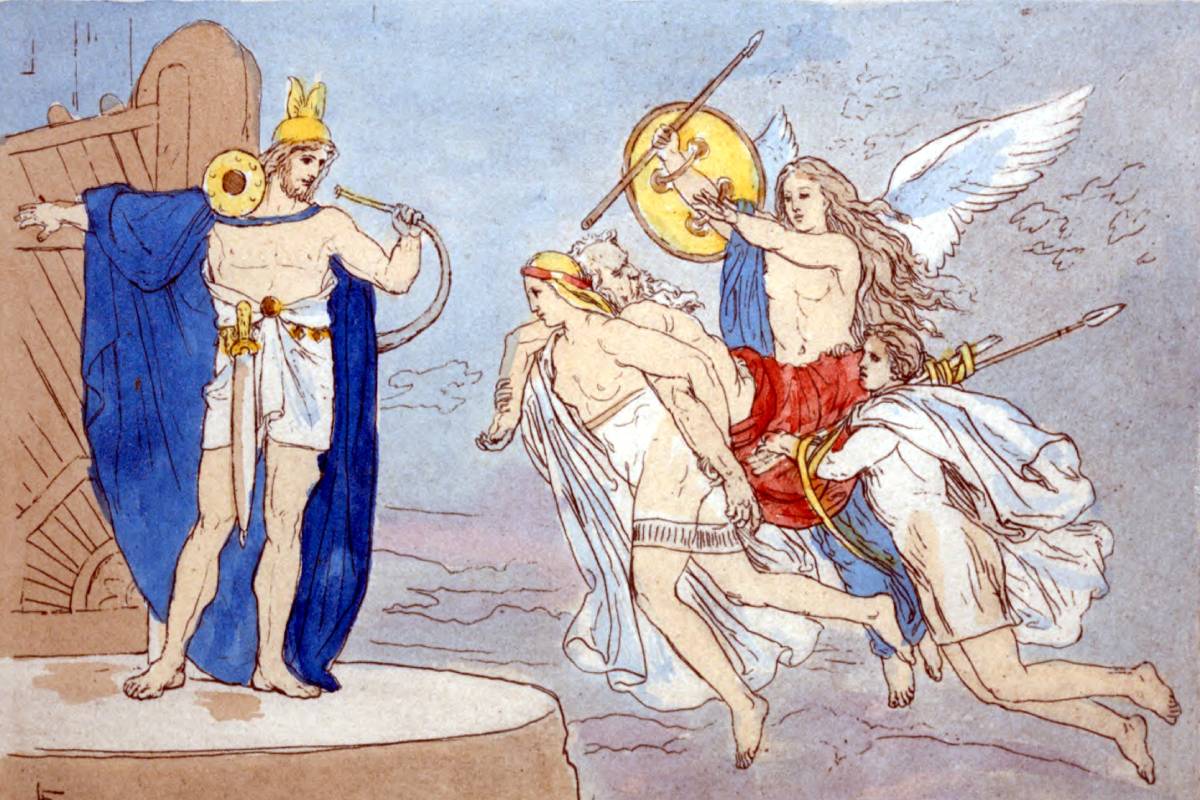
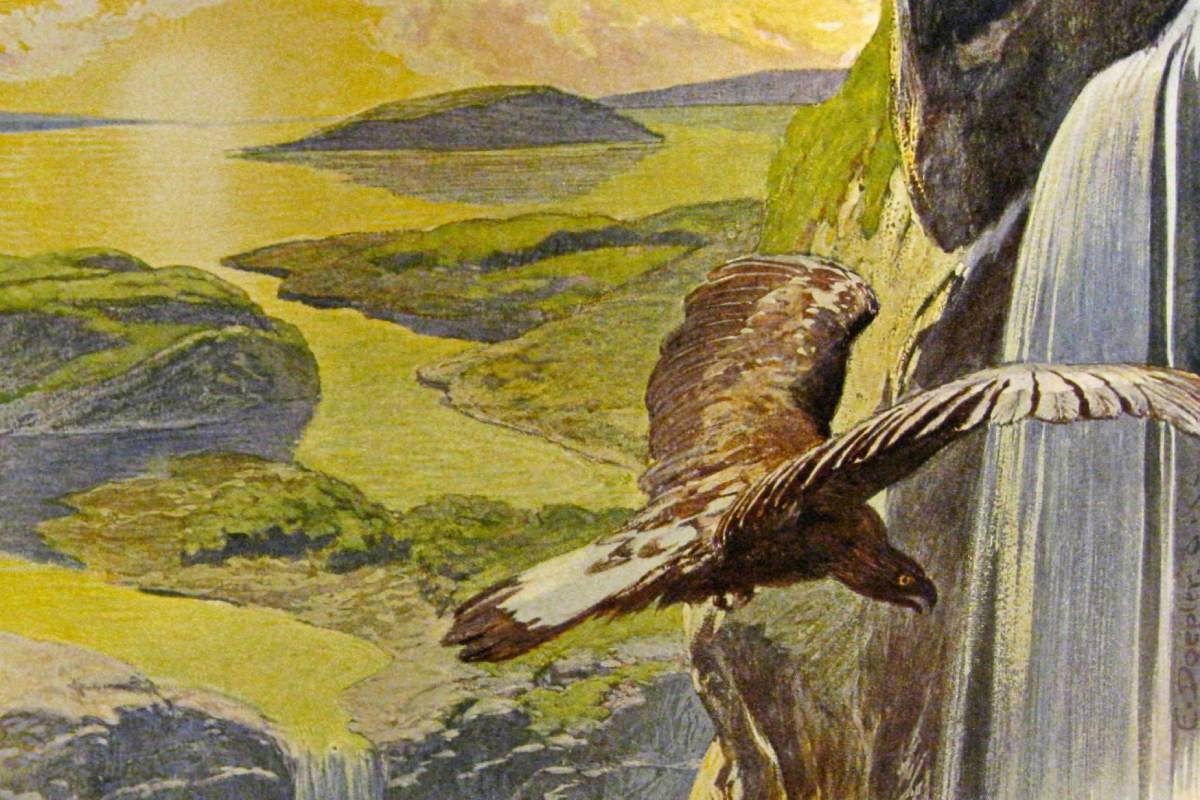
Jarus notes that historical records show that the Vikings associated the cave with Surtr, a giant responsible for fighting the gods during Ragnarök and bringing about the end of the world in Norse mythology.
"Our analyses indicate that these activities continued, perhaps as annual sacrificial rituals, for at least 60 to 80 years until Iceland converted to Christianity," lead author of the study Kevin P. Smith, deputy director of the Haffenreffer Museum of Anthropology at Brown University, noted in a statement.
"And the objects left behind in the cave imply that they were conducted by members of Iceland's elite."
Attempting to appease the gods?
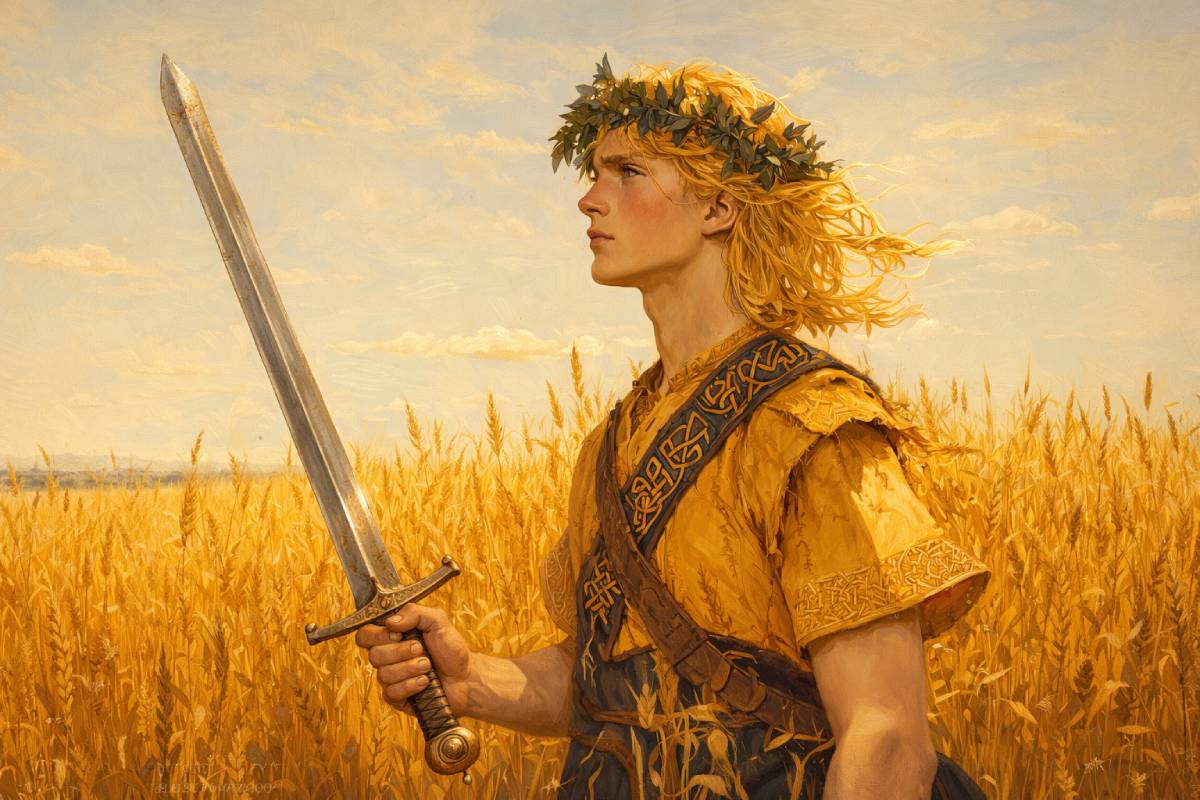
In his article for Live Science, Jarus notes that people participating in the ritual may have believed that the goods would appease Surtr or that they could strengthen Freyr, the fertility god said to fight Surtr during Ragnarök.
Furthermore, orpiment, a pigment from eastern Turkey used for decorative purposes, and 63 beads, were among the artifacts found in the volcanic cave.
The goods could have arrived in Iceland as a result of trade, as the Vikings are known to have traded with the Islamic world.
We get to provide readers with original coverage thanks to our loyal supporters. Do you enjoy our work? You can become a PATRON here or via our Patreon page. You'll get access to exclusive content and early access.
Feel free to reach out to discuss potential stories that may be in the public interest. You can reach us via email at hello@thevikingherald.com with the understanding that the information you provide might be used in our reporting and stories.