

Held on the last Tuesday in January, the Viking festival Up Helly Aa ('Up Holy All') in Shetland's main town of Lerwick is the biggest of its kind on these islands halfway between Scotland and Norway.
The Shetlands and Norway
Belonging to the Norwegians until 1468, far longer than anywhere else in the British Isles, the islands have always kept a close connection with their Nordic neighbors.
In the late 1800s, a group of young locals decided to adapt their traditional annual activity of tar barrelling, when inebriated menfolk would drag flaming barrels through the town on sleds.
Considered a danger to the public, it was abolished, torches replacing barrels, at the same time as there was a resurgence of interest in Norse history.
A Norwegian speaker, Lerwick-born writer Haldane Burgess published his most famous work, The Viking Path (you can get it on Amazon, here), in 1894, a novel set at the time when Christianity first came to the Shetlands.
Burgess was one of the prime movers behind the revived event, also writing the Up Helly Aa song that accompanies the ceremony every January.
Today's celebration
As can be ascertained from a visit to the Shetland Museum and Archives in Lerwick, each main community across the islands holds its own version of the Up Helly Aa.
Lerwick's is the biggest and most extravagant.
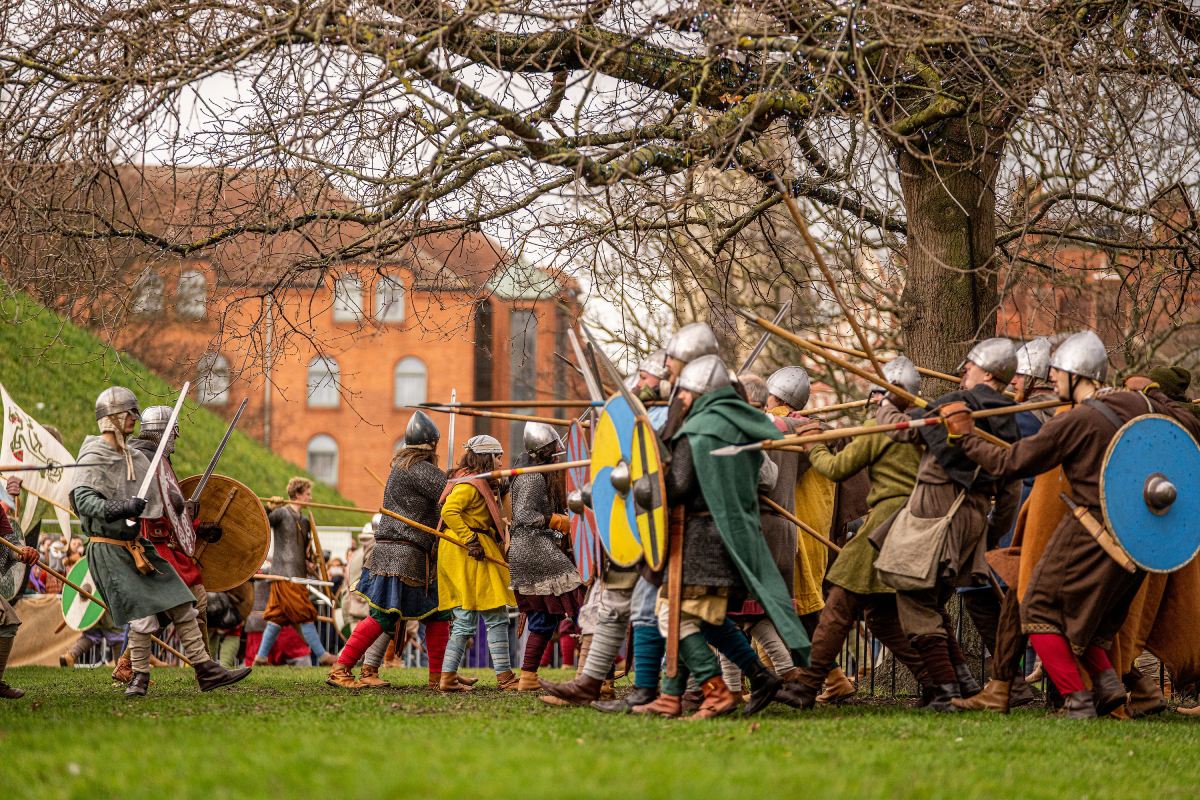
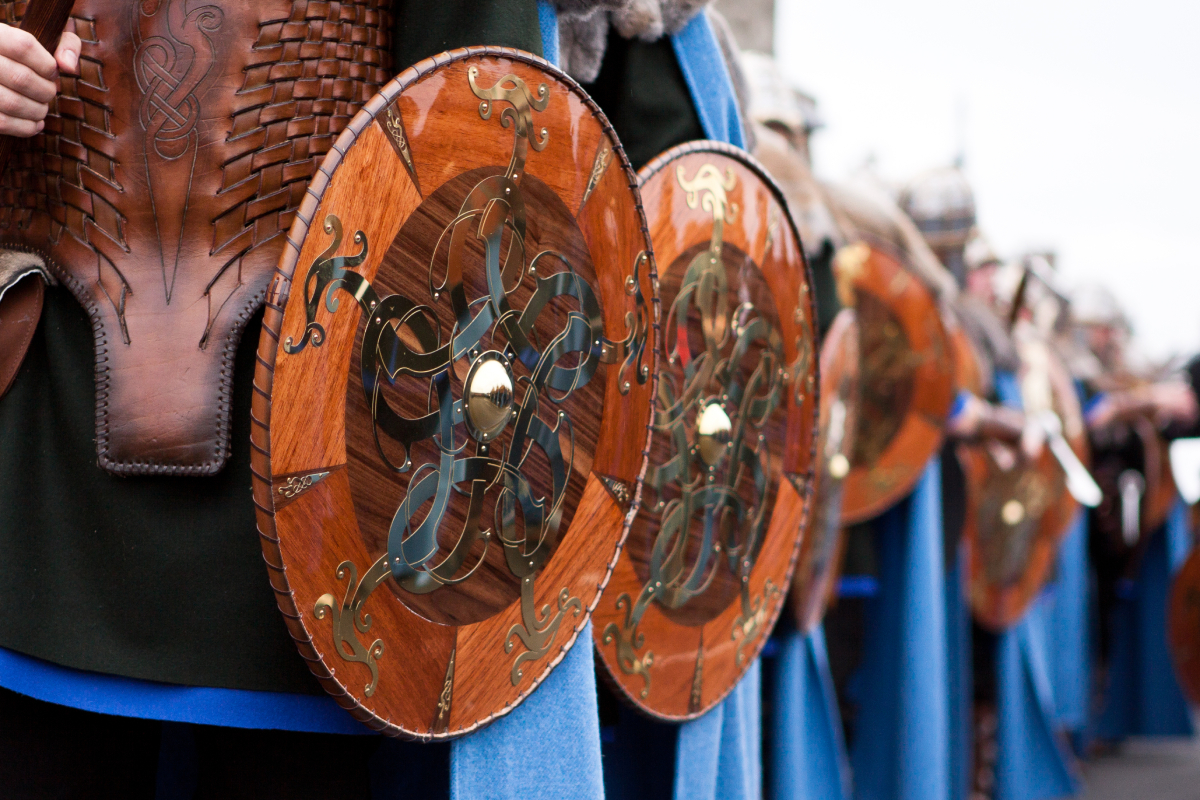
Costumed participants, known as guizers, march through the town carrying torches that they use to burn down a replica of a Viking longship.
The chief guizer, or Jarl, must have served 16 years on the event committee before being elected for the first and only time in his life.
And it is his life – this year's Guizer Jarl was Neil Moncrieff, aged 44. And it's only this year that females have been permitted to take part.
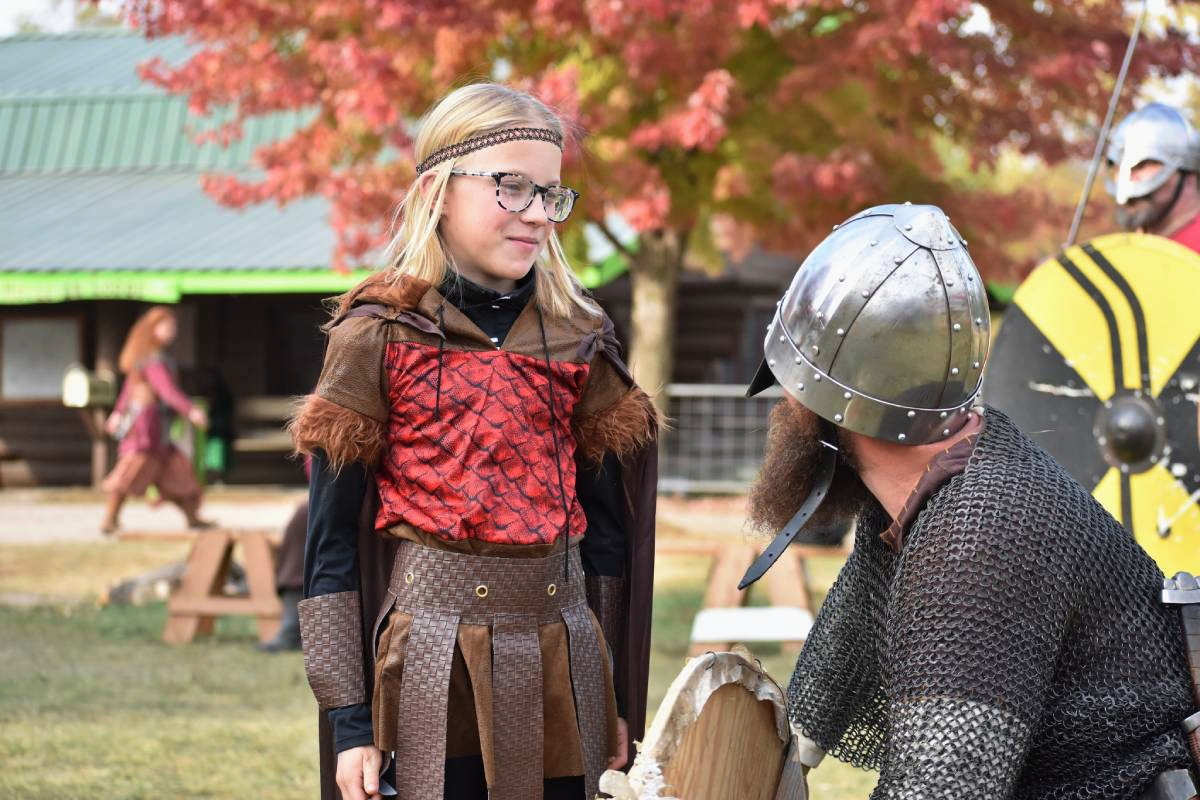
Participants must have been local residents for at least five years, even though many visitors from around the world express interest in doing so every January. There's also a junior procession involving 100-plus schoolchildren.
Each main community across the islands holds its own version of the Up Helly Aa. Photo: Andrew J Shearer / Shutterstock
Preparations begin at the end of October, when those taking part give up several nights of their week to rehearse, ensuring that the event runs smoothly.
These days, many tourists come to Lerwick for the event, hotels and guesthouses fill, and ever more people are lining the chilly streets when the procession winds its way through town, led by the replica of the longship.
The occasion is also a public holiday in Lerwick, allowing families to gather with no school or place of work to go to.
Everyone, guizers and spectators, makes their way down to the open location where the longship is parked and made ready for the big bonfire.
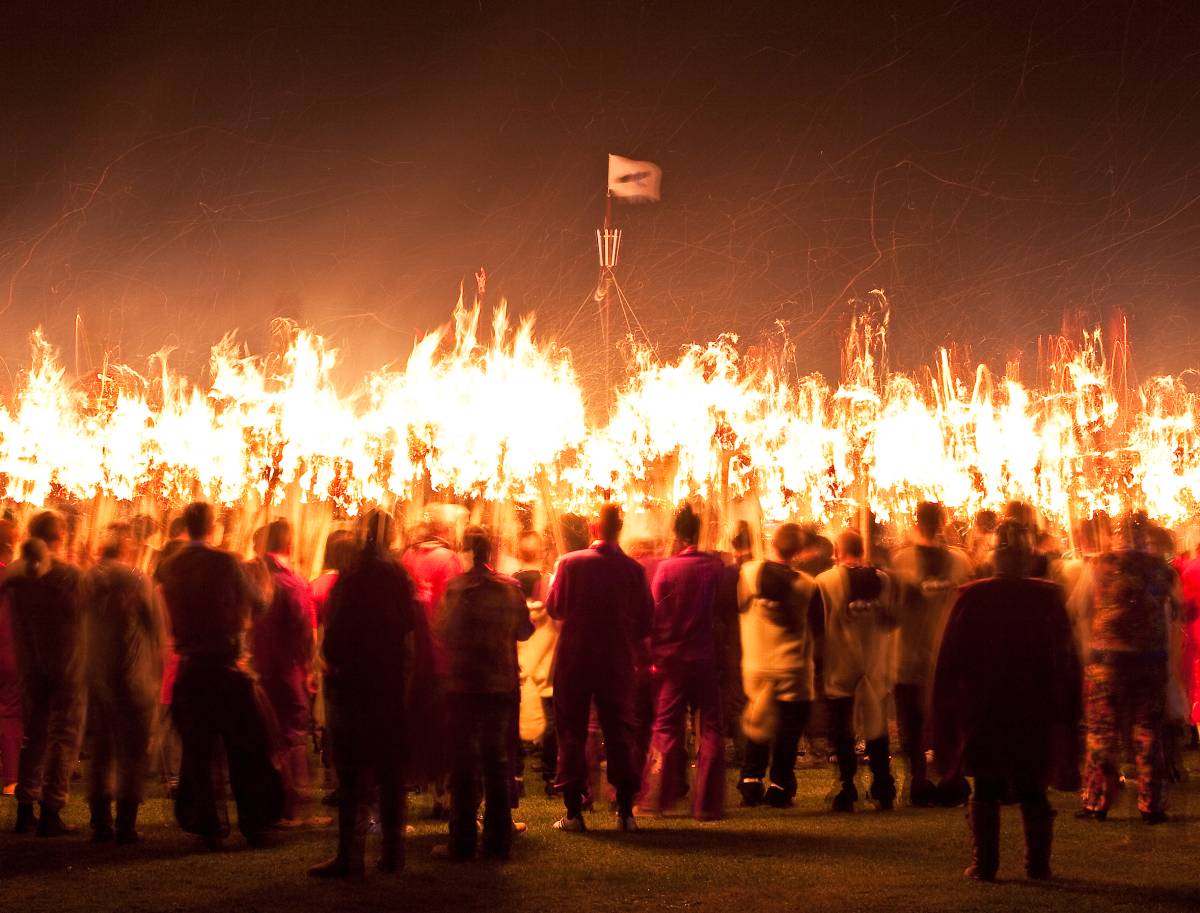
Participants throw their torches into the boat, which is soon engulfed in flames. This provides the dramatic backdrop for everyone to sing the Norseman's Home, whose modern-day lyrics go:
The Norseman's home, in days gone by,
Was on the rolling sea,
And there his pennon did defy
The foe of Normandy.
Then let us ne'er forget the race
Who bravely fought and died,
Who never filled a craven's grave
But ruled the foaming tide.
The noble spirits, bold and free,
Too narrow was their land.
They roved the wide expansive sea
And quelled the Norman band.
Then let us all in harmony
Give honor to the brave.
The noble, hardy, northern men
Who ruled the stormy wave.
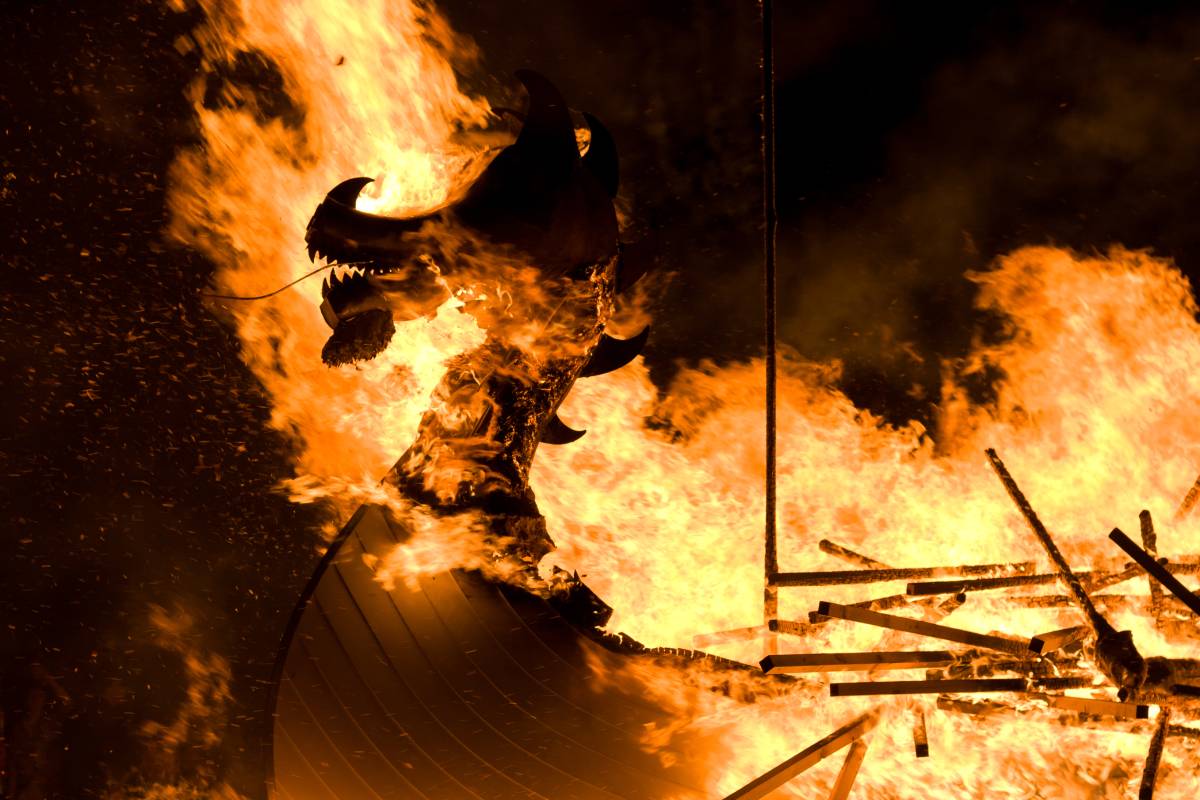
Participants throw their torches into the boat, which is soon engulfed in flames. Photo: Andrew J Shearer / Shutterstock
We get to provide readers with original coverage thanks to our loyal supporters. Do you enjoy our work? You can become a PATRON here or via our Patreon page. You'll get access to exclusive content and early access.
Feel free to reach out to discuss potential stories that may be in the public interest. You can reach us via email at hello@thevikingherald.com with the understanding that the information you provide might be used in our reporting and stories.