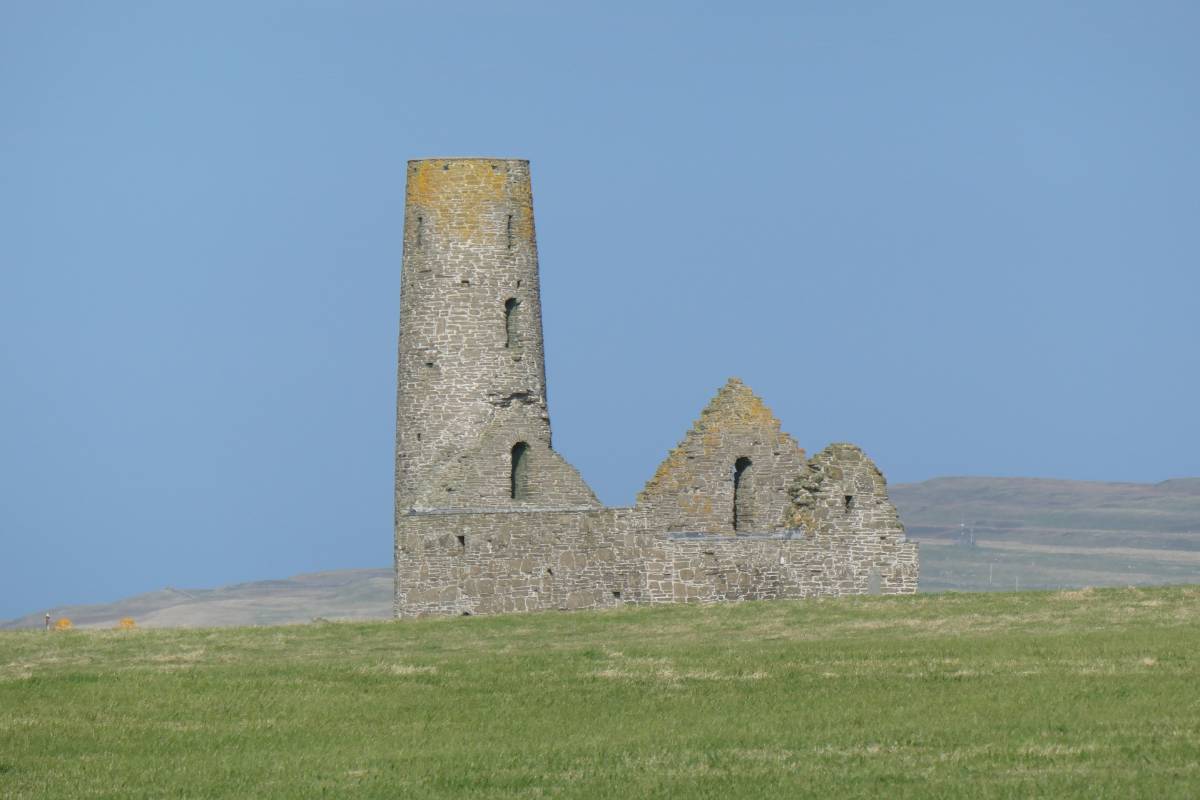


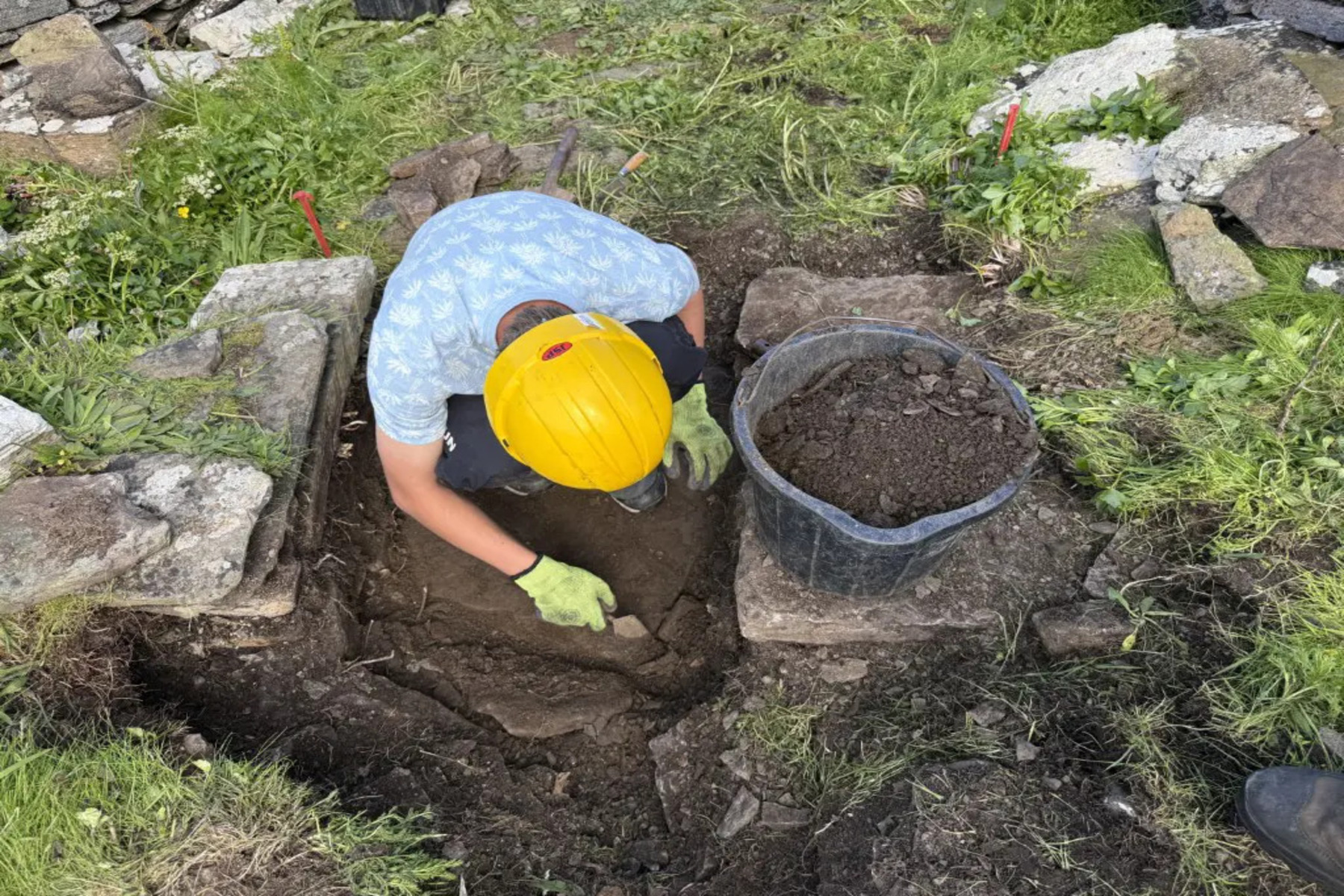
Students from the Gordonstoun School in Moray appear to have discovered a 1,000-year-old Viking church in the Orkney Islands. Their find was uncovered on an archeology field trip to the tiny uninhabited island of Swona off the north coast of Scotland.
Hidden in plain sight
The high school pupils and their teachers journeyed to Swona late last month for a six-day trip alongside experts from Orkney Research Centre for Archaeology (ORCA). Though Swona is today privately owned and home to only a number of feral cattle, it is known to have been inhabited in the Viking Age.
The students spent ten hours travelling to the remote island by bus, ferry and boat. Once there, the pupils stayed in an abandoned house with no electricity and fresh water pumped in from an ancient well.
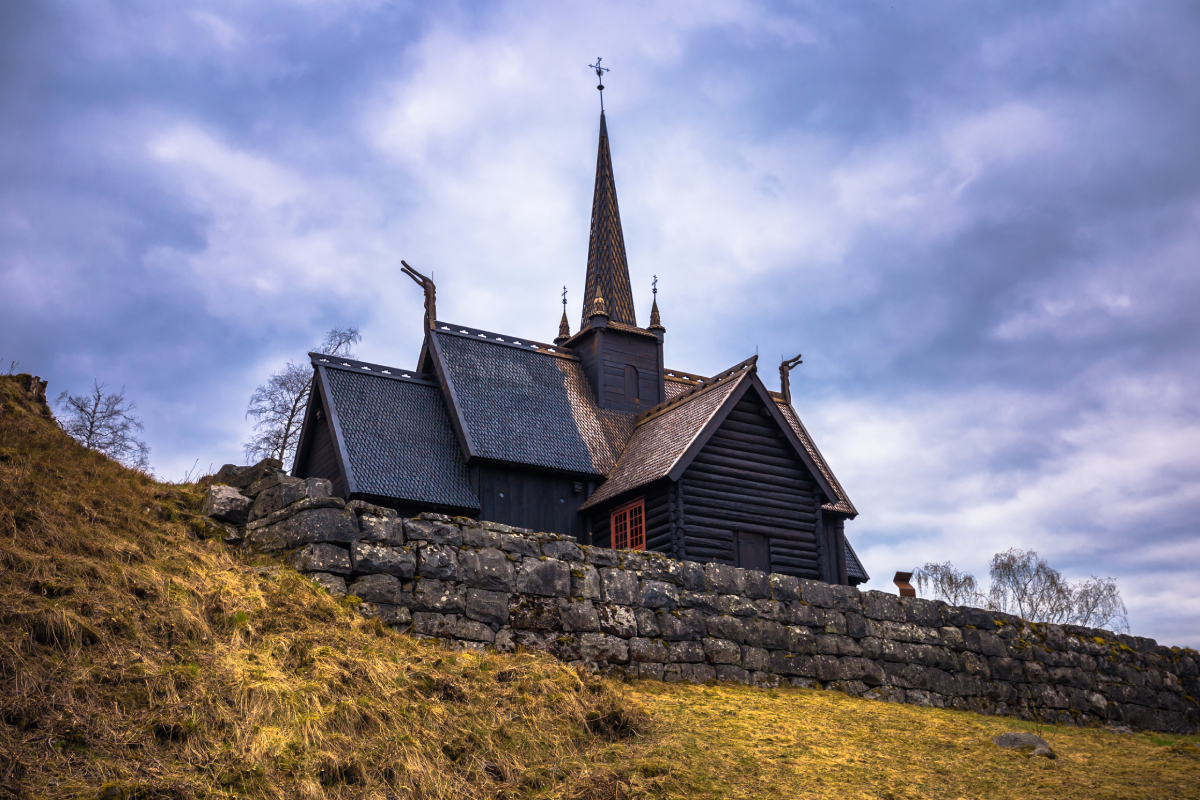
Together, the pupils and archeologists were able to identify what appears to be a Norse church from the early medieval period. Although carbon dating has not yet been carried out on the building, the design of the church is similar to other structures built in the 10th and 11th centuries in both Scotland and the Isle of Man.
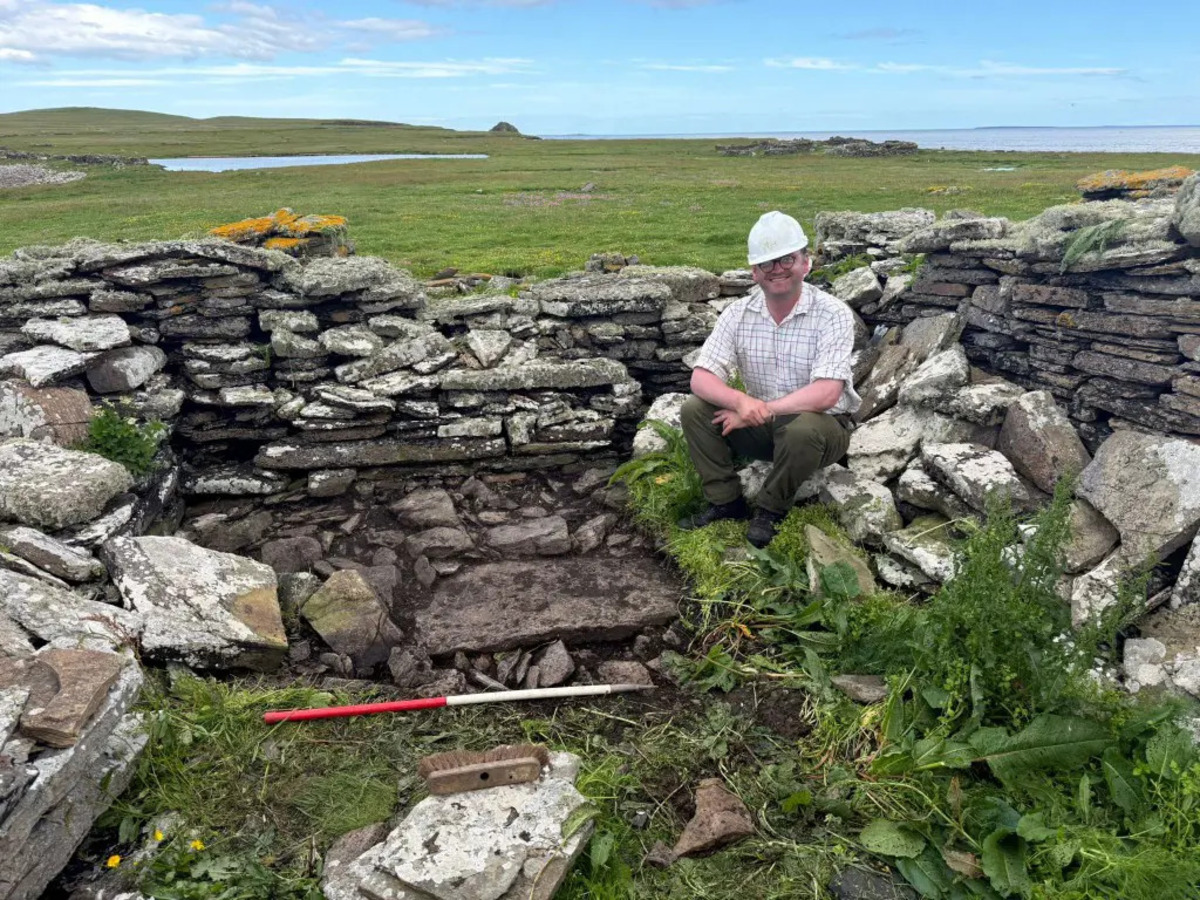
Teacher Dan Mclean at the excavation site on the island. Source: Gordonstoun School
“A special moment”
The trip was organized by Dan Mclean, a Housemaster at Gordonstoun, a private school located in Moray on Scotland's northeast coast. “The only real hint about a church being on the island is a map reference to a ruin known locally as the ‘Twinly Kirk’,” Mclean commented on the school’s website.
“Once I had identified the site, it first appeared that the remaining church walls were of a more recent building, as they have been added to over the years. However, after we worked with the archaeologists to dig a test pit and clear away the weeds, we discovered a step just under the surface, leading to what would have been the church’s altar.
“It was a special moment to confirm to the students that they had helped to uncover a piece of Viking history that could be up to 1,000 years old. Using GPS plotting and numerous digital images of the site, we will be able to use specialised software to produce a 3D model of the church."
A slice of history
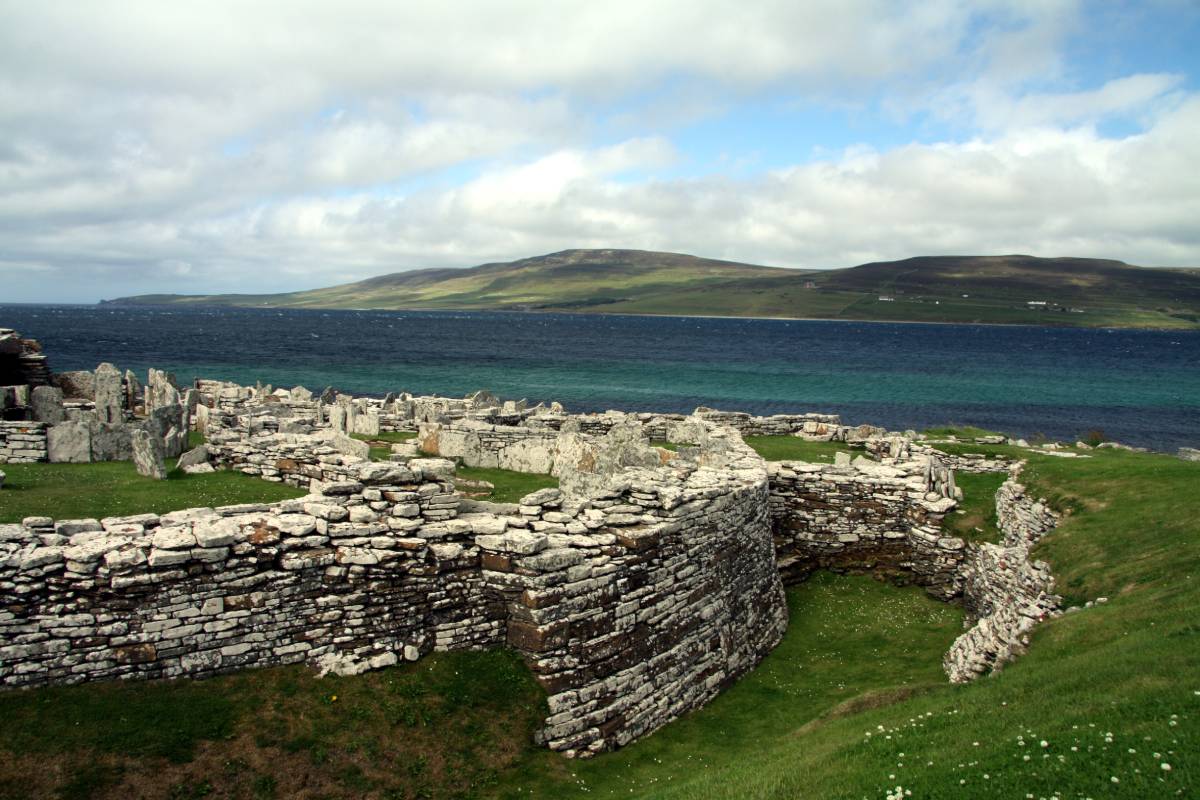
The Orkney Islands have a rich Viking history. Although the archipelago is today considered remote, its location between Scandinavia and the British Isles made it an ideal stepping stone for early Viking raiders. Later, the Norse began to take over the islands, installing a series of leaders and centers of trade.
Over time, the Norse settlers became increasingly integrated with the local population. Today, many residents of the Orkney Islands possess Scandinavian ancestry. Nevertheless, archaeology traces of a Norse presence in many of the smaller islands in the archipelago remain largely unexplored.
During the course of their investigations, the Gordonstoun study group also uncovered what appears to be a medieval farm and a possible Viking warning beacon. Gordonstoun is planning a further trip next year to investigate these sites, and also to collect material suitable for radiocarbon dating.
We get to provide readers with original coverage thanks to our loyal supporters. Do you enjoy our work? You can become a PATRON here or via our Patreon page. You'll get access to exclusive content and early access.
Feel free to reach out to discuss potential stories that may be in the public interest. You can reach us via email at hello@thevikingherald.com with the understanding that the information you provide might be used in our reporting and stories.