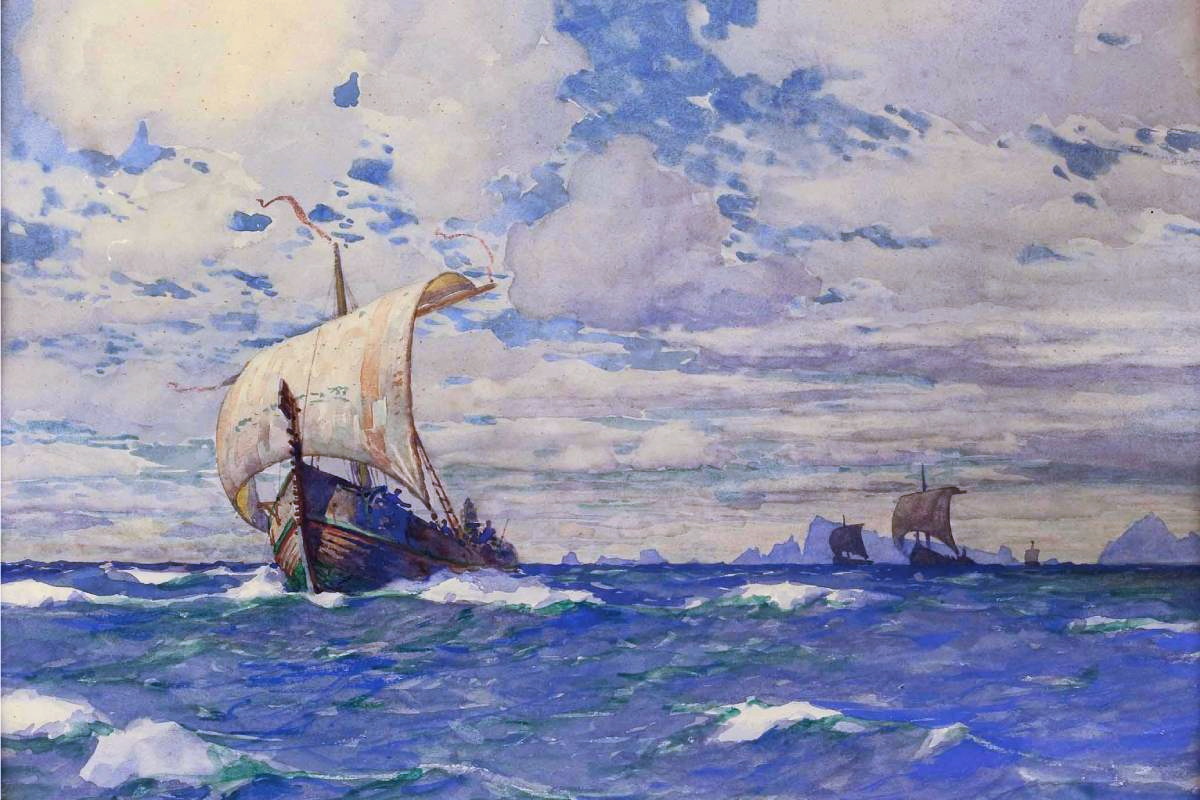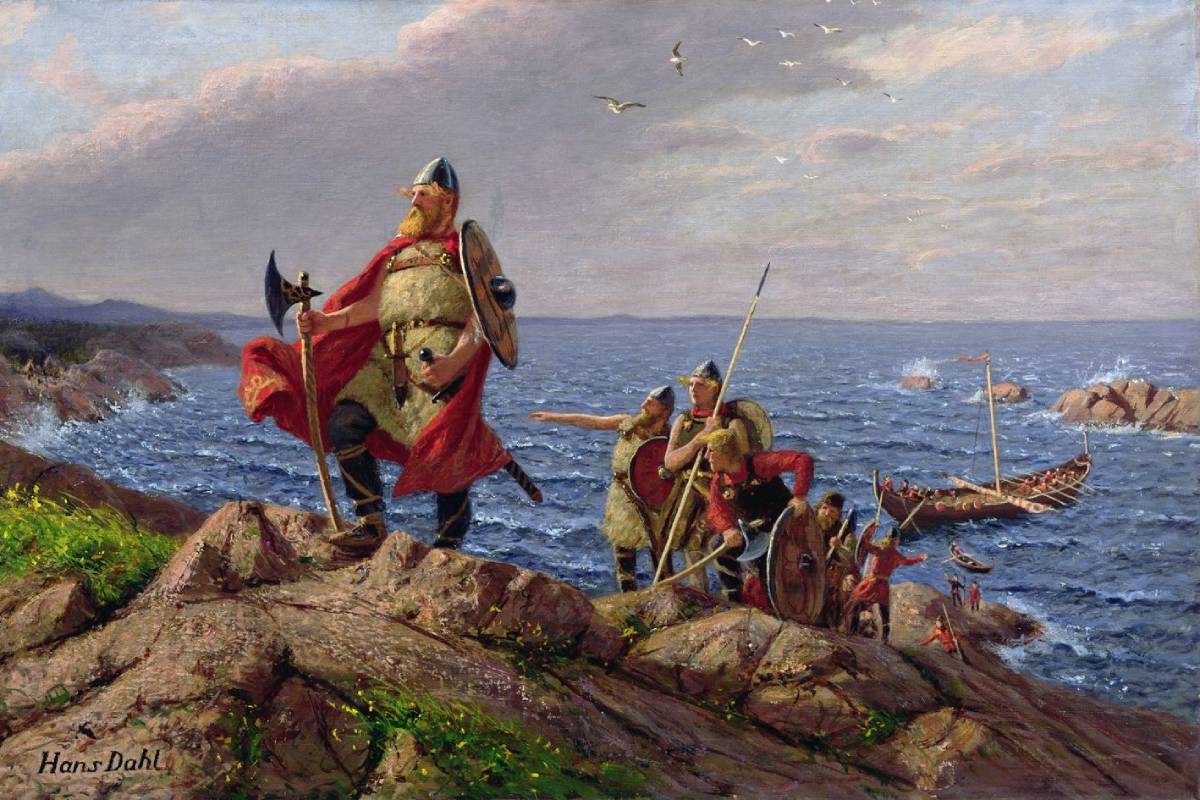


Whether these sites tell tales of peace, prosperity, or endurance, each has its own story to share. Gone Viking: A Travel Saga is an epic journey worthy of any Norse tale full of humor and history.
BRB, gone Viking
For some people, history can be boring. Seen as a mere collection of dates obsessed over mostly by old men, it can get a bad rap.
Those of us who are not born with that genetic defect and who absolutely adore history, know nothing could be further from the case.
History is alive, full of color, humor, and fun, and this vibrant perspective is precisely what Bill Arnott brings to the forefront in his captivating narrative.
Arnott traces the history of the Viking Age – spanning approximately three centuries – which he warns our U.S. friends is about the lifespan of an empire.
He doesn't trace the history through a list of dates or battles.
Instead, he hops on a plane, train, raft, or what he describes as a ferry shaped like Noah's Ark, traveling to the sites where people from Viking societies once roamed.
In Gone Viking: A Travel Saga, he lays out his thesis early on: for many in the West, Viking is a noun, denoting an early medieval Scandinavian with a horned helmet wielding an axe.
Yet Arnott correctly points out that the term viking originates from a verb, describing a kind of wandering or a journey of exploration and adventure.
He embarks on a sort of sabbatical, a gap year filled with wanderlust and a passion for the past, to travel around a world that was shaped and formed by people from Viking societies.
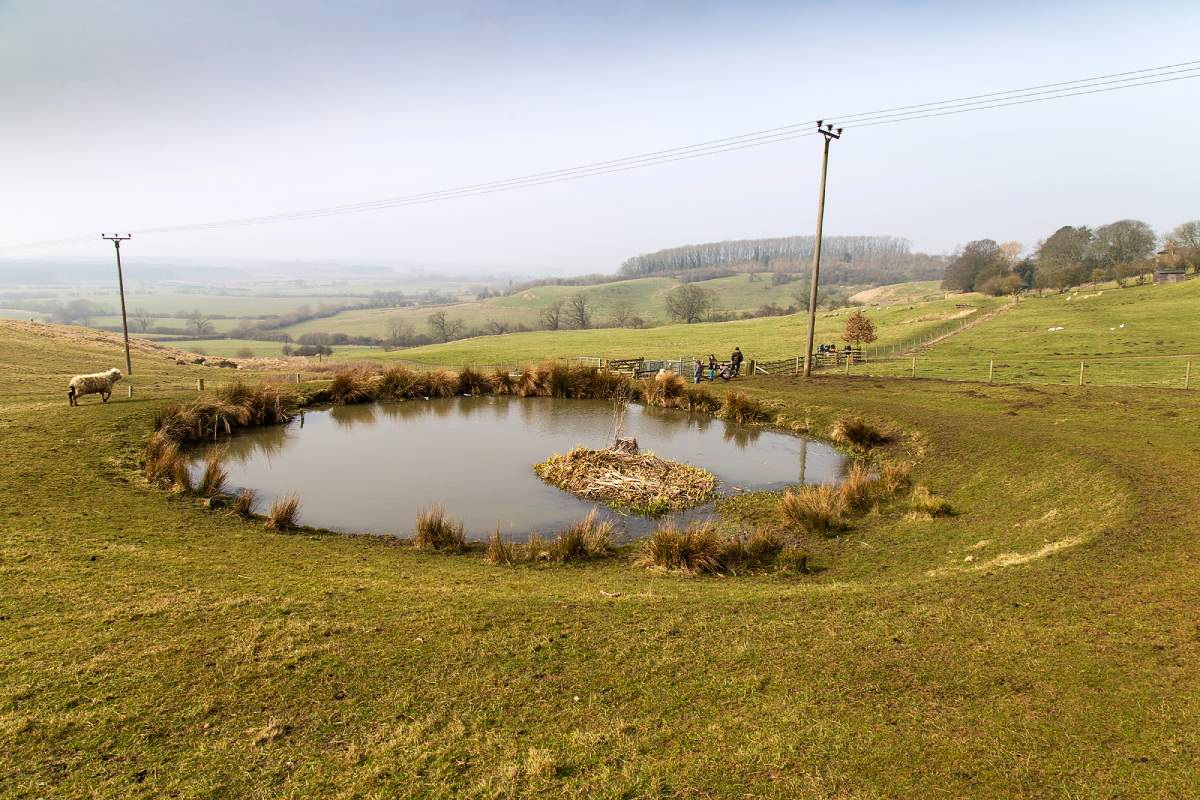
The Viking Way, a renowned long-distance footpath of approximately 147 miles nestled in Lincolnshire, England, echoes the footsteps of ancient Norse explorers. Photo: David P Howard / Wikimedia Commons (CC BY-SA 2.0)
Rivaling Phileas Fogg
Arnott begins his Viking quest in the British Isles, where he takes the reader to some lesser-known Viking sites, including those in Reading, the Cotswolds, and Cornwall.
From here, it's a quick paddle across the North Sea to the Orkneys, Iceland, and the Scottish Isles.
All these islands were, during the Viking Age (c. 750 – 1100 CE), not only part of the Viking cultural sphere but also were mostly settled, colonized, and developed by people from Viking societies.
From here, Arnott does his best impression of Phileas Fogg, whisking the reader around the world.
He takes us half a world away to the Pacific Ocean, then dashes back to the Viking homelands of Scandinavia, down to the Mediterranean, back up to the more well-known Viking sites of the U.K., northward again to the Arctic, and finally westbound to end in Newfoundland, Canada.
Like all great travel writers, Arnott captures the sights, sounds, and smells whilst being a background character in his own story.
His personal odyssey is also the perfect way to recount the expansive history of the Viking Age, from its early beginnings with small-scale predatory raids through its phases of conquest, subjugation, settlement, and colonization to its traditional end on a bloody battlefield in the north of England.
There is also a great deal of discussion about Viking pre-history, that murky period spanning from Classical to Late Antiquity, and the societal, religious, environmental, and political events that led to the rise of people in Scandinavia going viking.
This is the perfect antidote for those wanting a break from stuffy and pretentious history.
A combination of witty travel writing coupled with an overarching historical theme, Bill Arnott shoves the reader into his backpack and takes us on a true Viking quest.
As Arnott puts it, "Whether a people, language, or an Age, Vikings remain, like my trail, a curving road to a point undefined." It is a trail worth traveling with Arnott.
Gone Viking: A Travel Saga by Bill Arnott is available for purchase on Amazon here.
Feel free to reach out to discuss potential stories that may be in the public interest. You can reach us via email at hello@thevikingherald.com with the understanding that the information you provide might be used in our reporting and stories.